
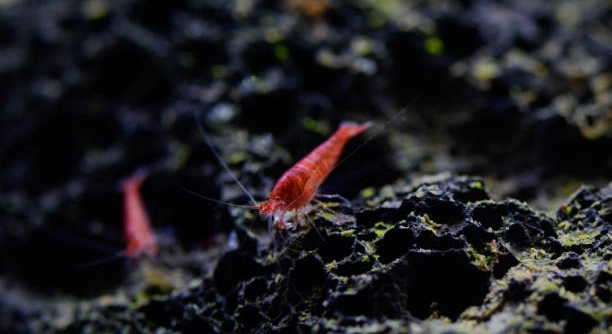
Are your cherry shrimp appearing unusually restless lately, making you wonder what changes in their environment might be affecting their comfort and movement as they explore the tank each day with more energy than usual.
The primary reasons cherry shrimp seem restless include fluctuations in water parameters, limited hiding spaces, increased tank activity, and subtle stressors. These factors influence their natural routines, prompting heightened movement as they attempt to adapt to shifting environmental conditions around.
These insights help you understand what drives your shrimps restlessness, guiding you toward creating a calmer habitat that supports movement.
Shifting Water Parameters
Changes in water parameters can cause noticeable restlessness in cherry shrimp, especially when those shifts happen faster than their bodies can handle. Small changes in temperature, pH, or hardness influence how safe they feel as they move through the tank. When the water becomes unstable, their natural response is to increase activity while they search for areas that feel more consistent. You might see them swimming across plants more often or moving away from their usual hiding spots as they try to adapt to the instability. Their movements become a clear sign that something in the tank needs attention. This behavior helps highlight issues early.
Stable water conditions support calm behavior in cherry shrimp by giving them a predictable environment that matches their natural needs. When parameters remain steady, they settle into gentle movement, regular feeding patterns, and comfortable routines that keep their overall activity balanced. This stability supports healthier long term behavior overall too.
Keeping water parameters consistent becomes easier with regular monitoring and small routine adjustments. Using a reliable test kit helps you track changes before they affect your shrimp, giving you time to correct issues gently. Simple steps like topping off evaporated water, maintaining the filter, and cleaning the substrate reduce stress in their habitat. These tasks also make your tank easier to manage over time. When everything stays stable, your shrimp settle into natural rhythms that reflect their comfort. This steady environment encourages healthy growth, smoother molting, and relaxed movement that reflects their comfort in the tank each day as well.
Limited Hiding Spaces
Limited hiding spaces can make cherry shrimp more restless because they rely on sheltered areas to feel safe. When the tank lacks cover, they spend more time moving around searching for protection, which increases overall activity and disrupts their usual calm behavior. Adding simple structures helps reduce stress quickly each.
Providing more hiding spaces supports calmer behavior by giving cherry shrimp plenty of secure areas throughout the tank. Simple additions like moss, small caves, leaf litter, and dense plants create natural pockets where they can rest without disruption. These features also help them feel protected during molting, when they are more vulnerable and prefer quiet spots. When a tank has limited cover, shrimp often stay in constant motion trying to locate safe areas, which increases stress over time. Adding natural materials is one of the easiest ways to build hiding spots without overcrowding the tank. Mosses and floating plants create soft shaded areas that shrimp enjoy exploring. Small tunnels, shrimp tubes, and rock structures give additional depth to the layout, helping them choose spaces based on their needs at different times of the day. With balanced lighting and gentle water flow, these hiding places become calm zones that reduce overstimulation. Over time, a well structured environment leads to steady movement patterns and better long term.
Increased Tank Activity
Higher activity in the tank often pushes cherry shrimp to move more because sudden movement around them disrupts their sense of safety. Fish, snails, or even strong water flow can keep them alert, making them swim more frequently as they react to everything happening around them.
When a tank has too much movement, shrimp spend more time navigating around active tank mates or avoiding fast currents. This constant stimulation prevents them from settling into calm routines. Reducing strong flow, choosing peaceful species, and arranging plants or decor to soften movement helps create areas where they can pause and feel secure. Gentle zones give them space to rest between feedings and explore without feeling overwhelmed. Over time, balancing activity levels in the tank supports steady behavior and keeps their movements focused rather than frantic. This calm environment also helps them maintain easier feeding patterns and more consistent routines each day.
Lowering tank activity gives shrimp opportunities to interact with their surroundings more naturally. Adding small barriers, adjusting filtration output, and choosing tank mates with mild behavior makes a noticeable difference in their daily comfort. These changes also improve the overall layout, helping active areas stay separate from quiet zones. Shrimp benefit from predictable movement because it reduces stress and allows them to explore at their own pace. When they no longer react to constant motion, they shift into slower patterns that reflect their comfort. Creating this balance keeps them relaxed and encourages healthier behavior throughout their environment.
Molting Stress
Molting stress can cause sudden restlessness because shrimp feel more vulnerable during this period. When they cannot molt comfortably, they move around the tank trying to find safer areas or better conditions that support the process and reduce strain on their bodies.
Improper water conditions, low mineral levels, or harsh flow can interfere with the molting cycle, making shrimp work harder to shed their exoskeleton. Adding mineral-rich foods, using gentle filtration, and maintaining consistent parameters supports smoother molts. Providing leaf litter and soft hiding spaces also helps them settle in protected areas while their new shell hardens. When they have what they need, molts become easier and less stressful. This stability leads to calmer movement and reduces frantic swimming. Over time, improving these conditions helps maintain healthy behavior and supports stronger, more resilient shrimp.
Poor Diet or Feeding Habits
A poor diet can make cherry shrimp restless because they move around more when searching for nutrients they are not receiving. Inconsistent feeding or relying on low quality food leaves them unsatisfied, encouraging constant movement as they look for something better in the tank.
Balanced feeding keeps their behavior steady by giving them the nutrients they need without making them forage nonstop. Offering high quality shrimp pellets, blanched vegetables, and occasional protein sources helps them stay calm. Consistent routines also support healthier activity patterns and reduce unnecessary wandering.
Overcrowding in the Tank
Overcrowding increases restlessness by limiting personal space and forcing shrimp to interact more than they prefer. When too many shrimp or tank mates share the same space, they become more active while trying to navigate around each other. Adding more plants, creating sections, or reducing the population restores calmer movement. This balance gives them room to explore without constant interruption, leading to steadier routines and more relaxed behavior throughout their environment.
Sudden Environmental Changes
Sudden changes in light, temperature, or layout can cause noticeable restlessness as shrimp try to make sense of their surroundings. Gentle adjustments and stable routines help prevent this stress and keep their behavior steady.
FAQ
Why do my cherry shrimp swim frantically around the tank?
Cherry shrimp swim frantically when something in their environment disrupts their sense of stability. Sudden changes in water parameters, strong water flow, or increased tank activity can push them into constant motion. They react to these shifts quickly because their bodies depend on stable surroundings to stay comfortable. When the environment becomes unpredictable, they move more in an attempt to find safer spots. Adjusting filtration, checking parameters, and limiting sudden disturbances usually helps settle them. Once conditions become steady again, their movement shifts back to gentle exploring and calm foraging.
Can cherry shrimp become restless from poor water quality?
Yes, poor water quality is one of the most common reasons for restlessness. Ammonia, nitrite, or elevated nitrate levels can irritate their bodies and push them into active searching behavior. Even small changes are enough to affect them, which is why regular testing matters so much. Clean water helps support smooth molting, healthy eating routines, and calm daily movement. When quality drops, shrimp show discomfort quickly through increased swimming, hiding, or clustering at the surface. Keeping the tank well maintained helps prevent this stress and supports their long term health.
Do cherry shrimp get stressed when moved to a new tank?
Shrimp often become stressed when transferred to a new environment because everything around them changes at once. New water chemistry, different lighting, and unfamiliar surroundings can make them more alert. Acclimating them slowly and maintaining stable conditions helps them adjust. Providing plants, leaf litter, and shaded hiding spaces makes the new tank feel safer. Once they settle into the environment, their movement becomes slower and more predictable. Keeping early changes minimal helps them feel grounded.
Can hunger make cherry shrimp appear restless?
Hunger can lead to increased movement because shrimp search actively when they are not getting enough nutrients. If the tank has limited biofilm or the feeding schedule is inconsistent, they wander through every corner to find more food. Offering high quality shrimp pellets, vegetables, and mineral rich options helps them stay satisfied. A consistent feeding schedule also prevents unnecessary searching. When they feel nourished, their movement slows into relaxed grazing instead of frantic foraging.
Why do my shrimp scatter suddenly after being calm?
Shrimp scatter quickly when startled by sudden movement, noise, or strong vibrations near the tank. Even tapping on the glass or adjusting equipment can trigger this behavior. They move fast in these moments because it is their natural response to perceived danger. Keeping the environment calm and avoiding sudden disturbances helps them relax. Over time, they learn the rhythm of the room and react less intensely.
Can bright lighting make shrimp restless?
Bright lighting can make shrimp uncomfortable because they prefer shaded or softly lit spaces. When lighting is too strong, they swim more while searching for darker areas that feel safer. Adding floating plants, dimmer bulbs, or adjustable lighting helps them settle. Gentle lighting supports natural movement and calmer behavior.
Do tank mates affect shrimp behavior?
Yes, tank mates play a major role in shrimp activity levels. Fast or nippy species create constant motion that pushes shrimp to stay alert. Even peaceful fish can cause stress if they occupy the same spaces or disturb feeding. Selecting calm species and offering plenty of hiding spots helps shrimp feel comfortable. A balanced community tank encourages healthy routines and reduces excessive movement.
Does temperature inconsistency make cherry shrimp restless?
Temperature swings can disrupt their behavior because shrimp rely on steady warmth to regulate their bodies. Sudden drops or spikes lead to immediate discomfort and increased activity. Keeping the tank within a consistent range prevents this stress. A stable temperature supports healthy molting, eating, and calm exploring.
How can I tell if my shrimp are restless from molting issues?
Shrimp with molting problems often move rapidly, flick their bodies, or search for secure hiding places. These signs appear when they struggle to shed their exoskeleton or feel exposed during the process. Adding minerals, maintaining stable water conditions, and offering leaf litter helps them molt comfortably. Once they complete the molt, their behavior usually normalizes.
What can I do to reduce restlessness in my cherry shrimp?
Reducing restlessness starts with creating a stable, predictable environment. Regular water changes, gentle filtration, balanced feeding, and plenty of hiding spaces help them feel secure. Monitoring parameters closely and adjusting slowly prevents unnecessary stress. When their habitat feels safe, their movement becomes calm, steady, and natural.
Final Thoughts
Creating a stable and comfortable space for cherry shrimp is the simplest way to keep their behavior steady. When their environment stays predictable, they move with ease and settle into natural routines that reflect their comfort. Every part of their tank plays a role in how they behave, from the way the water flows to the types of plants you choose. When something shifts suddenly, they react quickly because they depend on consistency. By paying attention to their movement, you can often spot changes early and correct them before they develop into bigger issues. This approach keeps their daily behavior calm and helps them feel safe as they explore their surroundings. It also makes their tank easier to manage, since steady conditions support a balanced and healthy habitat over time.
Small improvements in their environment can make a significant difference in how relaxed they appear each day. Adjusting lighting to softer levels, adding more hiding spaces, or selecting gentle tank mates all contribute to smoother, quieter movement from your shrimp. These changes help create pockets of calm where they can rest without disruption, especially during vulnerable times like molting. Taking the time to observe their habits allows you to understand what they need most. Some shrimp settle quickly, while others take longer to adjust after a change. Their behavior acts as a quiet signal that something is either supporting them or causing stress. When you respond to these signals with simple adjustments, you help them return to a steady rhythm that keeps them comfortable. Over time, this awareness becomes a natural part of caring for them, making the tank feel more balanced for both you and your shrimp.
Maintaining consistency will always be the foundation of keeping cherry shrimp calm, and small routines make this easier to achieve. Regular water checks, gentle cleaning, and mindful feeding prevent most issues that lead to restlessness. Even when problems appear, they are usually manageable with gradual adjustment rather than drastic changes. This slow, steady approach supports their natural behavior and reduces the chances of overwhelming them. When their environment is predictable, cherry shrimp show their comfort through gentle exploring, slow grazing, and steady movement across plants and surfaces. Seeing them behave in this calm way is a sign that their needs are being met. Over time, these efforts create a stable habitat that supports their long term health and brings out their brightest colors and most relaxed behavior.

Hello,
If you enjoy the content that we create, please consider saying a "Thank You!" by leaving a tip.
Every little bit helps us continue crafting quality advice that supports the health, happiness, and well-being of pets around the world, for pets of all shapes, sizes, and species.
We really appreciate the kindness and support that you show us!