
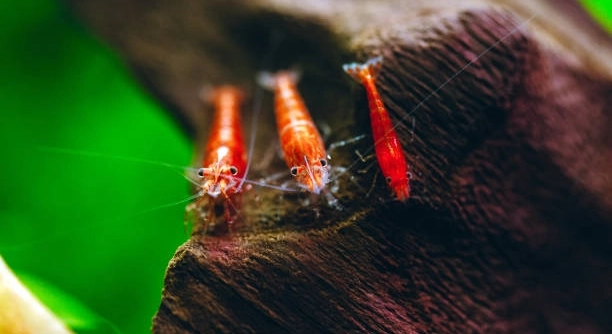
Is your cherry shrimp losing its vibrant red color and looking dull in your tank? Many shrimp owners notice this change over time, which can be concerning. The shift in color can reflect several underlying factors in your aquarium setup.
The most common reasons cherry shrimp lose their red coloration are poor diet, stress, improper water conditions, or genetics. Ensuring optimal water parameters, high-quality food, and minimal stressors helps maintain their natural vibrant red hue consistently.
Understanding the causes behind color fading is essential for your shrimp’s overall health. Small adjustments in care can make a noticeable difference in restoring their vivid appearance.
Diet and Nutrition
Feeding your cherry shrimp a balanced diet is essential for maintaining their red coloration. A diet lacking in carotenoids, the pigments responsible for red and orange hues, can lead to fading colors. High-quality commercial shrimp food, supplemented with fresh vegetables like spinach or zucchini, can improve vibrancy. Occasional protein sources, such as blanched shrimp or fish flakes, help overall health and molting. Avoid overfeeding, as excess food can pollute the tank and create stress, further dulling color. Seasonal or natural fluctuations in pigment absorption may also occur, but consistent proper nutrition usually restores intensity. Observing which foods your shrimp prefer and adjusting their diet gradually can prevent sudden changes in appearance and behavior.
Balanced nutrition supports both health and color. Regular feeding with pigment-rich food helps your shrimp maintain a bright, healthy red hue in the long term.
A well-fed shrimp is more active and displays stronger coloration during social interactions. Consistency in feeding times, portion sizes, and food quality promotes molting cycles that enhance red pigments naturally. Combining commercial foods with fresh plant matter ensures they receive carotenoids, vitamins, and minerals. This balance minimizes stress and encourages visible vibrancy, keeping your tank visually appealing and your shrimp thriving.
Water Quality and Environment
Maintaining stable water conditions is crucial for color retention. Sudden changes in pH, temperature, or hardness can stress shrimp, causing fading.
Cherry shrimp thrive in slightly acidic to neutral water, around 6.5 to 7.5 pH, with temperatures between 72 and 78°F. Consistent monitoring of ammonia, nitrites, and nitrates is essential, as elevated levels harm their health and coloration. Substrate type and tank plants also influence stress and natural pigment expression. Providing hiding spots reduces territorial conflicts, allowing shrimp to display their colors confidently. Regular partial water changes help maintain clarity and stability, minimizing environmental stress that dulls color.
A stable environment encourages natural behaviors and bright coloration. Avoiding sudden changes, maintaining clean water, and offering a structured habitat supports your shrimp’s health. Over time, consistent care leads to stronger, more vibrant red hues, reflecting improved well-being. Proper tank setup, attention to parameters, and minimal stress create conditions where pigmentation thrives naturally, ensuring your shrimp remain healthy, active, and visually striking.
Stress Factors
Stress can cause cherry shrimp to lose color quickly. Overcrowding, aggressive tank mates, or sudden environmental changes all contribute. Minimizing disturbances helps them maintain their natural red hue.
Stress affects shrimp behavior and overall health. Crowded tanks reduce hiding spaces, leading to constant stress. Aggressive fish can chase or nip shrimp, forcing them into hiding and reducing their activity. Even minor fluctuations in light or water temperature can cause stress responses. A calm, stable environment with plenty of plants and decorations allows shrimp to feel secure, promoting natural coloration. Avoid frequent tank rearrangements, and ensure compatible tank mates to prevent ongoing stress.
Stress also impacts molting cycles, which directly affects pigmentation. Shrimp under constant pressure may fail to develop full coloration after molts. Providing a structured habitat with plants, caves, and consistent water parameters encourages confidence, reduces hiding, and supports proper pigment development. Over time, this approach restores their bright red appearance and promotes healthy social interactions.
Genetics and Age
Genetics play a key role in the intensity of a cherry shrimp’s red color. Some shrimp naturally have lighter pigmentation.
Even with perfect care, individual genetics influence how red a shrimp can appear. Certain strains are bred for deep red colors, while others are paler. Age also affects coloration; younger shrimp often display less intense red, gradually strengthening as they mature. Genetic variation explains why shrimp from the same tank can differ in color, even with identical diets and environments.
Selective breeding can enhance red pigmentation over generations. Observing shrimp lineage allows you to predict color potential and plan for stronger visual appeal. Combining genetic awareness with proper nutrition and tank conditions maximizes color expression, ensuring your shrimp display their natural vibrancy while maintaining overall health.
Molting Process
Color fading often occurs during molting. Shrimp may appear pale before and after shedding their exoskeleton.
Molting is a natural process necessary for growth. New exoskeletons are initially soft and lighter in color, making shrimp look less vibrant. Once hardened, pigmentation returns gradually, reflecting overall health and nutrition.
Lighting Conditions
Insufficient or excessive light affects pigment expression. Proper lighting helps maintain red coloration without stressing shrimp.
Lighting influences shrimp behavior and color intensity. Natural or full-spectrum aquarium lights enhance their red hues. Overexposure can stress shrimp and lead to duller colors, while too little light reduces pigment visibility. Adjusting light duration and intensity supports both health and vibrancy.
Tank Cleanliness
Dirty tanks can lead to color loss. Maintaining a clean, stable environment preserves natural red tones.
Why is my cherry shrimp turning pale suddenly?
A sudden pale appearance is often linked to stress or environmental changes. Abrupt shifts in water temperature, pH, or hardness can cause shrimp to lose color temporarily. Overcrowding or aggressive tank mates may also trigger stress responses, making shrimp hide and appear paler. Ensuring a calm, stable environment with proper water parameters and sufficient hiding spaces helps shrimp regain their natural red hue over time.
Can diet really affect the color of my shrimp?
Yes, diet is a major factor in color retention. Carotenoids are pigments found in many high-quality shrimp foods and vegetables like spinach or zucchini, which help maintain red coloration. Protein-rich foods support molting and overall health. Without proper nutrients, shrimp may look dull regardless of other conditions in the tank. Providing a varied, balanced diet consistently ensures their pigmentation stays vibrant.
Will genetics limit my shrimp’s red color?
Genetics set the baseline for how deep the red can appear. Even with perfect care, some shrimp strains naturally display lighter hues. Selectively bred strains, such as high-grade red cherry shrimp, tend to show stronger pigmentation. Understanding the lineage of your shrimp helps manage expectations for color intensity while maintaining proper care to maximize their potential.
Does water quality really influence shrimp coloration?
Absolutely. Stable water conditions prevent stress and support healthy pigmentation. Ammonia, nitrites, or nitrates at elevated levels can dull color. Maintaining pH between 6.5 and 7.5, consistent temperatures, and clean water helps shrimp display their natural red tones. Frequent partial water changes and monitoring are crucial for consistent vibrancy.
How does molting affect shrimp color?
Molting temporarily changes a shrimp’s appearance. Before and after shedding, the exoskeleton is softer and paler. Pigmentation gradually returns as the new exoskeleton hardens. Proper diet and stable water conditions accelerate recovery and ensure vibrant coloration after each molt. Regular observation helps identify normal molting patterns versus potential health issues.
Can tank mates impact color intensity?
Yes, tank mates can influence shrimp stress levels. Aggressive or large fish may chase shrimp, forcing them to hide and reducing visibility of natural coloration. Peaceful, small fish or shrimp-only tanks minimize stress, allowing shrimp to display full red pigmentation naturally. Environmental enrichment like plants and hiding spots further supports a calm habitat.
Does lighting make a difference in shrimp color?
Lighting affects how shrimp pigments are expressed. Full-spectrum or natural aquarium lights enhance red coloration and encourage normal behavior. Too much light can stress shrimp, causing temporary paleness, while too little light makes colors appear muted. Adjusting light duration and intensity helps maintain optimal vibrancy.
How long does it take for shrimp to regain color?
Recovery time varies depending on the cause. After stress or dietary adjustments, shrimp may regain full color within several weeks. Molting cycles, consistent feeding, and stable water conditions contribute to gradual restoration of red pigmentation. Observing shrimp behavior alongside color changes helps track improvement effectively.
Are there supplements that help maintain red coloration?
Certain carotenoid-rich supplements, like spirulina or astaxanthin powders, can support pigmentation. Adding these to food occasionally enhances red intensity, especially in shrimp prone to fading. Supplements should complement, not replace, a balanced diet and proper tank care to ensure long-term health and vibrant coloration.
Can age affect how red my shrimp appear?
Yes, age plays a role in color intensity. Juvenile shrimp often display paler shades, gradually intensifying as they mature. Older shrimp may also fade slightly due to natural metabolic changes. Maintaining good diet, stable water conditions, and minimal stress ensures age-related color changes are gradual rather than drastic.
Is stress the main reason shrimp lose color?
Stress is one of the most common reasons for fading color. Environmental fluctuations, overcrowding, aggressive tank mates, and poor water quality all contribute. Addressing these stressors improves both health and coloration. Observing shrimp for hiding, lethargy, or pale coloration helps identify stress before it severely affects pigment.
How do I know if fading color is temporary or permanent?
Temporary color loss is usually linked to stress, molting, or diet changes. Permanent fading may result from genetics, age, or chronic poor conditions. Regular monitoring of water parameters, diet, and behavior helps differentiate between short-term fading and long-term pigment limitations. Adjustments in care often restore temporary losses.
Can substrate type affect shrimp coloration?
Substrate can influence stress and pigment expression. Darker substrates tend to make red shrimp appear more vibrant, while lighter substrates may make colors look paler. Additionally, certain substrates help maintain stable water parameters, indirectly supporting healthy coloration by reducing stress and environmental fluctuations.
Does frequent handling or tank maintenance affect color?
Excessive handling or frequent rearrangements can stress shrimp and temporarily reduce pigmentation. Gentle, minimal interference is ideal. Using tools for cleaning and providing stable decorations ensures shrimp remain calm, maintain activity, and retain their natural red hue.
Maintaining the vibrant red color of cherry shrimp requires attention to several key factors. Diet is one of the most important elements. Providing a variety of high-quality shrimp foods enriched with carotenoids, along with occasional fresh vegetables, ensures that shrimp receive the nutrients necessary for healthy pigmentation. Consistent feeding routines help prevent sudden color loss, while overfeeding is avoided to reduce water pollution and stress. Protein sources, even in small amounts, support proper molting and overall health, which in turn influences how bright and vivid their red tones appear. A balanced diet paired with a stable routine creates a strong foundation for maintaining natural coloration and overall vitality.
Water quality and tank environment are equally essential in preserving shrimp coloration. Stable parameters, including pH, hardness, and temperature, prevent stress that can cause fading. Regular monitoring of ammonia, nitrites, and nitrates ensures that harmful compounds do not accumulate, and partial water changes help maintain a clean and healthy environment. Tank setup also matters; providing hiding spots, live plants, and gentle water flow reduces stress and encourages shrimp to display their natural colors. Proper lighting enhances pigment visibility, while avoiding extremes prevents unnecessary stress. Combining careful environmental management with good nutrition supports both color retention and the overall health of shrimp.
Other factors, such as genetics, molting, and age, also influence the red coloration of cherry shrimp. Genetics determine baseline color potential, meaning some shrimp will naturally appear lighter or darker than others even under optimal care. Molting temporarily lightens shrimp as their new exoskeleton hardens, but healthy shrimp will regain vibrancy after each cycle. Age plays a role as well, with younger shrimp gradually intensifying in color as they mature, and older shrimp sometimes showing slight fading over time. Observing shrimp behavior, reducing stressors, and maintaining consistent care can address temporary color loss. By combining proper diet, water quality, stable environment, and awareness of natural factors, it is possible to support healthy pigmentation and ensure that cherry shrimp maintain their red tones over the long term.

Hello,
If you enjoy the content that we create, please consider saying a "Thank You!" by leaving a tip.
Every little bit helps us continue crafting quality advice that supports the health, happiness, and well-being of pets around the world, for pets of all shapes, sizes, and species.
We really appreciate the kindness and support that you show us!