
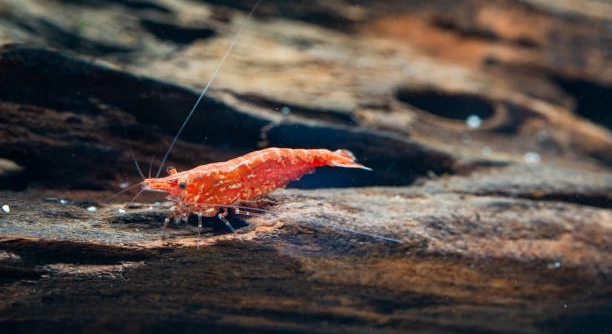
Do you enjoy keeping aquatic pets but find yourself observing the tiny movements of your cherry shrimp with fascination? Their vibrant colors and delicate size make them a unique and captivating addition to any freshwater tank.
Cherry shrimp display a variety of interesting behaviors, including social interactions, feeding patterns, molting cycles, and territorial tendencies. Observing these behaviors provides insights into their natural instincts, adaptability, and communication methods within a controlled aquarium environment.
Understanding these subtle behaviors can enhance your enjoyment and care of cherry shrimp. Each shrimp’s actions reveal more about their habits and social nature.
Social Interactions Among Cherry Shrimp
Cherry shrimp are surprisingly social for their size. They tend to gather in small groups and communicate subtly through body language and movements. Observing a tank, you may notice shrimp brushing against each other or following one another closely. This behavior is not aggressive but rather a sign of curiosity and social bonding. Shrimp often share feeding spaces without conflict, although some minor squabbles over prime spots may occur. During molting, other shrimp will maintain a respectful distance, allowing the molting shrimp to complete the process safely. Social interactions also help shrimp establish territories and hierarchies, which can influence feeding and hiding behaviors. When a shrimp senses danger or sudden changes in its environment, nearby shrimp often respond collectively, showing a coordinated, instinctive awareness. These interactions are subtle yet essential for maintaining balance and order in the tank. Watching them closely can reveal patterns in their behavior that might otherwise go unnoticed.
Their social behavior highlights the importance of space and hiding spots to reduce stress and support group harmony.
Understanding these interactions helps improve tank conditions. Providing plants, rocks, and open spaces encourages natural behaviors, making shrimp feel secure while maintaining social structures. Observing them can teach owners how environmental changes influence behavior and stress levels. This insight is key to creating a healthy aquarium. Social shrimp often display synchronized movements, indicating comfort and security. Recognizing these patterns allows better care and feeding schedules. Overcrowding or lack of resources may disrupt these interactions, leading to increased hiding or stress. By monitoring social cues, owners can adjust tank layouts or water parameters. Noticing which shrimp dominate feeding areas or preferred hiding spots can guide improvements. Proper observation and small adjustments make shrimp thrive. Social engagement is not just entertaining but also crucial for well-being, affecting growth, coloration, and molting success. Creating an environment that respects social needs ensures a healthier, more active colony over time.
Feeding Patterns and Preferences
Cherry shrimp are selective feeders and often graze throughout the day.
They explore surfaces, picking at biofilm, algae, and leftover food. Observing their feeding habits can reveal preferences and indicate overall health. Some shrimp favor plant surfaces, while others focus on tank glass or substrate.
Feeding behavior varies with age, size, and water conditions. Younger shrimp tend to graze constantly, ensuring they get enough nutrients for growth, while adults may focus on richer sources like algae wafers or vegetable slices. Timing and type of food influence activity levels and coloration. Shrimp adjust grazing patterns according to tank dynamics, avoiding aggressive or dominant individuals during feeding. Overfeeding can lead to waste buildup, while underfeeding may result in competition or malnutrition. Observing the way shrimp interact with different food types can help determine the ideal feeding routine. Rotating natural and prepared foods ensures a balanced diet, supporting molting and reproductive cycles. This attentive approach fosters healthier, more active shrimp, enhancing both their longevity and visual appeal in the tank. Proper observation and management of feeding behavior reduce stress and maintain water quality, ensuring the colony thrives.
Molting and Growth
Molting is a critical process for cherry shrimp to grow and develop. Shrimp shed their exoskeleton regularly, leaving a soft new shell underneath. Proper water quality and diet are essential to ensure safe molting and reduce stress.
Molting frequency varies with age and environmental conditions. Younger shrimp molt more often to support rapid growth, while adults molt less frequently. During this time, they may hide or remain inactive to avoid predators or tank mates. Observing a shrimp before, during, and after molting helps track health and detect potential issues. Calcium-rich foods and clean water aid in forming a strong new exoskeleton, while poor conditions may lead to incomplete molts. Removing leftover shells prevents water contamination and encourages healthy behavior.
After molting, shrimp are vulnerable until their new shell hardens. They often stay hidden in plants or crevices. Ensuring multiple hiding spots and gentle water flow allows them to recover safely. Molted shells can also provide calcium for other shrimp, supporting overall growth. Monitoring the frequency and condition of molts indicates general well-being and tank stability, guiding adjustments in diet, water quality, and population density for optimal development.
Territorial Behavior
Cherry shrimp display mild territorial behaviors, especially around preferred hiding spots or food sources. Conflicts are usually brief and non-injurious, resolving quickly once the space is claimed.
Territoriality is influenced by population density, available shelters, and feeding habits. Shrimp establish boundaries with subtle displays like posturing, antenna waving, or brief chases. Providing adequate plants, rocks, and moss helps distribute shrimp evenly, reducing competition. Observing dominant individuals can reveal preferred areas and feeding spots. Stress from overcrowding or limited hiding spaces may trigger more frequent territorial interactions, which can affect overall activity levels and social cohesion. Careful management of the tank layout minimizes conflict while promoting natural behaviors.
By ensuring a balanced environment, territorial disputes remain minimal, allowing shrimp to interact freely without constant competition. Proper spacing of shelters encourages healthy grazing, molting, and social interactions. Even minor adjustments, such as adding moss or rearranging rocks, can reduce stress and improve overall activity. Monitoring behavior allows for timely intervention if aggression or excessive hiding occurs. Respecting territorial instincts supports a harmonious and thriving shrimp colony while enhancing visibility of natural behavior patterns.
Hiding and Exploration
Cherry shrimp frequently hide among plants, rocks, and decorations. Hiding provides safety during molting or when feeling stressed, and it allows them to observe the tank environment without being disturbed.
Exploration is equally important. Shrimp roam the tank in search of food, grazing on surfaces and investigating new spaces, which keeps them active and healthy.
Reproductive Behavior
Female cherry shrimp carry eggs under their tails after mating. The eggs are attached to pleopods and require careful monitoring of water quality to ensure successful development. Males actively seek out receptive females, and their movements become more purposeful during breeding periods.
Communication Cues
Cherry shrimp use subtle signals to interact, including antenna movements, body orientation, and gentle nudges. These cues help them establish hierarchy, locate food, and respond to environmental changes efficiently.
FAQ
How often should cherry shrimp be fed?
Cherry shrimp benefit from small, frequent feedings throughout the day. Overfeeding can lead to water quality issues, while underfeeding may slow growth and reduce activity. Providing algae wafers, blanched vegetables, and occasional protein supplements helps maintain a balanced diet. Observation is key—shrimp will graze constantly if food is available.
What is the best water temperature for cherry shrimp?
Cherry shrimp thrive in temperatures between 72°F and 78°F. Sudden temperature changes can stress shrimp and affect molting or reproduction. Maintaining stable temperatures with a reliable heater and thermometer ensures consistent behavior and overall health. Cooler water slows metabolism, while higher temperatures increase activity but can shorten lifespan.
How can I tell if a shrimp is molting?
Before molting, a shrimp may hide more frequently and reduce movement. Its exoskeleton might appear dull, and subtle gaps may form along the back. After molting, the shrimp’s new shell is soft and pale, and it will remain hidden until it hardens. Providing hiding spaces is essential.
Why do some shrimp hide more than others?
Hiding can be influenced by age, molting cycles, and social interactions. Juvenile or molting shrimp are naturally more cautious. Stress from tankmates, overcrowding, or poor water conditions also encourages hiding. Ensuring sufficient plants, moss, and shelters helps balance exploration and safety.
Do cherry shrimp interact with other tank species?
Cherry shrimp are generally peaceful and avoid conflict. They may coexist with small, non-aggressive fish but should be monitored to prevent predation. Interactions often include grazing near fish or following movements in the tank, but shrimp will retreat to hiding spots if threatened.
How do I encourage breeding in cherry shrimp?
Stable water conditions, regular feedings, and adequate hiding places support breeding. Females carry eggs under their tails after mating. Observing active males and healthy females in a low-stress environment increases chances of successful reproduction. Adding fine-leaved plants or moss provides safe places for juveniles to grow.
What should I do if a shrimp dies?
Remove deceased shrimp promptly to prevent water contamination. Investigate potential causes such as water quality, diet, temperature fluctuations, or tankmates. Regular maintenance and monitoring reduce future losses and help maintain a healthy shrimp colony.
Can cherry shrimp change color?
Color intensity can fluctuate based on age, diet, mood, and environmental conditions. High-quality food and stable water parameters enhance coloration. Stress, molting, or inadequate nutrition may result in paler or duller shades temporarily.
Why do shrimp sometimes twitch or flick?
Twitching or flicking antennae and legs is normal exploration behavior or a reaction to sudden environmental changes. Persistent or violent twitching may indicate irritation, poor water quality, or parasites. Observing the tank closely ensures timely intervention if needed.
How do I maintain water quality for cherry shrimp?
Regular water changes, gentle filtration, and monitoring parameters like pH, ammonia, nitrite, and nitrate are crucial. Cherry shrimp prefer slightly acidic to neutral water. Stable conditions prevent stress, support molting, and encourage active, healthy behavior in the tank.
Can shrimp recognize each other?
While not capable of recognizing individuals by appearance, shrimp respond to chemical cues and movement patterns. These cues help them maintain social structures, avoid aggression, and locate food efficiently. Observing group dynamics can reveal which shrimp dominate feeding areas or preferred shelters.
How long do cherry shrimp live?
Cherry shrimp typically live between 1.5 to 2 years under optimal conditions. Proper diet, stable water parameters, and minimal stress contribute to their longevity. Observing natural behaviors such as grazing, social interactions, and molting indicates healthy development and lifespan.
What plants are best for a shrimp tank?
Fine-leaved plants like mosses, java fern, and floating plants offer hiding spots and surfaces for grazing. These plants also support water quality and provide a more natural environment. Adequate coverage reduces stress and encourages exploration while molting.
How can I tell if shrimp are stressed?
Signs of stress include excessive hiding, reduced activity, loss of color, irregular molting, or twitching. Causes often include poor water quality, aggressive tankmates, overcrowding, or sudden environmental changes. Immediate adjustments improve comfort and promote normal behavior.
Are cherry shrimp sensitive to water chemicals?
Yes, they are highly sensitive to chlorine, chloramines, and heavy metals. Using dechlorinated water, testing regularly, and keeping stable parameters prevents illness and supports molting, reproduction, and overall vitality.
What is the ideal tank size for cherry shrimp?
A minimum of 10 gallons is recommended for a stable population. More space allows natural behaviors, reduces competition, and supports plant growth. Proper filtration and hiding spots are essential regardless of tank size.
How do I prevent shrimp from escaping?
Ensure all tank openings are covered with a secure lid. Shrimp can climb out of gaps while exploring. Providing sufficient plants and hiding spots reduces the desire to escape and helps maintain a healthy population.
Why do shrimp sometimes gather in one area?
Gathering often occurs near abundant food sources, preferred hiding spots, or favorable water flow. Observing clustering behavior can guide tank layout adjustments to reduce stress and support balanced grazing.
Do shrimp interact with their reflections?
Shrimp may investigate their reflections but do not recognize them as other individuals. Reflection exploration is harmless and part of normal curiosity, providing stimulation without conflict.
Can cherry shrimp tolerate low light conditions?
Yes, they adapt to low light but remain active and visible in moderate lighting. Light intensity influences plant growth, biofilm production, and grazing patterns, indirectly affecting shrimp behavior.
How do I tell if shrimp are healthy?
Healthy shrimp are active, display vibrant coloration, graze frequently, molt successfully, and interact socially. Lethargy, faded color, irregular molting, or hiding may indicate stress or illness. Regular observation helps maintain long-term health.
What foods enhance shrimp color?
Algae, blanched vegetables, spirulina, and high-quality shrimp-specific flakes support bright coloration. Diet diversity ensures balanced nutrition, encourages growth, and maintains vibrant red or orange hues throughout the colony.
Can shrimp survive without hiding spots?
While survival is possible, lack of hiding spots increases stress, reduces molting success, and may lead to higher mortality. Providing plants, rocks, or moss ensures safety and supports natural behaviors.
How often should water parameters be tested?
Weekly testing of ammonia, nitrite, nitrate, pH, and temperature is recommended. Regular monitoring allows early detection of imbalances, preventing stress or health issues and maintaining a thriving shrimp environment.
Do shrimp communicate during feeding?
Yes, subtle movements, antenna touching, and body positioning indicate competition or cooperation. These behaviors establish feeding hierarchies and help shrimp locate food efficiently without aggressive conflict.
Can shrimp live with snails?
Snails are generally compatible with cherry shrimp. They do not compete aggressively for food and often contribute to tank cleanliness. Monitoring population levels prevents overcrowding and maintains balance between species.
How do I identify male and female shrimp?
Females are usually larger, rounder, and have a visible saddle behind their head when carrying eggs. Males are smaller, slimmer, and more active. Observing these differences supports breeding management and population tracking.
What signs indicate a female is carrying eggs?
A female carrying eggs shows a cluster of small, oval eggs under her tail. She may hide more and exhibit gentle fanning motions to aerate the eggs. Proper care and stable water conditions ensure successful development.
Can shrimp survive sudden water changes?
Sudden changes can be stressful and potentially fatal. Gradual adjustments in temperature, pH, and water chemistry prevent shock and maintain health. Regular, partial water changes are safer than infrequent large replacements.
Why do shrimp sometimes die suddenly?
Sudden death often results from poor water quality, toxins, temperature fluctuations, or disease. Observing behavior, testing water parameters, and maintaining cleanliness are crucial for prevention and overall colony health.
How do I clean the tank without harming shrimp?
Use gentle filtration and avoid harsh chemicals. Partial water changes, soft cleaning tools, and removing debris manually protect shrimp while maintaining a clean environment. Avoid soap, chlorine, or strong disinfectants.
Are cherry shrimp nocturnal?
They are more active during the day but may also graze at night. Light levels, feeding schedule, and tank activity influence their patterns, with moderate light supporting natural behavior.
Do shrimp have personalities?
Individual shrimp display consistent behaviors such as preferred hiding spots, grazing habits, and social tendencies. Observing these differences can make the colony feel more dynamic and engaging.
Can stress affect shrimp coloration?
Yes, stress from poor water quality, overcrowding, or aggressive tankmates may cause pale or dull coloration. Stable conditions, adequate hiding spots, and balanced diet help maintain vibrant hues.
What is the best substrate for cherry shrimp?
Fine gravel, sand, or specialized shrimp substrates support grazing, molting, and plant growth. Substrate choice influences water parameters and biofilm availability, affecting overall shrimp behavior and health.
How do I prevent algae overgrowth?
Balancing light, nutrients, and regular maintenance controls algae. Shrimp graze naturally, but excessive growth may require manual removal or plant competition. Proper feeding routines reduce waste that fuels algae.
Can shrimp sense water quality changes?
Shrimp respond to sudden changes in ammonia, nitrite, pH, or temperature. Stress behaviors such as hiding, flicking, or reduced activity indicate poor conditions, signaling the need for immediate adjustment.
Do cherry shrimp interact with plants?
Yes, plants provide grazing surfaces, hiding spots, and breeding areas. Shrimp nibble on biofilm and algae growing on leaves, contributing to tank cleanliness while supporting their natural behaviors.
How do I acclimate new shrimp to a tank?
Gradually introduce shrimp using a drip acclimation method to adjust them to temperature and water chemistry. Slow acclimation reduces stress and improves survival in the new environment.
Can cherry shrimp live in cold water?
They tolerate slightly cooler temperatures but become less active and may molt less frequently. Maintaining optimal temperature ranges ensures health, activity, and successful reproduction.
Do shrimp recognize their tankmates?
Shrimp detect chemical cues and movement patterns but do not recognize individuals visually. These cues guide grazing, social interactions, and avoidance of aggression within the tank.
Why do shrimp sometimes jump out of the water?
Climbing or escaping occurs due to exploration, stress, or poor water conditions. Secure lids and sufficient plants reduce the likelihood of escape and protect the colony.
What are common diseases in cherry shrimp?
Bacterial infections, fungal growth, and parasitic infestations are the most common. Poor water quality, overcrowding, and inadequate nutrition increase risk. Early observation and maintaining clean, stable conditions are essential.
Can shrimp survive in community tanks?
Yes, if tankmates are small, non-aggressive, and do not prey on shrimp. Careful selection ensures shrimp remain safe while sharing resources and space.
How do I boost shrimp activity?
Providing varied surfaces, hiding spots, and regular feedings encourages movement. Stable water conditions and moderate light levels also increase exploration and grazing behaviors.
Do shrimp have a sleep cycle?
Shrimp exhibit periods of reduced activity rather than true sleep. These rest phases often occur at night or during low light, allowing recovery between grazing and social interactions.
What is the ideal pH for cherry shrimp?
A pH of 6.5 to 7.5 is optimal. Stable pH supports molting, reproduction, and overall health. Sudden fluctuations can cause stress, hiding, or mortality.
How do I tell if shrimp are stressed by tankmates?
Signs include constant hiding, fleeing, or erratic movements when approached. Providing more shelters, rearranging the tank, or reducing aggressive species can alleviate stress.
Can shrimp survive in planted tanks only?
Yes, planted tanks provide food, hiding spots, and stable water conditions. Proper plant density ensures grazing opportunities while supporting molting and reproduction.
Why do shrimp sometimes flick their tails?
Tail flicking is a normal reaction to water disturbances, minor threats, or communication with other shrimp. Persistent flicking may indicate irritation or poor water conditions.
Do shrimp eat dead shrimp?
Yes, they may scavenge deceased tankmates. Removing dead shrimp quickly helps prevent water contamination and reduces stress on the remaining colony.
How many shrimp should be kept together?
A balanced ratio of at least 10 shrimp in a 10-gallon tank promotes social behavior without overcrowding. Adequate plants and hiding spots reduce competition and stress.
Can shrimp survive in tap water?
Only if it is treated to remove chlorine, chloramines, and heavy metals. Dechlorinated water with stable parameters ensures survival and healthy behavior.
Do shrimp groom themselves?
Yes, they frequently clean their antennae and body surfaces to remove debris and biofilm, which is essential for health and sensory function.
How can I improve molting success?
Provide calcium-rich foods, stable water parameters, and safe hiding spots. Stress reduction and adequate nutrition are key to successful molts.
Do shrimp react to vibrations?
Shrimp are sensitive to sudden vibrations or movements. Minor reactions include flicking or retreating, while persistent disturbances may increase stress and hiding behavior.
What is the best lighting for cherry shrimp?
Moderate lighting supports plant growth and biofilm production without causing excessive algae. Consistent light cycles encourage normal grazing and activity patterns.
How long do eggs take to hatch?
Eggs typically hatch within two to three weeks, depending on temperature and water quality. Females aerate the eggs to ensure proper development.
Do shrimp prefer soft or hard water?
Slightly soft to neutral water supports molting, reproduction, and overall health. Extremely hard water may affect shell development, while very soft water may require supplementation.
Can shrimp survive without algae?
Algae provide a natural food source, but shrimp can thrive on a varied diet including vegetables, biofilm, and commercial shrimp foods. Diversity ensures balanced nutrition.
Why do shrimp sometimes stop eating?
Loss of appetite may result from stress, illness, water quality issues, molting, or insufficient hiding spots. Observation and adjustment of conditions are necessary.
Do shrimp show signs of aging?
Older shrimp may become less active, display paler coloration, molt less frequently, and have reduced reproductive capacity. Proper care can maximize lifespan and vitality.
Can shrimp recognize food locations?
They use chemical cues and exploration to locate food. Repeated feeding in the same area encourages efficient grazing and reduces stress during mealtimes.
How do I prevent fungal growth on shrimp?
Maintaining clean water, stable parameters, and proper diet reduces fungal risk. Removing decaying matter promptly and providing gentle filtration also helps prevent infections.
Do shrimp need aeration?
Aeration is not strictly necessary in well-planted, low-stock tanks but improves oxygenation and water circulation, supporting molting, reproduction, and overall activity.
How do I tell if a shrimp is sick?
Symptoms include lethargy, discoloration, erratic swimming, lack of appetite, and irregular molting. Early detection and improved water conditions are essential for recovery.
Can shrimp survive with minimal plants?
Yes, but plants provide grazing surfaces, hiding spots, and environmental stability. Lack of plants increases stress, hiding, and reduces natural behavior.
Do shrimp react to chemical cleaners?
Yes, even trace amounts of cleaners, soaps, or pesticides are toxic. Avoid exposure to household chemicals and always use dechlorinated water for tank maintenance.
Can shrimp survive long periods without food?
They can survive short periods by grazing on biofilm, but prolonged fasting leads to stress, slower growth, and weaker immunity. Regular feedings support health.
Why do shrimp sometimes flick their antennae rapidly?
Rapid antenna flicking is a form of exploration, communication, or response to environmental changes. Persistent flicking may indicate irritation or poor water quality.
Do shrimp interact with floating debris?
Yes, they investigate and graze on biofilm or algae growing on floating surfaces. This behavior contributes to natural cleaning and activity.
How do I prevent overcrowding?
Monitor population growth and tank size. Provide sufficient hiding spots, plants, and food. If necessary, relocate excess shrimp to maintain balance and reduce stress.
Can shrimp tolerate tap water temperature fluctuations?
Sudden changes stress shrimp and can be fatal. Gradual acclimation and stable conditions are essential for health and normal behavior.
Do shrimp display dominant behavior?
Yes, dominant individuals may claim prime feeding spots or shelters. Subtle displays and mild chasing establish social hierarchies without causing injury.
How often should I clean a shrimp tank?
Regular partial water changes and debris removal weekly maintain water quality. Over-cleaning can disrupt biofilm and stress shrimp. Balance is key.
Can shrimp survive with other invertebrates?
Generally, yes. Compatibility depends on species and size. Observing interactions ensures safety and reduces competition or predation.
Do shrimp prefer still or flowing water?
Moderate flow is ideal, promoting oxygenation and movement of food particles. Too strong a current may stress shrimp, while stagnant water can reduce activity.
How do I introduce new shrimp to an established tank?
Acclimate gradually to temperature and water chemistry using drip methods. Slow introduction reduces stress and ensures better survival of newcomers.
Can shrimp survive in brackish water?
Cherry shrimp prefer freshwater. Brackish conditions can stress or kill them. Maintaining appropriate freshwater parameters ensures longevity and health.
Why do shrimp sometimes flick their legs?
Leg flicking is normal grooming or cleaning behavior. Excessive movement may indicate irritation, poor water quality, or presence of parasites.
Do shrimp recognize feeding schedules?
They learn to associate certain times and areas with food, grazing more actively during these periods. Consistent schedules encourage healthy feeding behavior.
Can shrimp survive in low oxygen conditions?
Prolonged low oxygen levels cause stress, lethargy, and potential mortality. Plants and gentle aeration improve oxygenation, supporting activity and molting.
How do I prevent shrimp from becoming stressed?
Stable water conditions, sufficient hiding spots, balanced diet, and gentle tankmates minimize stress. Observation and adjustments maintain comfort and natural behavior.
Do shrimp respond to water currents?
Yes, moderate currents encourage grazing and movement, while strong currents may cause hiding or fatigue. Proper flow supports health and activity.
Can shrimp live in a bare tank?
They can survive but lack of plants and hiding spots increases stress, reduces molting success, and limits natural behaviors. Proper tank setup improves well-being.
Do shrimp prefer bright or dim lighting?
Moderate lighting is ideal, supporting plant growth and biofilm development. Extreme brightness may encourage hiding, while very low light slows activity.
**How
Cherry shrimp are fascinating creatures that bring life and activity to any freshwater tank. Their behaviors, while subtle, are consistently interesting to observe. From grazing on biofilm and algae to interacting with each other through antenna touches and body movements, every action reflects their instincts and natural tendencies. Understanding these behaviors helps in providing a suitable environment that meets their needs. Providing adequate hiding spaces, a variety of surfaces for grazing, and stable water conditions allows shrimp to thrive. Observing shrimp over time reveals patterns in feeding, molting, social interactions, and territorial behavior, making it clear how environmental factors influence their daily activities. Even small changes, such as adding a new plant or rearranging rocks, can alter how they explore and interact, emphasizing the importance of careful tank management.
Caring for cherry shrimp also requires attention to their reproductive and molting cycles. Females carrying eggs and shrimp in the process of molting are more vulnerable and need quiet, secure spaces. Ensuring the tank provides these safe areas prevents stress and supports healthy growth. Regular feeding with a balanced diet that includes algae, vegetables, and specialized shrimp food maintains their color, activity levels, and overall vitality. Monitoring water parameters, including temperature, pH, and ammonia levels, is equally important, as shrimp are highly sensitive to sudden changes. Small adjustments in water conditions can have noticeable effects on shrimp behavior, from hiding patterns to grazing habits. Learning to interpret these subtle cues enhances the ability to maintain a healthy, harmonious tank and promotes a thriving shrimp population.
Finally, cherry shrimp encourage careful observation and patience, rewarding owners with engaging behavior and vibrant colors. Their interactions, whether through social gatherings, exploring new areas, or subtle territorial displays, offer insight into their natural instincts. Maintaining a suitable environment requires consistent care, including regular water testing, proper feeding, and thoughtful tank setup. By paying attention to their needs and behaviors, it becomes easier to identify stress, health issues, or changes in activity, allowing timely adjustments. Observing these small creatures can be both relaxing and informative, highlighting the complexity of their behavior despite their size. Overall, understanding cherry shrimp behavior contributes to their well-being, supporting growth, reproduction, and a peaceful, balanced aquarium environment.

Hello,
If you enjoy the content that we create, please consider saying a "Thank You!" by leaving a tip.
Every little bit helps us continue crafting quality advice that supports the health, happiness, and well-being of pets around the world, for pets of all shapes, sizes, and species.
We really appreciate the kindness and support that you show us!