
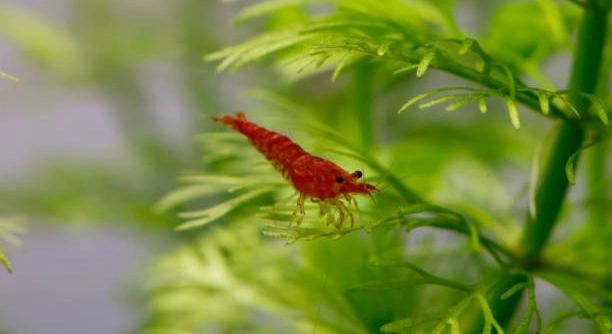
Cherry shrimp are small, colorful creatures that bring life to a freshwater tank. Observing their behavior can be fascinating, especially when they seem to avoid the bottom areas where they usually forage and hide. Their movements can feel unpredictable at times.
Cherry shrimp may avoid the bottom of the tank due to several environmental and behavioral factors. High water flow, insufficient hiding spaces, or substrate conditions can make the bottom less comfortable, prompting shrimp to spend more time in mid or upper regions.
Learning how these factors influence shrimp behavior can help create a more balanced and comfortable environment for them. Adjustments in tank setup can improve their overall well-being and activity patterns.
Water Flow and Tank Currents
Strong water flow can make the bottom of the tank uncomfortable for cherry shrimp. They prefer gentle currents where they can move freely without being pushed around. In tanks with powerful filters or pumps, shrimp often avoid the substrate because it feels unstable. Too much current can also stir up debris from the bottom, making it harder for them to forage. Shrimp use their small legs to pick at surfaces, and excessive movement can disturb them. Some shrimp may cling to plants or decorations instead of venturing to the bottom. Adjusting the flow near the substrate by adding plants or hiding spots can help. Even minor changes in the tank’s water movement can encourage shrimp to explore lower areas again. Observing how they react to different current levels is helpful. Many people notice that shrimp spend more time on mid-level surfaces until the water flow is gentle enough for comfort.
Controlling water flow near the substrate improves shrimp activity and encourages natural foraging behavior at the bottom.
Adding rocks, moss, or small plants can buffer the water current and create safe zones for shrimp. These changes provide stability and reduce stress, helping them feel secure.
Substrate Type and Comfort
Shrimp prefer soft, fine-grained substrates that are easy to walk on and forage. Rough or large gravel can make it harder for their tiny legs to move and may discourage bottom exploration.
A substrate that is too compacted or sharp can irritate shrimp, making them stay on decorations, plants, or the glass walls. Fine sand or smooth aquarium soil allows them to sift for food comfortably. Some substrates also affect water parameters, which in turn influences shrimp activity. For example, substrates that alter pH or hardness can make shrimp feel uneasy. Providing hiding spots like moss, driftwood, or small caves on the substrate encourages natural behavior and reduces stress. Over time, shrimp learn which areas feel safe. Observation is key; seeing them avoid certain spots can indicate substrate issues or poor conditions. Adjusting substrate texture and adding gentle shelters often restores bottom activity. Proper maintenance, like gentle cleaning to avoid stirring debris, helps maintain comfort while keeping the substrate appealing for shrimp exploration.
Small changes in substrate and layout can greatly influence shrimp confidence and bottom activity.
Lighting Conditions
Cherry shrimp are sensitive to bright lighting at the bottom of the tank. Intense light can make them feel exposed, pushing them to stay in shaded areas or higher regions where they feel safer. Moderate lighting helps them explore all levels of the tank comfortably.
Strong overhead lights can stress shrimp, especially during the day. If the bottom is too bright, they may cling to plants, driftwood, or decorations to hide. Providing floating plants or creating shaded zones on the substrate reduces exposure and encourages natural foraging. Some shrimp are more timid, so lighting adjustments can significantly impact how often they venture to the bottom. Reducing the intensity during feeding times also helps, as shrimp feel safer searching for food. Over time, they learn which areas are comfortable and will spend more time at the bottom once shaded zones are available. Even subtle changes in lighting placement can improve overall activity.
Lighting affects shrimp comfort, and small modifications can improve bottom activity. Observing how they respond helps maintain a balanced environment.
Tank Cleanliness and Food Availability
Debris and uneaten food can accumulate on the bottom, making it less appealing for shrimp to explore. Keeping the substrate clean encourages them to forage naturally. Regular maintenance prevents buildup and promotes healthier behavior in the tank.
Shrimp are drawn to clean substrates where they can sift for algae and biofilm. Excess waste or leftover food can create unpleasant conditions and even affect water quality. Regular gentle cleaning, using a siphon or careful vacuuming, removes detritus without disturbing shrimp too much. Providing a variety of food sources on top of and around the substrate ensures they find nutrition without stress. Moss, algae wafers, or small portions of blanched vegetables give shrimp easy access to food. Clean substrates also help prevent harmful bacteria or fungi that can form in decaying material. Observing shrimp behavior during feeding can indicate if bottom areas are safe and comfortable. Over time, maintaining cleanliness and balanced feeding supports consistent bottom activity and overall health.
Balanced feeding and proper substrate care encourage shrimp to explore the bottom confidently. Clean conditions directly influence their comfort and behavior patterns.
Hiding Spots and Decorations
Cherry shrimp rely on hiding spots for safety and comfort. Without adequate shelters, they may avoid the bottom entirely. Small caves, moss, and plants give them places to retreat while foraging.
Decorations also break up open space, reducing stress. Shrimp feel more confident exploring when they can easily access covered areas, especially near the substrate.
Water Parameters
Stable water conditions are essential for shrimp activity. Fluctuations in temperature, pH, or hardness can make them uneasy and keep them from venturing to the bottom. Consistent water quality encourages natural behavior and healthy foraging.
Monitoring levels regularly ensures they stay within safe ranges. Sudden changes can lead to hiding or reduced movement. Using gentle filtration, partial water changes, and gradual adjustments helps shrimp feel secure. Observing their behavior alongside parameter readings can indicate comfort levels. Shrimp tend to explore more confidently when the water is stable, well-oxygenated, and free of harsh chemicals or spikes. Proper water management creates a stress-free environment where bottom activity is normal, and shrimp feel safe throughout the tank.
Tank Companions
Other tank inhabitants can influence shrimp behavior. Aggressive or fast-moving fish may keep them away from the bottom, while peaceful species allow more freedom.
FAQ
Why do my cherry shrimp hide most of the time?
Cherry shrimp hide when they feel unsafe or stressed. This can happen if water flow is too strong, lighting is bright, or the substrate is uncomfortable. They also need adequate hiding spots like moss, caves, or plants. Shy behavior is natural, especially when they are adjusting to a new tank or new tankmates.
Can water temperature affect where shrimp stay?
Yes. Cherry shrimp are sensitive to sudden changes in temperature. If the water is too cold or too warm, they may avoid the bottom, which often fluctuates more quickly. Keeping a stable temperature within their preferred range, usually 72–78°F (22–26°C), helps them feel secure and explore freely.
Do substrate type and texture really matter?
Absolutely. Fine sand or smooth aquarium soil allows shrimp to forage easily and reduces stress on their tiny legs. Rough gravel or uneven surfaces can discourage bottom activity. Substrate also affects water parameters like pH and hardness, which influence shrimp comfort and behavior. Adding moss, plants, or small decorations further encourages exploration.
Could tankmates be scaring my shrimp?
Yes. Fast or aggressive fish can intimidate cherry shrimp, causing them to avoid the bottom. Peaceful species, like small tetras or snails, are better companions. Even non-aggressive tankmates can crowd the substrate or compete for food, so providing plenty of hiding spaces and spreading food around the tank helps shrimp feel safer.
How does lighting affect shrimp activity?
Bright lighting can make shrimp feel exposed, especially on the substrate. Dim or moderate lighting, combined with floating plants or shaded areas, encourages them to explore all tank levels. Some shrimp prefer mid-level plants and decorations during the day and will venture to the bottom when they feel protected or when lights are lower.
Does feeding schedule influence bottom activity?
Yes. Cherry shrimp are more likely to explore the substrate when food is available. Scattering small amounts of food across the bottom encourages foraging behavior. Uneaten food should be removed after a few hours to prevent water quality issues, which can stress shrimp and reduce bottom activity.
Can water flow be adjusted to encourage bottom exploration?
Definitely. Shrimp avoid strong currents, especially near the substrate. Adding decorations, plants, or moss can buffer flow and create calmer areas. Adjusting filter outlets or adding flow-reducing equipment also helps shrimp feel more comfortable exploring lower regions. Observation is key to find the right balance.
Are there signs my shrimp are stressed from their environment?
Yes. Shrimp that hide constantly, move frantically, or show discolored shells may be stressed. Environmental issues like poor water quality, strong currents, bright lighting, or lack of hiding spots are usually the cause. Regular monitoring of water parameters, tank layout, and shrimp behavior helps maintain a comfortable environment.
How long does it take for shrimp to feel comfortable at the bottom?
It varies. Some shrimp adjust within a few days, while others may take weeks. Providing stable water conditions, gentle flow, shaded areas, and suitable substrate speeds up the process. Gradual changes in the tank environment prevent additional stress and encourage natural behavior.
Can adding plants really change shrimp behavior?
Yes. Live plants provide both shelter and surfaces for biofilm growth, which shrimp feed on. Moss, floating plants, and dense carpeting plants make the bottom more attractive and safer. Shrimp tend to feel more confident exploring when they have plenty of plant cover and hiding spaces.
What maintenance habits help shrimp feel safe at the bottom?
Regular gentle cleaning, partial water changes, and careful removal of uneaten food support a healthy substrate. Avoiding sudden changes in water parameters or intense cleaning helps shrimp stay comfortable. Maintaining a clean, stable environment encourages natural foraging and reduces stress-related hiding behavior.
Does water chemistry play a role in bottom avoidance?
Yes. Parameters like pH, hardness, and ammonia levels impact shrimp comfort. High ammonia, sudden pH changes, or unsuitable hardness can make the bottom less inviting. Using gentle filtration, keeping parameters stable, and monitoring regularly ensures shrimp are comfortable throughout the tank.
Can shrimp behavior indicate problems in the tank?
Absolutely. Consistent avoidance of the bottom can signal water quality issues, poor flow distribution, inappropriate substrate, or unsuitable tankmates. Observing shrimp behavior alongside environmental checks helps identify and correct issues early, ensuring shrimp remain active and healthy.
Are there any quick fixes to get shrimp back to the bottom?
Small adjustments often help. Adding moss, floating plants, or caves; reducing water flow; dimming lights; and scattering food near the substrate encourage bottom activity. Ensuring stable water parameters and compatible tankmates further improves comfort. Changes should be gradual to avoid additional stress.
How do shrimp use hiding spots when foraging?
Hiding spots act as safe zones. Shrimp venture out to forage but quickly retreat when they feel threatened. Moss, small caves, and plants offer both protection and surfaces for biofilm growth. Strategically placed shelters on the substrate make shrimp more willing to explore and feed naturally.
Can lighting cycles affect bottom activity over time?
Yes. Consistent day-night cycles help shrimp regulate activity. They may prefer the bottom during lower light periods. Using timers or gradual dimming mimics natural conditions, supporting healthy exploration and reducing stress related to sudden brightness changes.
Does tank size influence shrimp comfort at the bottom?
Tank size can matter. In smaller tanks, shrimp may feel exposed if there aren’t enough hiding spots. Larger tanks require more decorations or plants to create safe zones. Proper layout ensures shrimp have accessible areas to retreat while exploring the substrate, maintaining balanced behavior throughout the tank.
Can seasonal changes in the home affect shrimp behavior?
Yes. Temperature fluctuations, lighting changes, and household activity can subtly impact shrimp comfort. Maintaining stable water conditions and consistent tank lighting helps mitigate these external influences, encouraging bottom activity even during seasonal shifts in the environment.
Is it normal for some shrimp to prefer the top or middle levels?
Yes. Individual shrimp have different temperaments. Some may naturally spend more time in mid or upper regions. Providing safe bottom zones and stable conditions usually encourages occasional exploration, but it’s normal for some shrimp to favor higher areas while foraging or resting.
How long should I observe shrimp before deciding something is wrong?
Observation over several days is best. Temporary hiding or mid-level activity can be normal. Persistent avoidance of the bottom, combined with other signs like discoloration or erratic movement, indicates a need for environmental adjustments or health checks. Consistent monitoring ensures timely action.
Are there specific foods that encourage bottom exploration?
Yes. Foods that sink slowly or stay on the substrate, like algae wafers, blanched vegetables, or shrimp-specific pellets, encourage natural foraging. Scattering small portions in multiple areas reduces competition and ensures shy shrimp can access food without stress, promoting confidence at the bottom.
Can stress from handling or moving tanks cause bottom avoidance?
Definitely. Shrimp are sensitive to disturbances. Moving them to a new tank, cleaning the tank roughly, or sudden changes in conditions can cause temporary hiding. Gradual acclimation, gentle handling, and stable conditions help shrimp regain confidence and return to normal bottom activity.
Do shrimp ever avoid the bottom permanently?
Permanent avoidance is rare. Most shrimp adjust once environmental factors are corrected. Individual temperament may influence preference for mid or upper levels, but proper substrate, stable water, gentle flow, and hiding spots usually encourage occasional or regular bottom exploration.
Can adding driftwood or stones improve bottom activity?
Yes. Driftwood and smooth stones create shelters and surfaces for biofilm growth. Shrimp use these areas as safe foraging zones. Strategic placement of decorations on the substrate improves comfort, reduces stress, and encourages natural bottom activity throughout the tank.
How important is observation in understanding shrimp behavior?
Observation is crucial. Noticing patterns like hiding, clustering, or avoiding specific areas helps identify environmental issues. Regularly watching shrimp behavior alongside checking water parameters, lighting, and tankmates ensures adjustments can be made to maintain a healthy, stress-free environment that encourages bottom activity.
Does the age of shrimp affect where they spend time in the tank?
Yes. Younger shrimp are often more cautious and prefer hiding spots near the substrate. Adults may explore more freely once they feel safe. Providing consistent conditions and hiding areas helps all life stages feel secure and encourages bottom activity as they grow.
Can overcrowding impact shrimp behavior at the bottom?
Absolutely. Overcrowded tanks lead to competition for food and space, making shrimp avoid the bottom. Adequate space, sufficient hiding spots, and proper feeding distribution reduce stress, allowing shrimp to forage naturally and explore the substrate without fear of aggression or competition.
Are there ways to slowly encourage bottom exploration?
Yes. Gradually improving substrate, reducing water flow, dimming lights, adding shelters, and scattering food near the bottom encourages shrimp to explore. Small, incremental changes allow them to adjust without stress. Monitoring responses ensures the approach is effective, leading to natural bottom activity over time.
Do certain shrimp colors or strains behave differently?
Some strains or colors may appear more timid or bold, influencing bottom activity. While personality differences exist, environmental conditions have a greater effect. Providing stable water, suitable substrate, gentle flow, and hiding spots ensures all strains feel safe enough to explore the bottom naturally.
How do I know if shrimp are stressed from water quality?
Signs include hiding constantly, erratic swimming, pale coloration, or molting issues. Testing parameters for ammonia, nitrite, nitrate, pH, and hardness helps identify problems. Correcting imbalances and maintaining stable water conditions reduces stress and encourages normal bottom activity.
Is it normal for shrimp to explore less during molting?
Yes. Shrimp often hide during and shortly after molting for protection. They may avoid the bottom or open spaces temporarily. Providing plenty of shelters and gentle conditions ensures molting shrimp remain safe and gradually return to normal bottom activity once hardened.
Can adding live food affect bottom activity?
Yes. Live foods like microworms or small daphnia encourage natural foraging. Shrimp explore the substrate to find food, increasing activity. Combining live food with suitable hiding spots and a comfortable environment supports confident bottom exploration.
Do seasonal algae blooms influence shrimp behavior?
Yes. Algae growth can provide extra food and surfaces to graze. Shrimp may spend more time at the bottom where algae accumulates. Maintaining balanced lighting, nutrient levels, and clean water supports healthy algae growth without overwhelming the substrate, encouraging natural feeding behavior.
Can substrate depth make a difference?
Yes. Very shallow or deep substrates can affect movement and foraging. A moderate depth allows shrimp to walk and sift comfortably. Combined with hiding spots, this encourages bottom activity while preventing stress from unstable or uncomfortable surfaces.
How do I balance multiple factors to encourage bottom activity?
Focus on water stability, gentle flow, moderate lighting, clean substrate, adequate hiding spots, and appropriate tankmates. Observing shrimp responses and making gradual changes helps them feel secure. Balanced care ensures consistent bottom exploration and overall well-being in the tank.
What is the most common reason shrimp avoid the bottom?
Environmental discomfort is the main reason. Strong currents, bright lighting, poor substrate, lack of hiding spots, or stressful tankmates often drive shrimp away. Adjusting these factors gradually creates a safe, comfortable space that encourages natural foraging and bottom activity consistently.
Are behavioral differences normal between shrimp in the same tank?
Yes. Individual temperament, age, and previous experiences affect how shrimp explore. Some may prefer mid-level hiding or shy behavior, while others venture freely. Providing a stable, comfortable environment allows each shrimp to act naturally while promoting occasional bottom activity.
Can temperature swings at night affect bottom activity?
Yes. Shrimp are sensitive to rapid temperature changes. Cooler or warmer water at the substrate can make them avoid it. Maintaining consistent temperature using heaters or insulation encourages exploration and reduces stress caused by nighttime fluctuations.
Do shrimp prefer natural or artificial decorations?
They respond to both, as long as decorations provide shelter and surfaces for biofilm. Driftwood, stones, moss, or even plastic caves work if placed strategically. These additions encourage bottom exploration and reduce stress by offering safe zones near the substrate.
Can pH fluctuations cause hiding behavior?
Yes. Shrimp are sensitive to pH changes. Rapid swings can cause stress and avoidance of the bottom. Keeping pH stable within their preferred range, usually 6.5–7.5, supports natural foraging behavior and overall health.
Are there signs that shrimp finally feel comfortable at the bottom?
Yes. They move confidently across the substrate, forage actively, and use hiding spots without stress. Normal coloration, frequent activity, and regular feeding behavior indicate they are comfortable and secure in their environment.
Does tank age or cycling affect bottom behavior?
Yes. New tanks may have unstable water parameters that discourage shrimp from exploring the bottom. Fully cycled, stable tanks provide a safe environment, encouraging shrimp to forage naturally and move freely across the substrate.
Can stress from frequent observation or tapping the glass affect shrimp?
Yes. Constant disturbances make shrimp hide and avoid the bottom. Observing quietly and minimizing tank tapping allows them to feel safe. Gradually, they regain confidence and resume normal bottom activity as stress decreases.
How often should I check on shrimp behavior?
Daily, briefly, is enough. Consistent observation helps identify stress, environmental issues, or behavior changes early. Over time, this ensures adjustments can be made to maintain a safe, comfortable tank where shrimp feel confident exploring the bottom.
Do shrimp prefer planted or bare areas for foraging?
Planted areas are generally preferred. Plants offer shelter, surfaces for biofilm, and break up open space. Bare areas can feel exposed unless there are hiding spots nearby. A mix encourages exploration and gives shrimp options for comfort and feeding.
How do I know if shrimp are avoiding the bottom for health reasons?
Persistent hiding, reduced feeding, molting issues, or discoloration may indicate health problems. Checking water quality, diet, and tank conditions helps identify causes. Prompt intervention ensures shrimp regain confidence and resume natural bottom activity.
Can overfeeding affect shrimp behavior?
Yes. Excess food can decay on the substrate, reducing water quality and discouraging shrimp from exploring. Feeding small amounts and removing leftovers keeps the bottom appealing for foraging while maintaining a healthy environment.
Does molting frequency impact bottom exploration?
Yes. Shrimp hide during and shortly after molting. Providing shelters on the substrate supports this behavior. Once they harden, they gradually return to normal bottom activity without stress.
Are there behavioral signs of a compatible tank setup?
Active foraging, confident movement across the substrate, regular molting, and vibrant coloration indicate shrimp feel safe. A well-designed tank with proper flow, lighting, substrate, and hiding spots promotes consistent bottom activity and overall well-being.
How long should environmental adjustments take to see results?
Gradual changes often show results in a few days to weeks. Patience is key. Observation ensures the shrimp are responding positively and prevents additional stress from rapid modifications. Stable, incremental improvements encourage consistent bottom activity.
Can seasonal temperature changes in the home affect shrimp behavior?
Yes. Even minor seasonal swings can influence water temperature, impacting comfort at the bottom. Monitoring and maintaining stable tank conditions helps shrimp remain active and confident regardless of external changes.
Are shrimp more active at certain times of the day?
Yes. They often forage during low-light periods or when the tank is quiet. Nighttime or early morning activity can be higher, especially if hiding spots and gentle flow make the bottom safe for exploration.
Do shrimp prefer horizontal or vertical surfaces for hiding?
They use both. Horizontal surfaces like the substrate or flat stones provide foraging areas, while vertical surfaces like stems or moss offer quick shelter. A combination supports natural behavior and encourages exploration throughout the tank.
How important is a stable feeding routine?
Very. Consistent feeding schedules encourage shrimp to forage confidently, including at the bottom. Irregular feeding can increase stress and make them hesitant to explore the substrate, reducing natural activity.
Can tank vibrations from pumps or household activity affect shrimp?
Yes. Strong vibrations make shrimp nervous, causing them to hide. Gentle, steady flow and stable placement of equipment minimize stress. Once vibrations are reduced, shrimp regain confidence and return to normal bottom activity.
Do shrimp recognize safe versus unsafe areas?
Yes. Through experience, they learn which areas are safe for foraging and resting. Providing consistent hiding spots, gentle flow, and stable conditions helps them develop confidence, encouraging regular exploration of the bottom.
Can tank size limit shrimp bottom activity?
Yes. Smaller tanks with little decoration or hiding spots can make shrimp feel exposed. Larger tanks require thoughtful layout with shelters and plants to support confident foraging across the substrate. Proper design ensures all shrimp feel secure.
Does water hardness influence substrate preference?
Yes. Certain shrimp strains prefer slightly softer water, which affects comfort on the substrate. Matching water hardness to shrimp needs, along with a suitable substrate, encourages bottom exploration and reduces stress.
Are shy shrimp less likely to explore the bottom?
Yes. Personality differences exist. Shy shrimp rely heavily on hiding spots and safe zones. Creating a secure substrate with shelters encourages them to gradually venture to the bottom over time.
Can the presence of biofilm on surfaces encourage bottom activity?
Absolutely. Biofilm is a natural food source. Shrimp are drawn to areas where it grows, often on the substrate or decorations. Encouraging biofilm growth with low light or live plants promotes natural foraging behavior.
How do I prevent shrimp from avoiding the bottom after cleaning?
Clean gently, avoid removing all hiding spots, and maintain substrate texture. Gradual water changes and careful siphoning prevent stress, allowing shrimp to return to normal bottom activity quickly.
Do shrimp avoid areas with poor oxygenation?
Yes. Low oxygen zones can make them leave the substrate. Ensuring proper circulation, plants, and aeration supports shrimp comfort and encourages natural foraging at the bottom.
Are there long-term strategies to encourage bottom activity?
Yes. Stable water parameters, gentle flow, adequate hiding spots, proper substrate, consistent feeding, and compatible tankmates all work together. Observing shrimp behavior and making gradual adjustments supports long-term exploration and natural bottom activity in the tank.
Can frequent tank rearrangements stress shrimp?
Yes. Changing decorations or substrate often makes shrimp cautious. Keeping a stable layout with occasional improvements allows them to feel secure and encourages regular bottom foraging.
Is it normal for some shrimp to never fully explore the bottom?
Yes. Individual differences exist. Some shrimp may prefer mid-level hiding or shy behavior. Providing safe zones and gentle conditions ensures even cautious shrimp can access parts of the substrate if needed.
Do seasonal algae blooms affect shrimp comfort?
Yes. Algae provides food but excessive growth can stress shrimp or create poor water conditions. Balanced algae growth supports foraging without discouraging bottom exploration.
Can adding floating plants help shrimp feel safer?
Yes. Floating plants create shaded areas and reduce exposure to bright light. This encourages shrimp to explore the substrate without feeling vulnerable.
Does shrimp size impact bottom exploration?
Yes. Smaller or younger shrimp often hide
Cherry shrimp are small but fascinating creatures that can bring a lot of life to a freshwater tank. Their behavior can be influenced by many subtle factors, and observing them closely can teach a lot about their needs. One of the behaviors that often puzzles people is when shrimp avoid the bottom of the tank. While it can be worrying at first, this is usually a response to environmental conditions rather than a sign of illness. Water flow, lighting, substrate type, tankmates, and hiding spots all play a role in shaping their behavior. Even the smallest details, like a piece of driftwood or a patch of moss, can make a noticeable difference in how comfortable shrimp feel exploring lower areas. Paying attention to these elements and making gradual adjustments helps shrimp feel secure, allowing them to behave more naturally over time.
Creating a comfortable tank for cherry shrimp requires patience and careful observation. Water quality is especially important, as changes in temperature, pH, or hardness can make shrimp nervous and lead them to stay away from the substrate. Gentle water flow and proper filtration reduce stress and help maintain a stable environment. The right lighting level also matters; too bright and shrimp may stick to shaded areas, too dim and they may become less active. Substrate choice is another key factor, as shrimp prefer smooth, fine-grained surfaces for foraging. Adding plants, moss, and decorations not only provides shelter but also encourages natural grazing behavior on the substrate. Even food placement affects where shrimp spend their time. Scattering small portions of food near the bottom or on moss can entice them to explore areas they may otherwise avoid. Over time, a well-maintained and thoughtfully arranged tank encourages shrimp to move confidently throughout all levels of their environment.
Behavioral differences between individual shrimp are normal and should be expected. Some may prefer mid-level hiding spots, while others feel comfortable venturing across the bottom. Observing these differences is part of understanding and caring for them effectively. Regular maintenance, including careful substrate cleaning, partial water changes, and monitoring water parameters, helps maintain a safe and healthy environment. Patience is essential, as shrimp may take days or even weeks to adjust to new conditions or rearranged decorations. Small, consistent improvements to the tank setup can have a big impact on shrimp behavior and overall well-being. By providing stable water conditions, adequate hiding spots, gentle water flow, and appropriate lighting, shrimp will gradually become more confident, making the bottom of the tank a comfortable and natural part of their habitat. Over time, these efforts result in a balanced tank where shrimp can thrive, explore, and display their full range of natural behaviors.

Hello,
If you enjoy the content that we create, please consider saying a "Thank You!" by leaving a tip.
Every little bit helps us continue crafting quality advice that supports the health, happiness, and well-being of pets around the world, for pets of all shapes, sizes, and species.
We really appreciate the kindness and support that you show us!