
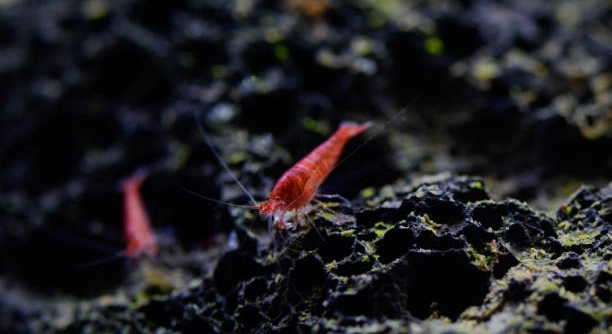
Are your cherry shrimp struggling to shed their old shells despite appearing healthy and active? Observing your shrimp closely can reveal subtle signs of stress, dietary imbalances, or environmental issues affecting their natural molting process.
The primary reason cherry shrimp fail to molt is an improper balance in water parameters, diet, or stress levels. Inadequate calcium, fluctuating pH, and insufficient hiding spaces can directly impede the shrimp’s ability to safely shed their exoskeleton.
Understanding these factors will help you create a supportive environment for successful molting and maintain the overall health of your shrimp colony.
Understanding Water Parameters
Maintaining stable water conditions is critical for cherry shrimp to molt successfully. They are sensitive to sudden changes in pH, temperature, and hardness. Ideal water should have a pH between 6.5 and 7.5, a temperature around 72-78°F, and moderate hardness levels. Frequent fluctuations can stress shrimp, slowing or stopping molting. High ammonia or nitrite levels can also be deadly, even if the shrimp appear active. Using a reliable test kit allows monitoring of these values, ensuring the tank environment supports healthy growth. Gradual water changes and careful adjustments can prevent shock. Shrimp require clean, stable water to produce the energy and nutrients needed for shedding their exoskeleton. Even small shifts can interrupt hormonal signals controlling molting. Observing shrimp behavior, such as hiding or reduced activity, can indicate water stress. Proper filtration, aeration, and regular maintenance help create a safe habitat, reducing the risk of failed molts and mortality in the shrimp colony.
Keeping water stable is the most effective way to support regular molting. Consistency is key.
Monitoring parameters regularly ensures that environmental stress does not prevent shrimp from completing their molting cycle. Maintaining a steady routine allows shrimp to grow naturally and reduces the risk of health issues related to poor water quality.
Nutrition and Molting
Balanced nutrition is essential for molting. Shrimp need sufficient calcium, minerals, and protein for new shell formation.
Feeding a varied diet with high-quality shrimp pellets, blanched vegetables, and occasional protein supplements supports exoskeleton development. Insufficient nutrients weaken the shell and delay molting. Calcium sources like cuttlebone or mineral-rich foods help strengthen shells. Overfeeding can degrade water quality, while underfeeding can cause nutrient deficiencies. Observing shrimp eating habits can indicate whether dietary needs are met. Providing constant access to biofilm, algae, and supplements ensures shrimp receive what they need without excess waste. Nutritional support works best in combination with stable water conditions, creating an environment that promotes natural growth and timely molting.
A proper diet encourages regular and successful molts while supporting shrimp health.
Ensuring shrimp receive all necessary nutrients helps prevent molting problems, shell deformities, and stress. A consistent feeding schedule combined with natural calcium sources provides long-term benefits, allowing your shrimp to grow strong shells and maintain overall vitality, ultimately enhancing their survival and lifespan in the tank.
Stress and Environmental Factors
Stress can prevent cherry shrimp from molting properly. Overcrowding, aggressive tank mates, and sudden changes in water can all contribute. Shrimp need calm, stable environments with plenty of hiding spaces to feel secure.
Providing plants, moss, and decorations gives shrimp places to retreat during vulnerable molting periods. Bright lighting, loud vibrations, or frequent disturbances can increase stress levels and interfere with natural behaviors. Even seemingly minor factors like moving equipment or cleaning the tank too aggressively can cause shrimp to halt molting. Monitoring shrimp for signs of stress, such as hiding or reduced activity, allows adjustments to their environment before serious issues occur. Creating a low-stress habitat directly supports healthy molting and overall vitality in the colony. Consistency in tank setup and handling routines helps shrimp feel safe and confident enough to shed their exoskeleton successfully.
Low-stress environments make shrimp more likely to molt regularly.
Reducing environmental stress ensures shrimp have the energy and comfort necessary for molting. Over time, consistent conditions foster stronger shells, healthier growth, and lower mortality rates, creating a thriving shrimp colony.
Hiding Spaces and Tank Setup
Hiding spaces are crucial during molting. Shrimp need cover to feel secure while shedding. Plants, moss, and small decorations provide essential protection.
Open, bare tanks leave shrimp exposed and vulnerable. Without secure spots to retreat, shrimp may delay molting or fail completely. A well-structured tank balances open swimming areas with ample hiding places. Natural materials like driftwood, leaf litter, and dense moss mats offer both shelter and surfaces for biofilm growth, which shrimp feed on. Proper arrangement ensures each shrimp has access to safe zones, reducing competition and stress. Observing how shrimp use these areas can guide adjustments, improving success rates for molts. By designing the tank to mimic natural habitats, shrimp are more likely to complete the molting process safely.
Providing secure hiding areas prevents molting interruptions and supports overall health.
A thoughtfully arranged tank enhances shrimp confidence, allowing them to focus on growth rather than survival. Over time, this reduces stress, encourages consistent molting, and promotes a stronger, more vibrant colony.
Water Changes and Stability
Frequent or large water changes can shock cherry shrimp, disrupting molting cycles. Maintaining gradual adjustments helps prevent stress and keeps parameters stable, supporting healthy growth and exoskeleton development.
Consistency in water maintenance ensures shrimp can molt without interruptions. Sudden shifts in temperature, pH, or hardness can delay shedding and affect overall health.
Observing Molting Behavior
Shrimp often hide or reduce movement before a molt. Watching these behaviors helps identify when a molt is approaching or if problems may occur.
Careful observation allows for timely interventions. If shrimp remain inactive or show unusual hiding patterns for extended periods, it may indicate stress, poor water quality, or nutritional deficiencies. Monitoring molting behaviors provides insight into overall tank health and helps maintain a supportive environment.
Common Signs of Molting Issues
Shrimp with molting problems may cling to surfaces, appear lethargic, or develop soft, discolored shells. Early detection allows for corrective action.
FAQ
Why is my cherry shrimp not molting at all?
Most often, halted molting results from stress, poor water quality, or nutritional deficiencies. Stable water parameters with a pH between 6.5 and 7.5, moderate hardness, and low ammonia levels are critical. Shrimp deprived of calcium or protein may also stop shedding. Gradual water changes and a consistent feeding routine often restore molting cycles.
How long should a molt take?
A typical cherry shrimp molt can take anywhere from a few minutes to several hours. After the actual shedding, they often remain hidden for one to two days while their new exoskeleton hardens. During this period, minimal disturbance is important to avoid stress or damage.
Can low calcium prevent molting?
Yes, calcium is essential for forming a strong exoskeleton. Lack of calcium can result in soft shells, incomplete molts, or skipped molts entirely. Providing calcium-rich foods, cuttlebone, or mineral supplements encourages proper exoskeleton development and reduces the risk of molting issues.
Do tank mates affect molting?
Aggressive or larger tank mates can stress shrimp, making them hide excessively or delay molting. Even if no attacks occur, constant pressure can prevent shrimp from feeling safe enough to shed. Creating plenty of hiding spaces and avoiding aggressive species improves molting success.
Is water temperature important for molting?
Yes, water temperature directly affects shrimp metabolism. Too low temperatures slow down physiological processes, delaying molting. Temperatures between 72 and 78°F support consistent growth and healthy molting. Sudden fluctuations can cause stress and disrupt the molting cycle.
How often should cherry shrimp molt?
Frequency depends on age and environmental conditions. Juveniles molt more frequently, sometimes weekly, while adults molt every few weeks. Proper nutrition, stable water parameters, and minimal stress contribute to regular molting patterns. Observing shrimp behavior and physical signs helps track normal cycles.
What are signs of a failed molt?
Shrimp may remain stuck in their old shell, have soft or deformed exoskeletons, or appear lethargic and inactive. Failed molts often occur due to low calcium, stress, or poor water quality. Immediate intervention by improving water conditions and providing extra minerals can reduce mortality.
Can overfeeding or underfeeding affect molting?
Both extremes can cause issues. Overfeeding degrades water quality, increasing stress and slowing molting. Underfeeding deprives shrimp of essential nutrients like protein and calcium, which are critical for exoskeleton formation. Balanced, controlled feeding supports successful molts.
Do hiding spaces really matter?
Yes, shrimp are vulnerable during molting. Hiding spots like moss, plants, or decorations provide safety, allowing them to shed without risk of predation or stress. Lack of cover can cause delayed or skipped molts, as shrimp wait for safer conditions to molt.
Is it normal for shrimp to eat their shed shells?
Yes, consuming exoskeletons is a natural behavior. The shells provide essential minerals, especially calcium, which support future molts. Allowing shrimp access to their molts contributes to stronger exoskeletons and overall health.
Can I speed up molting?
There is no way to force molting without risking health. Focus on stable water conditions, proper nutrition, and a low-stress environment. Supporting natural growth cycles ensures shrimp molt successfully over time.
What should I do if a shrimp is stuck in its molt?
Immediate attention can save the shrimp. Check water quality, provide calm surroundings, and consider adding a calcium source. Avoid handling the shrimp directly, as this can cause injury. Monitoring closely for recovery over the next 24 hours is crucial.
How do I prevent molting problems in the future?
Maintain consistent water parameters, provide a balanced diet, ensure hiding spaces, and avoid overcrowding. Regular observation and gradual adjustments create a supportive environment, allowing shrimp to molt naturally and stay healthy.
Can lighting affect molting?
Bright, constant lighting may stress shrimp, leading to delayed or skipped molts. A natural light-dark cycle, with moderate intensity, supports normal behavior and molting patterns. Consider using plants or moss to diffuse light and provide shaded areas.
Is it normal for shrimp to hide for long periods?
Extended hiding often occurs before or after molting. It is normal if water quality is good and shrimp eventually resume normal activity. Persistent hiding without molting may indicate stress, poor nutrition, or unsuitable water conditions requiring attention.
How do I know if a shrimp is ready to molt?
Signs include reduced activity, hiding more frequently, and a slightly translucent or dull appearance in the exoskeleton. Careful observation helps predict upcoming molts and ensures the shrimp remains undisturbed during this vulnerable stage.
Can water hardness affect molting?
Yes, soft water lacking minerals can delay or prevent molting. Providing moderate hardness and natural mineral supplements supports shell formation. Monitoring GH and KH levels helps maintain the right balance for healthy exoskeleton development.
Are there differences in molting between juveniles and adults?
Juveniles molt more frequently to support rapid growth, while adults molt less often. Both stages require proper nutrition, stable water, and safe environments. Recognizing these differences helps adjust care routines for optimal health at each life stage.
How can I help shrimp recover after a difficult molt?
Provide a calm environment, stable water, and easy access to biofilm and mineral-rich foods. Avoid disturbances and ensure hiding spaces are available. Recovery support strengthens the new exoskeleton and reduces the risk of further complications.
What role does biofilm play in molting?
Biofilm provides essential nutrients, including minerals and proteins, which aid shell formation. Shrimp grazing on biofilm naturally supports molting and overall health. Encouraging biofilm growth through plants and moss enhances a supportive environment for successful molts.
Is molting frequency affected by breeding?
Yes, breeding females may molt more frequently to support egg production. Extra calcium and minerals become particularly important during this period. Providing consistent water quality and nutrition helps females complete molts safely while preparing for reproduction.
Can I use supplements to encourage molting?
Mineral supplements, such as cuttlebone or specialized shrimp additives, can improve shell strength and support proper molts. Supplements should complement a balanced diet, not replace natural food sources, ensuring safe and consistent growth.
Do I need to separate molting shrimp?
Not usually, unless tank mates are aggressive. Safe hiding spaces and a low-stress environment typically suffice. Separation is only necessary if shrimp are frequently attacked or molting fails repeatedly due to external stress.
How do I know if water changes are helping or hurting?
Observe shrimp behavior after changes. If activity remains normal and molts occur on schedule, adjustments are beneficial. Sudden lethargy, hiding, or delayed molts may indicate water changes are too aggressive or rapid, requiring gentler methods.
Are there seasonal effects on molting?
Seasonal temperature shifts in unheated tanks can affect metabolism and molting frequency. Maintaining consistent temperature year-round supports stable growth and prevents delays in the molting cycle.
Can I track molting progress?
Yes, keeping a log of molts, water parameters, and feeding routines helps identify patterns or issues. Tracking progress allows timely adjustments, ensuring shrimp remain healthy and capable of regular molting.
Is it normal for some shrimp to molt earlier than others?
Yes, individual growth rates, age, and health affect timing. Variations are normal as long as water, nutrition, and stress levels are appropriate. Consistent conditions support synchronized molting over time.
How long should I wait before intervening?
Unless a shrimp is visibly stuck or showing distress, patience is key. Intervene only if prolonged inactivity, soft shells, or abnormal hiding occurs. Premature intervention can cause more harm than benefit.
Can tank size impact molting?
Overcrowded tanks increase stress and competition, delaying molting. Adequate space, hiding spots, and controlled population density help shrimp molt safely and grow without interference.
What signs indicate a healthy molt?
A successful molt results in a fully shed exoskeleton, hardened new shell, and resumed normal activity. Shrimp eat their shed shells, regain color, and return to regular behavior within a day or two.
Do I need to worry about molting in newly introduced shrimp?
New shrimp may delay molting due to acclimation stress. Providing stable water, hiding spaces, and gentle handling ensures they adjust safely before attempting their first shed.
Can poor filtration affect molting?
Yes, inefficient filtration can allow ammonia or nitrite spikes, stressing shrimp and delaying molting. Proper filtration maintains clean water and stable conditions, supporting healthy exoskeleton development.
Is molting painful for shrimp?
While shrimp are vulnerable, they do not experience pain in the human sense. Stress or predation risk can affect behavior, but the physiological process is natural and necessary for growth.
Can lighting schedules be adjusted to support molting?
Yes, maintaining a consistent day-night cycle reduces stress and encourages natural behavior. Gradually dimmed or diffused lighting can improve comfort during molting periods.
How do I handle a dead shrimp in the tank?
Remove deceased shrimp promptly to prevent water quality issues. Decay can increase ammonia levels, which stress the remaining shrimp and may interfere with their molting cycles.
Can I encourage molting through diet alone?
Diet is important but insufficient on its own. Proper water parameters, low stress, and hiding spaces are equally necessary. Combined care ensures shrimp can molt safely and regularly.
What is the most common reason for failed molts?
Failed molts usually result from stress, low calcium, or unstable water. Addressing these factors systematically prevents recurrence and promotes healthy growth.
How do I know if my shrimp are under stress?
Indicators include hiding excessively, reduced feeding, discoloration, lethargy, or abnormal swimming patterns. Stress directly affects molting frequency and overall health, requiring environmental adjustments.
Can I use plants to improve molting success?
Yes, live plants provide hiding spaces, surfaces for biofilm, and help stabilize water parameters. A planted tank naturally supports shrimp comfort, reducing stress and supporting regular molts.
Is molting affected by age?
Yes, younger shrimp molt more frequently for growth, while adults molt less often. Both require consistent care, nutrition, and low-stress environments for healthy molts.
Should I quarantine new shrimp to prevent molting issues?
Quarantining new arrivals helps prevent stress, disease, or parameter shocks. Gradual introduction to the main tank supports safe adaptation and normal molting behavior.
Can water additives interfere with molting?
Some additives, especially untested chemicals, can alter pH or hardness, causing stress or failed molts. Use products designed for shrimp and monitor parameters carefully.
Are there signs that a molt is imminent?
Shrimp may hide more, reduce activity, or show slight color changes. Observing these cues allows preparation of a safe, calm environment to support successful shedding.
Can overcrowding delay molting?
Yes, high population density increases competition for space and resources. Adequate tank size, hiding spots, and careful population management reduce stress and allow timely molts.
What should I do if a shrimp molts but doesn’t eat its shell?
Ensure sufficient calcium is available elsewhere. Some shrimp may not consume their molt every time. Providing mineral supplements or calcium-rich foods ensures proper shell formation for future molts.
Is it normal for shrimp to molt multiple times in a short period?
Juveniles can molt frequently during rapid growth phases. Adults molt less often. Multiple molts in a short period are normal if water, nutrition, and stress levels are adequate.
Can poor water circulation affect molting?
Insufficient circulation can create stagnant areas with low oxygen or waste buildup, stressing shrimp and delaying molts. Gentle, even flow improves water quality and supports regular molting behavior.
How important is tank maintenance for molting success?
Routine maintenance ensures stable water, clean surfaces, and reduced stress. Neglecting care increases risk of failed molts, illness, and mortality in shrimp colonies.
Can I help shrimp with incomplete molts?
Immediate support includes ensuring stable water, providing hiding spaces, and adding minerals. Handling should be minimal, as physical interference can cause injury or death.
Do molting patterns differ between shrimp species?
Yes, different species have unique growth rates, water requirements, and molt frequencies. Knowing species-specific needs ensures appropriate care and supports successful molts.
How do I encourage biofilm growth for molting?
Introduce plants, moss, or leaf litter to provide surfaces for biofilm. Avoid over-cleaning, which removes this natural nutrient source. Healthy biofilm supplements diet and supports shell formation.
Are there signs of calcium deficiency besides molting issues?
Soft shells, slow growth, deformities, or failed molts indicate calcium deficiency. Providing supplements or calcium-rich foods corrects deficiencies over time.
Can stress from moving the tank affect molting?
Yes, relocation can delay or prevent molting. Gradual acclimation, stable water, and minimal disturbance help shrimp recover and resume normal shedding cycles.
Is it normal for only some shrimp to molt at the same time?
Yes, individual growth, age, and health create variation. Consistent water quality, nutrition, and safe environments ensure all shrimp can complete molts successfully over time.
Can water pH swings prevent molting?
Yes, rapid changes disrupt metabolic and hormonal signals needed for molting. Maintaining a stable pH between 6.5 and 7.5 supports natural molting cycles.
How do I maintain proper mineral balance for molting?
Monitor GH and KH levels, supplement calcium as needed, and provide mineral-rich foods. Balanced minerals ensure strong exoskeleton formation and prevent molting failures.
Is it normal for shrimp to molt at night?
Yes, shrimp often molt during low-activity periods. Nighttime molts reduce stress from light or disturbances and provide a safer environment for shedding.
Can I combine all solutions to fix molting issues?
Addressing water quality, nutrition, hiding spaces, and stress simultaneously provides the best results. A comprehensive approach supports regular, healthy molts in shrimp colonies.
How long does it take for shrimp to fully recover after a molt?
Recovery typically takes one to two days. During this time, shrimp harden their new exoskeleton, regain color, and resume normal feeding and swimming behavior.
Are there long-term effects of repeated failed molts?
Yes, repeated failed molts weaken shrimp, cause deformities, and increase mortality risk. Preventing issues through stable care practices is essential for colony longevity.
Can adding new plants or decorations affect molting?
Yes, sudden changes can stress shrimp. Introducing items gradually ensures adaptation without disrupting molting behavior or overall health.
Is it normal for shrimp to molt more frequently after a water change?
If conditions improve, shrimp may molt sooner. Stable water, improved nutrition, and low stress create an environment that supports regular shedding.
Can I rely on commercial shrimp foods alone?
No, while pellets provide basic nutrition, supplementing with natural foods and mineral sources ensures strong exoskeletons and successful molts.
Do breeding females require special care for molting?
Yes, females need extra calcium and hiding spaces. Adequate nutrition and stress-free environments allow safe molts during reproductive cycles.
Can I track water parameters to predict molting issues?
Monitoring GH, KH, pH, ammonia, nitrite, and nitrate levels helps identify conditions that may delay or prevent molts. Maintaining stable parameters supports predictable, healthy shedding patterns.
Are there warning signs of molting stress I should watch for?
Lethargy, hiding excessively, soft shells, and abnormal swimming indicate stress. Addressing water, nutrition, and environmental factors reduces risk and promotes successful molts.
Can I use aquarium supplements to improve shell hardness?
Yes, calcium and mineral additives strengthen exoskeletons. Combine with balanced nutrition and stable water for the best results in supporting molting.
Is it normal for shrimp to molt and hide for several days?
Yes, hiding while the new shell hardens is normal. Ensure water quality and hiding spaces are adequate, and limit disturbances during this vulnerable period.
Can water hardness changes cause skipped molts?
Yes, soft water lacking minerals can prevent or delay molts. Adjusting GH and KH levels and providing mineral supplements supports proper exoskeleton formation and regular molting.
Do all shrimp in a tank molt at the same time?
No, molting schedules vary by age, size, and health. Individual differences are normal, and a stable environment ensures each shrimp can molt safely when ready.
How do I prevent stress during molting periods?
Minimize disturbances, maintain stable water parameters, provide hiding spots, and avoid aggressive tank mates. Calm conditions allow shrimp to focus on shedding without interruption.
Can lighting intensity affect molting success?
Excessively bright lighting can stress shrimp, causing delayed or failed molts. Moderate light with shaded areas supports natural behavior and safer shedding.
Are there signs that shrimp are ready to eat after molting?
Once shells harden, shrimp resume normal swimming and feeding behavior. Observing activity and color recovery helps determine when they are ready to eat.
Can I help shrimp with soft shells?
Provide calcium-rich foods, mineral supplements, and maintain stable water. Gentle conditions support shell hardening and reduce the risk of failed molts.
Do I need to adjust feeding during molting?
Yes, offering easy-to-digest, mineral-rich foods before and after molting supports exoskeleton formation and recovery. Avoid overfeeding to prevent water quality issues.
How often should I test water for molting health?
Regular weekly testing of pH, GH, KH, ammonia, nitrite, and nitrate ensures conditions remain optimal for molting. Frequent monitoring allows early correction of issues that could interfere with shedding.
What is the best way to support juvenile shrimp molting?
Provide stable water, abundant hiding spots, biofilm-rich surfaces, and a nutrient-dense diet. Juveniles molt more frequently and need consistent care to grow strong, healthy exoskeletons.
Can tank size influence juvenile molting?
Yes, overcrowding increases stress and slows growth. Adequate space ensures juveniles can molt safely, reducing competition and promoting healthy development.
How do I know if molting delays are due to nutrition?
Check for soft shells, slow growth, and incomplete molts. If water parameters are stable, improving diet with calcium, protein, and mineral-rich foods usually resolves the issue.
Can I remove uneaten food during molting periods?
Yes, uneaten food can degrade water quality. Removing leftovers reduces ammonia buildup and supports a stable environment, promoting successful molts.
Do temperature swings affect juvenile shrimp more than adults?
Yes, juveniles are more sensitive. Consistent temperatures help them molt regularly, grow faster, and reduce stress-related failures during exoskeleton shedding.
Are there natural signs to predict a successful molt?
Shrimp becoming
Final Thoughts
Molting is a natural and essential process for cherry shrimp. It allows them to grow, renew their exoskeleton, and maintain overall health. Observing the molting behavior of your shrimp can provide insight into their well-being and the quality of the tank environment. Regular, successful molts are often a reflection of stable water conditions, proper nutrition, and low-stress surroundings. It is important to remember that shrimp are sensitive creatures. Even small changes in water parameters, temperature, or the presence of aggressive tank mates can disrupt their molting cycles. Maintaining consistency in care practices reduces stress and encourages regular shedding, which contributes to the long-term health of your shrimp colony.
Providing a balanced diet is equally important. Cherry shrimp need calcium, minerals, and protein to form a strong exoskeleton. Supplementing their diet with high-quality shrimp pellets, blanched vegetables, and occasional protein-rich foods helps meet their nutritional requirements. Natural sources like biofilm and algae also play a crucial role in supporting molting and overall vitality. While it may be tempting to try quick fixes, focusing on steady, long-term improvements in nutrition is more effective. Additionally, offering ample hiding spaces with plants, moss, or decorations gives shrimp the security they need during vulnerable molting periods. Shrimp are more likely to molt successfully when they feel safe, and observing their behavior can help identify areas of the tank that may require adjustments.
Patience and careful monitoring are key for maintaining a healthy shrimp tank. Molting may vary among individuals due to age, health, or natural growth rates, so not every shrimp will shed at the same time. Paying attention to signs of stress, abnormal hiding, or soft shells can prevent more serious problems. Routine water testing, controlled feeding, and proper tank setup all work together to create an environment conducive to successful molting. Over time, a stable and well-managed habitat encourages consistent growth, reduces the risk of failed molts, and supports the overall health of the shrimp population. By focusing on these factors and making gradual, informed adjustments, it is possible to create a thriving environment where your cherry shrimp can grow safely and maintain strong, healthy exoskeletons.

Hello,
If you enjoy the content that we create, please consider saying a "Thank You!" by leaving a tip.
Every little bit helps us continue crafting quality advice that supports the health, happiness, and well-being of pets around the world, for pets of all shapes, sizes, and species.
We really appreciate the kindness and support that you show us!