
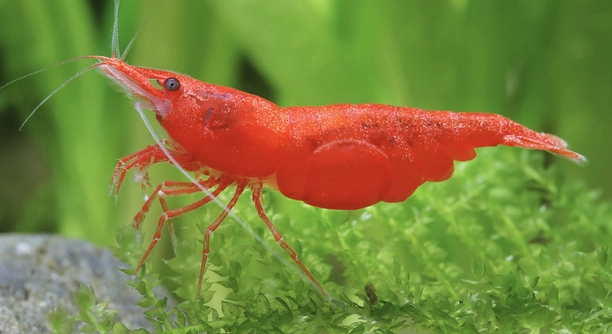
Have you ever wondered why your cherry shrimp seem to disappear for most of the day, leaving you staring at an empty tank? It can feel a bit confusing when they stay out of view.
Cherry shrimp often hide due to environmental stress, inadequate water parameters, or the presence of potential predators. These conditions affect their comfort and trigger instinctive avoidance behaviors, leading them to seek shelter throughout the day to maintain safety and stability.
Exploring these habits helps you understand their behavior better, offering ways to create a calmer space they feel safe in.
Reasons They Hide
Cherry shrimp tend to hide when their surroundings feel unsettling, and understanding these triggers can make caring for them feel a little easier. Many times they slip behind plants or decorations because the tank is too bright, the water parameters shift, or the flow becomes stronger than they like. They react to these changes quickly, so small issues can make them withdraw. When a tank is new or has been cleaned recently, they also take time to settle again. Even peaceful fish can make them uncertain, and they retreat to stay safe until they feel comfortable. Food shortages or limited hiding spots can add to their stress. When these conditions build up together, they rely on instinct and stay tucked away for long stretches. Recognizing these factors helps you adjust your setup in a gentle, steady way that makes them feel secure and ready to come out more often daily.
Once you identify what affects their comfort, it becomes simpler to guide them toward feeling at ease. Small adjustments like softer lighting, steady water quality, and safe spaces help them relax. These shifts encourage them to move around more freely without staying hidden for most of the day at times.
Helping your shrimp feel settled is mostly about staying consistent and giving them a space that suits their natural habits. Gentle lighting, steady temperature, and stable water conditions keep them relaxed. Plenty of plants, moss, and small shelters also support their confidence. When they know they can retreat easily, they start exploring more often. Feeding them a balanced diet and avoiding sudden changes in the tank makes a noticeable difference in their activity. Over time, these efforts create an environment where they feel secure enough to be seen more frequently, letting you enjoy their small movements and colors each day.
Environmental Factors to Consider
Many hiding behaviors begin with small changes in the tank that shrimp react to quickly. Light intensity, temperature shifts, or water quality problems can influence how safe they feel. Keeping these elements steady gives them the confidence to explore without pulling away from open areas in their daily tank routine.
Managing the tank environment with care is essential for keeping cherry shrimp comfortable enough to stay visible throughout the day. They respond strongly to shifts in water parameters, so keeping ammonia at zero, nitrates low, and pH stable helps them feel secure. Frequent fluctuations make them withdraw, especially when the tank is small or newly established. Temperature swings can also unsettle them, and maintaining a steady range prevents unnecessary stress. Light that is too harsh causes them to retreat, so using softer illumination and providing shaded areas with plants can make a big difference. Strong currents may push them into hiding spots, and adjusting the filter flow to a gentler level often encourages them to move around more freely. Tank mates also influence how they behave, even if the fish seem calm at first. Shrimp take longer to build confidence, and choosing peaceful companions helps reduce tension. Adding plenty of plants, moss, and secure shelters gives them places to rest without feeling pressured to stay hidden. When the environment stays consistent, they gradually begin to trust the space, allowing them to appear more often throughout the day.
Common Stress Triggers
Cherry shrimp pull back into hiding when their surroundings shift too quickly. Sudden movements around the tank, loud noises, or frequent adjustments to their setup make them feel unsettled. They react fast to disruptions, so even small changes can influence how long they stay tucked away.
Stable conditions make a noticeable difference in how often they come out. When the tank avoids sudden fluctuations, they move with more confidence. Regular maintenance that keeps parameters steady helps them feel safe. Avoiding abrupt changes in lighting or temperature prevents unnecessary stress. Even their diet plays a role, as irregular feeding schedules can make them retreat. By keeping routines predictable and gentle, you create a space where they feel secure enough to explore without hesitation. This kind of consistency slowly reduces their need to disappear for long stretches during the day.
Tank mates also influence how stressed they feel. Fish that move quickly or hover near them can push them into hiding even if they never show aggression. Shrimp respond to body language more than obvious threats, so choosing calm companions helps prevent tension. When paired with slow moving or small species, they settle in more comfortably. Providing dense plants and moss gives them extra places to rest when they feel uncertain. Over time, these small adjustments help them trust their space and show themselves more often, leaving you with a tank that feels more active and peaceful.
How Tank Setup Affects Visibility
A cluttered or poorly arranged tank can limit how safe they feel, making them use hiding spots more often. When they lack shaded areas or stable surfaces, they struggle to relax. A balanced layout encourages them to explore without constantly retreating behind decorations.
Soft lighting and thoughtful placement of shelters help improve their visibility. Plants like moss and floating greenery create natural coverage that mimics their preferred surroundings. Shrimp thrive when they can move between open areas and shaded zones without feeling exposed. A gentle water flow keeps them comfortable, allowing them to forage more freely. Smooth substrate and stable decorations prevent disruptions that cause them to hide. When everything remains calm and predictable, they gain confidence and spend more time out in the open.
The Role of Tank Mates
Cherry shrimp stay hidden more often when they share their space with active or curious fish. Even fish that seem peaceful can make them uneasy if they hover too close. Choosing slower species and providing plenty of cover helps them feel safe enough to appear.
Some fish nip at shrimp or compete for food, which increases their stress. When they feel pressured during feeding, they retreat to avoid conflict. Keeping them with gentle companions and offering extra hiding spots encourages them to move more freely and show themselves throughout the day.
Water Quality and Stability
Cherry shrimp depend on steady water conditions to stay comfortable and active. Fluctuating parameters push them into hiding quickly, especially when ammonia or nitrites appear. Regular water testing helps you catch issues early. Stable pH, low nitrates, and gentle temperature shifts keep them relaxed enough to explore. Clean filtration that doesn’t create strong currents also supports their confidence. When their environment remains predictable, they spend less time tucked away and more time grazing, climbing, and interacting with their surroundings in a calm and steady rhythm.
Importance of Safe Hiding Spots
Having enough shelters helps them feel secure without staying hidden all day. When they know they can retreat quickly, they actually explore more often. Plants, moss, and small caves give them comfort, making them confident enough to come out regularly.
FAQ
Why are my cherry shrimp hiding all the time?
Cherry shrimp hide primarily because they feel unsafe or stressed. Changes in water quality, temperature fluctuations, strong currents, or overly bright lighting can all make them retreat. Even subtle disturbances, like new tank decorations or fish movement, trigger their instinct to seek shelter. Providing stable conditions and plenty of plants or moss helps them feel comfortable enough to explore.
Is it normal for cherry shrimp to hide during the day?
Yes, cherry shrimp are naturally shy and often more active at night. Daytime hiding is common, especially if the tank is brightly lit or there are frequent disturbances around the aquarium. As long as they are eating and occasionally moving, hiding during the day is not a sign of illness.
Can stress cause shrimp to stop eating?
Absolutely. When stressed, cherry shrimp may hide and avoid food. Stress can come from poor water quality, aggressive tank mates, or sudden environmental changes. Ensuring stable parameters and quiet surroundings encourages them to resume regular feeding. Providing frequent but small meals can help them feel safe enough to eat.
How do I make my shrimp feel safe?
Shrimp feel safest with plenty of hiding spots like moss, plants, or small caves. Gentle water flow, soft lighting, and stable temperature also reduce stress. Avoid sudden changes in the tank and keep tank mates calm and slow-moving. Over time, consistent conditions encourage them to explore more frequently.
Do tank mates affect shrimp behavior?
Yes. Active or curious fish, even if not aggressive, can scare cherry shrimp into hiding. Fish that nip or hover nearby increase stress. Choosing peaceful, slow-moving tank mates and adding dense plant coverage allows shrimp to feel secure and move freely without constant hiding.
How long do shrimp typically stay hidden?
The amount of time varies depending on their comfort level. Newly introduced shrimp or stressed individuals may hide most of the day. With stable water parameters, proper hiding spots, and minimal disturbances, they gradually start spending more time visible, feeding, and exploring the tank.
Can water quality make shrimp hide?
Poor water quality is a major reason for hiding. High ammonia, nitrites, or sudden pH changes stress them and force them into shelter. Regular testing, partial water changes, and careful filtration help maintain safe conditions, which encourages them to leave hiding spots.
Will adding more plants reduce hiding?
Yes. Dense plants and moss give shrimp confidence to move around while still having places to retreat. Floating plants provide shade and reduce light intensity, making the environment more comfortable. More cover often means shrimp will spend less time hidden and more time exploring.
How do I know if hiding is a health issue?
If shrimp remain hidden, stop eating, show color changes, or appear lethargic, these are signs of potential health problems. Stress alone may cause hiding, but prolonged inactivity combined with other symptoms should be addressed by checking water quality, tank setup, and considering possible diseases.
Does lighting affect their hiding habits?
Yes, lighting strongly influences shrimp activity. Too much bright light can make them feel exposed and push them into hiding. Using dimmer lights or creating shaded areas allows them to move more freely during the day, reducing constant hiding.
How long does it take for shrimp to adjust to a new tank?
Adjustment depends on the shrimp and the tank conditions. Many shrimp hide for several days to weeks until they feel secure. Providing stable water parameters, gentle water flow, and safe hiding spots helps speed up this acclimation period.
Can feeding habits change hiding behavior?
Yes. Regular and predictable feeding encourages shrimp to leave hiding spots. Small portions at consistent times make them feel safe to venture out, while irregular or excessive feeding can either attract competition or leave them unsure when it’s safe to emerge.
Do shrimp hide more in small tanks?
Smaller tanks can make shrimp feel exposed, especially without enough cover. Providing plants, moss, and hiding structures compensates for the limited space and reduces stress, encouraging them to explore rather than staying hidden constantly.
Is it okay if I never see my shrimp during the day?
It can be normal, especially in brightly lit or busy tanks. As long as they are eating, molting, and reproducing, day hiding is natural. Ensuring stable conditions and enough cover gradually helps them appear more often.
How can I encourage them to be more visible?
Stable water parameters, gentle lighting, dense plants, moss, and safe hiding spots are key. Avoid sudden movements or loud noises near the tank. Over time, they learn the environment is safe and spend more time out in the open, showing their natural behaviors and colors.
Cherry shrimp are small, delicate creatures that rely heavily on their environment to feel safe. Their tendency to hide for long periods is a natural behavior, especially when they sense stress or discomfort. Many factors influence how often they are visible, from water quality to tank mates and lighting. Even minor changes can make them retreat to shelters, moss, or behind plants. Understanding their habits is the first step in helping them feel more comfortable. When they feel safe, they move more freely, explore their surroundings, and show their vibrant colors. Patience is important because these changes do not happen overnight, and shrimp need time to adjust to a calm and stable environment.
Maintaining stable water parameters is one of the most effective ways to reduce hiding. Ammonia, nitrite, and nitrate levels should be monitored regularly, and temperature fluctuations should be minimized. Sudden changes in pH or hardness can also stress shrimp, prompting them to hide more often. A clean filter and gentle water flow help maintain stability, and partial water changes done carefully can prevent spikes in harmful substances. Beyond water quality, creating plenty of hiding spots is essential. Plants, moss, caves, and other decorations give shrimp places to feel secure without feeling trapped. When they know they can retreat at any moment, they are more likely to venture into open areas and interact with their environment naturally.
Consistency in feeding and daily care also affects their behavior. Providing small, regular meals ensures that shrimp feel safe enough to leave their hiding spots to feed. Avoid overcrowding or introducing fast, curious tank mates that may intimidate them. Gradual adjustments to the tank, such as slowly introducing new plants or decorations, reduce stress and give shrimp time to acclimate. Lighting plays a role as well, and softer illumination or shaded areas can encourage more activity during the day. Over time, when the tank environment is predictable and safe, shrimp begin to trust their surroundings. They spend more time out in the open, showing their personalities and natural behaviors. Caring for cherry shrimp is about balancing stability, security, and comfort, which gradually reduces hiding and allows them to thrive in a healthy, peaceful tank.

Hello,
If you enjoy the content that we create, please consider saying a "Thank You!" by leaving a tip.
Every little bit helps us continue crafting quality advice that supports the health, happiness, and well-being of pets around the world, for pets of all shapes, sizes, and species.
We really appreciate the kindness and support that you show us!