
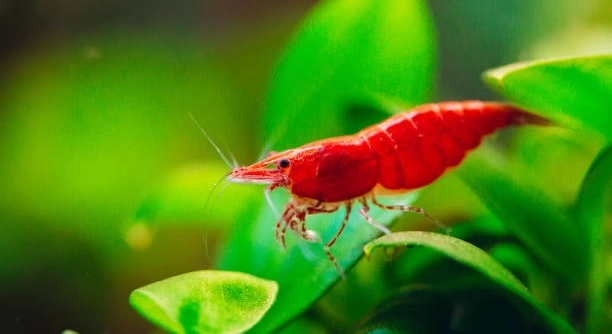
Cherry shrimp are small, delicate creatures that bring color and life to aquariums. Observing their behavior can be fascinating, especially as they interact with plants, rocks, and other tank elements in their environment.
Cherry shrimp can detect changes in tank layout, though their reactions are subtle. They adjust movement patterns and hiding behaviors based on new structures, showing sensitivity to alterations without experiencing significant stress in most cases.
Understanding how tank changes affect them can improve their comfort and activity levels, ensuring a healthier, more engaging environment for these tiny freshwater pets.
How Cherry Shrimp React to New Tank Elements
When I first changed the layout in my tank, I noticed my cherry shrimp exploring every new corner. They tend to approach new decorations slowly, pausing often to examine surfaces. Their antennae move constantly, sensing changes in the environment. Plants, rocks, or small hiding spots attract their attention, and they will often crawl over or around these items multiple times before settling. This cautious behavior is normal. Shrimp rely on familiar areas for safety, so any sudden rearrangement can initially make them more hesitant to swim in open spaces. Observing them adjust to new layouts is interesting because it shows how sensitive they are to environmental changes. Over the first few days, most shrimp return to their usual activity levels. Lighting, water flow, and surface textures all influence how quickly they adapt, making it important to monitor their behavior after modifications.
Most cherry shrimp adapt within a few days, showing normal movement and feeding patterns again.
Even small layout changes, like moving a rock or adding moss, can affect their behavior temporarily. Shrimp may hide more or stay near the tank bottom until they feel safe. These adjustments are natural and typically do not cause long-term stress. Regular observation helps ensure they are comfortable and healthy after rearrangements. By paying attention to these subtle cues, you can create an environment where they remain active, feeding well, and interacting with the tank naturally. Maintaining consistency in water parameters alongside gradual changes can also ease adaptation, making tank updates smoother for these sensitive invertebrates.
Tips for Smooth Layout Changes
Introduce new objects slowly, giving shrimp time to explore without sudden exposure.
Start with minor rearrangements before larger modifications. Gradually move decorations and plants, and observe shrimp reactions closely. Avoid overcrowding areas with sharp or unstable items, which can cause stress or injury. Adding hiding spots in the new layout encourages confidence and reduces hesitation. Water parameters should remain stable throughout the process, as changes in temperature, pH, or flow can worsen stress when combined with layout shifts. Feeding during exploration can help shrimp associate the new layout with safety and food, improving adaptation. Patience is key, as rushing changes can lead to prolonged hiding or reduced activity. By planning changes carefully, you help shrimp remain comfortable while keeping the tank visually interesting and dynamic. Consistent monitoring ensures any unexpected behavior is addressed promptly, supporting shrimp health and overall tank harmony.
Observing Stress Indicators
Shrimp may show subtle signs of stress after a layout change. Hiding more than usual, reduced feeding, or staying near tank edges are common indicators. Quick recognition helps prevent prolonged discomfort and ensures adjustments can be made to restore their comfort.
Stress responses often appear in behavior rather than appearance. Shrimp might retreat to hiding spots, avoid open areas, or move less frequently. These behaviors signal that they are assessing their new environment and determining where it feels safe. Some may explore cautiously at first, while others remain hidden for longer periods. Observing patterns over several days helps distinguish temporary adaptation from ongoing stress, allowing for timely intervention if necessary.
Monitoring water quality is also essential when assessing stress. Even small fluctuations in temperature, pH, or ammonia can worsen stress in addition to layout changes. Providing familiar plants or moss near new objects helps shrimp feel secure. Gradual introductions of decorations or rearrangements reduce anxiety. Maintaining stable feeding routines, clean substrate, and minimal sudden disturbances can further support shrimp recovery. Consistent observation and minor adjustments ensure shrimp regain normal activity and display healthy behaviors more quickly.
Encouraging Exploration
Placing familiar items near new decorations can make shrimp more willing to explore. Hiding spots combined with gentle currents help them feel safe while investigating changes.
Shrimp are naturally cautious, so encouraging exploration requires patience. Adding small moss patches or rocks near new areas gives them security. Over time, they learn that the altered layout is safe, gradually increasing movement and activity. Feeding near new decorations can further entice shrimp to explore without fear. Observation allows adjustments if shrimp seem reluctant, such as rearranging objects slightly or providing additional shelters. The goal is to balance novelty with comfort to maintain their natural behaviors and overall health in the tank.
Gradual changes improve confidence and reduce prolonged hiding. Start with minor shifts, then slowly introduce larger changes once shrimp show comfort. Observing their movement patterns helps identify areas that may need more security or gentle current adjustments. Encouraging safe exploration also enhances tank engagement and activity levels, which supports healthy feeding and interaction. Patience and careful monitoring ensure shrimp adapt at their own pace, reducing stress and promoting long-term well-being. Consistency in water parameters alongside these adjustments strengthens their comfort in the modified environment.
Minimal Disturbances
Keeping tank activity low during layout changes helps shrimp adjust more quickly. Loud noises, sudden movements, or rapid rearrangements can increase stress and cause prolonged hiding.
Frequent observation without interference is ideal. Watch their behavior from a distance and avoid tapping the glass or moving decorations abruptly. This creates a calm environment where shrimp can explore safely and regain normal activity at their own pace.
Using Plants and Hiding Spots
Plants and small hiding spots are essential for comfort after layout changes. They provide security and areas to retreat while shrimp assess new surroundings. Dense moss, rocks, or driftwood near new decorations encourage confidence. Shrimp often explore gradually, returning to familiar spots between excursions. This method reduces stress and supports natural behaviors, helping them adapt faster. Consistent feeding near these shelters can further encourage exploration. By creating multiple secure zones, shrimp can move freely while maintaining safety, making layout transitions smoother and supporting healthy activity patterns.
Patience and Monitoring
Allow several days for shrimp to adjust fully. Observe their behavior closely for signs of ongoing stress.
FAQ
Do cherry shrimp get stressed from tank changes?
Yes, cherry shrimp can show mild stress when their tank layout changes. Signs include hiding more than usual, reduced movement, or staying near the edges of the tank. Stress is usually temporary if changes are gradual and water conditions remain stable. Providing familiar hiding spots helps them feel secure.
How long does it take for shrimp to adjust to a new layout?
Adjustment time varies depending on the individual shrimp and the extent of the change. Minor rearrangements may be tolerated within a day or two. Larger changes, such as adding new plants or decorations, can take several days for shrimp to feel fully comfortable. Observation is key during this period.
Should I move all decorations at once or gradually?
Gradual changes are best. Moving everything at once can cause prolonged hiding and stress. Introduce new decorations or shift existing ones slowly, monitoring shrimp behavior. This allows them to explore new areas without feeling threatened and maintains normal feeding and activity patterns.
Do shrimp recognize familiar areas in the tank?
Yes, shrimp develop memory of certain areas over time. They return to familiar hiding spots and feeding zones, especially after layout changes. Maintaining a few consistent elements, like favorite moss or rocks, provides a sense of stability and encourages exploration of newly arranged areas.
Can stress from layout changes affect shrimp health?
Temporary stress typically does not cause lasting harm if water quality is stable. However, prolonged stress can reduce feeding, weaken the immune system, and slow growth or molting. Ensuring consistent water parameters, stable temperature, and safe hiding spots reduces the risk of health problems.
Is it normal for shrimp to hide a lot after rearranging the tank?
Yes, hiding is a natural response. Cherry shrimp assess safety in new areas before exploring fully. They often peek out from moss or behind rocks, gradually becoming more active as they feel secure. Frequent observation helps confirm they are slowly adjusting.
How can I encourage shrimp to explore a new layout?
Adding moss, rocks, or small plants near new decorations encourages movement. Feeding near these areas also motivates them to venture out. Gentle water flow and minimal disturbances create a safe environment, making exploration less intimidating. Gradual introduction of new elements works best.
Do shrimp react differently to large versus small changes?
Yes, larger changes such as new plants or rearranging multiple decorations at once can cause more hesitation and hiding. Small adjustments, like moving a single rock or moss patch, are usually tolerated quickly. Gradual changes minimize stress and maintain normal behaviors.
Will shrimp eventually ignore new decorations?
Most shrimp explore and then settle around new elements once they feel safe. Over time, decorations become part of their routine, and they will return to previous patterns of hiding, feeding, and swimming, treating the new layout as familiar.
Can I rearrange the tank while shrimp are active?
It’s better to rearrange decorations when shrimp are less active, such as during low-light periods. Minimizing disturbance while they are exploring helps reduce stress and encourages smoother adaptation. Always monitor their behavior afterward to ensure they return to normal activity.
How important is water quality during changes?
Water quality is crucial. Even minor fluctuations in temperature, pH, or ammonia levels can intensify stress from layout changes. Keeping parameters stable ensures shrimp adjust safely and reduces the risk of health issues while exploring new areas.
Should I remove shrimp before rearranging the tank?
Removing shrimp is usually unnecessary and can add extra stress. Gentle, gradual rearrangements allow them to adapt in place. Only consider temporary relocation if large, potentially dangerous decorations are being added. Ensuring a calm and steady process is safer for shrimp.
How can I tell if a shrimp is not adapting well?
Persistent hiding, refusal to feed, or erratic swimming after several days may indicate difficulty adjusting. Check water parameters and consider adding additional hiding spots. Monitoring for physical signs like discoloration or slowed molting can help catch early stress-related problems.
Can adding new shrimp affect adaptation to a changed layout?
Introducing new shrimp during or immediately after a layout change may increase stress for all individuals. It’s best to let existing shrimp adapt first before adding newcomers, allowing them to explore safely without additional competition or stress.
Is it safe to change tank layout frequently?
Frequent major changes are not recommended, as repeated disruption can cause ongoing stress. Occasional minor rearrangements are fine, especially if gradual. Providing consistent water conditions and hiding spaces helps shrimp maintain comfort while keeping the tank visually interesting.
Cherry shrimp are small but surprisingly observant creatures. Even minor changes in their environment can capture their attention and alter their behavior. When a tank layout is changed, shrimp often react by exploring cautiously, hiding more than usual, or shifting their usual swimming patterns. This is not unusual, as shrimp rely on familiar spaces for safety. By noticing these behaviors, we can understand how sensitive they are to environmental changes. Observing them during and after rearrangements helps ensure their comfort and allows us to provide a stable, safe habitat. While they may appear timid initially, most shrimp gradually return to normal activity once they feel secure in their updated environment. Their responses are subtle, but they reveal a lot about their need for stability combined with occasional enrichment.
Maintaining a calm, consistent environment is crucial when altering the tank. Sudden or major changes can prolong stress, while gradual adjustments allow shrimp to explore at their own pace. Using familiar plants, moss, or hiding spots near new decorations gives them a sense of safety, encouraging gradual movement and confidence. Feeding near new areas can further promote exploration without fear. Water quality should always be monitored closely, as even minor fluctuations can increase stress when combined with layout changes. Observing shrimp behavior over the first few days helps distinguish between normal cautious exploration and signs of ongoing stress. Patience is essential, as forcing or rushing shrimp into new spaces can lead to prolonged hiding, reduced feeding, or erratic swimming. By taking a careful, gradual approach, we ensure that shrimp feel comfortable while the tank remains visually interesting.
Over time, cherry shrimp adapt well to their surroundings, even with occasional rearrangements. They learn to recognize familiar hiding spots, explore new areas, and return to normal feeding and activity patterns. Understanding their behavior during these changes helps us create an environment that balances stimulation with safety. Minor adjustments to tank layout can provide enrichment, encouraging natural behaviors without causing undue stress. Careful observation, patience, and attention to water quality are key to successful adaptation. Providing multiple secure areas and keeping changes gradual ensures shrimp remain healthy, confident, and active. Their adaptability demonstrates how small, thoughtful efforts in tank management can significantly enhance their well-being, making the tank a thriving and harmonious habitat.

Hello,
If you enjoy the content that we create, please consider saying a "Thank You!" by leaving a tip.
Every little bit helps us continue crafting quality advice that supports the health, happiness, and well-being of pets around the world, for pets of all shapes, sizes, and species.
We really appreciate the kindness and support that you show us!