
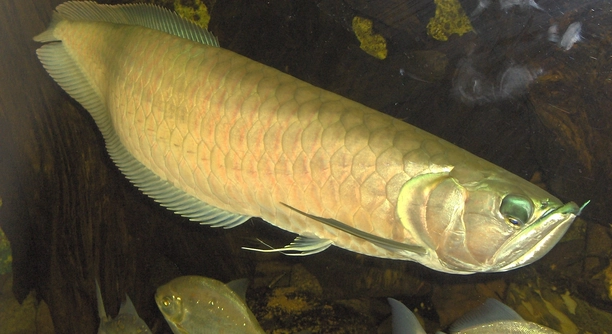
Is your arowana suddenly resting at the bottom of its tank, showing little interest in swimming around? Many fish owners notice this change and feel concerned, unsure what might be causing this sudden shift in behavior.
Arowanas may stop swimming actively due to water quality issues, sudden temperature changes, stress, or illness. Identifying the cause requires examining the tank environment, diet, and overall health to ensure the fish’s safety and well-being.
Observing these early signs can prevent serious problems and help maintain arowanas’ health for the long term.
Common Reasons for Arowana Inactivity
A sudden change in swimming patterns often points to environmental stress. Water parameters like temperature, pH, and ammonia levels directly affect an arowana’s behavior. Even slight fluctuations can cause the fish to stay near the bottom or hide. Poor water circulation or inadequate oxygen levels can further limit movement. Stress may also arise from overcrowding, aggressive tank mates, or recent changes in the tank setup. Feeding habits impact activity too. Overfeeding can lead to bloating, lethargy, and reduced swimming. On the other hand, irregular feeding or low-quality food can weaken the fish and lower energy levels. Monitoring the tank and the fish daily helps detect early signs of stress or illness. Small adjustments in water conditions, careful observation, and consistent feeding can restore natural activity.
Water quality is often the most immediate factor affecting swimming patterns. Regular checks help maintain a safe environment.
Addressing these factors involves testing water frequently, maintaining a stable temperature, and providing clean, oxygenated water. Using a reliable filtration system and performing partial water changes helps reduce toxins. Adjusting the tank layout to reduce stress and providing a balanced diet can improve health and swimming behavior. Observing your arowana’s daily routine allows you to spot subtle changes before they escalate. A combination of proper care, environmental consistency, and attention to feeding ensures the fish remains active and healthy.
Signs of Illness or Injury
Visible changes in appearance often indicate health problems. Fin damage, swelling, or discoloration should be noted immediately.
Illnesses such as bacterial infections, parasites, or internal issues can reduce swimming. Infections often show as lethargy, loss of appetite, or unusual posture. Physical injuries from collisions or aggressive tank mates can also limit movement. Treating illness requires timely diagnosis, appropriate medication, and sometimes isolation to prevent spread. Observation is key to early intervention. Regular tank maintenance reduces infection risk and keeps the arowana active.
Monitoring behavior and appearance closely helps catch early signs of disease. Treatments vary depending on the problem but often include medication, isolation, or dietary changes. Early action can prevent serious complications and restore normal activity. Keeping the tank clean, maintaining water parameters, and observing feeding habits minimize stress and disease. If your arowana shows persistent inactivity, consulting a veterinarian or aquatic specialist ensures accurate diagnosis and proper care. Preventative measures, such as regular health checks and a stable environment, are essential to maintaining long-term well-being. Proper attention and timely intervention can make a significant difference in your fish’s recovery and overall vitality.
Adjusting Water Conditions
Maintaining stable water temperature and quality is essential. Sudden changes can stress an arowana, making it less active. Regular testing of pH, ammonia, and nitrite levels helps prevent problems and keeps your fish swimming comfortably.
Temperature fluctuations can significantly affect an arowana’s metabolism and energy. Keeping the tank within the recommended range, usually between 75°F and 82°F, supports natural activity. Using a reliable heater, thermometer, and consistent monitoring prevents sudden drops or spikes. Proper filtration and regular water changes remove toxins that can harm the fish. Stress from poor water conditions often shows as hiding, sluggish movement, or refusal to eat. Correcting these factors can restore normal behavior.
Oxygen levels also influence swimming patterns. Adequate aeration, proper water circulation, and surface movement ensure the fish receives enough oxygen. Arowanas may stay at the bottom if oxygen is low or water flow is uneven. Adjusting filters and adding air stones can improve circulation. Combining water quality maintenance with careful monitoring and gradual changes helps reduce stress. Over time, the arowana adapts, regains energy, and resumes natural swimming behavior, improving overall health and longevity.
Feeding and Nutrition
Balanced nutrition impacts activity and health. High-quality, protein-rich food supports energy levels and reduces lethargy in arowanas.
Feeding too much or too little can cause problems. Overfeeding leads to bloating and digestive issues, limiting movement, while underfeeding weakens the fish. A consistent schedule with appropriate portion sizes maintains energy. Including live or frozen foods, like shrimp or small fish, provides nutrients and stimulates natural hunting behavior. Proper supplementation with vitamins and minerals ensures overall vitality.
Observing how your arowana responds to different foods helps identify preferences and potential sensitivities. Rotating food types prevents nutritional deficiencies. Avoid sudden diet changes, as this can stress the fish. Offering high-protein meals in moderation supports muscle development and promotes active swimming. Monitoring leftovers ensures the tank remains clean and prevents water contamination. By maintaining a balanced diet and proper feeding schedule, the arowana’s behavior improves, energy levels stabilize, and overall health is reinforced. Consistency in feeding habits complements water management, helping your fish thrive.
Reducing Stress in the Tank
Arowanas are sensitive to sudden changes. Avoid overcrowding, aggressive tank mates, and frequent rearrangements. Maintaining a calm environment supports regular swimming and overall health.
Noise and vibrations can also affect your fish. Keeping the tank in a quiet, stable area reduces stress and encourages natural behavior.
Tank Size and Space
Arowanas need ample space to swim freely. Small or crowded tanks limit movement and can cause lethargy. Ensuring enough room supports healthy activity, reduces stress, and prevents physical injuries from collisions with tank walls or other fish.
Monitoring Behavior Daily
Observe your arowana consistently for changes in swimming, feeding, or appearance. Early detection of unusual behavior can prevent serious issues and ensures timely intervention.
Importance of Clean Water
Clean water is crucial for activity and health. Regular filtration and partial water changes remove toxins and maintain a safe environment for swimming.
FAQ
Why is my arowana swimming slowly at the bottom of the tank?
Slow swimming is often a sign of stress, poor water quality, or illness. Temperature fluctuations, high ammonia, or low oxygen can reduce activity. Observing the tank conditions and your fish’s overall health helps identify the issue. Proper filtration, aeration, and consistent water parameters can restore normal swimming.
Could overfeeding cause my arowana to stop swimming?
Yes. Overfeeding can lead to bloating and digestive issues that limit movement. Providing small, balanced portions and removing uneaten food helps maintain energy and encourages natural activity. High-protein foods should be given in moderation to prevent lethargy.
How does water temperature affect my arowana’s swimming?
Arowanas are sensitive to temperature changes. Water that is too cold or too warm can slow metabolism and reduce energy levels. Maintaining a stable range between 75°F and 82°F supports normal activity. Gradual adjustments prevent stress and sudden lethargy.
Can tank mates make my arowana stop swimming?
Aggressive or overcrowded tanks create stress that can limit movement. Even non-aggressive fish may compete for space or food. Providing ample room and monitoring interactions reduces stress, allowing your arowana to swim normally.
Is poor water quality a common reason for inactivity?
Absolutely. High levels of ammonia, nitrites, or toxins make the fish weak and less active. Regular water testing, partial water changes, and proper filtration are essential to maintain a safe and healthy environment.
How can I tell if my arowana is sick?
Signs include lethargy, loss of appetite, unusual posture, fin damage, swelling, or discoloration. Observing these symptoms early allows for faster treatment. Some illnesses require medication or isolation to prevent spreading to other tank mates.
Does diet affect my arowana’s swimming?
Yes. A balanced diet with protein-rich food, vitamins, and minerals keeps your fish active. Rotating between live, frozen, or prepared foods ensures proper nutrition. Avoid sudden changes in diet, as this can stress the fish and reduce activity.
Can stress from the environment make my arowana stop swimming?
Stress is a major factor. Loud noises, vibrations, frequent tank rearrangements, or sudden changes in lighting can cause inactivity. Keeping a stable, quiet environment allows the fish to swim naturally and reduces the risk of illness.
What tank size is ideal for arowanas?
Arowanas require spacious tanks to move freely. Small or crowded tanks limit swimming and increase the risk of injury. A larger tank with open swimming areas promotes healthy activity and reduces stress caused by confinement.
How often should I monitor my arowana?
Daily observation helps detect changes in behavior, feeding, or appearance. Early detection of unusual activity prevents serious health issues. Keeping notes on feeding habits, swimming patterns, and water parameters ensures timely adjustments and long-term well-being.
Can injuries affect swimming?
Yes. Collisions with tank walls, ornaments, or aggressive tank mates can cause injury. Physical damage may limit movement until healed. Ensuring a safe layout and monitoring tank interactions minimizes the risk of injuries affecting swimming.
How important is oxygen in the tank?
Oxygen is crucial. Low oxygen levels cause lethargy and resting at the bottom. Proper aeration, surface movement, and water circulation maintain sufficient oxygen, supporting normal activity and preventing stress-related inactivity.
What steps should I take if my arowana stops swimming?
First, check water quality and temperature. Observe feeding habits and tank mates. Look for signs of illness or injury. Adjust water conditions gradually, maintain proper diet, and isolate sick fish if needed. Consulting a veterinarian or aquatic specialist ensures accurate diagnosis and treatment.
Can consistent care prevent swimming issues?
Yes. Regular water maintenance, balanced diet, proper tank setup, and stress reduction help prevent inactivity. Daily observation allows for early detection of potential problems, keeping your arowana healthy, active, and comfortable in its environment.
How long does it take for arowanas to recover activity?
Recovery depends on the cause. Improving water quality, diet, and reducing stress can show results in a few days. Illness or injury may take longer, requiring treatment and close monitoring. Patience and consistent care support a full return to normal swimming behavior.
Does tank cleanliness directly affect swimming?
Definitely. Dirty water accumulates toxins that harm energy levels and health. Regular partial water changes, proper filtration, and removing uneaten food help maintain a clean environment, allowing your arowana to swim freely and remain healthy.
Final Thoughts
Arowanas are sensitive fish that require careful attention to thrive. Sudden inactivity or resting at the bottom of the tank is often a signal that something in their environment or care routine needs adjustment. Observing your fish daily is one of the most important steps you can take. Monitoring swimming patterns, feeding habits, and general behavior allows you to notice small changes before they become serious issues. Simple actions like checking water quality, maintaining proper temperature, and ensuring a clean tank can make a significant difference. Consistency in these areas provides stability, which is essential for the well-being of your arowana. A fish that feels safe and comfortable is more likely to swim actively and display natural behavior.
Diet plays a crucial role in maintaining energy and overall health. High-protein foods, balanced with vitamins and minerals, support growth and vitality. Overfeeding can cause bloating and lethargy, while underfeeding weakens the fish. Rotating food types, including live, frozen, or prepared options, ensures proper nutrition and prevents deficiencies. Gradual changes in diet are better than sudden shifts, which can stress your fish. Observing how your arowana responds to different foods allows you to adjust portions and food types to maintain optimal activity levels. In addition to diet, managing stress is equally important. Aggressive tank mates, overcrowding, sudden changes in the tank layout, or loud noises can all affect swimming behavior. Minimizing these stressors helps your arowana remain active and reduces the likelihood of illness or injury.
Maintaining a spacious, well-organized tank supports natural swimming patterns. Arowanas need room to move freely, and cramped conditions can lead to lethargy or accidents. Proper filtration, oxygenation, and regular partial water changes are essential to prevent toxin buildup and maintain a healthy environment. If your fish shows signs of illness or injury, early detection is critical. Prompt treatment, isolation when necessary, and consultation with an aquatic specialist or veterinarian can prevent problems from worsening. Patience and consistent care are key. By providing a stable environment, a balanced diet, and careful monitoring, you help your arowana regain energy and maintain long-term health. Understanding these factors ensures that your fish continues to swim actively, remain strong, and thrive in its tank environment.

Hello,
If you enjoy the content that we create, please consider saying a "Thank You!" by leaving a tip.
Every little bit helps us continue crafting quality advice that supports the health, happiness, and well-being of pets around the world, for pets of all shapes, sizes, and species.
We really appreciate the kindness and support that you show us!