
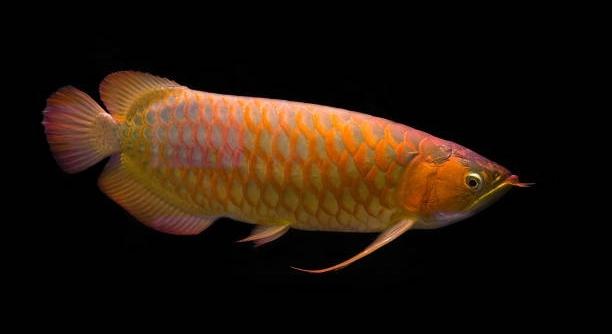
Is your Arowana suddenly losing interest in food, leaving you concerned about its health and overall well-being in your aquarium?
Poor appetite in Arowana is commonly caused by stress, unsuitable water conditions, illness, overfeeding, or sudden dietary changes. Environmental factors such as temperature fluctuations or improper tank maintenance can also disrupt feeding behavior, making it essential to identify the root cause early.
Understanding these potential causes can help you restore your Arowana’s appetite and maintain its vibrant health for the long term.
Stress and Environmental Changes
Stress is one of the most common reasons your Arowana may stop eating. Sudden environmental changes, such as moving to a new tank, loud noises, or frequent human activity near the aquarium, can make your fish feel uneasy. Arowanas are sensitive creatures that thrive in stable and calm environments. When exposed to constant stressors, they may hide more often, swim erratically, or completely lose interest in food. Maintaining a consistent routine, minimizing disturbances, and providing enough swimming space can make your fish feel more secure. A stable environment helps regulate their behavior and encourages them to feed regularly.
When you notice signs of stress, avoid sudden water changes or rearranging tank decorations. Give your Arowana time to adjust to its surroundings and reduce external noise or movement near the tank. A stable, calm environment plays a vital role in restoring normal feeding behavior.
Consistency is key when it comes to keeping Arowanas comfortable. Monitor water temperature, lighting, and noise levels closely, and avoid making abrupt changes to their habitat. Over time, your Arowana will regain its appetite as it feels more secure in a familiar and stable environment, allowing it to return to its natural feeding habits.
Poor Water Quality
Poor water quality is another major factor that can cause loss of appetite in Arowanas. Contaminated or unbalanced water can quickly stress your fish, making them weak and less likely to eat.
Ammonia, nitrite, and nitrate buildup in the tank can make the water toxic, leading to stress and digestive discomfort. Regularly testing the water is essential to ensure these levels remain safe. Arowanas require clean, well-oxygenated water with stable pH and temperature. Partial water changes of about 20–30% weekly help keep toxins low and maintain overall water quality. Overfeeding can also contribute to poor water conditions, as leftover food decomposes and releases harmful substances. Use a reliable filtration system to support water circulation and remove waste efficiently. Additionally, ensure the tank size is appropriate, as overcrowding can intensify waste buildup and lower oxygen levels. Keeping a consistent maintenance routine will promote your Arowana’s appetite and general health.
Illness or Parasite Infection
Illness or parasite infection can quickly affect your Arowana’s appetite. Internal parasites, bacterial infections, or fungal issues often make the fish weak, uncomfortable, and uninterested in food. Spotting these early is important to prevent further health complications and loss of appetite.
Look for symptoms like white patches, frayed fins, cloudy eyes, or sluggish swimming. These are signs that something is wrong. Quarantine the affected fish to prevent spreading disease to others. Treating your Arowana with the proper medication, such as anti-parasitic or antibacterial treatments, can help restore normal feeding behavior. Maintaining stable water parameters and a clean tank environment reduces the risk of infection. Always wash your hands and equipment before and after handling your aquarium to prevent contamination. Healthy tank conditions make it easier for your Arowana to recover and resume eating normally.
Feeding your fish high-quality food can also help strengthen its immune system. Live foods like mealworms or shrimp encourage feeding, especially during recovery. However, feed small portions to prevent overloading the digestive system. Avoid handling the fish too often, as this adds unnecessary stress. Once treatment is complete, your Arowana should gradually regain its strength and appetite if kept in a clean and calm environment.
Overfeeding and Indigestion
Overfeeding may seem harmless, but it can cause your Arowana to lose its appetite. Uneaten food quickly decays, creating poor water conditions and digestive discomfort that can discourage feeding. Moderation is essential for maintaining good eating habits and overall health.
Feed your Arowana small portions two to three times a day, offering only what it can consume in a few minutes. Excess food leads to bloating and sluggishness, while inconsistent feeding schedules can confuse your fish’s natural rhythm. Stick to a routine to support steady digestion. Include a mix of protein-based foods such as prawns, crickets, and pellets to balance nutrition. If your fish stops eating after frequent feeding, give it a short fasting period to reset its digestion. Monitor its behavior and gradually reintroduce smaller portions. This simple approach helps your Arowana regain appetite and maintain proper digestion without unnecessary stress.
Sudden Dietary Changes
A sudden change in diet can make your Arowana stop eating. Switching food types too quickly may cause confusion or rejection, especially if the texture, size, or scent of the new food differs from what it is used to.
To avoid this, introduce new food gradually by mixing it with the old diet over several days. This helps your Arowana adapt to new flavors and textures more easily. Consistency is important, as frequent changes can make your fish hesitant or stressed, leading to poor appetite and irregular feeding patterns.
Inappropriate Tank Temperature
Arowanas need stable water temperatures between 75°F and 82°F to maintain proper digestion and metabolism. Sudden temperature drops or excessive heat can make your fish sluggish and disinterested in food. Use a reliable aquarium heater and thermometer to monitor conditions daily. Stability encourages normal feeding and keeps your fish comfortable and active.
Lack of Variety in Diet
Feeding the same food repeatedly can make your Arowana bored and less motivated to eat. Offering a mix of live, frozen, and pellet foods provides balanced nutrition and stimulates appetite. Rotating food types keeps feeding time engaging and supports your Arowana’s long-term health and feeding consistency.
FAQ
Why has my Arowana stopped eating suddenly?
A sudden loss of appetite can be caused by stress, illness, water quality issues, or abrupt changes in diet. Check the tank conditions first—temperature, pH, and cleanliness are crucial. Look for signs of illness like frayed fins, cloudy eyes, or unusual swimming behavior, and treat promptly.
How can I tell if poor water quality is affecting my Arowana’s appetite?
Look for water cloudiness, strong odor, or excessive algae growth. Test for ammonia, nitrites, nitrates, and pH levels. Poor water quality stresses fish and can lead to digestive issues or lethargy. Regular water changes and a functional filtration system prevent these problems.
Can stress really stop an Arowana from eating?
Yes. Stress from sudden environmental changes, loud noises, overcrowding, or frequent handling can make an Arowana hide or refuse food. Creating a calm environment with consistent lighting, minimal disturbances, and plenty of swimming space encourages normal feeding.
How do I know if my Arowana has parasites or illness?
Signs include white spots, red streaks on fins, bloating, lethargy, or abnormal swimming. Internal parasites may cause weight loss even if the fish appears healthy. Quarantining affected fish and using appropriate medication helps restore appetite. Observing behavior carefully is key to early detection.
Is overfeeding a common reason for appetite loss?
Yes. Overfeeding leads to bloating, indigestion, and deteriorating water quality. Uneaten food decomposes, releasing toxins that further discourage feeding. Feeding small portions two to three times daily and removing leftovers helps maintain digestion and encourages consistent appetite.
How should I introduce new food to my Arowana?
Introduce changes gradually by mixing a small portion of the new food with the current diet over several days. This prevents rejection and reduces stress. Rotating live, frozen, and pellet foods keeps meals interesting and supports nutritional balance.
Can temperature changes affect appetite?
Absolutely. Arowanas are sensitive to temperature fluctuations. Water below 75°F or above 82°F slows metabolism, causing lethargy and poor appetite. A reliable heater, thermometer, and consistent monitoring help maintain a comfortable environment. Gradual adjustments are necessary if changes are unavoidable.
What types of food stimulate an Arowana’s appetite?
Live foods like shrimp, crickets, or small fish are highly appealing. Frozen or pellet foods provide balanced nutrition. Offering variety prevents boredom and encourages regular feeding. Small, frequent meals are better than one large portion. High-protein foods are particularly effective for maintaining energy and growth.
How long can an Arowana go without eating?
Healthy Arowanas can survive for several days without food, but prolonged fasting weakens their immune system and may trigger stress or illness. Short fasting periods can help with digestion issues, but consistent feeding is important for long-term health. Monitor behavior closely during fasting.
What steps can I take to restore my Arowana’s appetite?
First, ensure water quality is optimal. Check temperature, pH, and cleanliness. Reduce stressors by minimizing noise and disturbances. Quarantine sick fish and treat illnesses promptly. Introduce a balanced diet gradually, including live or frozen foods. Maintain a consistent feeding schedule to encourage normal behavior and healthy appetite.
Can tank decorations affect feeding behavior?
Yes. Sharp or overcrowded decorations may stress the fish or make it feel unsafe, reducing feeding activity. Provide open swimming areas and safe hiding spots. This helps your Arowana feel secure and more willing to eat regularly.
Is fasting sometimes beneficial for Arowanas?
Short fasting periods of one to two days can aid digestion, especially if overfeeding or indigestion is suspected. During fasting, monitor behavior and water quality closely. Afterward, reintroduce food gradually to prevent digestive shock and stimulate appetite.
How do I know if my Arowana is eating enough?
A healthy Arowana maintains steady weight, shows active swimming, and eagerly eats during feeding times. If it appears thin, lethargic, or leaves food uneaten consistently, adjustments in diet, feeding frequency, or tank conditions may be needed. Regular observation helps detect problems early.
What role does tank size play in feeding behavior?
Arowanas need large tanks with sufficient space to swim. Crowded tanks increase stress, limit mobility, and can reduce appetite. Proper tank size supports natural behavior, energy levels, and healthy feeding patterns, making it easier to maintain consistent nutrition.
Can supplements help improve appetite?
Occasionally, vitamin or mineral supplements can support recovery from mild deficiencies or stress. Use only reputable products and follow dosing instructions carefully. Over-supplementation may harm your fish or worsen water quality. A varied, high-protein diet is usually sufficient for maintaining appetite naturally.
Final Thoughts
Maintaining a healthy appetite in your Arowana is essential for its overall well-being and longevity. Many factors can influence feeding behavior, from water quality and temperature to stress, illness, and diet changes. Observing your fish closely allows you to detect early signs of appetite loss, such as lethargy, hiding, or leaving food uneaten. Addressing these factors promptly prevents more serious health issues and ensures that your Arowana remains active and vibrant. Regular monitoring of tank conditions, including temperature, pH, and cleanliness, is the foundation of good care and encourages consistent feeding habits. A calm, stable environment also reduces stress and allows your fish to feel secure while eating.
Feeding practices play a significant role in maintaining appetite. Overfeeding, sudden dietary changes, or repetitive food choices can reduce interest in meals. Offering a variety of live, frozen, and pellet foods ensures balanced nutrition and keeps your fish engaged during feeding times. Small, frequent meals are more effective than large portions, which can lead to indigestion or bloating. Gradually introducing new foods helps your Arowana adapt without stress, promoting consistent feeding behavior. Supplements may be useful in certain situations, but a varied diet usually provides all the necessary nutrients. Careful attention to diet, combined with proper tank conditions, supports digestion, strengthens the immune system, and encourages your fish to maintain a healthy appetite.
Patience and consistency are key when managing an Arowana’s feeding habits. Recovery from stress, illness, or environmental changes may take time, and sudden interventions can worsen the problem. Observing your fish’s behavior, maintaining optimal water conditions, and establishing a steady feeding routine all contribute to improved appetite and overall health. Understanding the factors that affect feeding allows you to make informed decisions and address problems early. A balanced approach, combining proper care, nutrition, and a stress-free environment, ensures that your Arowana thrives. By keeping these practices in mind, you can support long-term health, encourage regular feeding, and enjoy watching your Arowana grow and remain active in its aquatic home.

Hello,
If you enjoy the content that we create, please consider saying a "Thank You!" by leaving a tip.
Every little bit helps us continue crafting quality advice that supports the health, happiness, and well-being of pets around the world, for pets of all shapes, sizes, and species.
We really appreciate the kindness and support that you show us!