
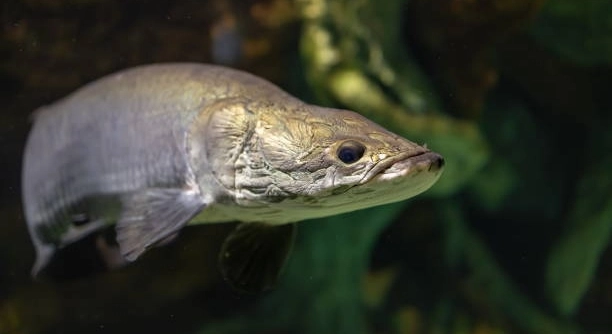
Arowanas are graceful and striking fish that can capture attention with their shimmering scales and elegant swimming. Many owners notice that these fish sometimes disappear behind decorations or hide for hours, leaving their tanks seemingly quiet and still.
Arowanas often hide for extended periods due to environmental stress, changes in water parameters, or a need for security. Providing proper lighting, hiding spots, and stable water conditions can reduce prolonged hiding and support their overall well-being.
Observing your arowana’s behavior closely helps in understanding its needs and ensuring it remains healthy and comfortable in its aquatic home.
Understanding Arowana Hiding Behavior
Arowanas are naturally cautious fish, and their hiding behavior is often a reflection of instinct. In the wild, these fish take cover to avoid predators or unexpected threats. In a home aquarium, sudden changes in water temperature, lighting, or tank decorations can trigger similar responses. Hiding also helps them feel safe and reduces stress levels. Sometimes, these periods of seclusion are part of their normal activity pattern, especially during rest or after feeding. Observing their regular habits can help identify whether the hiding is occasional or prolonged. Providing adequate space, gentle water flow, and areas for retreat encourages confidence and consistent activity. Over time, consistent care and a stable environment often reduce unnecessary hiding. Understanding these patterns allows for better planning of feeding schedules, tank maintenance, and interactions with your fish. Each arowana has its own personality, so paying attention to subtle changes is essential for their comfort.
Hiding is a natural way for arowanas to feel secure, particularly during times of environmental changes or perceived threats.
Some arowanas may hide more than others depending on age, temperament, and tank layout. Younger fish are often more cautious, while older, established arowanas develop familiarity with their surroundings and hide less frequently. The arrangement of decorations, plants, and hiding spots can either encourage or discourage this behavior. It is important to avoid sudden changes in their environment, as even minor disturbances can lead to prolonged hiding. Consistency in feeding routines, water quality, and lighting schedules helps build a sense of safety. When arowanas have reliable conditions, they are more likely to explore the tank openly and interact with their surroundings. Even so, occasional hiding is normal and should not immediately cause concern. Monitoring patterns over time provides insight into their comfort level and overall health.
Creating a Comfortable Environment
Providing the right environment is key to minimizing stress and unnecessary hiding. Small adjustments can make a noticeable difference in their behavior.
Ensuring proper water parameters, such as temperature, pH, and cleanliness, is essential. Arowanas thrive in stable conditions, and sudden fluctuations can trigger hiding. Tank size matters, as they require enough space to swim freely without feeling crowded. Incorporating safe hiding spots like driftwood, rocks, or subdued lighting areas helps them feel secure without isolating them completely. Avoiding constant disturbances or loud noises near the tank reduces stress further. Feeding routines should be consistent, offering balanced nutrition without overfeeding, which can affect water quality. Observing their behavior regularly allows you to notice subtle signs of discomfort or illness. A calm, predictable environment encourages your arowana to explore more openly, making them active and visually engaging. Small efforts in creating this balanced habitat enhance their confidence, overall health, and the enjoyment of watching their graceful movements.
Signs Your Arowana May Be Stressed
Frequent hiding, loss of appetite, or unusual swimming patterns often indicate stress. Changes in behavior should be addressed promptly to maintain their health and prevent long-term problems.
Stressed arowanas may dart suddenly, refuse food, or hover near the surface. Water quality, tank temperature, or aggressive tank mates can all contribute. Observing your fish daily helps identify early signs. By tracking feeding habits and activity levels, you can determine whether the hiding is temporary or a symptom of stress. Stress can weaken their immune system, making them more prone to illness. Correcting environmental issues often restores normal behavior.
Behavioral changes can also be subtle, such as less interaction with the tank or staying near corners. Even minor disturbances, like changes in lighting or nearby movement, can trigger hiding. Understanding these signals ensures timely intervention. Regular water testing, gentle handling, and minimizing sudden changes all help reduce stress. A consistent environment encourages confidence, making your arowana more active and comfortable in its habitat over time.
Tank Setup Tips for Comfort
Providing the right layout reduces hiding and encourages natural behavior. Proper placement of decorations, plants, and open swimming areas is important.
Arowanas need a balance of open swimming space and secure hiding spots. Avoid overcrowding the tank, as this increases stress and reduces mobility. Driftwood, rocks, and plants should be arranged so they feel safe but not trapped. Tank size should accommodate their full growth, allowing natural swimming patterns. Subdued lighting and stable water conditions enhance comfort. Consistency in maintenance and feeding schedules helps them feel secure. Observing how they use the tank informs adjustments. A calm, well-organized environment encourages exploration while reducing prolonged hiding and anxiety.
Common Environmental Triggers
Sudden changes in water temperature, pH, or lighting can make arowanas hide. Even minor disturbances in their tank setup may cause them to seek shelter for long periods.
Strong currents or aggressive tank mates also contribute to hiding behavior. Ensuring a calm, stable environment reduces stress and encourages normal activity.
Feeding and Hiding
Overfeeding or irregular feeding schedules can increase hiding behavior. Arowanas may retreat when they feel uneasy or unsure about mealtime. Maintaining consistent feeding times and appropriate portions keeps them confident and active, reducing the frequency and duration of hiding episodes.
Health Considerations
Frequent hiding can indicate underlying health issues. Parasites, infections, or internal discomfort may cause arowanas to seek isolation. Regular monitoring, proper nutrition, and prompt treatment of any symptoms are essential for maintaining overall health and ensuring they feel safe and comfortable in their environment.
Observation Tips
Paying attention to patterns of hiding provides valuable insight. Tracking behavior over time helps identify causes and necessary adjustments for their well-being.
FAQ
Why does my arowana hide immediately after I feed it?
Arowanas may hide after feeding to digest in peace or feel secure from perceived threats. Feeding can increase activity and excitement, which sometimes makes them seek a quiet corner. Ensuring a calm environment and consistent feeding schedule helps them feel safe while digesting.
Is hiding a sign of illness in arowanas?
Frequent or prolonged hiding can indicate health issues such as parasites, infections, or stress-related illnesses. If your arowana also shows loss of appetite, unusual swimming patterns, or faded coloration, a health check and water quality test are important. Early intervention helps prevent serious complications.
Can tank size affect hiding behavior?
Yes, small or overcrowded tanks often increase hiding behavior. Arowanas need ample space to swim freely. Limited space can make them feel trapped or stressed, encouraging them to stay in corners or behind decorations. A tank that accommodates their adult size reduces prolonged hiding.
Do lighting conditions influence hiding?
Lighting plays a key role in comfort. Bright or constantly changing lights can make arowanas seek shelter. Soft, stable lighting that mimics natural day and night cycles encourages them to explore rather than hide. Gradual transitions between light and dark help them adjust comfortably.
Will tank decorations make hiding worse or better?
Proper decorations provide security. Driftwood, rocks, or plants offer hiding spots without isolating them completely. Overcrowding or sharp objects may increase stress. Observing how your arowana uses the decorations can guide adjustments for a balanced setup that encourages natural behavior.
Does water quality impact hiding behavior?
Poor water quality is a major reason arowanas hide. High ammonia, nitrite, or nitrate levels, or sudden changes in temperature and pH, make them retreat. Regular water testing, partial water changes, and consistent filtration are essential to create a stable environment and reduce hiding.
Are arowanas more prone to hiding at certain times of the day?
Yes, arowanas have natural activity cycles. They may be more active during specific periods and hide during resting times. Understanding these patterns helps distinguish normal hiding from stress-related behavior. Mimicking natural light and feeding schedules can support their routine.
Can tank mates cause hiding behavior?
Aggressive or overly active tank mates can trigger hiding. Arowanas may retreat to avoid confrontation or competition. Selecting compatible species and providing sufficient space for each fish reduces stress and encourages confident swimming instead of prolonged hiding.
Is hiding behavior more common in young arowanas?
Younger arowanas are generally more cautious and may hide frequently while exploring their environment. As they grow and become familiar with the tank, hiding usually decreases. Providing secure areas and consistent care helps them gain confidence over time.
How can I encourage my arowana to spend more time out in the open?
Creating a calm, stable environment with proper water quality, suitable lighting, and well-placed hiding spots helps. Feeding consistently and minimizing sudden disturbances encourages exploration. Over time, your arowana will feel secure enough to swim openly without retreating for long periods.
Is occasional hiding normal for arowanas?
Yes, occasional hiding is natural. Even healthy, confident arowanas may retreat briefly for rest, digestion, or safety. The key is monitoring frequency and duration—excessive or prolonged hiding can signal stress or environmental issues that need attention.
Can changes in temperature trigger hiding?
Arowanas are sensitive to sudden temperature shifts. Drops or spikes can make them seek shelter until conditions stabilize. Maintaining a stable, appropriate temperature range is essential for comfort, encouraging them to swim openly rather than hide for hours.
Does stress from human activity affect hiding?
Frequent movement near the tank, loud noises, or tapping on glass can cause stress. Arowanas respond by hiding. Reducing disturbances and creating a quiet, predictable environment encourages them to feel safe and active in their tank.
How long is too long for arowanas to hide?
Brief periods of hiding are normal, but hiding consistently for several hours or most of the day may indicate stress, illness, or environmental issues. Monitoring patterns and addressing underlying causes ensures their health and comfort.
Are there signs that hiding is becoming a serious problem?
Yes. Signs include loss of appetite, rapid breathing, unusual swimming, or faded coloration. If hiding coincides with these symptoms, it is likely a sign of stress or illness. Prompt evaluation of water quality, tank setup, and health is necessary to prevent worsening conditions.
Can diet influence hiding behavior?
Yes, a balanced diet supports energy levels and overall health. Overfeeding, underfeeding, or poor nutrition can stress arowanas, causing them to hide more. Providing appropriate portions and nutrient-rich food helps maintain normal activity and reduces unnecessary hiding.
Does tank placement in a room matter?
Yes, placement near high-traffic areas can increase hiding. Arowanas prefer stable, quiet surroundings with minimal sudden disturbances. Choosing a calm location with natural light cycles supports confidence and reduces stress-induced hiding.
Can seasonal changes affect hiding?
Seasonal shifts in temperature, light, or household activity can influence behavior. Adjusting water temperature gradually and maintaining consistent lighting patterns helps prevent stress-related hiding during seasonal changes.
Should I intervene if my arowana hides often?
Intervention is needed if hiding is prolonged or accompanied by other concerning signs. Adjust water quality, tank setup, feeding routines, and monitor health. Subtle changes in care can improve comfort and encourage more natural behavior.
How can I monitor hiding behavior effectively?
Keep a log of hiding times, frequency, and duration. Note water parameters, feeding schedules, and tank conditions. Patterns help identify causes, guide adjustments, and track improvements. Observing behavior closely ensures your arowana stays healthy and comfortable.
Can lighting schedules help reduce hiding?
Consistent day-night lighting cycles mimic natural conditions. Gradual transitions between light and dark reduce stress and encourage regular activity. Avoid sudden bright lights or constant illumination, as these can make arowanas retreat more often than necessary.
Do all arowanas hide the same way?
No, individual temperament and past experiences influence behavior. Some may prefer corners, others behind plants or driftwood. Understanding your fish’s personality allows tailored adjustments to encourage comfort and minimize excessive hiding.
Can stress from water changes trigger hiding?
Yes, sudden or large water changes can cause hiding. Performing gradual, partial changes while maintaining stable parameters helps minimize stress and encourages more open swimming after maintenance.
How does tank maintenance affect hiding behavior?
Frequent, gentle maintenance supports comfort, while abrupt cleaning or rearranging decorations may increase hiding. Consistency in routine and careful handling reduces stress and promotes regular activity.
Is hiding behavior reversible?
With consistent care, proper environment, and monitoring, hiding behavior can be reduced. Addressing water quality, feeding routines, and stress factors gradually helps arowanas feel secure, encouraging them to spend more time actively swimming in the tank.
Can hiding affect growth or development?
Extended stress from frequent hiding can impact appetite, energy levels, and overall health, potentially affecting growth. Ensuring proper nutrition, a calm environment, and stable water conditions supports healthy development and reduces excessive hiding.
Does social interaction influence hiding?
Arowanas are generally solitary but can benefit from a calm tank environment. Stress from aggressive or overly active tank mates increases hiding. Careful selection of compatible species and providing space for retreat promotes comfort and reduces stress-related hiding.
What is the best approach to reduce hiding long-term?
Stable water conditions, proper tank layout, consistent feeding, minimal disturbances, and regular observation form the foundation. Gradual adjustments tailored to your arowana’s personality create a secure, predictable environment, encouraging confidence and reducing prolonged hiding over time.
Final Thoughts
Arowanas are elegant and captivating fish, but their hiding behavior can often leave owners concerned. It is important to understand that hiding is a natural part of their instincts. In the wild, these fish retreat to avoid predators and to feel secure. In a home aquarium, hiding often reflects their response to environmental changes, stress, or simply a need for a safe space. While it may seem alarming when your arowana disappears behind decorations or rests in corners for hours, it is not always a sign of a serious problem. Observing the frequency, duration, and context of their hiding behavior provides valuable insight into their comfort level and overall well-being. Paying attention to these patterns allows you to make informed adjustments to their environment and routine.
Creating a stable and comfortable environment is essential in reducing prolonged hiding. Proper water parameters, including temperature, pH, and cleanliness, support their health and reduce stress. Consistency in feeding schedules and tank maintenance helps your arowana feel secure. Tank layout also plays a key role: providing hiding spots with driftwood, rocks, or plants gives them refuge without isolating them completely. Overcrowding or abrupt changes in decorations can increase hiding behavior. Lighting should be gradual and stable, mimicking natural day and night cycles, as sudden bright lights can trigger retreat. Even small adjustments, like minimizing loud noises or high-traffic areas near the tank, contribute to a calmer atmosphere. With a thoughtful approach, your arowana is more likely to explore the tank confidently and spend less time in hiding, while maintaining their natural instincts.
Monitoring behavior and health together ensures long-term comfort and reduces unnecessary stress. Regular observation allows you to identify early signs of illness, stress, or discomfort. Changes such as loss of appetite, unusual swimming patterns, or faded coloration can signal problems that need attention. Maintaining proper nutrition with balanced feeding supports energy levels and growth, which also affects confidence and activity. Patience is key, as each arowana has a unique temperament and adjusts at its own pace. Some may hide frequently while others remain more visible. By combining careful observation, consistent care, and a stable environment, you can help your arowana feel secure, healthy, and confident. Understanding their natural instincts and needs allows you to create a balanced habitat where they can thrive while still exhibiting occasional hiding behavior, which is a normal part of their life.

Hello,
If you enjoy the content that we create, please consider saying a "Thank You!" by leaving a tip.
Every little bit helps us continue crafting quality advice that supports the health, happiness, and well-being of pets around the world, for pets of all shapes, sizes, and species.
We really appreciate the kindness and support that you show us!