
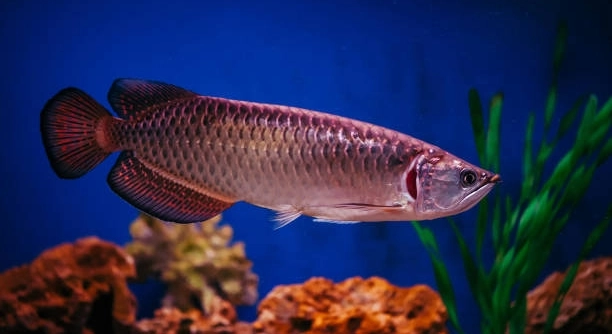
Is your arowana scratching against rocks more often than usual? Observing this behavior can be worrying for fish owners. Understanding the causes behind these actions is important to ensure your arowana stays healthy and comfortable in its environment.
Arowanas often scratch against rocks due to external irritants, poor water quality, or parasitic infections. This behavior can indicate discomfort, stress, or attempts to remove unwanted particles from their skin and fins, requiring prompt observation and care to prevent health issues.
Identifying the reason behind your arowana’s scratching is key to maintaining its well-being. Exploring the causes and solutions will help you provide a safer, healthier tank environment.
Common Causes of Arowana Scratching
Arowanas scratch against rocks for several reasons, many of which relate to their environment or health. Poor water conditions, including incorrect pH levels, high ammonia, or nitrite concentrations, can irritate their skin. Parasites and external infections may also make them itch or try to scrape themselves. Stress plays a significant role as well; overcrowded tanks, aggressive tank mates, or sudden changes in water temperature can increase scratching behavior. Sometimes, arowanas scratch simply because small particles, algae, or debris are stuck on their scales. Observing other behaviors such as lethargy, reduced appetite, or visible marks on the body can help identify whether the scratching is minor irritation or a sign of something more serious. Ensuring a clean tank and proper water parameters is essential. Regular monitoring and maintenance can prevent these issues, helping your arowana remain comfortable, healthy, and active.
Keeping your tank clean and checking water quality consistently can reduce most scratching behaviors significantly.
In addition to water quality, diet and nutrition can affect your arowana’s health and skin condition. A balanced diet with high-quality protein and essential vitamins supports their immune system, reducing susceptibility to infections and parasites. Lack of proper nutrition can lead to skin sensitivity, making the fish more prone to irritation. Providing a varied diet, including live, frozen, or pellet foods, helps maintain overall health. Observing your arowana while feeding can reveal whether scratching coincides with changes in behavior or feeding patterns. By addressing both environmental and dietary factors, you can significantly minimize scratching and improve their well-being. Consistency in tank care and feeding routines is key to preventing stress-related behaviors. Your arowana thrives in a stable, clean environment where both food and water quality meet their specific needs.
Preventing and Treating Scratching
Regular observation of your arowana can catch early signs of irritation or infection, allowing for prompt treatment before it worsens.
Treatment strategies vary depending on the cause. If water quality is an issue, performing partial water changes, testing for ammonia, nitrites, and pH, and using filtration systems properly can alleviate discomfort. Parasite infestations may require medication or salt baths, while minor abrasions from rocks or decorations need careful inspection and removal of sharp objects. Stress-related scratching can be addressed by providing more space, reducing tank aggression, and maintaining stable temperatures. Ensuring a balanced diet also strengthens your arowana’s resilience. For persistent or severe scratching, consulting an aquatic veterinarian is recommended. Preventive measures, including quarantine for new fish, regular tank maintenance, and close monitoring of behavior, reduce risks of future problems. By combining observation, environmental adjustments, and proper care, you can address scratching effectively and support your arowana’s long-term health, ensuring it remains active and comfortable in its habitat.
Continue the article with the following outline and format. Do not write an intro for each header, get straight to the point. Do not use a greeting. Make it feel slightly personal. Write in a simplistic style. Do not greet the reader.; Outline and Format: ; Header: xxxxxxxxxxxxxxxxxxx; 50 words paragraph; 100 words paragraph; 100 words paragraph; Header: xxxxxxxxxxxxxxxxxxx; 75 words paragraph; 125 words paragraph; Note: Skip the intro, get straight to the point. The rest of the headers will be provided later, so do not write them yet. Skip the conclusion, and recap. Respect the given word count for every paragraph.
Parasite Prevention
Regular tank cleaning and quarantine of new fish reduce the risk of parasite infestations. External parasites are a common reason for arowanas scratching against surfaces, and early prevention is crucial to maintain healthy skin and scales.
Medications and salt baths can treat parasites, but prevention is better. Monitoring fish closely and isolating any affected individuals prevents spreading. Avoid overcrowding, and maintain stable water conditions to lower stress, which also decreases susceptibility to parasites. Consistent observation ensures early detection before the issue worsens, keeping your arowana comfortable and healthy.
Diet and Nutrition
Providing a balanced diet supports immune health and skin condition. Arowanas require high-quality proteins, vitamins, and occasional live foods. Nutritional deficiencies can lead to sensitivity, making them scratch more often. Feeding a variety of foods ensures essential nutrients are met, promoting overall well-being.
Stress Reduction
Stress is a major contributor to scratching behavior. Overcrowding, aggressive tank mates, and sudden environmental changes increase stress levels, making arowanas more prone to irritation.
Maintaining a calm environment with adequate space, hiding spots, and minimal disturbances helps reduce stress. Observing behavior and adjusting tank conditions can prevent recurring scratching, supporting the fish’s health and comfort.
FAQ
Why is my arowana scratching against rocks more than usual?
Scratching against rocks can indicate irritation, stress, or skin issues. Common causes include poor water quality, external parasites, abrasions from sharp decorations, or dietary deficiencies. Monitoring water parameters, inspecting the fish for marks, and maintaining a clean tank can reduce this behavior.
Can poor water quality really make my arowana scratch?
Yes, water conditions have a direct effect on skin health. High ammonia, nitrites, or extreme pH levels irritate scales and fins, prompting your arowana to scrape surfaces. Regular testing and partial water changes help maintain a stable, healthy environment.
How do I know if parasites are causing scratching?
Parasites often cause intense, frequent scratching. Look for visible spots, clamped fins, or rapid rubbing behavior. Quarantine new fish and inspect them for signs of external infestations to prevent spreading within the tank.
What role does diet play in scratching behavior?
A poor diet can weaken the immune system and make skin more sensitive. A balanced diet with high-quality protein, vitamins, and occasional live or frozen foods supports overall health, reducing irritation and scratching.
Can stress alone cause my arowana to scratch?
Yes, stress from overcrowding, aggressive tank mates, or sudden environmental changes can trigger scratching. Providing adequate swimming space, hiding areas, and consistent water conditions reduces stress-related behaviors.
How can I prevent scratching in the future?
Preventing scratching involves regular tank maintenance, stable water parameters, proper nutrition, and monitoring for parasites. Avoid sharp decorations and overcrowding, and quarantine new fish to minimize risks. Observation is key to early intervention.
When should I consult a veterinarian?
Consult a vet if scratching persists despite proper tank care, or if you notice lesions, swelling, lethargy, or loss of appetite. Professional guidance ensures proper diagnosis and treatment, especially for infections or parasite infestations.
Is it normal for young arowanas to scratch more often?
Juvenile arowanas may scratch occasionally as they explore their environment or remove minor debris. Persistent scratching, however, should be checked for water quality issues or parasites to prevent long-term health problems.
Do certain tank decorations increase scratching?
Yes, sharp or rough rocks and artificial decorations can irritate the skin. Using smooth surfaces and rounded edges reduces the likelihood of abrasions and subsequent scratching.
Can I treat minor scratches at home?
Minor abrasions usually heal if water quality is maintained and stress is minimized. Adding salt in recommended amounts and avoiding further contact with rough surfaces helps recovery. Watch for signs of infection to act promptly.
How often should I check water parameters to prevent scratching?
Daily or every few days for ammonia, nitrite, and nitrate levels is ideal. Weekly pH checks ensure stable conditions. Frequent monitoring prevents irritation-related behaviors before they become severe.
What signs indicate scratching is no longer a minor issue?
Persistent scraping, visible wounds, fin deterioration, unusual swimming, or lethargy suggests a serious problem. Immediate intervention, including possible medication or vet consultation, is necessary to protect your arowana’s health.
Can temperature fluctuations affect scratching?
Yes, sudden changes in water temperature can stress your arowana and cause them to scratch more. Maintaining a stable, suitable temperature range supports comfort and reduces irritation.
Does tank size influence scratching behavior?
Small or overcrowded tanks increase stress and may lead to frequent rubbing. Providing adequate swimming space and minimizing competition among tank mates reduces scratching and improves overall well-being.
Are there any natural remedies to reduce scratching?
Maintaining optimal water conditions, using smooth decorations, and adding appropriate aquarium salt can help minor irritations. Always ensure that any treatment is safe for arowanas and used according to recommended guidelines.
How can I tell if scratching is caused by diet rather than disease?
If water quality is stable and no visible parasites are present, scratching may relate to nutritional deficiencies. Reviewing and improving diet quality, including protein and vitamins, often resolves minor irritation.
Should I isolate a scratching arowana?
Isolation is recommended if parasites or infections are suspected. A quarantine tank prevents spreading to other fish while allowing targeted treatment in a controlled environment.
How long does it take for scratching behavior to improve?
Improvement depends on the cause. Water quality adjustments and dietary corrections may show results within days, while parasite treatments can take a week or more. Consistent observation ensures progress is tracked effectively.
Can scratching damage my arowana permanently?
Repeated abrasions can lead to infections or scale loss if untreated. Prompt care, including maintaining water quality, reducing stress, and addressing causes, minimizes the risk of permanent damage.
What routine care reduces the likelihood of scratching?
Regular water changes, tank cleaning, dietary monitoring, and observation for early signs of irritation or disease are essential. Stable conditions and preventive measures maintain skin health and overall comfort for your arowana.
This FAQ section provides guidance for understanding, preventing, and addressing scratching behavior, helping maintain a healthy and comfortable environment for your arowana.
Final Thoughts
Arowanas scratching against rocks is a common behavior, but it can also signal underlying issues that need attention. Understanding the reasons behind this behavior is essential for any fish owner. Many times, scratching is caused by environmental factors, such as poor water quality, sharp decorations, or overcrowding. Maintaining a clean tank and regularly testing water parameters helps reduce irritation and promotes overall health. Simple adjustments, like removing abrasive surfaces and ensuring the tank is spacious enough, can prevent most scratching caused by the environment. Observing your fish daily allows you to notice small changes in behavior before they become serious problems.
Health factors are another key reason arowanas scratch. External parasites, skin infections, and minor injuries can all lead to persistent rubbing against surfaces. Regular monitoring of your fish’s body, fins, and scales is crucial for detecting these problems early. When parasites are suspected, quarantine measures and appropriate treatments, such as medications or salt baths, help prevent the issue from spreading to other fish. Diet also affects skin health. A balanced diet with sufficient protein, vitamins, and minerals supports the immune system, reduces sensitivity, and improves overall resilience. By focusing on both preventive care and nutrition, you can significantly reduce scratching and ensure your arowana remains comfortable.
Stress is often overlooked but plays a significant role in scratching behavior. Aggressive tank mates, sudden environmental changes, or overcrowding can trigger stress-related irritation. Providing hiding spots, maintaining stable water conditions, and minimizing disturbances can make a noticeable difference in your fish’s behavior. Consistency is key. Regular maintenance, observation, and adjustments create a safe, comfortable environment, which reduces stress and prevents repetitive scratching. Addressing both environmental and health-related factors ensures that your arowana thrives. Paying attention to subtle signs and taking timely action allows you to maintain a healthy tank and enjoy a strong, active fish that feels secure in its habitat.

Hello,
If you enjoy the content that we create, please consider saying a "Thank You!" by leaving a tip.
Every little bit helps us continue crafting quality advice that supports the health, happiness, and well-being of pets around the world, for pets of all shapes, sizes, and species.
We really appreciate the kindness and support that you show us!