
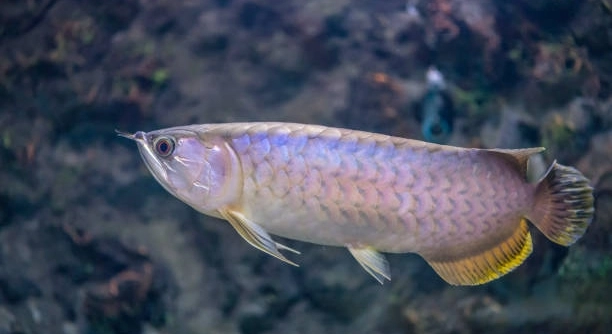
Arowanas are known for their calm and graceful movements, gliding smoothly across the tank. Sometimes, they suddenly become more active, swimming rapidly and exploring more than usual. Observing these changes can be both exciting and concerning.
A sudden increase in arowana activity is often caused by environmental changes, feeding patterns, or health conditions. Factors such as water quality, temperature fluctuations, or the introduction of new stimuli can trigger heightened movement and alert behavior.
Monitoring these changes closely can provide valuable insights into your arowana’s health and comfort. Understanding the causes will help maintain a stable and suitable environment for your fish.
Changes in Water Conditions
Arowanas are highly sensitive to water quality. Even small fluctuations in pH, temperature, or ammonia levels can make them more active than usual. If the water becomes warmer, they may swim faster or explore new areas of the tank. Poor water quality can stress the fish, causing erratic movements. Regular testing and maintenance help reduce sudden bursts of activity. Filtration plays a key role in keeping the water clear and safe, ensuring the fish remain calm. Adding new decorations or rearranging the tank can also trigger curiosity, prompting them to move more. Monitoring these environmental changes is essential for the arowana’s overall well-being.
Frequent water changes and careful observation are critical. Even minor improvements in water conditions can stabilize activity levels quickly.
Keeping the tank stable requires attention to temperature, pH, and cleanliness. Arowanas respond immediately to changes, and maintaining consistent conditions helps prevent sudden stress-induced activity. Watching their behavior can also indicate if adjustments are needed, making it easier to support long-term health. Proper filtration, gradual water changes, and avoiding abrupt shifts create a comfortable and predictable environment for your arowana to thrive.
Feeding Patterns
Feeding habits directly influence arowana activity. Sudden excitement often occurs around feeding time, especially if they are anticipating food or if the type of food has recently changed.
Overfeeding or irregular feeding schedules can lead to more active swimming.
Arowanas are natural hunters and react strongly to movement or new food items. Introducing live food or changing the diet may trigger increased activity, as they become more alert and focused. It’s important to maintain a consistent feeding routine to minimize sudden bursts of energy. Observing how the fish responds to different feeding strategies helps determine what works best for its energy levels. Careful portion control ensures the fish remain healthy while avoiding overexertion or stress. By keeping the feeding predictable and balanced, you can manage activity spikes while supporting proper growth and well-being.
Health and Stress
Illness or stress can make arowanas noticeably more active. When they feel unwell or nervous, sudden bursts of swimming and erratic movements are common.
Changes in behavior often indicate underlying health issues. Parasites, infections, or injuries can trigger restlessness, and stress from overcrowding or aggressive tank mates increases activity. Stress affects the immune system, making the fish more vulnerable to illness. Observing other signs, like loss of appetite or unusual swimming patterns, can help identify problems early. Regular health checks, clean water, and a calm environment reduce stress and support overall wellness, helping the arowana maintain balanced energy levels.
Managing stress involves maintaining stable water conditions and providing enough space. Arowanas also respond to sudden noises or disturbances, which can trigger rapid swimming. Minimizing these factors supports a calm, healthier environment, helping prevent overactivity due to stress or discomfort. Consistency in tank maintenance, diet, and lighting creates a predictable environment, allowing the fish to feel secure. Additionally, separating aggressive companions or limiting sudden changes can significantly reduce stress-induced activity, giving the arowana space to move naturally without unnecessary excitement or tension.
Tank Size and Layout
Small or crowded tanks often lead to more active arowanas. Limited space can make them swim more rapidly to explore every corner or avoid companions.
Arowanas need room to swim freely and feel comfortable. Poor tank design, lack of hiding spots, or overcrowding can create stress, prompting sudden bursts of energy. Providing a spacious tank with open swimming areas and minimal obstructions helps regulate activity levels. Tank layout also affects behavior; rearranging decorations, adding plants, or introducing new elements can trigger curiosity and increased movement. Proper planning ensures the fish has both security and freedom to move.
Adjusting tank size and layout improves overall behavior. Arowanas become calmer when they have adequate swimming space and consistent surroundings. Regular observation allows owners to identify areas that may cause stress or overactivity. By ensuring a balanced environment, the fish maintains healthy movement patterns. Additionally, incorporating hiding spots and naturalistic features reduces tension, letting the arowana explore at a normal pace. Thoughtful tank design supports both physical exercise and mental stimulation, contributing to a stable and harmonious habitat where activity spikes are minimized.
Lighting and Day-Night Cycle
Arowanas are sensitive to light changes. Sudden bright lights or inconsistent day-night cycles can make them more active or restless.
Maintaining a regular lighting schedule helps regulate their behavior. Abrupt changes in light intensity can startle them, triggering rapid swimming or hiding. Consistent lighting supports natural rhythms and reduces unnecessary bursts of activity.
Interaction and Stimulation
Arowanas react to movement outside the tank or nearby activity. Frequent tapping, sudden gestures, or shadows can increase alertness and swimming. Providing enrichment, like floating objects or occasional rearrangements, can stimulate them safely without causing stress or overactivity.
Seasonal Changes
Temperature shifts and seasonal variations affect arowana behavior. Cooler water may slow activity, while warmer months often increase swimming and alertness, reflecting natural responses to environmental changes.
Water Flow and Filtration
Strong currents or changes in filtration can cause arowanas to move more actively. Adjusting flow and monitoring filter output helps maintain calm swimming patterns and comfort in the tank.
FAQ
Why is my arowana suddenly swimming faster than usual?
Sudden bursts of activity are often linked to environmental changes, stress, or feeding. Water temperature shifts, strong currents, or new tank decorations can make the fish more alert. Regularly checking water parameters and maintaining a stable environment helps reduce unexpected swimming behavior.
Can overfeeding make my arowana more active?
Yes, overfeeding or irregular feeding schedules can trigger increased activity. Arowanas anticipate food and may swim quickly when hungry or excited. Consistent portion sizes and predictable feeding times help regulate energy levels and prevent unnecessary bursts of movement.
Do tank mates affect my arowana’s activity?
Other fish in the tank can influence behavior. Aggressive or overly active companions can cause stress, prompting your arowana to swim rapidly to avoid confrontation. Choosing compatible species and providing enough space ensures calmer interactions and balanced activity levels.
How does water quality impact activity?
Poor water conditions, such as high ammonia, nitrites, or fluctuating pH, can stress arowanas, making them restless. Proper filtration, regular water testing, and routine water changes create a stable environment that encourages normal behavior and reduces sudden hyperactivity.
Can lighting affect my arowana’s movements?
Yes, abrupt changes in light or irregular day-night cycles can startle arowanas. They respond to shadows, bright lights, and sudden darkness. A predictable lighting schedule helps maintain natural activity levels and prevents stress-induced swimming.
Do seasonal changes influence activity?
Temperature variations and seasonal shifts can make arowanas more active or sluggish. Warmer water increases metabolism, prompting more swimming, while cooler water slows them down. Maintaining consistent water temperature helps stabilize activity year-round.
Is sudden activity a sign of illness?
Sometimes, increased movement can indicate health issues. Parasites, infections, or internal discomfort may make the fish restless. Watching for other signs like loss of appetite, changes in color, or abnormal swimming patterns helps identify potential problems early.
How can I safely stimulate my arowana?
Providing enrichment like floating objects, occasional rearrangements, or gentle interaction encourages activity without stress. Avoid sudden movements outside the tank, loud noises, or abrupt changes in water flow to prevent excessive hyperactivity.
What role does tank size play in activity levels?
Arowanas require ample swimming space. Small or overcrowded tanks can cause restless behavior as they explore the limited area. A larger tank with open swimming zones and hiding spots supports calmer, more natural activity patterns.
How often should I monitor my arowana’s behavior?
Daily observation is ideal. Tracking movement patterns, feeding responses, and reactions to environmental changes helps identify issues early. Consistent monitoring allows timely adjustments to water conditions, diet, or tank setup, keeping the fish healthy and balanced.
Can stress from sudden changes in the tank make my arowana more active?
Yes, sudden changes in water, temperature, or decorations can trigger stress, resulting in erratic swimming. Gradual adjustments and maintaining a consistent environment reduce stress-induced hyperactivity and help your arowana feel secure.
What should I do if my arowana shows extreme restlessness?
Check water quality, temperature, and tank mates first. If conditions are normal, observe for signs of illness. Adjust lighting, reduce noise, and provide calm surroundings. Persistent extreme activity may require consultation with an aquatic veterinarian to rule out health concerns.
How can I prevent sudden activity spikes in the future?
Maintain stable water conditions, consistent feeding schedules, appropriate tank size, and gradual environmental changes. Reducing stressors and monitoring behavior regularly ensures the arowana remains active in a healthy, controlled manner, avoiding sudden hyperactivity episodes.
Can water flow affect swimming patterns?
Strong currents or changes in filtration can make arowanas swim more actively to navigate the flow. Adjusting filter output and ensuring gentle water movement helps maintain calm and natural swimming behaviors.
Is it normal for young arowanas to be more active than adults?
Yes, younger arowanas are naturally more energetic and explore their surroundings frequently. Adult arowanas tend to have calmer, more deliberate movements. Providing enough space and consistent care helps balance activity for both age groups.
How do I know if activity is normal curiosity or stress?
Normal curiosity is usually brief, controlled, and often related to new objects or food. Stress-induced activity appears erratic, repetitive, or prolonged, sometimes combined with other warning signs like color change, rapid gill movement, or hiding. Observing patterns over time helps distinguish the cause.
Can diet changes affect activity levels?
Introducing new foods or live prey can stimulate hunting instincts, causing more movement. Gradually integrating diet changes allows the fish to adjust without sudden spikes in activity. Consistent nutrition and portion control support healthy energy levels and prevent overexcitement.
Does tank decoration influence activity?
Yes, adding new plants, rocks, or ornaments can trigger exploration and increased movement. Arowanas are naturally curious, and changes in their environment prompt them to investigate. Balancing decoration with open swimming space helps regulate energy and maintain comfort.
How long does it take for arowanas to adjust to new conditions?
Adjustment time varies by fish and change type. Minor shifts like lighting or decorations may take hours or days. Water parameter adjustments can take longer. Observing behavior closely ensures the arowana adapts safely without prolonged stress or overactivity.
Final Thoughts
Arowanas are fascinating fish, and observing their behavior can tell you a lot about their well-being. Sudden increases in activity are often a natural response to changes in their environment, feeding patterns, or internal health. These bursts of movement may seem concerning at first, but they are usually manageable with careful attention. By understanding the reasons behind heightened activity, owners can create a more stable and comfortable environment for their fish. Paying close attention to water quality, temperature, and filtration is essential, as arowanas are highly sensitive to even small changes. Maintaining these factors consistently helps prevent stress-induced activity and supports the overall health of the fish.
Feeding patterns also play a significant role in arowana behavior. Regular feeding schedules and appropriate portion sizes help regulate their energy levels and reduce sudden bursts of movement. Overfeeding or introducing new foods too quickly can make them more alert and active, while a consistent routine encourages calm and predictable behavior. Tank size and layout are equally important. Arowanas need plenty of open swimming space and areas to feel secure. Overcrowded tanks or poorly arranged decorations can create stress and lead to excessive activity. Simple adjustments, such as providing hiding spots, ensuring enough room to swim, and gradually changing the layout, can make a significant difference in managing activity levels.
Finally, understanding stress and health factors is crucial. Arowanas may become restless if they are sick, injured, or uncomfortable in their environment. Observing other signs, like appetite changes or unusual swimming patterns, allows early detection of potential problems. Seasonal changes, lighting, and interactions with tank mates can also influence their activity, so maintaining consistency in these areas is important. With regular observation, careful adjustments, and a stable environment, arowanas can remain healthy and balanced. Attending to their needs thoughtfully ensures that sudden activity spikes are minimal and the fish can thrive comfortably in their tank. Monitoring behavior, addressing environmental factors, and providing proper care create a predictable and safe habitat, keeping your arowana active in a healthy and natural way.

Hello,
If you enjoy the content that we create, please consider saying a "Thank You!" by leaving a tip.
Every little bit helps us continue crafting quality advice that supports the health, happiness, and well-being of pets around the world, for pets of all shapes, sizes, and species.
We really appreciate the kindness and support that you show us!