
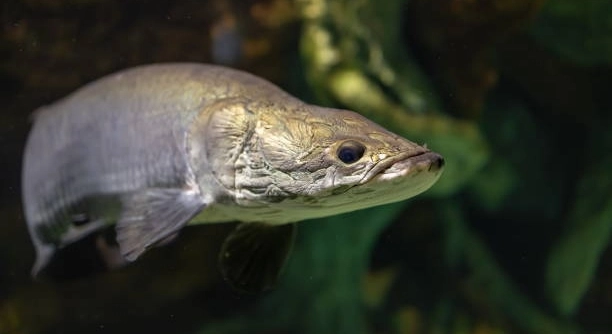
Do you ever find yourself watching your arowana swim past live food without any interest? Many fish owners face this situation, feeling puzzled when their usually active predator shows little enthusiasm during feeding times.
Arowanas may refuse live food due to stress, improper acclimation, health issues, or diet preferences. Environmental changes, water quality, or fear of unfamiliar prey can also influence their hunting behavior and reduce feeding responses.
Understanding these causes can help improve your arowana’s feeding habits. Small adjustments in care and observation often lead to noticeable changes in appetite and activity.
Common Reasons Arowanas Refuse Live Food
Many arowanas stop hunting live food because their environment or health is not ideal. Stress is a major factor. Sudden changes in water temperature, pH, or tank layout can make them cautious. Overcrowding or aggressive tank mates can also cause fear. Arowanas are naturally cautious, and even minor disturbances may affect feeding. Health problems such as parasites, infections, or digestive issues can lower their appetite. Sometimes arowanas simply prefer other food types. Younger fish may reject live prey if they are not familiar with it, while older arowanas can develop habits and resist change. Observing behavior and water conditions closely helps pinpoint the reason. Adjusting the environment and diet gradually usually encourages better feeding behavior.
Stress and health issues are the main reasons arowanas ignore live food, but diet preference plays a significant role too.
Consistency in tank care, gentle introduction of new prey, and monitoring health signs are essential. Patience and small adjustments often lead to renewed interest in live feeding over time.
Tips to Encourage Hunting
Offering smaller, slower-moving prey first can make arowanas more willing to hunt.
Start by feeding prey that matches the fish’s size and movement speed. Avoid overcrowding the tank during feeding. Reduce sudden movements around the aquarium, and maintain stable water conditions. Gradually mix live food with other familiar foods to help the fish adjust. Observing the arowana’s behavior during feeding times allows you to identify preferences and hesitations. Removing uneaten prey promptly prevents stress and maintains water quality. If necessary, consult a veterinarian for health checks. Repeating these steps consistently can improve appetite and hunting confidence. Keeping a calm, stable environment is as important as the food itself. Patience is crucial because arowanas may take time to regain interest in live prey.
Careful observation and adjustments often produce significant results. Ensuring the tank is clean, water is balanced, and prey matches the arowana’s preferences helps restore natural hunting instincts. Sometimes subtle changes, like adjusting lighting or reducing external disturbances, can make a big difference. Regularly checking for signs of illness ensures feeding issues are not health-related. Combining environmental stability with proper feeding techniques gradually encourages arowanas to hunt again. Over time, a consistent routine and positive reinforcement strengthen their confidence and interest. Tracking responses to different prey types helps refine feeding strategies, making live food more appealing.
Adjusting Feeding Schedules
Consistency in feeding times helps arowanas feel secure and more willing to hunt. Feeding at the same time each day reduces stress and encourages predictable hunting behavior.
Feeding schedules impact appetite and willingness to take live food. Arowanas respond well to routine, as unpredictable feeding can cause hesitation. Offering food once or twice daily, depending on age and size, provides structure without overfeeding. It is important to remove uneaten food promptly to maintain water quality and prevent stress. Adjusting schedules gradually, rather than abruptly, ensures the fish adapts smoothly. Observing reactions to timing changes allows fine-tuning of feeding patterns.
Young or newly acquired arowanas may need shorter, more frequent feedings to build confidence with live prey. Older fish may develop stronger preferences for certain times or types of food. Tracking how the fish responds over several days helps identify optimal schedules. Incorporating consistency, observation, and gradual adjustments encourages natural hunting instincts while minimizing stress and wasted food.
Water Quality and Environment
Stable water conditions are essential for feeding behavior, as poor quality can suppress appetite.
Arowanas are sensitive to water parameters, including temperature, pH, and hardness. Sudden fluctuations or prolonged poor conditions can make them avoid live food. Proper filtration, regular water changes, and monitoring help maintain optimal conditions. Clean tanks reduce stress, prevent disease, and support active hunting. Adding hiding spots or reducing disturbances enhances their sense of security. Environmental stability complements feeding strategies, creating conditions where the fish feel safe and more likely to hunt naturally. Observing water parameters daily ensures problems are detected early.
Even minor imbalances in water chemistry affect appetite and energy levels. Ammonia, nitrite, or nitrate spikes can make arowanas lethargic and uninterested in live prey. Tank decorations, lighting, and external noise also influence comfort and hunting confidence. Creating an environment that mimics natural conditions, including sufficient swimming space and moderate lighting, encourages active feeding. Regular testing and gradual corrections of water quality prevent stress-related appetite loss. Combining environmental control with feeding techniques ensures arowanas maintain interest in live prey while supporting long-term health and vitality.
Gradual Introduction of New Prey
Introducing new prey slowly helps arowanas adjust without stress. Start with familiar food mixed with the new option to build comfort.
Observing the fish’s reactions to small changes allows for better adaptation. Gradual exposure prevents rejection and encourages natural hunting instincts over time.
Feeding Techniques That Work
Using feeding tools like tongs or tweezers can simulate natural prey movement. Wiggling or gently releasing prey near the arowana encourages hunting instincts. Offering prey in different tank areas also stimulates activity and curiosity. Combining movement with timing and consistency improves engagement and feeding success.
Monitoring Health Signs
Changes in appetite or behavior often indicate health issues. Regular observation ensures early detection of problems that may affect feeding.
FAQ
Why is my arowana suddenly ignoring live food?
Arowanas can refuse live food for several reasons, including stress, illness, or environmental changes. Sudden shifts in water temperature, tank rearrangements, or new tank mates can make them cautious. Health issues like parasites or digestive problems also reduce appetite. Observing behavior and water conditions helps identify the cause. Gradual adjustments often restore interest in live prey.
Can arowanas be trained to eat live food again?
Yes, arowanas can be encouraged to hunt live food with patience and consistency. Start by offering familiar prey mixed with the live option. Using feeding tools to mimic natural prey movement and feeding at consistent times helps them regain confidence. Slowly increasing live food exposure strengthens hunting instincts over time.
Is it okay to feed frozen or prepared food instead of live prey?
Feeding frozen or prepared food is acceptable if your arowana refuses live prey. High-quality pellets or frozen fish provide balanced nutrition. Some arowanas even prefer prepared food, especially if they are older or have developed habits. Always ensure proper portion sizes and rotate food types to maintain interest and dietary variety.
Could water quality be affecting my arowana’s appetite?
Absolutely. Poor water conditions, including incorrect temperature, pH, or ammonia spikes, can reduce appetite. Arowanas are sensitive to their environment, and even minor fluctuations can make them lethargic. Maintaining clean, stable water with regular testing supports overall health and encourages natural feeding behavior.
How do I know if my arowana is stressed or sick?
Signs include hiding, reduced activity, sudden refusal of food, or abnormal swimming patterns. Fin clamping, rapid gill movement, or unusual spots can indicate illness. Observing feeding behavior is a key indicator. Early detection and treatment prevent long-term problems and help restore natural hunting instincts.
What size or type of live food is best for arowanas?
Choose prey that matches the arowana’s size and movement capabilities. Smaller, slower prey is ideal for younger or hesitant fish. Older or experienced arowanas can handle larger, more active prey. Matching natural behavior encourages hunting instincts while preventing injury or stress.
Should I change my tank setup to improve hunting behavior?
Minor adjustments can help. Provide open swimming space, moderate lighting, and minimal disturbances. Hiding spots can reduce stress, making the fish more willing to hunt. Avoid overcrowding or aggressive tank mates. Environmental stability combined with proper feeding strategies improves engagement with live food.
How long does it take for an arowana to start hunting live food again?
Recovery time varies depending on the cause of refusal. Some arowanas respond within days to environmental and feeding adjustments. Others may take weeks if stress, illness, or habit changes are involved. Consistency, observation, and gradual exposure to live food usually produce the best results.
Can diet variety help my arowana regain interest in live food?
Yes, rotating different types of food can stimulate appetite. Mixing frozen, prepared, and live food provides variety and prevents boredom. Introducing new prey slowly encourages exploration and hunting behavior. A balanced diet also supports overall health, making the fish more active and willing to hunt.
When should I consult a veterinarian about feeding issues?
If your arowana consistently refuses food, shows unusual behavior, or displays visible health problems, it’s time to consult a vet. Persistent appetite loss may indicate underlying illness or nutritional deficiencies. Early intervention ensures better recovery and prevents long-term complications affecting feeding behavior.
Are some arowanas naturally picky eaters?
Yes, individual temperament can influence feeding preferences. Some fish develop strong habits or preferences for certain foods, while others adapt more easily. Observing behavior, offering a variety of options, and maintaining consistent feeding routines helps even picky arowanas regain interest in live prey.
Does tank size affect hunting behavior?
Tank size impacts comfort and activity levels. Arowanas need ample swimming space to feel secure and perform natural hunting behaviors. Overcrowded or small tanks can lead to stress and reduced appetite. Ensuring sufficient room and environmental enrichment encourages confidence in pursuing live prey.
Can light and noise levels affect feeding habits?
Yes, excessive light or sudden loud noises can stress arowanas, making them hesitant to hunt. Maintaining moderate lighting, avoiding sudden movements, and reducing external disturbances creates a calmer environment. A relaxed fish is more likely to engage with live food and exhibit natural hunting instincts.
How do I know which feeding technique works best?
Observe how your arowana reacts to different methods. Using tongs, placing prey in various areas, or adjusting prey movement can influence engagement. Patience and repetition help identify the most effective approach. Combining feeding techniques with consistent routines encourages active hunting and improves appetite.
Can overfeeding affect interest in live food?
Yes, overfeeding with pellets or other prepared foods can reduce interest in live prey. Arowanas that are too full are less likely to hunt actively. Monitoring portion sizes and spacing meals appropriately encourages natural hunting behavior and ensures they remain motivated to feed on live prey.
Is temperature adjustment important for hunting behavior?
Temperature plays a critical role. Arowanas are cold-blooded, so slightly cooler or warmer water than their preferred range can reduce energy and appetite. Maintaining stable temperatures suitable for the species supports activity levels and encourages willingness to hunt live food consistently.
How important is observation during feeding times?
Closely watching your arowana during feeding helps identify preferences, hesitations, and potential health issues. Noticing patterns allows adjustments in prey type, feeding location, or technique. Regular observation ensures the fish remains healthy and engaged, ultimately improving hunting behavior and appetite over time.
Can social dynamics in a tank influence feeding behavior?
Yes, aggressive or dominant tank mates can intimidate arowanas, causing refusal of live food. Ensuring adequate space, monitoring interactions, and providing hiding areas can reduce stress. A peaceful environment allows the fish to focus on hunting and maintain natural feeding behaviors.
What are simple ways to encourage live food hunting daily?
Offer prey gradually, maintain stable water conditions, and feed consistently. Use movement to mimic natural prey and vary prey type to maintain interest. Avoid overcrowding and stressors, and monitor responses. Small, steady adjustments often lead to improved engagement and renewed hunting instincts.
This FAQ section covers common concerns, feeding techniques, environmental factors, and health considerations, providing a practical guide to help arowanas regain interest in live food.
Final Thoughts
Caring for an arowana can be a rewarding experience, but it comes with challenges, especially when it comes to feeding. Arowanas are naturally cautious and selective fish, so it is not unusual for them to refuse live food at times. Many factors influence this behavior, including water quality, tank environment, stress, health issues, and diet preferences. Understanding these influences is essential to addressing feeding problems effectively. By observing your fish carefully and paying attention to its behavior, you can often identify what may be causing hesitation or disinterest in hunting. Small changes in care can have a big impact on appetite and overall well-being, making the feeding process smoother and more predictable.
Consistency is key when it comes to encouraging live food hunting. Maintaining stable water conditions, including temperature, pH, and cleanliness, helps reduce stress and keeps your arowana healthy. Feeding at regular times and using a method that simulates natural prey movement can make the fish more confident and willing to engage. Gradually introducing new types of prey, starting with familiar or slower-moving options, can help them adapt without fear. Observation is an important part of this process. Noticing how your arowana reacts to different prey, feeding locations, or environmental changes allows you to make informed adjustments. Over time, a patient and structured approach usually restores natural hunting instincts and improves appetite.
Finally, it is important to recognize that every arowana has its own temperament and preferences. Some fish may be naturally hesitant or picky, while others adjust quickly to new prey. Health monitoring should always accompany feeding efforts, as sudden refusal of food may indicate underlying issues that need attention. Balancing environmental stability, proper nutrition, and gentle encouragement fosters a positive feeding experience. Patience, consistency, and careful observation are the most effective tools for addressing live food refusal. By applying these practices, you support your arowana’s health, well-being, and natural behaviors, ultimately making feeding a more enjoyable and successful part of your aquarium care routine.

Hello,
If you enjoy the content that we create, please consider saying a "Thank You!" by leaving a tip.
Every little bit helps us continue crafting quality advice that supports the health, happiness, and well-being of pets around the world, for pets of all shapes, sizes, and species.
We really appreciate the kindness and support that you show us!