
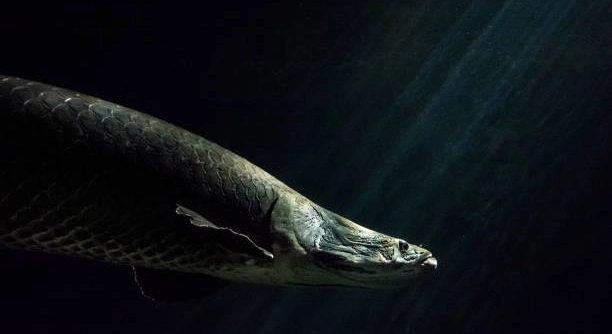
Have you ever cared for an adult arowana and wondered how to keep its feeding routine balanced each day, helping it stay healthy and comfortable in its tank without adding unnecessary stress to its environment.
Adult arowanas thrive when fed once daily with a controlled portion that supports steady growth and digestion. This schedule aligns with their natural metabolism and reduces risks linked to overfeeding, maintaining stable water conditions and well being in their habitat.
This simple feeding rhythm helps reveal other care elements that support your arowanas comfort and natural behavior over time each.
Understanding Arowana Feeding Patterns
Adult arowanas have specific feeding patterns that shape their overall health and behavior, and keeping these patterns steady can make daily care feel much easier. I like to keep things simple by focusing on consistency because it helps reduce stress for the fish and keeps the tank calm. When an adult arowana has a predictable feeding time, it tends to swim more smoothly and show stronger appetite responses. This steady routine also supports digestion, which can be sensitive if meals are too large or too frequent. Many keepers notice how their arowanas become more comfortable when they know what to expect each day, and this comfort shows in their movement and energy. Providing manageable portions with a regular schedule also keeps leftover food from disrupting water quality. With a little attention to timing and portion size, caring for an adult arowana becomes a simple process that feels balanced and rewarding.
These feeding patterns highlight how small choices influence your arowanas comfort each day, making simple routines more effective. Keeping portions steady and feeding at the same time encourages better appetite, smoother digestion, and a cleaner tank that supports long term health without adding extra work for you each and always.
Understanding these patterns also helps you recognize when your adult arowana may need small adjustments in its routine. Some fish react strongly to changes in their environment, so keeping meals consistent can prevent unnecessary stress. When feeding habits remain steady, you gain a clearer sense of what looks normal for your fish, which makes it easier to spot anything unusual. This simple awareness can guide you as you shape a feeding plan that feels realistic and comfortable. Over time, these careful choices help create a stable habitat that supports healthy appetite, peaceful behavior, and reliable digestion without complicated steps today.
Adjusting Portions and Schedule
Portion control plays a key role in keeping your adult arowana healthy, and small adjustments can make daily care feel smoother. By watching how quickly your fish eats, you can shape a routine that keeps the tank stable and prevents waste from settling in the water at any given time.
Managing portions for an adult arowana is often easier when you focus on one clear goal, which is to offer enough food to support steady health without allowing excess to drift through the tank. I like to pay attention to how quickly the fish responds when food enters the water because this reaction helps measure its interest and appetite. When an arowana eats confidently and finishes its meal in a short time, the portion is usually correct. If food lingers or falls untouched, it is a sign that you may need to reduce the amount. Keeping the feeding schedule stable also prevents digestive issues that can arise when meals are too large or too scattered throughout the day. Many keepers find that a consistent time helps their fish remain calm, since routine lowers stress and promotes peaceful movement. These small decisions build a foundation that supports your arowanas long term comfort and keeps the tank environment balanced. When you develop a steady rhythm, the feeding process becomes simple, reliable and free from unnecessary complications. This approach helps you stay confident in your routine and supports clear results that make daily care feel calm steady simple comfortable for both you always.
Recognizing Feeding Behavior Cues
Observing your adult arowanas behavior during feeding helps you understand what it needs each day. Calm movement, steady tracking, and a quick response to food show comfort. Slow reactions, hesitation, or ignoring food can signal stress or an issue that may need a small adjustment in routine for your fish.
When an adult arowana shows strong interest in its meal, it usually means the portion is appropriate and the timing feels right. Watching how it approaches the food can help you decide if the current schedule is supporting steady digestion. If the fish rises smoothly and takes the food without struggle, it is a sign that the routine is working. When movements appear rushed or frantic, it can indicate that the fish is hungry due to long gaps between meals. By noticing these small details, you can shape a feeding plan that keeps the fish calm and steady each day.
Some adult arowanas show subtle signals before feeding time, and noticing these can help you keep their routine stable. Gentle pacing near the surface or waiting in familiar spots often means the fish is expecting its meal. These behaviors can guide you when shaping the timing of feedings. When you remain consistent, the fish becomes more relaxed and shows smoother swimming patterns throughout the day. A calm response at feeding time usually reflects a balanced schedule that supports digestion. Trusting these small observations helps you adjust the routine in simple ways that make care feel manageable and steady each time.
Maintaining Water Quality During Feeding
Feeding an adult arowana always affects water quality, so keeping the tank stable depends on preventing leftover food from breaking down. Small portions help reduce waste and make filtration more effective. I like to watch the fish closely and remove anything uneaten right away because it keeps the water clear and reduces stress. Clean water supports steady appetite, smooth movement, and healthy behavior each day in a simple and consistent way that helps your fish.
Maintaining clean water during feeding becomes much easier when you focus on steady routines. Offering manageable portions keeps debris from sinking, which helps the filter work without strain. I like to give the fish enough time to finish its meal, then remove any pieces that remain. This prevents bacteria from spreading and keeps the tank odor free. Stable water also reduces the chances of digestive issues, since poor quality can irritate an arowanas system. With consistent care, the fish shows brighter activity and smoother swimming. These simple actions protect its comfort each day and support long term health without complicating your routine and they allow you to stay focused on what matters most which is keeping the environment safe stable clean for your fish always.
Choosing Suitable Food Types
Selecting food for an adult arowana is easier when you focus on simple options that support steady health. Pellets made for carnivorous fish work well, and adding occasional treats like insects can keep the fish interested without overwhelming its digestion or daily routine.
Keeping the diet consistent prevents digestive issues and helps maintain good behavior during feeding. I like to rotate between a few reliable food types, since this gives balanced nutrients while keeping the fish engaged. Stable choices also make it easier to notice how the fish reacts to each meal and adjust when needed.
Avoiding Overfeeding Risks
Overfeeding creates stress for an adult arowana, so keeping portions controlled helps maintain steady digestion and cleaner water. When the fish finishes its food quickly without leftovers drifting away, the amount is usually right. Paying attention to these small signs helps protect the health of your fish in a simple way each day.
Creating a Calm Feeding Environment
A calm environment during meals helps your adult arowana stay relaxed. Soft movement around the tank and steady lighting prevent unnecessary stress. Keeping the space peaceful allows the fish to focus on eating, which encourages smooth swimming and supports a predictable feeding routine each time.
FAQ
How often should I feed my adult arowana each day
An adult arowana usually does well with one feeding each day, and keeping this routine steady supports calm behavior and clear digestion. I like to keep portions controlled, since large meals can create stress and leave uneaten pieces drifting through the tank. When the feeding schedule remains consistent, the fish becomes more relaxed and predictable. This simple rhythm also helps maintain stable water conditions, which is important for long term comfort. Sticking to one clear routine keeps everything easier for both you and the fish, and it reduces the chances of digestive issues that can appear when meals are too frequent.
What portion size works best for an adult arowana
A manageable portion that the fish can finish in a short period is usually best. If food lingers in the water, it is a sign that the amount may be too large. I like to observe how quickly the fish responds and adjust based on its energy and appetite. When the portion is correct, the fish rises smoothly, swallows the food without hesitation, and leaves no leftovers drifting away. Keeping portions simple and consistent allows the fish to digest comfortably while preventing waste from harming water quality.
Can adult arowanas eat live food safely
Adult arowanas can eat live food, but it should be offered carefully and only as an occasional treat. Live insects like crickets or small mealworms can stimulate natural feeding instincts, but relying on them too often may create nutritional gaps. I prefer using high quality pellets as the main diet and adding live food once in a while for enrichment. If you choose to use live items, make sure they are safe and clean, since contaminated sources can introduce unwanted problems. Balancing these choices keeps the diet steady and predictable for the fish.
How can I tell if my adult arowana is still hungry after feeding
A hungry arowana often lingers near the surface or follows movement around the tank, hoping for more. If it continues pacing with focused interest after finishing its meal, it may need a slight increase in its portion. Still, it is important to increase food slowly, since too much can upset digestion or make the tank dirty. I like to watch for subtle changes in behavior, such as calmer swimming and relaxed positioning once feeding is complete. These details help confirm whether the meal size is balanced or if it needs a small adjustment.
Why does my arowana refuse food sometimes
A temporary loss of appetite can come from stress, water quality issues, or changes in the environment. When an adult arowana refuses food, I start by checking the tank conditions, since poor water can affect appetite very quickly. Sudden changes in lighting, noise, or surroundings can also cause hesitation during meals. Offering smaller portions at a steady time each day may help the fish regain confidence. If refusal continues, observing its movement and posture can provide clues about what is bothering it. Keeping the environment stable usually helps restore normal feeding patterns.
Is it normal for an adult arowana to eat slowly
Some adult arowanas naturally eat with a slower, more cautious style, especially if they are calm or older. Slow eating is fine as long as the fish finishes its food without leaving pieces behind. I like to watch how it moves during feeding. Smooth and steady movement often means the fish feels secure. If slow eating is paired with hiding or avoiding the surface, it may be reacting to stress or changes in the environment. Adjusting lighting, removing sudden noise, or keeping feeding times predictable can help the fish feel more comfortable.
Should I adjust feeding if my arowana seems less active
Lower activity can be normal at times, but if it becomes frequent, the feeding routine might need a small adjustment. Offering slightly smaller meals can help if the fish seems sluggish, since large portions may slow digestion. On the other hand, if the fish appears thinner or uninterested in its surroundings, a small increase in food may help. I like to monitor swimming patterns and body shape to decide what changes are needed. Keeping track of these subtle signals helps maintain a steady, balanced routine that supports the fish each day.
Final Thoughts
Caring for an adult arowana becomes much easier when you focus on simple routines that support its natural behavior. Feeding at a steady time each day keeps the fish relaxed and helps you understand what is normal for its appetite and movement. I like to watch small details, such as how the fish rises for food or how it settles afterward, because these signs show whether the schedule is working well. When the routine stays consistent, the fish becomes more predictable, and this makes the whole process feel calm and manageable. The goal is not to follow complicated steps but to build a gentle rhythm that keeps stress low. By keeping portions small, choosing reliable food, and paying attention to reactions during meals, you create an environment where the fish can stay healthy. With steady care, the relationship you build with the fish becomes more comfortable, and you feel more confident in your decisions each day.
Maintaining the tank also plays a large role in keeping your feeding routine successful. Uneaten food can change the water quickly, so it helps to give the fish only what it can finish without leaving pieces behind. When the water remains clear, the fish shows smoother movement and stronger appetite. I like to keep the tank as stable as possible by checking filters, watching the clarity of the water, and removing any leftover food right after feeding. These small habits protect the fish from unnecessary stress and keep its system steady. A clean environment also helps you notice changes in behavior more easily. When the tank looks calm and the fish moves with confidence, it usually means the routine is balanced. Keeping everything simple allows you to focus on what matters most, which is the health and comfort of your fish.
Over time, feeding becomes less of a task and more of a natural part of your care routine. The adult arowana will respond to your consistency, and you will start recognizing the small cues that guide your choices. These observations make daily care feel smoother, and the fish benefits from your steady attention. I like to think of feeding as a way to support the fish gently, without rushing or adding unnecessary steps. With patience and simple habits, you create a peaceful atmosphere that encourages good health and calm behavior. Every small adjustment you make helps the fish thrive in a stable space. When you keep your approach clear and steady, the feeding routine becomes something you can rely on, and your arowana gains comfort from the environment you maintain.

Hello,
If you enjoy the content that we create, please consider saying a "Thank You!" by leaving a tip.
Every little bit helps us continue crafting quality advice that supports the health, happiness, and well-being of pets around the world, for pets of all shapes, sizes, and species.
We really appreciate the kindness and support that you show us!