
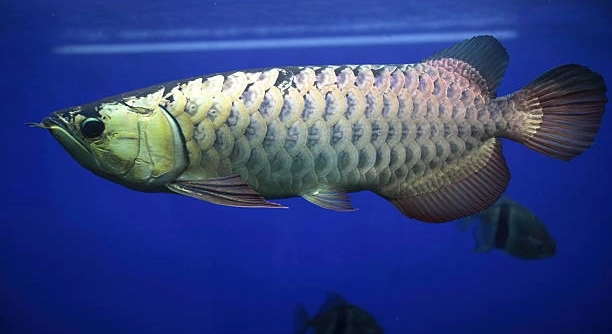
Have you ever tried keeping an arowana but noticed how sensitive it can be to small changes in its aquarium environment, making you wonder which water parameters matter most for its comfort and overall health.
The water parameters that matter most to arowana include temperature, pH, hardness, ammonia, nitrite, nitrate, and dissolved oxygen, which collectively influence metabolic stability, stress resistance, and long term vitality when maintained within consistent and appropriate ranges for their continued wellbeing.
These key factors shape the balance of your aquarium, offering a clearer understanding that supports a healthier and stable habitat.
Temperature Stability
Keeping your arowana comfortable starts with maintaining steady temperature levels that support its active nature and overall health. Sudden shifts often cause stress that can weaken its immune system and lead to unwanted behavior. A stable range helps the fish feel secure and move with confidence in its environment. Many keepers focus on consistency rather than chasing exact numbers, since the fish responds better to predictable conditions. Using a reliable heater can prevent fluctuations during cooler nights or seasonal changes, while a thermometer provides reassurance that the setup is holding steady. Regular checks help you adjust early before issues develop. When the temperature stays within a suitable range, your arowana can digest food properly and maintain healthy respiration. This basic stability also supports stronger color expression, smoother growth, and a calmer temperament. In a simple sense, steady warmth forms the foundation that allows other water parameters to stay balanced well.
Stable temperature control protects your arowana from unnecessary strain and keeps its daily rhythm steady. A predictable environment supports smooth feeding and movement while lowering stress. With fewer sudden changes, your fish can settle comfortably and maintain a more consistent state of wellbeing throughout the day and into the night.
Maintaining this kind of thermal balance also helps other parameters work together more smoothly. When temperature stays within a healthy range, beneficial bacteria perform better, filtration remains stable, and oxygen levels stay more predictable. These elements shape the core conditions your arowana depends on each day. By checking your equipment regularly and confirming that the water warms evenly, you create an environment that feels safe and stable. This simple habit reduces long term problems and supports stronger growth. Over time, your fish becomes more active, more responsive, and better able to handle minor changes that come with normal aquarium maintenance.
pH and Hardness
Arowanas rely on steady pH and hardness levels to stay healthy and responsive. Sudden shifts can irritate their gills and impact movement. Keeping these values within a suitable range supports stable metabolism and reduces stress, allowing the fish to remain calm in its habitat throughout the entire day and night.
Keeping pH and hardness stable begins with understanding how they influence the biological balance inside the aquarium. Arowanas thrive in conditions that remain steady, even if the exact numbers fall within a moderate range. Rapid changes can interrupt normal breathing patterns and weaken overall resilience, so slow adjustments are always more effective. Regular testing allows you to track trends and identify small shifts before they become stressful. Using buffers or conditioners can help maintain consistent values without overwhelming the system. Clean water, steady temperature, and dependable filtration also contribute to long term stability because each factor works closely with the others. When pH and hardness stay within a manageable range, your arowana can absorb nutrients efficiently, display brighter coloration, and express natural movement without discomfort. These elements work together to support healthy growth and calm behavior. Over time, a stable chemical balance allows your aquarium to stay predictable, giving your fish the comfort it needs to remain active and confident. This simple approach strengthens the foundation of your setup and helps you avoid preventable issues that often come from unmanaged fluctuations. By keeping these factors steady, you support lasting wellness that lets your arowana thrive with reliable comfort every day.
Ammonia Control
Ammonia needs to stay at zero because even small traces can irritate your arowana and disrupt normal behavior. Regular testing helps you notice shifts early. Clean filters, steady feeding habits, and consistent water changes keep this parameter under control and protect your fish from unnecessary stress.
Keeping ammonia down starts with preventing waste from building up faster than your system can manage. Uneaten food, excess debris, and clogged filter media raise levels quickly, especially in larger fish like arowanas. Cleaning the substrate gently and rinsing filter sponges in tank water helps keep beneficial bacteria strong. These bacteria convert ammonia into safer compounds, so any disruption weakens their performance. Good oxygen flow also supports this process by helping bacteria function smoothly. When everything works together, the tank becomes more stable. Managing feeding amounts and providing steady maintenance makes this parameter easier to control, creating a safer space for your fish.
A balanced nitrogen cycle strengthens long term stability. When ammonia remains at zero, your arowana can breathe comfortably and move without irritation. Strong filtration supports this balance by breaking down waste before it becomes harmful. Keeping the tank lightly stocked gives the system room to process waste efficiently. Regular checks ensure that spikes are handled early. As the tank matures, the cycle becomes more dependable, helping your fish stay active, calm, and responsive. Simple routines protect your setup and give your arowana a healthier living space.
Nitrite Management
Nitrite must stay at zero because even low levels can interfere with healthy oxygen transport. Routine testing and quick response to changes keep your arowana safe. Clean filtration, steady feeding control, and regular water changes all support stable nitrite levels and prevent avoidable stress.
Nitrite rises when the biological filter is overwhelmed or unstable. Supporting the bacteria that convert nitrite into nitrate keeps this parameter low and predictable. Gentle filter maintenance ensures their colony stays strong without stripping away helpful microbes. Adding oxygen through proper surface movement helps these bacteria work efficiently, improving overall stability. Avoiding sudden changes in temperature and pH prevents disruptions to the cycle. When nitrite remains controlled, breathing remains easy for your arowana, and gill stress stays low. Over time, consistent habits create an environment where fluctuations are rare, leaving your fish comfortable, steady, and well supported in its daily activity.
Nitrate Levels
Nitrate needs to stay low because long exposure can affect your arowana’s energy and color. Regular testing, steady water changes, and avoiding excess food help keep this value manageable. A clean filter and healthy plants can also support lower readings over time.
Keeping nitrate controlled supports stable behavior and smoother growth. Waste buildup raises nitrate steadily, so removing debris and trimming plants helps reduce accumulation. Smaller but frequent water changes often work better than large ones. When nitrate stays within a safe range, your arowana remains more active and comfortable.
Dissolved Oxygen
Dissolved oxygen supports breathing, digestion, and movement. Good oxygen levels come from proper surface agitation, clean filters, and steady temperature control. Overcrowding reduces oxygen quickly, so giving your arowana enough swimming space helps keep levels stable. Strong circulation helps maintain a more consistent oxygen supply.
Water Movement
Water movement helps distribute heat, oxygen, and nutrients evenly. A steady current supports natural behavior and reduces stagnant spots. This simple balance helps your arowana stay comfortable and more responsive.
FAQ
How often should I test my water for arowana?
Testing should be done at least once a week for all major parameters, including ammonia, nitrite, nitrate, pH, and temperature. If the tank is newly set up or has recent changes, more frequent checks help catch issues early. Regular testing ensures that your arowana remains healthy and that any imbalances are corrected before they cause stress or illness. Using simple test kits can give accurate results without adding stress to the fish. Keeping a log of readings over time also helps you spot trends and plan maintenance routines more effectively.
What is the ideal temperature range for arowanas?
Arowanas do best between 75°F and 82°F. Staying within this range promotes proper metabolism, digestion, and immune response. Sudden fluctuations can stress the fish and lead to behavioral changes or weakened health. Consistent heating and a reliable thermometer are essential for keeping the environment stable.
How do I control ammonia in my tank?
Ammonia levels should always be zero. Overfeeding, leftover food, and decaying plant matter are common sources of ammonia spikes. Frequent water changes, proper filtration, and monitoring feeding amounts are effective ways to control ammonia. Beneficial bacteria in the filter convert ammonia to less harmful compounds, so maintaining a healthy bacterial colony is key.
Can pH changes harm my arowana?
Yes, sudden pH changes can irritate gills, affect metabolism, and make your arowana more susceptible to disease. Keeping pH within a stable range of 6.5 to 7.5 is ideal. Using buffers or water conditioners can prevent abrupt shifts, and slow adjustments are always safer than quick changes.
What nitrate level is safe for arowanas?
Nitrate should remain under 40 ppm. Higher levels over time can reduce energy, affect coloration, and make the fish more prone to illness. Frequent water changes, substrate cleaning, and trimming live plants can help manage nitrate accumulation. Consistent monitoring prevents long-term problems.
How do I ensure proper oxygen levels?
Good oxygen comes from surface movement, clean filters, and sufficient circulation. Avoid overcrowding, as too many fish reduce oxygen availability. Adding aeration devices or adjusting water flow helps maintain stable dissolved oxygen. Adequate oxygen supports breathing, digestion, and activity levels.
How often should water changes be done?
Partial water changes of 20–30% every week or two help maintain stable water parameters. In heavily stocked tanks or those with feeding fluctuations, more frequent changes may be necessary. Water changes remove nitrates, replenish minerals, and support a healthier tank environment.
How can I reduce water hardness if needed?
Using reverse osmosis water, softening agents, or partial water changes can help manage hardness. Stable hardness supports gill function and overall fish comfort. Sudden drops or spikes should be avoided, as they can stress your arowana.
Why is water movement important?
Proper water movement ensures even temperature distribution, oxygen circulation, and waste removal. Stagnant areas can reduce oxygen and increase debris buildup, which stresses your arowana. Pumps or filters that maintain gentle flow help your fish swim naturally and stay comfortable.
What signs show my water parameters are off?
Unusual behavior, sluggish swimming, loss of appetite, faded coloration, or rapid gill movement are indicators. Testing water parameters immediately when you notice these signs can prevent serious health issues. Early detection is essential for long-term wellbeing.
How do I keep all parameters stable simultaneously?
Consistency is key. Regular testing, proper filtration, careful feeding, and scheduled water changes all work together. Avoid making multiple adjustments at once, and focus on gradual corrections. Keeping a log helps track patterns and prevent sudden changes that can stress your arowana.
Are live plants helpful for arowana tanks?
Yes, live plants absorb nitrates, improve oxygen, and provide a more natural environment. Choose hardy plants that can tolerate your tank conditions. They also create visual interest and subtle hiding spots, supporting calmer behavior in your arowana.
How can I prevent sudden parameter changes during maintenance?
Always match new water temperature and pH with the tank before adding it. Avoid over-cleaning filters, which can remove beneficial bacteria. Gentle adjustments, gradual water replacement, and careful observation reduce the risk of stress.
How do I balance feeding with water quality?
Feed only what your arowana can eat in a few minutes. Overfeeding leads to excess waste, which affects ammonia and nitrate levels. Consistent feeding schedules support stable water conditions and maintain healthy digestion for your fish.
What equipment is essential for monitoring parameters?
Reliable thermometer, test kits for ammonia, nitrite, nitrate, and pH, a quality filter, and possibly aeration devices are essential. Regular monitoring with this equipment helps prevent issues and keeps your arowana in a stable, healthy environment.
Maintaining the right water parameters for your arowana is essential for its health, growth, and overall wellbeing. Each parameter plays a unique role in creating a balanced environment. Temperature affects metabolism and digestion, while pH and hardness influence gill function and comfort. Ammonia, nitrite, and nitrate levels are directly linked to the nitrogen cycle, which keeps the water safe for your fish. Dissolved oxygen ensures proper breathing, and consistent water movement distributes heat, oxygen, and nutrients evenly. Paying attention to all of these elements together creates a stable environment where your arowana can thrive. Ignoring even one factor can lead to stress, illness, or poor growth, so understanding the interactions between parameters helps in maintaining long-term stability.
Consistency is key when caring for an arowana. Small, gradual changes are much safer than sudden adjustments, whether you are correcting pH, temperature, or hardness. Regular testing and careful observation are the most effective ways to notice early signs of imbalance before they escalate. Simple routines like partial water changes, filter maintenance, and feeding control support all water parameters simultaneously. Even minor improvements in your routine can have a noticeable effect on the behavior, activity level, and coloration of your fish. Over time, these consistent habits create a reliable and predictable environment, reducing stress for both you and your arowana. A predictable tank also allows you to enjoy observing natural behaviors without worrying about hidden problems.
Creating and maintaining a healthy habitat for your arowana does require attention and effort, but the results are rewarding. A balanced aquarium encourages strong growth, vibrant colors, and calm, active behavior. Understanding how temperature, pH, hardness, ammonia, nitrite, nitrate, dissolved oxygen, and water movement interact allows you to make informed decisions and maintain stability more efficiently. By following simple, regular maintenance routines and monitoring your tank carefully, you can prevent common problems and keep your fish comfortable. These efforts not only support the physical health of your arowana but also promote a more engaging and enjoyable experience as a caretaker, knowing your fish is thriving in a stable and well-maintained environment.

Hello,
If you enjoy the content that we create, please consider saying a "Thank You!" by leaving a tip.
Every little bit helps us continue crafting quality advice that supports the health, happiness, and well-being of pets around the world, for pets of all shapes, sizes, and species.
We really appreciate the kindness and support that you show us!