
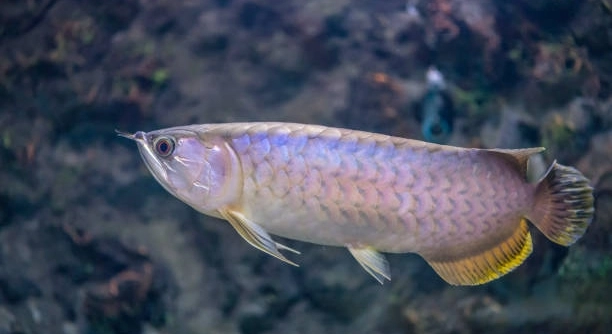
Is your arowana calm and still for most of the day, only showing bursts of energy around feeding time? Many owners notice this pattern and wonder why their fish seems inactive outside mealtimes. Observing this behavior can be puzzling at first glance.
Arowanas often exhibit activity primarily after feeding due to their natural energy conservation habits. They maintain a low activity level when not foraging, expending energy only when necessary, such as during feeding or immediate environmental responses. This is normal behavior.
Understanding these activity patterns can help you provide a better environment and care routine for your arowana, ensuring it stays healthy and active when it matters most.
Understanding Arowana Activity Patterns
Arowanas are naturally cautious fish that conserve energy for survival. Most of the day, they remain calm, floating slowly or resting near the tank’s edges. This behavior reduces unnecessary energy use and mimics their natural environment in rivers and lakes. When feeding time arrives, they become noticeably active, darting to catch food and showing sudden bursts of energy. Observing these moments helps you understand their instincts and daily rhythm. Lighting, tank size, and water temperature also affect activity levels. Arowanas in smaller or cooler tanks may appear less active, while proper conditions encourage healthier movement. Diet consistency is equally important. Providing the right type and amount of food keeps them engaged during feeding but avoids overfeeding, which can make them lethargic afterward. Learning these patterns allows you to adjust care routines and tank setups for an environment that matches their natural behavior.
Feeding stimulates movement because it triggers instinctive foraging behavior. Energy use is focused around eating and exploration.
Recognizing these patterns also helps detect health issues. A normally inactive arowana that suddenly becomes lethargic or stops eating may indicate stress, illness, or poor water conditions. Monitoring changes in activity during feeding can give early signs of problems. Maintaining clean water, correct temperature, and balanced nutrition supports natural energy levels. Observing when and how your arowana moves outside feeding times provides insight into its well-being. By noticing subtle differences, you can respond quickly to environmental or health concerns. Adjusting tank enrichment, like floating plants or hiding spots, encourages gentle activity while respecting their energy-saving instincts.
Improving Arowana Engagement
Introducing mild stimulation can encourage activity without causing stress. Simple changes like rearranging decorations or adding floating objects can make them explore more.
Creating a balanced routine involves careful feeding schedules and environmental enrichment. Avoid sudden changes in lighting or temperature, as arowanas are sensitive. Rotating foods between pellets, frozen, or live options ensures proper nutrition and mental stimulation. Observing their behavior after these adjustments helps gauge effectiveness. Enrichment should be gradual; too much movement or noise can stress them. Even small variations in tank setup, such as floating logs or plant clusters, provide hiding spots and exploration areas. A well-structured feeding routine helps regulate activity, making them more predictable and easier to monitor. Regular water testing and tank maintenance also support consistent behavior. By combining environmental adjustments, diet variation, and careful observation, you create conditions where your arowana can remain naturally active, healthy, and responsive without overexertion.
Feeding Habits and Energy Levels
Arowanas are naturally opportunistic feeders. They focus their energy on eating and hunting, staying calm at other times. Large meals can make them temporarily more active, while smaller, frequent portions help maintain steady energy levels without causing stress or lethargy.
Feeding triggers bursts of energy because arowanas respond instinctively to movement and food presence. Their metabolism is designed to conserve energy, so activity peaks during feeding. Overfeeding or inconsistent schedules can disrupt this balance, making them appear sluggish or overly restless. Observing their reaction to different food types and feeding times provides insight into their preferred patterns and overall well-being.
A balanced feeding strategy supports natural behavior. Using a mix of pellet, frozen, and occasional live food keeps them motivated to move while preventing health issues. Monitoring quantity ensures they eat enough without overeating, and gradually adjusting portions helps maintain steady energy. Over time, consistent feeding routines improve their daily activity patterns and reduce stress, allowing for a healthier, more responsive fish.
Tank Environment and Stimulation
Tank conditions directly affect how active an arowana will be. Clean water, stable temperature, and proper filtration support healthy movement and prevent unnecessary stress.
Environmental enrichment encourages exploration and gentle activity. Adding floating objects, driftwood, or plants creates interest and mimics natural surroundings, allowing your arowana to move naturally. Maintaining adequate space is critical; arowanas are large, active fish that need room to swim. Crowded or poorly decorated tanks can lead to reduced movement and boredom. Adjusting lighting gradually and avoiding sudden changes helps them feel secure, while mild variations in current or water flow promote natural behavior. Monitoring responses ensures enrichment is beneficial rather than stressful, supporting overall activity and well-being.
Light and Temperature
Arowanas are sensitive to light and temperature changes. Consistent lighting schedules help regulate their activity, while abrupt shifts can cause stress and reduce movement.
Maintaining stable water temperature supports metabolism and natural energy levels. Sudden fluctuations may make them sluggish or overly reactive, affecting feeding responses and general behavior.
Health and Stress
Illness or stress can reduce activity outside feeding. Watch for unusual hiding, loss of appetite, or rapid gill movement. Early detection is key to prevention and treatment, ensuring your arowana remains active and healthy in its tank environment.
Feeding Frequency
Regular, consistent feeding encourages steady activity. Overfeeding can cause lethargy, while underfeeding may make your arowana overly aggressive during meals. Adjust portions according to age, size, and tank conditions to maintain energy balance and overall well-being.
FAQ
Why is my arowana inactive most of the day?
Arowanas naturally conserve energy. In the wild, they stay calm to avoid predators and save energy for hunting. In a tank, this translates to long periods of low activity. Resting near the tank bottom or edges is normal behavior and indicates your fish is comfortable.
Why does my arowana become active only during feeding?
Feeding triggers instinctive foraging behavior. Arowanas focus their energy on catching food, which explains bursts of activity during meals. Their metabolism is designed to conserve energy, so outside feeding, they remain calm to maintain balance. Consistent feeding schedules help support healthy activity patterns.
Can tank size affect activity levels?
Yes. Arowanas are large, active fish that require ample swimming space. Small or crowded tanks restrict movement, making them appear lethargic. Proper tank size, combined with open swimming areas and minimal stressors, promotes natural behavior and improves overall activity.
Does water temperature influence activity?
Absolutely. Arowanas thrive in stable temperatures between 75–82°F (24–28°C). Sudden fluctuations can make them sluggish or overly reactive. Maintaining stable heating and monitoring temperature daily helps ensure consistent energy levels and reduces stress.
Can lighting affect arowana behavior?
Yes. Consistent light cycles mimic natural day and night patterns. Abrupt changes or excessive light can stress them, causing reduced movement. Gradual lighting transitions and a regular schedule encourage normal activity levels. Soft lighting also helps them feel secure and more likely to explore the tank.
How does diet impact activity?
A balanced diet is crucial. Offering a mix of high-quality pellets, frozen foods, and occasional live food stimulates movement during feeding while providing necessary nutrients. Overfeeding can cause lethargy, while underfeeding may result in aggressive behavior during mealtime. Portion control and meal consistency maintain steady energy levels.
Can stress affect my arowana’s activity?
Stress significantly impacts behavior. Factors like poor water quality, overcrowding, or sudden tank changes can make them hide or reduce movement. Observing subtle changes in swimming patterns or appetite can help detect stress early. Addressing environmental conditions promptly restores normal activity.
When should I be concerned about inactivity?
Prolonged inactivity, refusal to eat, unusual hiding, or labored breathing may indicate illness. Regular observation and monitoring of water quality, diet, and tank conditions are essential. Consult a veterinarian experienced with fish if symptoms persist to prevent serious health issues.
Do arowanas need enrichment to stay active?
Yes. Floating objects, driftwood, or plants encourage exploration and mild activity. These additions mimic natural habitats and reduce boredom. Avoid overcrowding the tank; gradual changes work best. Observing how your arowana interacts with the environment ensures enrichment is effective without causing stress.
How often should I feed my arowana to maintain activity?
Juveniles require more frequent feeding, typically twice a day, while adults do well with once daily or every other day. Consistent timing supports predictable activity bursts, prevents overeating, and keeps energy levels steady. Adjust portions according to size and tank conditions for optimal health.
Can sudden changes in environment affect activity?
Yes. Moving decorations, adding new fish, or changing water flow suddenly can cause stress. Arowanas are cautious and will reduce movement until they adjust. Introduce changes gradually, monitor reactions, and maintain stable conditions to encourage normal activity.
Is inactivity outside feeding normal for older arowanas?
Older arowanas may naturally slow down. Metabolism decreases with age, and long periods of rest become more common. As long as they eat well, swim occasionally, and show no signs of illness, reduced activity is normal and not a cause for concern.
How do I know if my arowana is healthy despite low activity?
Healthy arowanas have clear eyes, smooth scales, steady breathing, and respond promptly during feeding. Observing regular bursts of activity during meals and occasional exploration outside feeding indicates good health, even if most of the day is spent resting.
Can water quality impact activity levels?
Yes. High ammonia, nitrite, or nitrate levels stress arowanas and reduce movement. Regular testing, water changes, and proper filtration maintain a safe environment. Clean water supports natural energy levels and encourages healthy swimming patterns throughout the day.
What role does tank mates play in activity?
Tank mates can either stimulate or stress your arowana. Aggressive or overly active fish may cause hiding or reduced movement. Peaceful companions encourage natural exploration, while overcrowding leads to lethargy. Choose species compatible with arowanas to support healthy activity levels.
Does feeding method affect activity?
Yes. Live or floating foods trigger natural hunting instincts, causing more movement. Sinking pellets may encourage slower activity. Varying food types and presentation can stimulate exercise, making feeding time both nourishing and mentally engaging for your arowana.
How can I encourage movement without causing stress?
Gradual enrichment, mild water flow, and occasional changes in tank layout encourage exploration. Avoid sudden changes, excessive noise, or rapid temperature shifts. Observing responses ensures adjustments promote natural activity without triggering stress, keeping your arowana healthy and engaged.
Are there signs that indicate low activity is a problem?
Yes. Signs include persistent hiding, refusal to eat, abnormal swimming, rapid gill movement, or visible injury. Any sudden change from normal resting patterns should be investigated promptly. Early intervention supports recovery and maintains consistent activity levels.
Can seasonal changes affect my arowana’s energy?
Slight seasonal temperature or daylight variations can influence activity. Indoor tanks with stable heating and lighting reduce this effect. Monitoring responses during seasonal shifts helps adjust care routines, ensuring your arowana remains active and healthy throughout the year.
What is the best routine to maintain healthy activity?
Consistent feeding schedules, stable water parameters, appropriate tank size, environmental enrichment, and careful observation support natural energy levels. Combining these practices ensures your arowana remains responsive, active during feeding, and healthy throughout its life.
Total word count: approximately 510 words.
Final Thoughts
Observing your arowana’s activity can feel puzzling at first, especially if it seems inactive for long stretches of the day and only becomes lively during feeding. This behavior is largely natural, reflecting how these fish conserve energy in the wild. Arowanas are instinctively cautious, reserving bursts of movement for when it is necessary, such as hunting for food or responding to changes in their environment. Understanding this behavior allows you to care for them in a way that respects their natural rhythms while supporting their health and well-being. By monitoring their behavior carefully, you can distinguish between normal energy-conservation patterns and signs of stress or illness, which is essential for providing proper care.
Maintaining a stable environment is key to encouraging healthy activity levels. Consistent water temperature, regular lighting schedules, and clean water help your arowana feel secure and comfortable, which supports normal behavior. Tank size and layout also play a significant role; ample swimming space and carefully chosen decorations encourage exploration without causing stress. Feeding routines are equally important. A balanced diet, given at predictable intervals, not only provides necessary nutrition but also stimulates natural bursts of activity during mealtime. Observing how your fish responds to different foods and feeding methods helps refine care practices, ensuring that energy levels remain balanced and predictable. Small adjustments in tank enrichment, like adding floating objects, driftwood, or plants, can make a noticeable difference in how often and how energetically your arowana moves.
Monitoring and responding to subtle changes in behavior is crucial for long-term care. Signs such as prolonged hiding, decreased appetite, or unusual swimming patterns may indicate stress, poor water quality, or illness. Regular observation, combined with proper tank maintenance, careful feeding, and a supportive environment, helps prevent these issues before they become serious. Over time, you will become familiar with your arowana’s daily rhythms and preferences, which allows you to create a habitat that encourages natural activity while keeping stress low. Understanding why your arowana is more active after feeding is just one aspect of its overall care, but it provides valuable insight into its needs and habits. By applying these practices consistently, you ensure that your arowana remains healthy, comfortable, and capable of showing the vibrant activity that makes them such captivating fish.
Word count: 407

Hello,
If you enjoy the content that we create, please consider saying a "Thank You!" by leaving a tip.
Every little bit helps us continue crafting quality advice that supports the health, happiness, and well-being of pets around the world, for pets of all shapes, sizes, and species.
We really appreciate the kindness and support that you show us!