
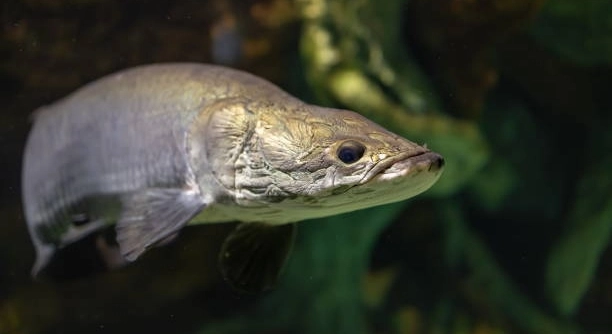
Are your Arowanas showing signs of stress in their tank, such as reduced activity or loss of appetite? Many hobbyists face challenges in maintaining a calm and healthy environment for these beautiful fish, which can impact their overall well-being.
Maintaining optimal water quality, providing adequate hiding spaces, controlling light and temperature, monitoring feeding routines, and minimizing sudden disturbances are proven methods to reduce stress in Arowanas. Consistent care and observation ensure a healthier, more balanced aquatic environment for long-term fish health.
Following these simple strategies will help your Arowanas thrive, creating a more peaceful tank and fostering a stronger bond with your aquatic pets.
Maintain Consistent Water Quality
Keeping the water in your Arowana tank clean is essential for their health. I always check the water parameters every few days, making sure ammonia, nitrite, and nitrate levels remain low. Changing about 20–25% of the water weekly helps maintain stability. Using a reliable filter that suits the tank size ensures proper circulation and keeps debris from settling. I also monitor pH levels, aiming for a slightly acidic to neutral range depending on the species. Temperature stability matters too, as sudden fluctuations can stress your fish. Regular cleaning of the tank walls, decorations, and substrate prevents the buildup of harmful bacteria. By establishing a simple routine, the tank remains predictable, which Arowanas appreciate. Observing your fish daily allows you to notice subtle changes in behavior that might indicate stress. Small adjustments in water care can have a big impact on their comfort and overall health, making maintenance an important part of daily care.
Regular water checks and weekly changes keep your Arowanas healthier and calmer, minimizing stress-related behavior.
A steady water routine gives Arowanas a stable environment, which supports normal swimming patterns, feeding, and overall activity. Over time, consistent care reduces the likelihood of disease outbreaks and helps fish recover faster if minor issues occur. Proper filtration, water replacement, and monitoring routines all contribute to creating a peaceful habitat. Even small tanks benefit from these practices, as predictability reduces sudden environmental stressors. As a result, fish become more active, show brighter colors, and interact better with their surroundings. Daily observation allows early detection of potential problems before they escalate, which is especially important for large and sensitive Arowanas. Establishing this rhythm not only protects the fish but also makes tank management less stressful for the owner. Implementing these practices gradually ensures long-term stability and promotes a healthier, calmer aquarium environment, supporting the natural behaviors and growth of your Arowanas.
Provide Adequate Hiding Spaces
Arowanas feel more secure with spots to retreat. Adding floating plants or decorative caves creates shelter and reduces anxiety in the tank.
Creating these spaces encourages natural behavior, as the fish can explore safely while resting when needed.
Hiding spots also help in multi-fish tanks, preventing aggression and territorial disputes. By carefully placing decorations and plants, the tank remains open enough for swimming while offering shelter. Using smooth surfaces avoids injuries to their delicate scales and fins. Observing how the fish use these areas informs future adjustments, ensuring each Arowana has a comfortable retreat. Over time, they will use these spaces regularly, which reduces erratic swimming and sudden jumps, signs of stress. Simple additions like driftwood or artificial caves make a noticeable difference without overcrowding the tank. Balancing open swimming areas with secure retreats supports mental and physical well-being. Fish that feel safe are more likely to feed consistently and display vibrant coloration. Providing thoughtful hiding spaces fosters a calmer tank atmosphere, encouraging positive interactions and healthy daily routines.
Control Lighting and Temperature
Proper lighting and temperature help reduce stress in Arowanas. I keep the tank light consistent and avoid sudden changes, while maintaining water temperature within the species’ preferred range.
Sudden shifts in light can startle Arowanas, causing erratic swimming or hiding. Using a timer ensures a stable day-night cycle, which supports natural behavior and feeding schedules. Keeping the tank away from direct sunlight prevents temperature spikes and algae growth. A heater with a reliable thermostat maintains warmth, especially in cooler months, while fans or chillers help avoid overheating. Consistency allows the fish to adapt comfortably to their environment, reducing anxiety and promoting healthy activity levels.
Gradual changes in temperature and light minimize stress. Observing how Arowanas respond to adjustments ensures they remain calm and active, improving overall tank harmony and fish well-being.
Monitor Feeding Routines
Regular and measured feeding prevents overfeeding, which can harm Arowanas. I offer meals at consistent times and remove leftovers promptly.
Overfeeding can lead to water quality problems and digestive stress. Feeding smaller portions multiple times a day is better than one large meal. Using a varied diet of pellets, live foods, and occasional frozen options keeps them healthy. Observing how much your fish consumes helps adjust portion sizes and prevents waste. Uneaten food should be removed to avoid ammonia spikes, which affect both water quality and fish comfort. Feeding at predictable times creates a sense of routine that Arowanas respond to positively, reducing erratic behavior or aggression. This routine also supports growth, coloration, and natural activity patterns, making the tank more stable and less stressful. Proper feeding practices directly influence both health and calmness, ensuring your fish thrive in a balanced environment.
Minimize Sudden Disturbances
Arowanas are sensitive to sudden movements around the tank. I avoid tapping on the glass or rearranging decorations abruptly, which helps them stay calm.
Keeping the environment predictable reduces startle responses. Limiting loud noises and rapid changes around the tank prevents stress and supports steady behavior.
Regular Tank Observation
Daily observation allows me to notice subtle changes in behavior or appearance. Monitoring fins, scales, and swimming patterns helps identify stress early.
Regular checks also ensure equipment is functioning properly. Watching how Arowanas interact with their environment helps in adjusting care routines. Consistent observation allows for timely interventions and keeps the fish healthy.
Gentle Handling
When maintenance requires handling, I move fish carefully using a soft net. Sudden or rough movements increase stress and risk of injury.
Handling should be brief and intentional. Avoid chasing or overcrowding during transfers, as calm movement helps Arowanas feel safer and reduces unnecessary anxiety.
FAQ
How often should I change the water in my Arowana tank?
I usually change about 20–25% of the water weekly. This keeps ammonia and nitrate levels low while maintaining a stable environment. Smaller or larger tanks may need slight adjustments, but consistency is key to keeping Arowanas calm and healthy.
What is the ideal water temperature for Arowanas?
Most Arowanas thrive between 75°F and 82°F. I use a reliable heater with a thermostat to maintain this range. Avoid sudden fluctuations, as rapid temperature changes can stress the fish and disrupt feeding behavior.
Can Arowanas live with other fish?
Yes, but careful selection is important. I choose tank mates that are large enough not to be eaten and calm enough to avoid triggering aggression. Proper hiding spaces and sufficient swimming area reduce territorial conflicts.
How do I know if my Arowana is stressed?
Signs include erratic swimming, hiding constantly, loss of appetite, or clamped fins. I watch daily for subtle behavior changes, as early detection allows me to adjust the environment before problems escalate.
What foods are best for reducing stress?
A balanced diet of high-quality pellets, live foods like small fish or insects, and occasional frozen foods works best. I feed smaller portions multiple times a day rather than a single large meal, which helps maintain digestion and reduces anxiety.
Should I use a filter and how strong should it be?
A filter appropriate for your tank size is essential. I select one that circulates water efficiently without creating strong currents, as Arowanas prefer moderate flow. Proper filtration reduces waste and maintains water quality, keeping stress levels low.
How much lighting do Arowanas need?
Moderate lighting with a stable day-night cycle works best. I use a timer to provide about 10–12 hours of light per day. Sudden bright lights or rapid changes can startle the fish, so gradual transitions are ideal.
Are decorations important for stress reduction?
Yes, hiding spots like floating plants, driftwood, or caves give Arowanas a sense of security. I arrange them so swimming space remains open but retreat areas are available. This balance helps reduce aggression and supports natural behavior.
Is handling necessary, and how should it be done?
Handling should be minimal. When required for maintenance, I use a soft net and move the fish gently. Avoid chasing or sudden movements, as this can injure the fish and increase stress significantly.
How can I maintain water quality easily?
Regular water changes, proper filtration, and monitoring parameters like pH, ammonia, nitrites, and nitrates are essential. I test water weekly and make small adjustments gradually, which keeps Arowanas comfortable and reduces long-term stress.
Can stress affect Arowana growth or coloration?
Yes, prolonged stress can slow growth and dull colors. I focus on stable water conditions, balanced feeding, and calm surroundings, which helps the fish maintain vibrant colors and grow steadily over time.
How do I manage aggressive behavior in the tank?
Providing hiding spots, adequate space, and observing social interactions helps. If one fish becomes too dominant, I may separate them temporarily. I also avoid overcrowding, as this is a common trigger for aggression.
Is it necessary to monitor behavior daily?
Yes, daily observation helps catch early signs of stress or illness. I watch swimming patterns, appetite, and interactions, which allows me to act quickly and maintain a peaceful, healthy environment.
Can water conditioners reduce stress?
Water conditioners that remove chlorine or detoxify heavy metals are useful. I always treat new water before adding it to the tank to avoid shocking the fish and to keep them calm.
How long should I wait to adjust the tank environment?
Changes should be gradual. I adjust temperature, lighting, or decorations slowly over days. Abrupt changes can cause stress, while gradual adjustments let Arowanas acclimate comfortably and maintain normal behavior.
This FAQ provides practical steps and observations I use daily to ensure Arowanas remain healthy, calm, and thriving in their tank environment. Consistency, careful monitoring, and attention to detail make the biggest difference.
Final Thoughts
Keeping Arowanas healthy and stress-free requires consistent care and attention. Every detail in their environment matters, from water quality to tank setup. I have learned that even small changes can make a noticeable difference in their behavior and overall well-being. A stable routine, including regular water changes, proper feeding, and consistent lighting, helps create a calm environment. Observing the fish daily allows me to spot early signs of stress, such as erratic swimming or loss of appetite. Acting promptly to adjust water parameters or tank conditions can prevent more serious problems later. Simple practices, like adding hiding spots or arranging decorations carefully, also help the fish feel secure. Over time, these routines become second nature, making it easier to maintain a healthy and peaceful tank.
Stress in Arowanas can affect not only their behavior but also their growth, coloration, and appetite. I have noticed that fish in a stable environment with minimal disturbances tend to be more active, feed reliably, and display brighter colors. Providing a balanced diet of pellets, live foods, and occasional frozen options supports their nutrition while reducing anxiety around feeding times. Controlling the tank temperature and avoiding sudden shifts in lighting or water conditions are equally important. I make sure that any maintenance tasks, like cleaning or handling, are done gently and with care. By keeping the tank predictable and observing their behavior, the fish adapt better and remain calmer. These small but consistent steps contribute significantly to long-term health and reduce the likelihood of disease or aggressive behavior.
Ultimately, maintaining a stress-free tank requires a combination of proper setup, careful observation, and routine maintenance. I focus on creating an environment that is both comfortable and predictable, which allows Arowanas to thrive naturally. Regular water checks, balanced feeding schedules, and thoughtfully placed hiding spots all play a role in supporting their physical and mental health. Even minor adjustments in lighting, filtration, or decoration placement can have a calming effect. Over time, the fish become more confident, active, and vibrant, reflecting the care put into their environment. Keeping Arowanas stress-free is a continuous effort, but the rewards are clear: healthier fish, a more stable tank, and the satisfaction of knowing they are living in a well-maintained and safe space. By prioritizing consistency and careful observation, anyone can create a supportive environment that enhances the quality of life for their Arowanas.

Hello,
If you enjoy the content that we create, please consider saying a "Thank You!" by leaving a tip.
Every little bit helps us continue crafting quality advice that supports the health, happiness, and well-being of pets around the world, for pets of all shapes, sizes, and species.
We really appreciate the kindness and support that you show us!