
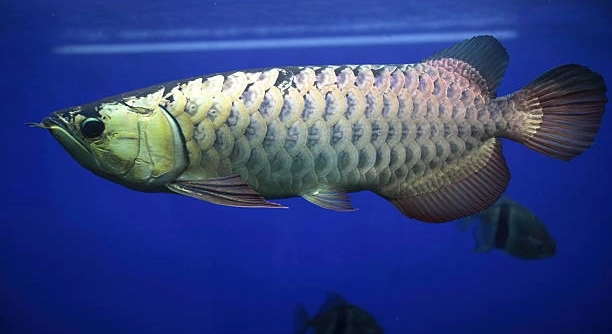
Arowanas are known for their majestic appearance and lively movements, making them a fascinating addition to home aquariums. These fish, however, can sometimes leap suddenly, surprising even experienced owners. Understanding this behavior can help maintain a safe environment.
Arowanas often leap due to stress, inadequate tank conditions, or sudden environmental changes. Insufficient water quality, lack of hiding spots, and inappropriate tank size can trigger this instinctive behavior, which is a natural response to threats or discomfort in their surroundings.
Learning the triggers behind these leaps is essential for preventing injuries and maintaining a healthy tank. Proper care and observation can ensure your arowana thrives without sudden surprises.
Common Reasons Arowanas Leap
Arowanas are strong, active swimmers, and their leaping behavior often comes from instinct. They may jump when startled by sudden movements near the tank, reflections on the glass, or even loud noises. Tank conditions play a major role in this behavior. Poor water quality, such as high ammonia or low oxygen, can make them uneasy. Similarly, small tanks without enough swimming space can make an arowana feel confined, increasing the likelihood of jumping. Some owners notice leaps during feeding times, as the fish react quickly to sudden food movement. Additionally, insufficient hiding spots or a lack of cover in the aquarium can create stress. Natural instincts also drive them to explore the surface, especially if their tank doesn’t resemble their natural habitat. Recognizing and addressing these factors can greatly reduce unexpected leaps and keep your arowana healthier and safer in its environment.
Leaps are rarely random; they usually indicate discomfort or stress that needs attention.
Monitoring water quality, tank size, and environmental enrichment is key to preventing sudden jumps. A consistent routine helps the fish feel secure.
Preventing Arowana Leaps
Providing a proper tank setup is essential for safety.
Arowanas need large tanks with high water quality and stable conditions to reduce stress. Maintaining the right temperature and pH levels is critical. Covering the tank and adding plants or decorations can give a sense of security, limiting sudden jumps. Feeding routines should be predictable, and care should be taken not to startle the fish. Regular observation allows owners to spot early signs of agitation, such as rapid swimming or fin clamping. Adjusting lighting gradually rather than suddenly can also prevent reflexive leaps. Ensuring that the water is clean and oxygenated improves overall comfort. Monitoring behavior over time helps identify patterns and adjust the environment accordingly. Attention to these details provides a safer, calmer setting for arowanas, reducing the frequency of leaps. A consistent care plan supports both health and well-being, making the aquarium safer for both fish and owner alike.
Feeding and Nutrition
Proper feeding helps reduce sudden leaps.
Arowanas need a balanced diet with high-quality pellets, live food, or frozen options. Overfeeding or underfeeding can cause stress, leading to jumps. Feeding small portions multiple times a day keeps them comfortable and less reactive to sudden movements near the tank.
Offering variety in their diet ensures they receive necessary nutrients and stay mentally stimulated. Live food, like small fish or insects, encourages natural hunting behavior, while pellets provide consistent nutrition. Avoid sudden changes in diet, as this can trigger stress. Feeding in the same location and at consistent times helps arowanas feel secure, which lowers the likelihood of sudden leaps.
Observing how your arowana reacts during feeding can reveal underlying issues. If it jumps excessively at mealtime, consider adjusting portion size, food type, or feeding schedule. Consistency builds confidence and minimizes stress, improving overall behavior and health.
Tank Environment and Safety
A secure tank environment prevents accidents.
Tank covers are essential for keeping arowanas from jumping out. Decorations and plants provide hiding spots and reduce stress. Adequate swimming space and proper water filtration improve comfort. Sudden light changes or loud noises can trigger leaps, so gradual adjustments are better.
Maintaining a stable environment involves regular water testing for ammonia, nitrite, nitrate, and pH levels. Large tanks with open swimming areas reduce stress and give arowanas room to exercise naturally. Floating plants or driftwood offer both visual interest and safe zones, preventing panic responses. Avoid placing tanks in high-traffic areas to limit sudden disturbances. Consistent lighting, temperature, and feeding routines help the fish feel secure. By addressing these factors, you minimize risks of injury and promote healthier, calmer behavior in your arowana.
Signs of Stress
Rapid swimming and constant surface exploration are common signs.
Clamped fins, loss of appetite, or unusual aggression also indicate stress. Observing these behaviors early helps prevent leaps and injuries.
Water Quality
Clean, oxygen-rich water keeps arowanas calm. Regular testing for ammonia, nitrite, and nitrate is essential. Changing water partially and consistently ensures stability, reducing stress-induced leaps. Maintaining proper temperature and pH supports overall health.
Handling and Interaction
Minimize sudden movements near the tank to prevent startling your fish. Avoid tapping the glass, and use gentle approaches during maintenance or feeding. Predictable interaction helps the arowana feel secure.
Tank Placement
Keep tanks away from high-traffic areas or direct sunlight. Stable surroundings reduce stress and sudden reactions, helping prevent unexpected jumps.
FAQ
Why does my arowana leap even in a large tank?
Even in spacious tanks, arowanas may leap due to sudden environmental changes or perceived threats. Reflections on the glass, abrupt noises, or quick movements outside the tank can trigger instinctive jumping. Ensuring a calm, consistent environment minimizes this behavior.
Can poor water quality make my arowana jump?
Yes. High levels of ammonia, nitrite, or nitrate, along with low oxygen, can stress arowanas. Stress increases the likelihood of leaps. Regular water testing, partial water changes, and proper filtration are crucial to maintaining comfort and preventing sudden jumps.
Does diet affect leaping behavior?
Absolutely. Overfeeding or underfeeding can make arowanas uneasy. A balanced diet of pellets, frozen, or live food reduces stress. Consistent feeding routines and portion control help them feel secure, lowering the chance of abrupt jumps. Feeding in the same area at the same time daily is ideal.
Are tank decorations important for reducing jumps?
Yes. Hiding spots, floating plants, or driftwood provide security. Open water alone may make an arowana feel exposed, leading to sudden leaps. Thoughtful decoration helps them feel safe and reduces stress-related behavior. Covering part of the tank or using floating barriers can also prevent accidents.
Can tank lighting influence leaping?
Sudden changes in lighting can startle arowanas. Bright or flickering lights may trigger jumps, while gradual adjustments help them adapt. Using consistent lighting schedules and avoiding high-intensity direct light helps keep the fish calm.
Do arowanas leap more during feeding?
Yes, especially if they see food moving rapidly. This is part of their natural hunting instinct. Offering food slowly and in predictable locations reduces reflexive leaps. Watching their behavior while feeding can indicate if diet or environment needs adjustment.
Does tank placement affect leaping?
Yes. Placing tanks in high-traffic areas or near loud appliances can stress arowanas. A quiet, stable location limits sudden disturbances and gives them a sense of security. Avoid direct sunlight or areas with frequent vibrations.
Is jumping harmful to arowanas?
It can be. Leaping into open air or hard surfaces can cause injuries, from fin damage to more severe trauma. Using a secure tank cover and observing behavior reduces risks. Safe environments keep your fish healthy and prevent accidents.
How can I tell if my arowana is stressed?
Signs include rapid swimming, clamped fins, loss of appetite, and aggression. Frequent surface activity or attempts to jump are also indicators. Observing patterns and adjusting tank conditions, diet, and interaction helps reduce stress and prevent leaping.
Do young arowanas jump more than adults?
Younger fish are often more active and curious, making them more prone to jumping. Adults may leap less but will still react to sudden disturbances or discomfort. Proper tank size, consistent care, and environmental enrichment support both juveniles and adults.
Can water temperature influence leaps?
Yes. Arowanas are sensitive to sudden temperature changes. Water that is too cold or fluctuates frequently can increase stress, leading to jumps. Maintaining a stable temperature within the species’ preferred range promotes calm behavior and reduces risks of leaping.
Is it normal for arowanas to jump occasionally?
Yes. Occasional leaps are natural instinctive behavior, especially in response to sudden stimuli. While some jumping is expected, frequent or violent jumps usually indicate stress or environmental issues that need attention. Monitoring patterns is key to keeping them safe.
How often should I check the tank to prevent leaps?
Regular observation is essential. Daily checks of water quality, behavior, and environmental stability help prevent stress-induced leaps. Adjusting feeding routines, decorations, or tank placement based on these observations keeps arowanas healthier and calmer.
What else can I do to prevent jumping?
Using a secure lid, maintaining water quality, providing hiding spots, consistent feeding, and minimizing sudden movements near the tank all help. Creating a stable, comfortable environment reduces stress and allows your arowana to thrive safely.
This FAQ addresses common concerns about leaping behavior and provides practical steps to manage it, ensuring your arowana stays safe, calm, and healthy.
If you want, I can continue with the next sections following your previous outline.
Final Thoughts
Arowanas are beautiful and fascinating fish, but their leaping behavior can be surprising and even dangerous if not properly managed. Leaping is often a natural instinct, triggered by stress, environmental changes, or perceived threats. While it can be alarming to see your fish jump suddenly, understanding the reasons behind it allows you to take steps to reduce the behavior. Tank size, water quality, feeding routines, and decorations all play an important role in creating a comfortable and secure environment. Arowanas are sensitive to their surroundings, and small adjustments can make a big difference in preventing sudden jumps. Maintaining a calm and consistent environment helps the fish feel safe, which reduces stress and decreases the likelihood of leaping incidents.
Feeding practices are equally important in minimizing leaps. Arowanas are predatory fish and respond strongly to movement during feeding times. Overfeeding or underfeeding can cause unease, while providing a balanced diet in predictable amounts helps the fish feel secure. Live or frozen food can stimulate natural hunting instincts, but it is important to offer it in moderation and in a controlled manner. Observing how your arowana reacts during feeding can reveal signs of stress or discomfort that may contribute to leaping. Establishing a consistent feeding schedule, offering the same type of food at the same location, and avoiding sudden movements around the tank create a routine that helps the fish feel comfortable and confident in its surroundings.
Tank placement, decorations, and water quality are also crucial for reducing leaping behavior. Secure lids prevent accidents, while hiding spots, floating plants, and driftwood offer areas of safety for the fish. Open spaces alone may make arowanas feel exposed, so providing cover helps lower stress levels. Consistent water parameters, including temperature, pH, and oxygen levels, ensure the fish remain healthy and calm. Observing the fish regularly allows you to notice changes in behavior early and address potential stressors before they escalate. By combining proper tank setup, careful feeding practices, and regular monitoring, you can create an environment where your arowana feels secure, minimizing sudden leaps and promoting overall health. These steps not only protect the fish from injury but also make caring for an arowana a more enjoyable and rewarding experience.

Hello,
If you enjoy the content that we create, please consider saying a "Thank You!" by leaving a tip.
Every little bit helps us continue crafting quality advice that supports the health, happiness, and well-being of pets around the world, for pets of all shapes, sizes, and species.
We really appreciate the kindness and support that you show us!