
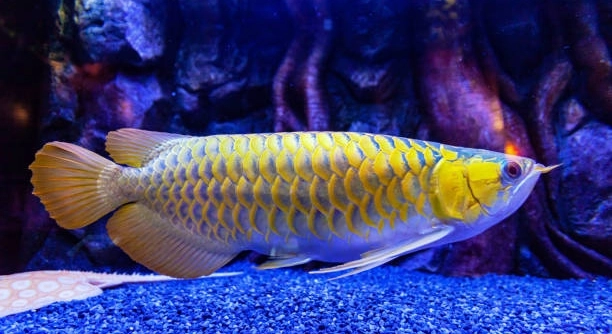
Is your arowana swimming past its reflection without showing any interest? Many owners notice this behavior and feel puzzled about why their usually alert fish seems uninterested in mirrors or glass surfaces around it.
Arowanas may ignore their reflection due to familiarity or lack of perceived threat. Fish often recognize repeated images as non-threatening, leading to reduced curiosity. Stress, tank conditions, and individual temperament also influence whether the fish responds to its reflection.
Learning more about these factors can help improve your arowana’s environment and daily interactions, ensuring it stays active, healthy, and engaged in its aquatic home.
Understanding Arowana Behavior
Arowanas are naturally cautious fish that respond to their environment in subtle ways. When they ignore their reflection, it often reflects their comfort level and how they perceive their surroundings. Fish rely on visual cues to assess threats, territory, and social interactions. Over time, repeated exposure to a mirror or reflective surface can lead them to ignore it completely. Stress levels, water quality, and tank layout can also influence their behavior. If your arowana feels secure, it may focus more on swimming patterns or hunting for food rather than investigating a reflection. Observing its body language, like fin position or sudden movements, can help gauge its mood. Sometimes, ignoring reflections is simply a sign that the fish is well-adjusted to its environment, not bored or unhealthy. Monitoring these subtle behavioral cues helps ensure your arowana is both mentally stimulated and physically healthy in its tank.
Some arowanas may respond briefly to movement near the tank, showing curiosity without engaging with their reflection.
Consistent routines, including feeding at regular times and providing enrichment, encourage natural behaviors. Decorations, floating plants, or gentle water flow can make the environment more stimulating. Rotating these elements periodically prevents monotony and keeps the fish active. Behavioral changes should always be considered alongside tank maintenance. Regular water checks, proper temperature, and clean filters support overall health, reducing stress that could make an arowana indifferent to visual stimuli. By balancing routine and variety, your arowana can maintain natural instincts, encouraging occasional interaction with reflective surfaces while staying comfortable and secure.
Factors Affecting Reflection Interaction
Some arowanas simply ignore reflections due to their temperament or age.
Young or highly active arowanas may see reflections as distractions initially but quickly lose interest once no threat is perceived. Age and size influence responsiveness; older, larger fish may focus more on territory than visual novelties. Water conditions also play a key role. High-stress levels caused by poor quality, sudden changes in temperature, or overcrowding reduce curiosity. Tank size matters too; a spacious tank allows exploration, reducing time spent noticing reflections. Diet and feeding patterns contribute indirectly, as a well-fed arowana may be less motivated to interact with objects perceived as irrelevant. Understanding these factors allows owners to create an environment that encourages natural curiosity and mental stimulation while respecting individual differences. This approach ensures healthier behavior and a more engaging, stress-free habitat.
Environmental Influences
Tank size and layout directly affect an arowana’s attention to reflections. Crowded tanks or tanks with poor visibility can make the fish less likely to notice or interact with reflective surfaces. Proper space encourages natural swimming and exploration.
Water quality, temperature, and lighting play a significant role in behavior. Arowanas in clean, well-maintained tanks are calmer and more confident, which can either increase curiosity or make them indifferent to repeated reflections. Sudden changes, such as bright lights or noisy surroundings, may make the fish retreat and ignore mirrors. Decorations like rocks or floating plants can create hiding spots, reducing the perceived need to investigate reflective surfaces. Observing and adjusting environmental factors ensures that the fish remains active, comfortable, and responsive in its habitat, while helping maintain its natural instincts.
Consistency in feeding and tank maintenance is crucial. A stable environment keeps the arowana focused on regular activities rather than distractions like reflections. Over time, a well-maintained tank reduces stress, encourages natural behaviors, and allows the fish to interact with its surroundings in a healthy way. Adjusting elements like water flow or adding enrichment can gradually increase curiosity and engagement without causing anxiety or overstimulation, creating a balanced environment for long-term well-being.
Health and Behavior
Illness or stress can lead an arowana to ignore its reflection. Changes in appetite, swimming patterns, or color may indicate underlying issues.
Proper nutrition and regular health checks are essential to maintain behavioral normalcy. Arowanas deprived of necessary vitamins or minerals may show lethargy or disinterest in their surroundings. Stressors like overcrowding, sudden water changes, or aggressive tank mates can reduce interaction with reflections. By monitoring physical signs such as fin condition, eye clarity, and skin health, owners can detect early problems. Preventive care, including balanced feeding schedules and consistent observation, supports both physical health and mental stimulation. A healthy arowana is more likely to explore its tank and respond appropriately to environmental cues.
Behavior is also influenced by social and individual factors. Some arowanas are naturally less reactive or more solitary, meaning reflections hold little interest. Others may show brief curiosity before quickly ignoring the image. Understanding these tendencies helps in creating a supportive tank environment that respects the fish’s temperament. Adjusting tank enrichment, such as adding safe hiding spots or interactive objects, can encourage exploration. Even subtle improvements, like varying water flow or lighting patterns, can enhance mental engagement. Observing the fish’s preferences and responses over time ensures a tailored approach that promotes consistent activity and overall well-being.
Reflection Habituation
Arowanas can become accustomed to their reflections over time. Repeated exposure teaches them that the mirrored image poses no threat, leading to reduced interest.
This habituation is a normal behavioral response. Fish often ignore stimuli that remain consistent and harmless. It indicates a level of comfort and security within the tank environment.
Feeding and Activity Levels
Feeding routines strongly affect engagement with reflections. Arowanas focused on hunting or eating may pay little attention to visual distractions. Properly scheduled meals and active feeding sessions help maintain natural behaviors while reducing unnecessary stress.
Tank Enrichment
Adding decorations, plants, or floating objects can redirect attention and stimulate natural instincts. Enrichment encourages exploration, physical activity, and mental engagement, keeping the arowana active without relying on reflections for stimulation.
Age and Temperament
Older or naturally calmer arowanas may show less interest in reflections. Individual temperament plays a significant role in how they respond to visual stimuli and interact with their environment.
FAQ
Why is my arowana ignoring its reflection completely?
Arowanas may ignore their reflection when they no longer perceive it as a threat or stimulus. Over time, repeated exposure to a mirror or reflective surface leads to habituation. Stress levels, tank conditions, or individual temperament can also influence how much attention a fish gives to visual cues.
Can stress affect my arowana’s reaction to its reflection?
Yes. High-stress conditions such as poor water quality, overcrowding, sudden temperature changes, or aggressive tank mates can reduce curiosity. A stressed arowana may focus on survival rather than exploring its environment, including mirrors or reflective surfaces. Maintaining consistent tank conditions helps reduce stress and encourages normal behavior.
Does tank size impact reflection interaction?
Absolutely. Smaller tanks can make arowanas feel cramped, leading them to avoid distractions like reflections. In larger tanks, fish have more space to explore and may occasionally notice reflective surfaces, but they often prioritize swimming, hiding, or feeding over interacting with their mirrored image.
Do age and temperament play a role?
Yes, both factors are significant. Older arowanas often show less curiosity, focusing more on territory and routine activities. Similarly, calmer or naturally solitary fish may find reflections uninteresting, while younger or more active individuals might investigate briefly before losing interest.
Could boredom cause my arowana to ignore its reflection?
Boredom is usually not the primary reason. Arowanas are more likely ignoring reflections because they recognize them as harmless. Proper tank enrichment, like plants, rocks, or floating objects, can provide mental stimulation and encourage natural behaviors. Reflections alone are not sufficient to keep a fish engaged over time.
Does diet affect how my arowana interacts with its reflection?
Indirectly, yes. A well-fed arowana will focus on regular feeding and exploring the tank rather than interacting with reflections. Nutritional deficiencies can cause lethargy or stress, which might reduce curiosity, but a balanced diet supports healthy activity levels and responsiveness to visual stimuli.
Should I be concerned if my arowana never responds to mirrors?
Not necessarily. Ignoring reflections can indicate comfort and habituation rather than health problems. It becomes a concern only if accompanied by signs of illness, like loss of appetite, faded colors, erratic swimming, or clamped fins. Regular observation ensures any behavioral changes are noticed early.
Can changing tank conditions increase interaction with reflections?
Minor adjustments like rearranging decorations, adding enrichment, or slightly varying lighting may pique curiosity. However, drastic changes can increase stress, which may reduce engagement. Small, controlled environmental updates help maintain mental stimulation without overwhelming the fish.
How long does it take for an arowana to stop reacting to reflections?
It varies based on the fish’s personality, age, and environment. Some arowanas lose interest after a few days, while others may take weeks. Consistent exposure without threats leads to habituation, where the reflection becomes a normal, uninteresting part of the environment.
Are reflections useful for arowana enrichment?
Reflections can provide temporary curiosity but are not a substitute for meaningful enrichment. Items like floating plants, hiding spots, or varied tank layouts encourage natural behaviors such as swimming, hunting, and exploring, which are more beneficial for long-term mental and physical health.
Can water quality influence reflection response?
Yes, water quality directly affects behavior. Poor water conditions can stress the fish, making it less likely to explore or respond to visual stimuli. Maintaining stable pH, temperature, and cleanliness encourages calm, active, and responsive behavior in the tank.
How do I know if my arowana’s lack of interest is normal?
Monitor overall behavior. If the fish eats well, swims actively, and shows normal responses to other stimuli, ignoring reflections is likely normal. Behavioral changes combined with physical signs of illness or stress should prompt closer attention and adjustments to tank care.
Do all arowanas behave the same with reflections?
No. Individual temperament, age, and prior experiences shape reactions. Some may be briefly curious, others indifferent, and a few may even show aggressive displays initially before habituating. Understanding these differences helps owners set realistic expectations for behavior in their tank.
Can multiple arowanas in one tank affect reflection interest?
Yes. Social dynamics matter. If there are other fish, the arowana may focus on interactions or territorial behavior rather than reflections. Solitary tanks may lead to more occasional curiosity, but habituation still occurs once the reflection is recognized as harmless.
What steps help encourage natural behavior besides reflections?
Provide a stable, clean environment with regular feeding, enrichment objects, and appropriate tank size. Observing the fish’s preferences and adjusting decorations or water flow encourages exploration. Reflections alone do not replace stimulation, but thoughtful tank management supports overall activity and well-being.
This FAQ addresses common concerns and provides insight into why arowanas might ignore reflections, helping owners maintain healthy, engaged, and stress-free fish.
Final Thoughts
Understanding your arowana’s behavior is important for maintaining its health and happiness. Ignoring reflections is usually a normal part of how these fish interact with their environment. Over time, they can become accustomed to seeing themselves in glass or mirrors, recognizing that the image is not a threat. This habituation shows that your fish feels secure and confident in its tank. While it might seem unusual for a fish not to respond to its reflection, it is often a sign of comfort rather than a problem. Owners should observe their fish carefully, paying attention to other behaviors, such as swimming patterns, feeding habits, and interactions with tank decorations. These daily observations can provide insight into overall well-being and help detect any potential issues early. Understanding that ignoring reflections is typically normal allows you to focus on providing a balanced environment that meets the arowana’s needs.
Maintaining the right tank conditions is essential for a healthy and active fish. Water quality, temperature, and tank size play key roles in behavior and comfort. Clean, stable water reduces stress and encourages natural activity, while a properly sized tank gives your arowana space to swim, explore, and maintain territory. Decorations and enrichment items, like floating plants, rocks, or driftwood, provide mental stimulation and prevent boredom. Even subtle changes in the tank environment, such as varying water flow or adding hiding spots, can encourage exploration without creating stress. Regular feeding schedules and balanced nutrition also support activity and overall health. When all of these factors are managed well, an arowana can remain calm, active, and comfortable, regardless of how it responds to its reflection. Understanding these elements helps create a stable, engaging environment that supports long-term well-being.
Individual temperament and age influence how arowanas respond to stimuli, including reflections. Older fish may show less curiosity, while younger, more active arowanas might explore their environment more frequently. Some fish are naturally calmer and less reactive, which explains why reflections hold little interest for them. It is important to respect each fish’s personality and provide an environment that suits its needs. Observing how your arowana behaves around tank mates, enrichment items, and during feeding can offer a clearer picture of its comfort level. By focusing on overall health, enrichment, and environmental stability, you ensure that your fish remains active, stimulated, and content. Recognizing that ignoring reflections is often normal allows owners to provide thoughtful care and maintain a well-balanced aquatic habitat that supports both physical and mental well-being.

Hello,
If you enjoy the content that we create, please consider saying a "Thank You!" by leaving a tip.
Every little bit helps us continue crafting quality advice that supports the health, happiness, and well-being of pets around the world, for pets of all shapes, sizes, and species.
We really appreciate the kindness and support that you show us!