
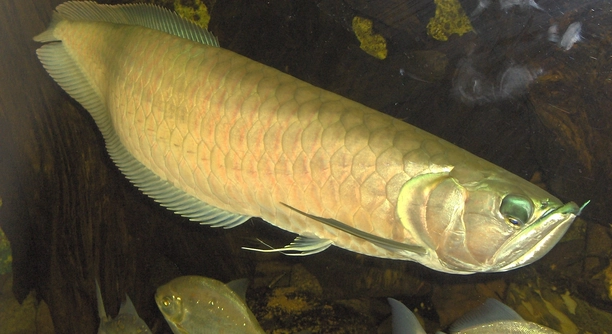
Are your arowanas swimming listlessly or hiding more than usual in the tank? Observing your fish daily can reveal subtle changes in behavior, appearance, and appetite that may indicate stress or discomfort. These signs are often overlooked by hobbyists.
An unhappy arowana typically displays signs such as clamped fins, faded coloration, erratic swimming, loss of appetite, or frequent rubbing against objects. Monitoring these behaviors closely allows owners to identify environmental or health-related issues affecting their well-being.
Recognizing these warning signs early ensures your arowana stays healthy and vibrant in its environment. Careful observation can prevent serious problems before they escalate.
Recognizing Physical Signs of Stress
An arowana’s appearance can tell you a lot about its mood and health. Faded or dull scales often indicate stress or poor water conditions. Clamped fins, where the fins stay close to the body, are another key sign of unhappiness. Slow movements or frequent hiding can show the fish is uncomfortable in its environment. Occasionally, arowanas may rub against tank decorations or the substrate, which can indicate irritation or parasites. Changes in appetite are also significant; an arowana that refuses food may be experiencing stress, illness, or improper tank conditions. Swelling, sores, or abnormal growths on the body are additional warning signs that should not be ignored. Regular observation of behavior and appearance helps you catch issues before they escalate. Adjustments to tank care, feeding habits, or water quality can often restore your fish to a healthier state.
Faded colors and clamped fins are the most common and visible signs of an unhappy arowana.
Noticing these physical signs early is important. Responding promptly by checking water parameters, tank size, and diet can prevent serious health problems. Arowanas thrive in clean water with proper nutrition, so careful maintenance directly improves their happiness.
Environmental Factors Affecting Arowanas
Water quality plays a major role in an arowana’s mood. Poor filtration, irregular water changes, or unsuitable temperatures can stress your fish.
Tank size, decorations, and hiding spots also impact well-being. Arowanas need ample swimming space and minimal crowding. Overcrowded tanks or aggressive tankmates create tension, causing the fish to hide or act erratically. Maintaining stable pH, temperature, and clean water ensures a comfortable environment. Proper lighting and a balanced diet contribute to overall health. Even minor environmental changes can influence behavior, so consistent care is essential. Regularly testing water parameters and adjusting them as needed prevents stress. Feeding high-quality food in appropriate portions keeps arowanas active and vibrant.
Providing the right environment helps your arowana regain natural behaviors. Adjusting tank setup, monitoring water conditions, and reducing stressors encourages calm swimming and proper feeding habits. A stable, well-maintained habitat is key for long-term health and happiness.
Behavioral Changes to Watch
Unhappy arowanas often swim erratically or hover near the surface. They may ignore food or hide for long periods, signaling stress or discomfort in their environment.
Behavioral changes are often the first noticeable signs of distress. An arowana that suddenly becomes less active, starts pacing the tank, or avoids areas it previously enjoyed is likely stressed. Aggressive or skittish behavior can also appear, especially if tankmates or decorations create tension. Monitoring these patterns closely helps identify problems early. Changes in feeding habits, such as spitting out food or refusing meals, are also clear indicators. Observing and recording daily behavior gives insight into underlying issues and allows adjustments before health deteriorates.
Prolonged behavioral stress can weaken the immune system, making your arowana more susceptible to disease. Environmental adjustments, proper feeding routines, and adequate tank space often restore calm and natural activity, improving overall well-being. Consistent attention to these behaviors ensures the fish remains healthy and comfortable.
Common Health Issues
Unhappy arowanas are more prone to infections and fin rot. Water conditions and diet directly impact their immunity.
Health problems often follow visible stress. Fin rot appears as frayed or discolored fins, while fungal infections may show as white patches or fuzzy growths. Internal parasites can cause bloating, lethargy, or loss of appetite. These issues are usually linked to poor water quality, inconsistent temperatures, or an imbalanced diet. Preventing health problems starts with maintaining clean water, monitoring temperature, and providing nutrient-rich food. Quarantining new fish before adding them to the main tank also helps avoid disease spread. Promptly addressing signs of illness reduces recovery time and prevents complications.
Regular observation and preventive care are essential. Checking water parameters daily, feeding high-quality food, and keeping the tank environment stable all contribute to stronger immunity. When illness occurs, early intervention with proper treatment, such as medicated food or targeted water treatments, helps your arowana recover faster. Understanding how stress affects health ensures your fish stays vibrant and active long-term.
Continue the article with the following outline and format. Do not write an intro for each header, get straight to the point. Do not use a greeting. Make it feel slightly personal. Write in a simplistic style. Do not greet the reader.; Outline and Format: ; Header: xxxxxxxxxxxxxxxxxxx; 50 words paragraph; 50 words paragraph; Header: xxxxxxxxxxxxxxxxxxx; 100 words paragraph; Header: xxxxxxxxxxxxxxxxxxx; 50 words paragraph; Note: Skip the intro, get straight to the point. The rest of the headers will be provided later, so do not write them yet. Skip the conclusion, and recap. Respect the given word count for every paragraph.
FAQ
How can I tell if my arowana is unhappy?
Unhappy arowanas often show physical and behavioral changes. Faded colors, clamped fins, hiding, erratic swimming, and loss of appetite are common signs. Observing your fish daily helps spot these changes early, allowing you to make adjustments to improve its environment and health.
What causes an arowana to become stressed?
Stress usually comes from poor water quality, unsuitable tank size, aggressive tankmates, or sudden changes in temperature or pH. Inconsistent feeding or overcrowded tanks can also make an arowana uneasy. Reducing these stressors is essential for restoring calm and maintaining the fish’s overall well-being.
Why is water quality so important for arowanas?
Arowanas are sensitive to their environment. High ammonia, nitrite, or nitrate levels can quickly weaken their immune system. Regular water changes, proper filtration, and monitoring temperature and pH help maintain a stable habitat, keeping your fish healthy and preventing stress-related illnesses.
How does diet affect an arowana’s happiness?
A balanced diet is key for energy, coloration, and immune function. Feeding high-quality pellets, live or frozen food, and occasional treats ensures proper nutrition. Overfeeding or low-quality food can lead to obesity, digestive issues, or lethargy, negatively affecting behavior and health.
Can tank size influence my arowana’s mood?
Yes, arowanas need ample swimming space. A small or crowded tank restricts movement and causes stress. Providing a large tank with enough depth and length allows natural swimming patterns and reduces territorial disputes with tankmates, keeping the fish calmer and more active.
What are common health issues in unhappy arowanas?
Stress can trigger fin rot, fungal infections, and weakened immunity. Signs include frayed fins, white patches, bloating, or lethargy. Maintaining clean water, proper temperature, and a balanced diet prevents most illnesses. Early detection and prompt treatment improve recovery and reduce long-term health risks.
How often should I observe my arowana?
Daily observation is ideal. Watching behavior, swimming patterns, feeding response, and physical appearance helps detect early signs of stress or illness. Keeping notes on changes over time allows you to identify patterns and take corrective measures before problems escalate.
What should I do if my arowana refuses food?
Refusal to eat can indicate stress, illness, or water problems. Check water parameters first, adjust temperature if needed, and ensure the diet is appropriate. Offering a variety of food, such as live or frozen options, often encourages eating and helps restore energy.
Can tank decorations affect an arowana’s happiness?
Yes, decorations influence swimming space and comfort. Avoid overcrowding with rocks, plants, or ornaments. Arowanas benefit from a few hiding spots but also need open space to move freely. Proper placement reduces stress and allows natural behaviors.
Is it normal for arowanas to hide often?
Frequent hiding can signal stress, illness, or discomfort. While occasional hiding is normal, prolonged periods suggest the environment or tank conditions may need adjustment. Monitoring and improving habitat, diet, and water quality usually reduces hiding behavior.
How can I prevent stress in my arowana?
Maintaining stable water parameters, providing a spacious tank, and feeding a balanced diet are crucial. Avoid sudden changes, overcrowding, and aggressive tankmates. Regular observation and prompt attention to behavioral or physical changes prevent prolonged stress and support long-term health.
How long does it take for an arowana to recover from stress?
Recovery time varies depending on the cause and severity. Environmental adjustments, improved diet, and consistent care can show results within days to weeks. Severe or prolonged stress may require longer monitoring and intervention to fully restore natural behavior and health.
Can I keep multiple arowanas together?
Yes, but it requires careful planning. Ensure a large tank and monitor for aggression. Overcrowding increases stress and can lead to injury. Proper separation, hiding spaces, and compatible tankmates reduce conflict and help all fish remain calm and healthy.
What role does lighting play in arowana health?
Lighting affects behavior, color, and stress levels. Too bright or inconsistent lighting can cause anxiety, while insufficient light may reduce activity and coloration. A balanced lighting schedule with periods of dimming or natural light simulation helps maintain arowanas’ daily rhythm and overall well-being.
How can I improve my arowana’s happiness long-term?
Consistent care, including clean water, stable temperature, balanced diet, and proper tank size, is essential. Observing behavior and addressing stress promptly ensures your fish remains active, colorful, and healthy. Regular maintenance and attention to details create a thriving environment for long-term happiness.
This FAQ section covers common concerns and actionable steps to identify, prevent, and address unhappiness in arowanas, giving you practical guidance to maintain a healthy and active fish.
Word count: 504
Final Thoughts
Caring for an arowana requires consistent observation and attention to detail. These fish are sensitive to changes in their environment, and even minor shifts in water quality, tank size, or feeding routines can impact their well-being. Unhappy arowanas often display clear physical and behavioral signs, such as faded coloration, clamped fins, hiding, or erratic swimming. Recognizing these signals early allows you to make adjustments before serious health issues develop. Maintaining clean water, stable temperature, and appropriate pH levels is essential, as arowanas are particularly vulnerable to stress caused by poor water conditions. Feeding a balanced diet with high-quality food, whether pellets, live, or frozen options, ensures they receive the nutrients needed for proper growth, immune function, and energy. Paying attention to these basic needs helps prevent stress and promotes a healthy, vibrant fish that actively interacts with its environment.
Behavior plays a critical role in assessing an arowana’s happiness. Changes in swimming patterns, appetite, or activity levels are often the first indicators that something is off. Arowanas may become withdrawn, hide more often, or refuse food when stressed or uncomfortable. Aggressive or skittish behavior can also appear, especially if the tank is overcrowded or contains incompatible tankmates. Observing your fish daily provides a clear understanding of normal behavior, making it easier to identify unusual patterns. Adjusting environmental factors, such as tank decorations, hiding spots, or lighting, can significantly reduce stress and improve overall comfort. Ensuring sufficient swimming space and minimizing disruptions allows arowanas to exhibit natural behaviors. Regular monitoring and prompt intervention when signs of unhappiness appear can prevent small issues from turning into serious health problems.
Long-term care and preventive maintenance are key to sustaining an arowana’s happiness and health. Regular water changes, consistent temperature management, and periodic testing of water parameters help create a stable environment. Quarantining new fish before introducing them to the main tank reduces the risk of disease and stress. Paying attention to diet, including variety and portion control, strengthens the immune system and supports healthy growth. Understanding the connection between stress and health allows you to take proactive measures to avoid illness. With proper care, arowanas can thrive for many years, displaying vibrant colors, active swimming, and a calm temperament. Consistency, observation, and attention to detail are the foundations of responsible arowana care, ensuring your fish remains healthy, comfortable, and happy in its aquatic home.
Word count: 417

Hello,
If you enjoy the content that we create, please consider saying a "Thank You!" by leaving a tip.
Every little bit helps us continue crafting quality advice that supports the health, happiness, and well-being of pets around the world, for pets of all shapes, sizes, and species.
We really appreciate the kindness and support that you show us!