
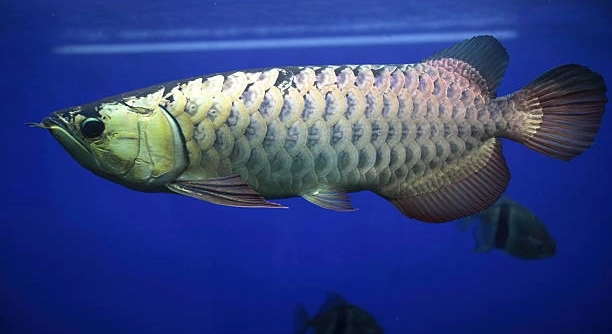
Are your Arowanas showing signs of stress or slow growth despite your best efforts? Keeping these majestic fish healthy requires more than just feeding them properly; their tank environment plays a crucial role in their overall well-being.
Creating an optimal tank setup for Arowanas involves careful attention to water quality, tank size, filtration, and decor. Ensuring sufficient swimming space, proper filtration, regular water changes, and safe decorations supports their health, growth, and natural behavior in captivity.
Understanding the right tank setup can make all the difference in your Arowanas’ life. The following ideas will guide you toward creating a thriving aquatic environment.
Choosing the Right Tank Size
Arowanas grow quickly and need plenty of space to swim comfortably. A small tank can stunt their growth and increase stress levels. For a single adult Arowana, a minimum tank size of 250 gallons is recommended, with longer tanks preferred over taller ones. Juveniles can start in smaller tanks, but upgrading as they grow is essential. Adequate space ensures proper exercise and reduces aggressive behaviors that can arise from confinement. Round or small tanks limit movement and can lead to health problems over time. The tank should also accommodate a filtration system, heater, and other necessary equipment without overcrowding. Considering the adult size and active nature of Arowanas will help you plan ahead and prevent frequent tank changes. Maintaining stability in the tank’s environment is easier when there’s enough water volume, which also helps dilute waste and keep water parameters stable.
Proper tank sizing is key to keeping Arowanas healthy and active. It directly impacts their growth and behavior in captivity.
Providing a spacious tank creates room for swimming, reduces stress, and improves water quality. Choosing a tank with extra length is preferable to a taller tank. The additional space supports better exercise routines and prevents injury from bumping into walls. When planning the tank, consider future growth and the placement of equipment. A well-sized tank allows you to maintain stable water conditions and makes cleaning easier. It also provides space for decorations that mimic their natural environment without limiting movement. By starting with an adequately sized tank, you create a foundation for your Arowana to thrive long-term and maintain its health.
Filtration and Water Quality
Strong filtration is essential to handle the waste Arowanas produce and maintain clean water.
Arowanas need stable water conditions with minimal fluctuations. A high-quality filtration system, combined with regular water changes, helps prevent stress and illness.
Filtration removes harmful compounds and keeps water parameters stable, which is critical for Arowanas. A combination of mechanical, chemical, and biological filtration ensures that debris, toxins, and ammonia are efficiently removed. Choosing a filter rated for a larger tank than yours provides extra security and reduces maintenance frequency. Consistent water testing for ammonia, nitrite, nitrate, and pH levels is also important. Regular water changes, at least 25% weekly, complement filtration and support overall fish health. The placement of the filter should encourage water flow without creating strong currents that tire the fish. Proper filtration and monitoring reduce the risk of diseases, improve oxygen levels, and help your Arowana maintain vibrant coloration and energy. Stable water quality allows your fish to grow to its full potential and exhibit natural behaviors, making it a healthier and more enjoyable addition to your home aquarium.
Temperature and Water Parameters
Maintaining stable temperature and water parameters is crucial for Arowanas. They thrive in water between 75–82°F with a pH of 6.5–7.5. Sudden changes can stress them and weaken their immune system.
A heater is essential for keeping a consistent temperature, especially in cooler climates. Use a reliable thermometer to monitor fluctuations daily. Arowanas prefer slightly acidic to neutral water, so test pH levels regularly. Avoid chemicals or abrupt changes when performing water changes, as these can shock the fish. Keeping temperature and water chemistry stable supports feeding, growth, and overall health.
Proper temperature control also affects oxygen levels and activity. Cooler water reduces metabolism, while warmer water increases it, which can impact feeding and behavior. Consistent monitoring and small, gradual adjustments prevent stress and diseases. Arowanas in stable conditions display more vibrant colors and natural movements. Ensuring optimal water parameters creates a comfortable environment that encourages healthy growth and reduces aggressive tendencies, contributing to long-term well-being and resilience.
Tank Decor and Hiding Spots
Arowanas benefit from a tank that includes both open swimming areas and strategically placed decorations.
Decorations such as driftwood, rocks, and large plants create hiding spots and reduce stress. Avoid sharp objects that can injure their delicate scales or fins. Use minimal decorations in the main swimming area to allow free movement. Floating plants can provide cover and a sense of security. Hiding spots help mimic natural habitats, giving the fish a retreat when they feel threatened. These areas also encourage natural behaviors, reducing boredom and aggression in the tank.
When arranging decor, consider the fish’s size and swimming style. Large open spaces are essential for movement, while scattered hiding spots break the line of sight, minimizing territorial disputes. Smooth surfaces and rounded objects prevent injuries. Driftwood or sturdy artificial plants add structure without overcrowding the tank. Regularly inspect decorations for algae or sharp edges to maintain safety. Thoughtful placement not only enhances the tank’s aesthetic but also creates a balanced environment. Arowanas respond well to a combination of open water and structured areas, improving comfort, reducing stress, and promoting overall health in their aquatic home.
Lighting and Day-Night Cycle
Arowanas need a consistent day-night cycle to regulate their activity and feeding. Use moderate lighting during the day and dim or no light at night to mimic natural conditions.
Avoid excessively bright lights that can stress the fish. Soft, diffused lighting works best for both the fish and any live plants.
Feeding and Nutrition
Arowanas require a balanced diet rich in protein to support growth and vibrant coloration. Include high-quality pellets, live or frozen foods, and occasional treats like insects or shrimp. Rotate food types to prevent nutritional deficiencies and encourage natural hunting behavior.
Tank Lid and Safety
A secure tank lid is essential because Arowanas are powerful jumpers. Ensure the lid fits tightly and covers all open areas to prevent escapes.
FAQ
How often should I change the water in my Arowana tank?
Water changes are essential to maintain healthy conditions. Generally, replacing 25–30% of the water weekly helps remove excess waste and toxins. Larger changes can be stressful, so it’s better to do smaller, consistent water changes. Always treat tap water with a dechlorinator before adding it to the tank to protect your fish.
What is the best diet for Arowanas?
A balanced diet is key for growth and color. Feed a mix of high-quality pellets, live or frozen foods such as shrimp, fish, or insects, and occasional treats. Avoid overfeeding, as leftover food can degrade water quality. Rotate food types to prevent nutritional gaps and encourage natural feeding behavior.
How do I prevent my Arowana from jumping out of the tank?
Arowanas are strong jumpers and need a secure lid. Ensure all openings are covered and the lid fits snugly. Avoid placing objects on top that could shift and create gaps. Providing a calm environment and avoiding sudden disturbances also reduces jumping incidents.
What tank size is ideal for a single Arowana?
A single adult Arowana needs at least 250 gallons, with longer tanks preferred to taller ones. Juveniles can start smaller but will require upgrades as they grow. Adequate swimming space is necessary to support healthy movement, reduce stress, and prevent stunted growth or injuries.
How do I maintain proper water parameters for Arowanas?
Keep temperature between 75–82°F and pH around 6.5–7.5. Use a reliable heater and thermometer to monitor temperature daily. Test water regularly for ammonia, nitrite, nitrate, and pH levels. Gradual changes during water changes prevent shocks that can stress the fish. Proper parameters support health and growth.
How much lighting does an Arowana tank need?
Moderate lighting during the day with dim or no light at night mimics natural conditions. Avoid harsh, bright lights, which can stress the fish. Soft, diffused lighting works well for both the fish and any live plants, providing a comfortable environment without disturbing their natural rhythm.
What decorations are safe for Arowanas?
Use smooth driftwood, rocks, and sturdy artificial plants to create hiding spots. Avoid sharp or fragile decorations that can injure their delicate scales and fins. Provide open swimming areas to prevent accidents and promote natural behaviors. Floating plants can offer cover while keeping the main swimming space clear.
How do I handle aggression or territorial behavior?
Arowanas can be territorial, especially in smaller tanks. Provide ample swimming space and hiding spots to break the line of sight. Avoid overcrowding and monitor interactions closely. Separating aggressive individuals may be necessary. Stable water conditions and a consistent feeding schedule also reduce stress and aggression.
How often should I clean the tank and filter?
Clean the filter media monthly, but avoid washing all parts at once to preserve beneficial bacteria. Remove debris and vacuum the substrate regularly. Partial cleanings maintain water quality without disrupting the tank’s biological balance, ensuring the Arowana stays healthy and stress-free.
Can Arowanas live with other fish?
Arowanas can be aggressive toward smaller or slower fish. Tank mates should be large, robust, and fast enough to avoid being attacked. Monitor interactions closely and be prepared to separate incompatible species. Providing hiding spots and adequate space reduces conflicts and promotes a more peaceful environment.
What signs indicate stress or illness in Arowanas?
Signs include loss of appetite, lethargy, frayed fins, or unusual swimming patterns. Rapid color changes or frequent surface gasping can indicate water issues. Early detection is crucial, so monitor behavior regularly and maintain stable water conditions to prevent illness.
How do I encourage natural feeding behavior?
Offer live or frozen foods and vary feeding methods. Use feeding tongs or toss prey items to encourage hunting instincts. Avoid over-reliance on pellets. Rotating food types and occasionally hiding food in decorations stimulates natural behavior and reduces boredom.
What is the lifespan of an Arowana in captivity?
With proper care, Arowanas can live 10–15 years, sometimes longer. Maintaining optimal tank conditions, a balanced diet, and regular monitoring contributes to their longevity. Early investment in a suitable tank setup helps ensure a healthy, long life.
How do I prevent diseases in Arowanas?
Maintain clean water, stable temperature, and proper nutrition. Quarantine new fish before introducing them to the tank. Avoid overfeeding and remove uneaten food promptly. Regular observation for early signs of illness allows quick intervention, reducing the risk of outbreaks.
Are supplements necessary for Arowanas?
Supplements are only needed if the diet lacks variety. A balanced mix of high-quality pellets, live, and frozen foods usually provides sufficient vitamins and minerals. Over-supplementing can cause health issues, so focus on diet variety rather than frequent chemical additives.
How do I acclimate a new Arowana to its tank?
Float the bag in the tank for 15–20 minutes to equalize temperature. Gradually mix small amounts of tank water with the bag water over 30–60 minutes before releasing the fish. This reduces stress and prevents shock from sudden changes in temperature or water chemistry.
Can Arowanas tolerate tap water?
Tap water can be used if properly treated. Use a water conditioner to remove chlorine, chloramine, and heavy metals. Test pH and hardness, and make adjustments if necessary. Proper preparation ensures a safe and stable environment for the fish.
How often should I feed my Arowana?
Juveniles should be fed 2–3 times daily in small amounts. Adults can be fed once daily or every other day, depending on activity levels. Avoid overfeeding to prevent water quality issues and obesity. Feeding smaller portions more frequently encourages healthy digestion and growth.
What temperature is too high for Arowanas?
Temperatures above 82°F can stress Arowanas, increasing metabolism and oxygen demand. Sustained high temperatures may reduce immunity and promote disease. Use a reliable thermometer and adjust heating or cooling equipment to maintain a stable, safe range for optimal health.
How do I know when my Arowana is fully grown?
Growth slows significantly after reaching adult size, typically 24–36 inches depending on species. Proper tank size, diet, and water quality affect final size. Observing growth patterns over time and consulting species-specific guidelines helps determine when your Arowana has reached maturity.
Can Arowanas tolerate other water types?
They prefer slightly acidic to neutral water. Hard or highly alkaline water may cause stress and health issues. Monitoring water chemistry and adjusting as needed ensures the tank remains within their optimal range, supporting long-term well-being.
How do I reduce aggressive jumping behavior?
A secure lid is essential. Providing sufficient space, hiding spots, and a calm environment also reduces stress-related jumping. Avoid sudden disturbances near the tank, and maintain a consistent feeding schedule to minimize agitation.
Is it necessary to quarantine new tank decorations?
Yes, new decorations can introduce pathogens or chemicals. Rinse, scrub, or boil new items when appropriate before adding them to the tank. This step helps prevent disease and keeps water quality stable.
How can I improve Arowana coloration?
A varied diet with high-quality foods, stable water parameters, and proper lighting enhances natural coloration. Avoid stress, as it can dull colors. Providing optimal conditions supports vibrant, healthy skin tones over time.
What should I do if my Arowana refuses food?
Check water quality, temperature, and stress levels. Offer different types of food, including live or frozen options. Remove uneaten food promptly. Persistent refusal may require veterinary advice to rule out illness or parasites.
Are Arowanas compatible with tank plants?
Yes, sturdy plants can be used, but delicate or floating plants may be uprooted. Use plants that tolerate their size and activity. Proper placement protects both plants and fish while enhancing the tank environment.
How often should I test water quality?
Test ammonia, nitrite, nitrate, and pH at least weekly. More frequent testing is recommended after adding new fish, adjusting water parameters, or noticing behavioral changes. Regular monitoring ensures timely intervention and healthy conditions.
What is the ideal pH range for Arowanas?
A slightly acidic to neutral range of 6.5–7.5 is best. Consistency is more important than exact numbers. Gradual adjustments prevent stress and maintain optimal health.
How can I reduce stress in Arowanas?
Provide stable water conditions, a secure lid, hiding spots, and a balanced diet. Avoid overcrowding, sudden movements, or loud noises near the tank. A calm environment supports natural behavior, growth, and immunity.
What equipment is essential for an Arowana tank?
A heater, reliable filtration system, thermometer, secure lid, and proper lighting are necessary. Optional decorations, plants, and water testing kits improve comfort and monitoring. Proper equipment ensures stability, safety, and long-term health.
How can I prevent scale damage?
Avoid sharp decorations, aggressive tank mates, and rough handling. Rounded or smooth objects reduce injury risk. Maintaining clean water and minimizing stress also supports healthy scales.
Do Arowanas require supplements for growth?
A balanced diet usually meets their needs. Supplements are only needed if deficiencies arise. Focus on variety rather than chemical additives.
Can Arowanas live in community tanks?
They may live with large, robust, fast-moving fish. Careful selection and monitoring reduce conflicts. Avoid small, slow, or aggressive species.
How do I know if my Arowana is healthy?
A healthy Arowana is active, feeds regularly, has bright coloration, smooth scales, and clear eyes. Consistent observation and stable water conditions help maintain health.
What’s the best way to acclimate an Arowana to new water?
Gradual introduction by floating the bag and slowly mixing tank water over 30–60 minutes prevents shock. This supports comfort and reduces stress.
How can I tell if water temperature is too low?
Signs include reduced activity, loss of appetite, or unusual swimming. Use a reliable thermometer and adjust heating gradually.
How do I encourage growth in juvenile Arowanas?
Provide adequate space, high-quality food, stable water parameters, and regular maintenance. Consistency promotes healthy growth and natural behavior.
How important is water movement in an Arowana tank?
Moderate water flow improves oxygenation without stressing the fish. Avoid strong currents that tire them. Proper circulation supports health and comfort.
Can Arowanas tolerate other fish species?
Yes, with careful selection of size, temperament, and swimming ability. Monitor interactions closely to prevent aggression or injury.
What common illnesses affect Arowanas?
Fin rot, ich, parasitic infections, and bacterial diseases are common. Early detection and maintaining stable water conditions reduce risks.
How often should I feed adult Arowanas?
Once daily or every other day, adjusting for activity and size. Avoid overfeeding to maintain water quality and fish health.
Do Arowanas need hiding spots?
Yes, they reduce stress and mimic natural environments. Proper placement enhances comfort and natural behavior.
How do I prevent water contamination?
Regular water changes, proper filtration, careful feeding, and cleaning of substrate prevent buildup of waste and toxins.
Can Arowanas live alone?
Yes, many thrive as single fish due to territorial behavior. Proper tank size and enrichment prevent boredom.
What is the maximum size of an Arowana?
Depending on species, adults can reach 24–36 inches in captivity. Proper care affects final size.
How do I reduce aggression between Arowanas?
Provide ample space, hiding spots, and avoid overcrowding. Monitor behavior and separate if necessary.
Are live foods necessary for Arowanas?
Not essential, but they stimulate natural hunting instincts. Pellets and frozen foods can provide complete nutrition.
What is the best way to clean the substrate?
Use a siphon or vacuum regularly during water changes. Remove uneaten food and debris without disturbing beneficial bacteria.
How can I tell if my Arowana is stressed?
Signs include loss of appetite, rapid swimming, hiding excessively, or color changes. Consistent monitoring and stable conditions reduce stress.
Do Arowanas need a specific pH buffer?
Only if water chemistry is unstable. Maintaining regular testing and water changes usually suffices.
How important is tank placement in a room?
Avoid direct sunlight, drafts, and high-traffic areas. A calm location reduces stress and supports stable temperature.
Can Arowanas be bred in captivity?
Breeding is challenging and requires careful planning, optimal conditions, and monitoring. Not recommended for beginners.
What is the best way to transport an Arowana?
Use a sturdy bag with oxygen, minimize handling, and avoid temperature shocks. Keep the transport duration short for safety.
How do I reduce algae growth in the tank?
Control lighting, avoid overfeeding, maintain water quality, and consider algae-eating tank mates if compatible. Regular cleaning also helps.
How do I know if my filter is working properly?
Check water flow, clarity, and inspect filter media. Clean and replace as recommended while maintaining beneficial bacteria.
What signs indicate water quality issues?
Cloudy water, algae overgrowth, fish gasping, or behavioral changes signal problems. Test water regularly and address issues promptly.
How can I encourage Arowanas to be active?
Provide open swimming space, vary feeding techniques, and maintain optimal water conditions. Moderate water flow also stimulates movement.
Is it safe to keep Arowanas in a planted tank?
Yes, but choose sturdy plants and protect them from uprooting. Balance decorations with open swimming space.
How do I maintain consistent water temperature?
Use a reliable heater and thermometer, avoid sudden changes, and monitor daily. Consistency supports health and comfort.
What are the signs of overfeeding?
Cloudy water, leftover food, obesity, and sluggish behavior indicate overfeeding. Adjust portions and feeding frequency accordingly.
Can Arowanas tolerate cold water for short periods?
Sudden drops can stress them. Avoid prolonged exposure below 75°F. Gradual adjustments are safer if needed.
How can I reduce stress during maintenance?
Perform partial water changes, handle equipment carefully, and minimize disturbances around the tank. Maintain consistent routines.
Are chemical treatments safe for Arowanas?
Only use approved aquarium medications as directed. Avoid unnecessary chemicals that can harm sensitive fish.
How often should I inspect my Arowana for health issues?
Daily observation is ideal. Look for changes in behavior, appetite, color, and fins to catch problems early.
What is the ideal water hardness for Arowanas?
Soft to moderately hard water is preferred. Extreme hardness can stress the fish and affect health.
Can Arowanas adapt to different tank shapes?
Long, rectangular tanks are best. Tall or round tanks limit swimming space and can affect behavior and growth.
How do I reduce water evaporation in the tank?
Use a fitted lid, monitor water levels, and top off with treated water regularly. Stable water volume supports conditions.
Are Arowanas compatible with bottom-dwelling fish?
Some larger bottom dwellers can coexist, but monitor interactions carefully. Avoid small or aggressive species that may provoke conflicts.
What equipment is needed for temperature monitoring?
A reliable thermometer and, if needed, a heater with a built-in thermostat provide accurate readings. Regular checks ensure stability.
How can I prevent fin damage during tank maintenance?
Avoid sharp tools, sudden movements, and overcrowding. Handle the tank carefully and ensure decorations are smooth.
Do Arowanas need UV sterilizers?
Not necessary but can help control pathogens. Proper filtration and water maintenance usually suffice.
How often should I replace filter media?
Replace according to manufacturer guidelines, but stagger replacements to preserve beneficial bacteria. Regular cleaning helps maintain performance.
Can Arowanas live in soft water?
Yes, as long as pH and temperature remain stable. Monitor water parameters to ensure a healthy environment.
How do I acclimate an Arowana to a new tank environment?
Gradually introduce tank water into the transport bag, allow time for temperature equalization, and gently release the fish after sufficient acclimation.
How do I know if an Arowana is getting enough food?
Healthy growth, regular activity, and consistent weight indicate adequate nutrition. Adjust portions if appetite or growth declines.
Can Arowanas tolerate high nitrate levels?
No, elevated nitrates can stress the fish and lead to disease. Regular water changes keep levels safe.
How do I prevent jumping at night?
Ensure a secure lid, reduce disturbances, and maintain a calm nighttime environment. Avoid bright lights that may startle them.
What should I do if my Arowana injures itself?
Isolate the fish if necessary, clean the wound, and monitor for infection. Maintain optimal water conditions to support healing.
Are floating plants beneficial for Arowanas?
Yes, they provide cover and security without obstructing swimming areas. Choose sturdy species that can tolerate activity.
How do I handle water parameter fluctuations?
Gradually adjust water chemistry, avoid sudden changes, and monitor levels closely. Consistency is crucial to reduce stress.
Can Arowanas tolerate small fish in the same tank?
Small fish are often seen as prey and may be attacked. Only keep similarly sized or fast-moving species.
How do I monitor Arowana health daily?
Observe behavior, appetite, color, fins, and swimming patterns. Early detection of issues prevents serious health problems.
What is the best water temperature range for juvenile Arowanas?
Maintain 75–82°F. Stable temperatures support growth, feeding, and immune function. Avoid sudden fluctuations.
How often should I feed live food?
A few times per week is sufficient, combined with pellets or frozen options. This encourages natural hunting behavior without overfeeding.
How do I prevent Arowanas from knocking over decorations?
Use stable, heavy objects and leave open swimming space. Avoid placing items in areas the fish frequently swims through.
Can Arowanas tolerate low oxygen levels?
No, low oxygen can stress or kill them. Ensure proper aeration, water movement, and filtration to maintain oxygenation.
How do I encourage natural swimming patterns?
Provide long, open swimming areas and moderate water flow. Avoid overcrowding and sudden disturbances.
Are water conditioners necessary for tap water?
Yes, they remove chlorine, chloramine, and heavy metals, making tap water safe for Arowanas.
How do I reduce algae growth without harming the fish?
Control light exposure, avoid overfeeding, and maintain water quality. Use algae-safe equipment or tank mates if appropriate.
Can Arowanas tolerate slightly alkaline water?
Arowanas are impressive and beautiful fish that require careful attention to thrive in captivity. Their size, activity level, and sensitivity to environmental changes make tank setup one of the most important aspects of their care. Choosing the right tank size ensures they have ample space to swim, which helps maintain their health and reduces stress. Along with size, factors like filtration, temperature, and water quality must be consistently monitored. A well-maintained tank with stable water parameters prevents common health issues and supports proper growth. Providing a safe, secure environment reduces the risk of injury, stress, and aggressive behavior. Proper tank conditions also allow Arowanas to display natural behaviors, which contributes to a healthier, more active life. When all these elements are balanced, the fish not only live longer but also develop their full potential in terms of size, color, and activity. Regular observation and small adjustments in their environment can prevent problems before they become serious, making long-term care more manageable and rewarding.
Tank decor and layout play a crucial role in creating a comfortable habitat for Arowanas. While open swimming areas are necessary, incorporating hiding spots and decorations mimics their natural habitat, which helps reduce stress and encourages natural behavior. Smooth, rounded decorations are preferred to prevent injuries, and floating plants or driftwood can offer cover without limiting space. Careful placement of decor allows the fish to move freely while giving them areas to retreat when needed. Providing a variety of textures and spaces adds mental stimulation, which is important for their well-being. Overcrowding or placing too many objects in the tank can lead to accidents or behavioral issues. Maintaining a balance between open space and structured areas ensures that the fish feel secure while retaining enough room for swimming. By observing the fish’s behavior and adjusting the tank layout as necessary, you can create a stable environment that supports both physical health and natural instincts. Even small changes, like repositioning a plant or adjusting lighting, can have noticeable effects on their activity and comfort.
Feeding, water maintenance, and environmental stability are equally important for keeping Arowanas healthy. A varied diet that includes high-quality pellets, frozen foods, and occasional live treats ensures they receive necessary nutrients for growth and vibrant coloration. Overfeeding should be avoided, as excess food can pollute the water and create additional maintenance work. Regular partial water changes and monitoring of water parameters like temperature, pH, and hardness support overall fish health. Maintaining a secure lid and preventing jumping injuries are simple measures that can prevent accidents. By combining proper tank setup, nutrition, and care routines, Arowanas can thrive in captivity for many years. Each element of their care works together to create a stable, comfortable, and enriching environment, allowing the fish to display their full range of natural behaviors and physical beauty. Attention to detail, consistency, and observation are the keys to long-term success and a rewarding experience with these magnificent fish.

Hello,
If you enjoy the content that we create, please consider saying a "Thank You!" by leaving a tip.
Every little bit helps us continue crafting quality advice that supports the health, happiness, and well-being of pets around the world, for pets of all shapes, sizes, and species.
We really appreciate the kindness and support that you show us!