
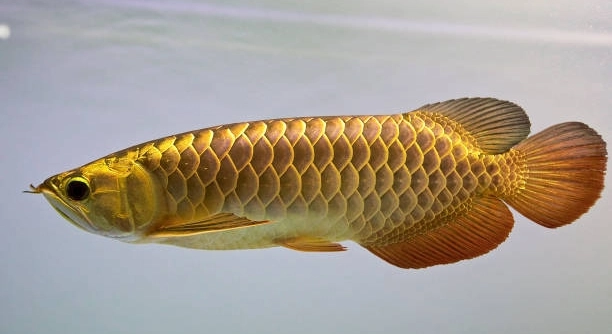
Have you ever noticed your arowana moving its fins over and over while swimming, making you pause as you try to understand what might be causing this steady behavior in its aquarium home each day.
The constant fin flicking in arowanas is most commonly linked to environmental stress, including poor water quality, sudden parameter changes, or external irritants. Consistent monitoring, stable conditions, and proper filtration help prevent this behavior and support healthier long term function.
As you look closer, you may find that adjustments in care reveal important details that shape your arowanas daily comfort.
Common Causes of Constant Fin Flicking
Constant fin flicking in arowanas often points to something in their environment making them react more than usual. When I first noticed this with my own fish, I realized how easily small changes can bother them. Poor water quality is one of the most common triggers since ammonia and nitrite shifts affect their comfort quickly. Sudden temperature swings, strong currents, or even dust and debris floating around can also irritate their skin and gills. Sometimes new decorations or substrate release particles that bother sensitive fish. Parasites may also play a role, especially when the flicking becomes intense or frequent. Arowanas rely on steady surroundings to feel safe, so disruptions in routine or loud activity near the tank can make them uneasy. Paying attention to these details helps you catch issues early and keep their environment stable enough for them to move calmly and confidently. This awareness strengthens your daily care.
Fin flicking becomes less frequent once the tank conditions stay steady and clean. Keeping an eye on water parameters and reducing sudden disturbances makes a noticeable difference. Small acts of consistent care help your arowana regain comfort and settle into smoother, calmer swimming patterns each day in its peaceful habitat.
Understanding the causes behind fin flicking helps you respond with confidence and calm. When you learn what affects your arowanas comfort, it becomes easier to adjust their surroundings with care. Consistent maintenance, gentle routines, and mindful observation give your fish a stable base to feel secure. Over time you start to notice how small adjustments reshape their behavior. Clean water, steady temperature, and quiet surroundings offer your arowana the support it needs to relax. Paying attention to these simple details strengthens your ability to keep them comfortable each day. These habits make care feel smoother and more reassuring over time.
How to Help Your Arowana Settle
Supporting an arowana through fin flicking begins with stabilizing its environment. Clean water, steady temperature, and soft lighting go a long way. Once these basics stay in place, your fish can settle into calmer behavior and regain trust in its surroundings over time with gentle and consistent daily care provided.
Helping your arowana settle fully requires steady habits that keep its environment predictable and clean. Start by testing the water regularly so you can catch changes before they affect your fish. Ammonia, nitrite, and nitrate levels should remain safe and stable, and gentle filtration helps maintain clarity without creating harsh currents. Adding aeration can also support better breathing comfort. Keep the temperature consistent since sudden shifts can make an arowana uneasy. Try to limit loud noise or quick movements near the tank since these fish react strongly to disruptions around them. When introducing new items, rinse them well to prevent particles from entering the water. If parasites might be involved, consider seeking guidance from someone experienced in fish care, since early treatment prevents further irritation. Feeding a balanced diet supports their immune system and helps them cope with stress. Watching their behavior each day gives you clues about how well they are adjusting. Over time these steady efforts shape a calm space where your arowana can swim smoothly and feel secure. A stable routine builds confidence and reduces tension in the tank. With patience and small thoughtful changes you create conditions that encourage healthier movement and a peaceful daily rhythm.
Environmental Factors You Should Recheck
Small shifts in the tank can affect an arowanas comfort quickly. Even minor changes in lighting, temperature, or movement around the aquarium can make them react more than usual. Keeping everything steady helps reduce unnecessary stress and keeps their behavior more relaxed and predictable.
Frequent fin flicking often improves once the surroundings stay consistent and calm. Start by checking the temperature several times a day to catch unexpected drops or rises. Soft, steady lighting helps your arowana feel safe without sudden brightness changes. Strong vibrations from appliances or heavy footsteps near the tank can also bother sensitive fish, so try to reduce sudden activity around the area. If your tank sits near a window, consider moving it so shifting sunlight does not affect the temperature. Maintaining a peaceful, predictable space helps your arowana settle and swim with ease again.
Rechecking filtration and water movement also plays a big role in reducing fin flicking. Arowanas prefer gentle currents that allow them to glide with minimal resistance. When the flow becomes too strong, they flick their fins to stabilize themselves, which can quickly turn into a frequent pattern. Adjusting the filter output or adding baffles can soften the current. Make sure your filtration system works well without producing too much noise since loud humming can add tension. A calm environment with clean, well circulated water helps your fish feel comfortable enough to move naturally.
Health Concerns to Watch For
Some cases of fin flicking come from health issues that develop quietly. Minor irritation may start small but becomes noticeable as the behavior increases each day. Watching for subtle signs helps you respond early and reduce discomfort before it affects your arowanas overall well being and confidence in its space.
Parasites are one of the most common health issues linked to persistent fin flicking. External irritants like ich or flukes make the skin feel itchy, causing repetitive movements. Look for cloudy patches, tiny white dots, or sudden rubbing against objects since these signs often appear together. If you notice changes in appetite or breathing, act quickly because these symptoms can progress fast. Clean water supports recovery, but treatment may still be necessary. Choose gentle methods first and avoid harsh chemicals unless they are truly needed. Quarantining new fish prevents future irritation since many problems enter the tank this way. Careful observation gives you the best chance to protect your arowana from ongoing discomfort.
Behavior Changes Worth Noticing
Fin flicking can appear alongside other behavior shifts that tell you something is off. Slower swimming, sudden darting, or staying near the surface may signal discomfort. Paying close attention helps you understand when your arowana needs extra care or environmental adjustments.
Changes in appetite often show up when your arowana feels stressed. Eating less, rejecting familiar foods, or showing hesitation during feeding can point to irritation or unease. Small behavior patterns like these guide you toward the source of the problem before it becomes more serious.
When Water Quality Plays a Bigger Role
Water quality influences almost every aspect of your arowanas behavior. Even slight increases in ammonia or nitrite can cause irritation that leads to steady fin flicking. Regular tests help you catch imbalances before they grow, and simple adjustments often bring noticeable improvements. Cleaning the filter, removing excess waste, and refreshing part of the water keeps the tank stable. Arowanas respond strongly to sudden shifts, so changes should be made slowly. Stable parameters give them the comfort they need to swim smoothly without constant agitation. When the water stays clean and steady, many signs of stress fade on their own.
Tank Setup Adjustments
Small setup changes often reduce fin flicking more than expected. Softening the current, adding gentle hiding areas, and keeping the surroundings calm helps your arowana settle. Thoughtful adjustments create a comfortable space that supports easier, more natural movement.
FAQ
Why is my arowana flicking its fins so often?
Frequent fin flicking usually points to irritation or stress. This can come from water quality issues, environmental changes, or early signs of health concerns. When I notice this in my own fish, I check the basics first, like temperature and ammonia levels, since even small shifts can trigger a reaction. Arowanas rely on stable surroundings, so keeping everything steady helps calm their movements and reduces the need for constant flicking. Watching the tank closely helps you catch problems early and give your fish the comfort it needs.
Can poor water quality cause continuous fin flicking?
Poor water quality is one of the most common reasons an arowana flicks its fins repeatedly. Ammonia or nitrite elevations irritate the skin and gills, making the fish respond through steady fin movements. Regular testing, partial water changes, and a reliable filtration system make a noticeable difference. When the water becomes clean and stable again, the flicking often slows down. Keeping track of water parameters helps prevent future discomfort and maintains a healthier space for your fish to swim peacefully.
Could parasites be causing the behavior?
Parasites can definitely cause fin flicking, especially when the irritation affects the surface of the skin. Signs like rubbing against objects, tiny white spots, cloudy patches, or sudden breathing changes often appear together with frequent flicking. If I suspect parasites, I try to observe closely for several hours since symptoms sometimes shift throughout the day. Quarantining new fish before adding them to the tank helps prevent these issues from entering your system. If the signs continue, seeking guidance from someone experienced in treatment helps avoid unnecessary stress.
How does temperature affect fin flicking in arowanas?
Sudden temperature shifts can stress an arowana enough to make it flick its fins. A stable temperature helps the fish regulate its activity and feel secure. When the tank cools or heats quickly, the fish reacts to the discomfort. Checking the temperature a few times a day prevents surprises, especially if the tank sits near a window or area with fluctuating conditions. Gentle consistency keeps your arowana relaxed.
Can strong water flow cause fin flicking?
Arowanas prefer gentle, steady water movement. When the current becomes too strong, they work harder to stabilize themselves, which shows up as repeated fin flicks. Adjusting the filter output or redirecting the flow often improves the behavior. A softer current lets your fish glide naturally and reduces unnecessary stress.
Is lighting important when dealing with fin flicking?
Bright, harsh, or inconsistent lighting can bother sensitive fish. Arowanas handle soft, steady lighting better, and sudden changes can startle them enough to cause flicking. I keep my tank lights predictable and avoid switching them on or off abruptly. Stable lighting helps the fish stay calm through the day.
Can tank placement cause fin flicking?
Yes, tank placement affects behavior more than many expect. Heavy footsteps, loud noises, or constant movement near the glass can stress your arowana. If the tank sits in a busy area, the fish may flick more often. A quieter location supports smoother swimming and calmer reactions.
Does diet influence fin flicking behavior?
A balanced diet supports overall health, which helps reduce stress and irritation. If your arowana lacks nutrients or reacts to certain foods, discomfort may show through subtle behaviors, including fin flicking. Offering clean, well chosen meals keeps your fish stronger and more resilient.
When should I worry about fin flicking?
If the fin flicking becomes steady, intense, or appears with other signs like appetite loss, breathing changes, or rubbing, it needs attention. Catching problems early keeps them from becoming more serious. A quick review of the tank setup often reveals what needs adjusting.
How long does it take for fin flicking to improve?
Improvement depends on what caused the irritation. When the water quality stabilizes or environmental stress decreases, changes sometimes appear within a day or two. Health related issues may take longer. With steady care and small adjustments, your arowana often returns to calm, smooth swimming at its own pace.
Final Thoughts
Caring for an arowana becomes easier when you understand the signs it gives you each day. Fin flicking may look like a small behavior at first, but it usually reflects something changing in the tank or affecting the fish more than you expected. Paying attention to these shifts helps you respond with calm and confidence. As you observe your arowana closely, you start noticing patterns you may have missed before, like how it reacts to new decorations, changes in lighting, or even the way you move around the tank. These small details teach you a lot about what keeps your fish comfortable. Over time you build a routine that supports stability, and this stability becomes one of the strongest tools you have in keeping your arowana healthy. When the environment stays predictable, your fish can relax and settle into natural movements without needing to flick its fins for relief or balance.
When you maintain steady water quality, gentle lighting, and a peaceful location for the tank, most stress related behaviors begin to fade. Arowanas respond strongly to fluctuations, so when you remove those fluctuations, you remove much of their discomfort as well. Water testing becomes a simple habit that gives you a sense of control, allowing you to catch changes early. Even small actions like rinsing new items, adjusting the current, or cleaning the filter more often can create a safer and more comfortable home for your fish. These steps build on each other, making the tank a calm space where the arowana feels secure. When you understand how different factors influence its behavior, you begin to see how everything in the tank connects. This makes it easier to make thoughtful decisions as you continue caring for your fish. You learn to balance the technical side of maintenance with the softer daily observations that shape the overall environment.
As you continue improving the tank setup and paying attention to behavior changes, your confidence grows. Caring for an arowana is an ongoing process that teaches patience, awareness, and consistency. Each adjustment, no matter how small, helps shape a better living space. When fin flicking decreases and your arowana moves smoothly again, it shows that your care is making a real difference. It becomes clear that a calm and stable tank supports not only the physical health of your fish but also its sense of ease. With steady habits and gentle attention, you create a space where your arowana can thrive. This gives you a reassuring feeling, knowing that the time you invest in observing, adjusting, and maintaining the tank truly supports your fish each day.

Hello,
If you enjoy the content that we create, please consider saying a "Thank You!" by leaving a tip.
Every little bit helps us continue crafting quality advice that supports the health, happiness, and well-being of pets around the world, for pets of all shapes, sizes, and species.
We really appreciate the kindness and support that you show us!