
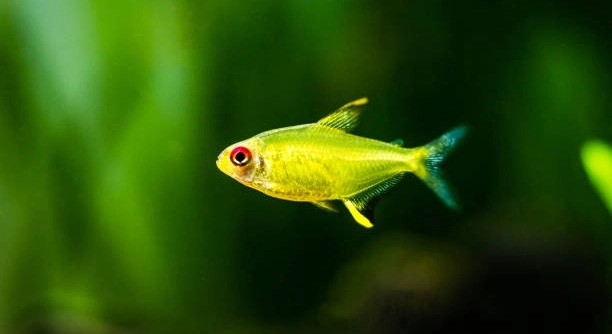
Have you noticed your Lemon Tetra swimming in pairs more often than usual? These small, vibrant fish can show subtle changes in behavior when they are preparing to breed. Observing these signs can be rewarding for any aquarist.
Lemon Tetras typically exhibit changes in coloration, increased pairing, and more active swimming patterns when approaching breeding readiness. Other indicators include enhanced territory marking, frequent cleaning of spawning sites, and a rise in courtship behaviors within the aquarium environment.
Recognizing these signals can help ensure a safe and supportive environment for your Lemon Tetras as they enter their breeding phase. Paying attention to small details makes all the difference.
Color Changes and Vibrancy
Lemon Tetras often show a noticeable change in their coloration when they are ready to breed. Their yellow hues become more vivid, and subtle iridescence appears along their fins. These changes are not just decorative; they are signals to other fish of reproductive readiness. Observing a pair closely, you may notice that males develop slightly brighter tones compared to females. Increased color intensity is often accompanied by more energetic swimming patterns and occasional flaring of fins, which demonstrates fitness and health. This visual cue is important for maintaining successful mating interactions. Monitoring these changes can help you identify which individuals are likely to breed soon. Environmental factors, including water quality and diet, also influence how pronounced these color changes appear. Providing stable conditions encourages natural behavior and allows the colors to show fully. Regular observation is key to understanding your fish and preparing for their breeding activities.
Color changes are among the earliest and most reliable signs that breeding may be imminent.
Keeping track of your Lemon Tetras’ color shifts allows for timely adjustments in tank conditions. Ensuring water is clean, pH levels are stable, and feeding is consistent supports their health. Enhanced vibrancy indicates the fish are physically ready, which can improve breeding success. By watching these signs, you can separate pairs if necessary or adjust tank decor to provide suitable spawning sites. Noticing these changes early helps prevent stress and promotes natural behavior, allowing you to support their reproductive cycle effectively.
Pairing and Courtship Behavior
Pairing is a strong behavioral indicator that breeding may be near.
Lemon Tetras often swim together more closely as they prepare to mate. Males may follow females, performing subtle circling and display behaviors. This courtship behavior includes chasing, fin displays, and gentle nudging, which helps establish bonding between potential mates. Observing these patterns carefully can help identify compatible pairs. Some fish may spend extended periods cleaning small areas or selecting hiding spots for egg-laying. Providing fine-leaved plants or spawning mops encourages natural behavior, making the environment supportive for breeding. The energy and attention a pair gives each other at this stage is distinct compared to normal social swimming patterns. Recognizing courtship allows you to monitor interactions for compatibility, prevent aggressive encounters, and plan for potential fry care. Courtship behaviors often increase in frequency during early morning hours, so consistent observation at this time can provide the clearest insights.
Monitoring pairing and courtship ensures that breeding conditions are optimal, and the fish remain healthy.
Courtship behaviors are a practical way to confirm readiness to breed. Observing these behaviors can guide adjustments in tank setup, such as adding spawning plants or separating active pairs from more aggressive tank mates. Some pairs show increased fin displays and gentle nudges while swimming, indicating mutual compatibility. By noting these interactions, you can anticipate spawning events and prepare to care for eggs and fry. This early observation prevents unnecessary stress, maintains harmony in the aquarium, and improves overall breeding success. Proper attention to pairing behaviors ensures both the physical and environmental needs of the Lemon Tetras are met, fostering a safe and natural setting for reproduction.
Increased Activity and Swimming Patterns
Lemon Tetras become noticeably more active when preparing to breed. They dart around the tank, exploring corners and plants more frequently. This heightened energy is a sign of readiness and helps strengthen pairs before spawning.
Active swimming patterns serve as both exercise and display. Males often chase females gently, circling plants or open spaces to attract attention. This constant movement helps establish dominance and readiness while preparing the pair for coordinated spawning. Watching these patterns provides insight into which individuals are more likely to breed successfully. Tank layout can influence their activity; adding plants or small hiding spots encourages natural movement. Maintaining stable water conditions supports consistent energy levels.
Increased activity is also a response to environmental cues like lighting and feeding schedules. Lemon Tetras may swim in tight groups or individually explore their surroundings more intensively. Such behavior indicates health and readiness for reproduction. Observing these energetic displays allows you to anticipate spawning events and provide optimal conditions for egg-laying, such as fine-leaved plants or spawning mops. Regular monitoring ensures that their heightened activity does not lead to stress or aggression, maintaining harmony in the tank.
Spawning Site Preparation
Lemon Tetras start preparing specific areas in the tank for egg-laying. They clean leaves, plants, or other surfaces to make them suitable for spawning, indicating readiness.
This preparation involves rubbing their bodies along surfaces and sometimes removing debris from selected areas. The pair may return to these spots repeatedly, testing them for safety and suitability. Providing dense plant coverage or artificial spawning mops helps encourage this natural behavior. Spawning site selection is crucial because it determines egg survival. Clean, stable surfaces reduce the risk of fungal growth or predation. Monitoring these behaviors allows aquarists to place protective barriers or remove aggressive tank mates, ensuring eggs are safe.
Proper site preparation is essential for successful breeding. Lemon Tetras demonstrate repeated inspection, cleaning, and slight adjustments of their chosen surfaces. They may also exhibit increased alertness, ensuring no other fish disturb the area. Recognizing these patterns allows you to manage the tank effectively, optimizing conditions for egg-laying. By providing fine-leaved plants, dense foliage, or spawning mops, you create an environment that encourages natural breeding behavior while minimizing risks. Observing these preparations ensures that eggs will have a safe, stable surface, improving hatching success and reducing stress for the breeding pair.
Heightened Territorial Behavior
Lemon Tetras may become slightly territorial as breeding approaches. Males often stake out small areas around plants or preferred spawning sites, chasing away other fish that come too close. This behavior helps secure a safe environment for eggs.
Territorial displays include flaring fins, chasing, and short bursts of swimming around a chosen area. Females may also claim nearby spaces. Recognizing this behavior can prevent unnecessary stress and aggression in a community tank.
Increased Feeding
Breeding readiness often triggers a stronger appetite. Lemon Tetras consume more food, focusing on protein-rich options like live or frozen foods. This supports energy needs for courtship and spawning, ensuring they are in optimal condition for reproduction.
Frequent Pairing
Pairs spend more time together, swimming in unison or staying close near plants. This reinforces bonds and prepares them for coordinated spawning. Monitoring their interactions helps identify which pairs are likely to breed successfully.
How can I tell if my Lemon Tetra is ready to breed?
Lemon Tetras show several physical and behavioral signs when ready to breed. Males become more brightly colored, displaying vivid yellow hues and slight iridescence along their fins. They swim actively, often following females and performing gentle circling or fin displays. Females appear slightly plumper as they prepare to lay eggs. Observing increased activity, pairing behavior, and preparation of spawning sites are reliable indicators of readiness. Clean water, stable pH, and a balanced diet help enhance these natural breeding signals, making the behavior more pronounced.
What type of tank setup encourages breeding?
A well-planted tank with fine-leaved plants or spawning mops provides surfaces for egg-laying and gives the fish a sense of security. Avoid strong currents that could disturb eggs or fry. Maintaining stable water parameters, such as a pH around 6.5–7.0, temperature near 24–26°C, and regular partial water changes, supports healthy breeding behavior. Providing hiding spaces reduces stress and ensures the pair can focus on courtship and egg-laying. Separating active pairs from aggressive tank mates may further improve egg survival and reduce conflict during this sensitive period.
How should I feed Lemon Tetras before breeding?
Diet plays a crucial role in successful breeding. Increase feeding with high-protein foods like live or frozen brine shrimp, daphnia, or bloodworms to support energy needs. Supplement with high-quality flakes or pellets to ensure balanced nutrition. Feed small amounts several times a day rather than one large portion to maintain water quality. Proper feeding enhances coloration, encourages courtship behaviors, and prepares females to produce healthy eggs. Observing their increased appetite is also a reliable signal that they are approaching breeding readiness.
Do Lemon Tetras need specific water conditions to spawn?
Yes, stable water conditions are essential. They prefer soft to moderately hard water with a pH around 6.5–7.0 and temperatures between 24–26°C. Gentle filtration and minimal disturbance help prevent stress. Frequent monitoring of ammonia, nitrite, and nitrate levels ensures the environment remains safe for eggs and fry. Slight adjustments to mimic seasonal changes, such as a small temperature rise or water refreshment with slightly softer water, can trigger spawning behaviors naturally.
How do I care for eggs and fry?
Once eggs are laid, it is best to remove adults from the breeding area to prevent predation. Eggs hatch in approximately 24–36 hours depending on temperature. Keep water clean, and provide very small, live foods like infusoria or newly hatched brine shrimp for fry. Gradually increase food size as they grow. Maintaining consistent water parameters is vital, as fry are more sensitive than adults. Observing growth and survival rates can help you adjust feeding and tank conditions for the best results.
How long does it take for Lemon Tetras to start breeding after pairing?
Once a compatible pair forms, breeding can occur within a few days to a week. Courtship and site preparation often take several days, during which fish actively clean surfaces and interact closely. Maintaining optimal conditions, including stable water, abundant food, and secure spawning sites, accelerates the process. Patience is essential, as rushing or frequent tank disturbance may delay spawning or cause stress.
Can Lemon Tetras breed in a community tank?
Breeding in a community tank is possible but comes with challenges. Other fish may eat eggs or harass the pair, reducing breeding success. Dense plants and hiding spots can help, but separating pairs into a dedicated breeding tank is often recommended. This ensures a safe, stress-free environment for egg-laying, hatching, and fry development. Community tanks require careful observation and management to protect both adult fish and their offspring.
What are common mistakes to avoid when trying to breed Lemon Tetras?
Avoid sudden water changes, overfeeding, or introducing aggressive tank mates during breeding. Insufficient hiding spaces or lack of spawning surfaces can prevent natural behavior. Ignoring subtle behavioral signs like pairing or site preparation may lead to missed breeding opportunities. Proper timing, water quality, and observing fish interactions are critical. Providing consistent care and a supportive environment maximizes chances of successful spawning and healthy fry development.
How often do Lemon Tetras breed?
Lemon Tetras can breed multiple times a month under optimal conditions. Frequent feeding, stable water parameters, and a suitable environment encourage recurring spawning cycles. Monitoring their behavior and adjusting care based on activity patterns helps maintain regular breeding, ensuring healthy reproduction over time.
Are there ways to increase breeding success?
Yes, providing high-quality food, stable water, optimal temperature, and secure spawning sites increases breeding success. Observing behavior, separating pairs if necessary, and reducing stressors like aggressive tank mates further supports reproduction. Regular monitoring of eggs and fry ensures higher survival rates and healthier offspring.
Breeding Lemon Tetras can be a rewarding experience, but it requires careful observation and attention to detail. These small fish display subtle changes in behavior and appearance that signal readiness to reproduce. Increased activity, pairing behavior, and site preparation are all important indicators to monitor. Noticing these signs early helps you create a supportive environment, ensuring that the fish are comfortable and safe throughout the breeding process. Consistent care in feeding, water quality, and tank setup makes it easier to guide them through spawning without unnecessary stress. Being attentive to these details allows the breeding process to progress naturally and improves the likelihood of healthy eggs and fry.
Maintaining stable tank conditions is critical for successful Lemon Tetra breeding. Parameters such as temperature, pH, and water cleanliness directly affect their readiness to spawn and the survival of eggs. Providing fine-leaved plants or spawning mops creates safe surfaces for egg-laying while reducing the risk of predation from other fish. Monitoring the pair’s interactions also ensures that aggression is minimized and the environment remains calm. Feeding high-quality, protein-rich foods supports energy levels needed for courtship and spawning, helping the fish reach optimal physical condition. A predictable routine in feeding and water changes contributes to their overall health and encourages natural behavior, making the breeding process smoother and more successful.
Observing Lemon Tetras closely throughout the breeding phase allows you to anticipate changes and respond accordingly. From identifying which pairs are compatible to managing territorial behavior, each small detail impacts the outcome. Separating the breeding pair or providing additional hiding spots may be necessary to protect eggs and fry. Regular observation also helps detect potential issues, such as stress or aggression, that could interfere with reproduction. By maintaining patience and careful attention, you support both the physical and behavioral needs of the fish. Ensuring consistent care and monitoring creates a stable environment where Lemon Tetras can reproduce naturally, giving their offspring the best chance for growth and survival.

Hello,
If you enjoy the content that we create, please consider saying a "Thank You!" by leaving a tip.
Every little bit helps us continue crafting quality advice that supports the health, happiness, and well-being of pets around the world, for pets of all shapes, sizes, and species.
We really appreciate the kindness and support that you show us!