
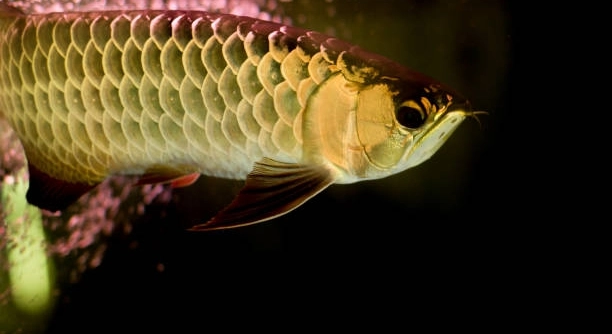
Have you ever spent time watching your arowana swim gracefully across its tank and wondered if it truly recognizes you? These elegant fish are more than just beautiful pets, showing behaviors that hint at awareness. Their movements and reactions often suggest subtle forms of recognition, creating a quiet bond with their caretakers. Observing how they interact with people over time can reveal fascinating patterns of familiarity.
Arowanas are capable of recognizing and remembering their owners over extended periods. Studies indicate they can distinguish between familiar and unfamiliar individuals through visual cues, and consistent interaction strengthens their memory and behavioral responses towards their caretaker.
Understanding how arowanas perceive and remember people can improve your relationship with them. Learning these insights helps create a more engaging and rewarding environment for your fish.
How Arowanas Recognize Their Owners
Arowanas rely heavily on visual cues to identify people around them. They notice movements, shapes, and even the way someone approaches the tank. Over time, these fish can differentiate between a familiar caretaker and a stranger. Regular interaction, such as feeding or cleaning the tank, strengthens this recognition. Many owners report that their arowanas respond quickly to their presence, often swimming closer when they approach. This behavior shows that arowanas are not just reacting to motion; they actually form a memory of the person interacting with them. Consistent care is key, as it helps the fish feel secure and reinforces its memory. Even subtle changes, like a new hairstyle or different clothing, may take a few sessions for the arowana to adapt to, demonstrating their memory capacity. Observing these responses can be rewarding and helps build a calmer, more responsive fish.
Arowanas can remember specific people because of repeated interactions. Consistency in care strengthens this memory.
When arowana recognizes its owner, it often changes behavior, showing signs like following movements along the tank, swimming to the front, or pausing near the glass. Some may even wait for feeding, indicating they anticipate certain actions based on past experiences. Recognition isn’t just about seeing; it’s a combination of observation, learned patterns, and associative memory. Repeated routines, like feeding at the same time or using the same gestures, reinforce the bond. Over months, the fish becomes more responsive, adjusting behavior to match expectations. Understanding this process allows owners to interact in ways that reduce stress and encourage natural behaviors. Arowanas are intelligent, and their ability to remember human caretakers highlights the importance of consistency and patience in care. These subtle forms of communication show that arowanas are more aware and observant than often assumed.
Tips for Strengthening Recognition
Consistency is the most important factor in helping an arowana remember you. Regular routines create familiarity.
Engaging with your arowana through consistent feeding, careful movement near the tank, and gentle attention improves recognition. Avoid sudden changes or irregular schedules, as they can confuse the fish. Small gestures, like using the same hand to feed or maintaining a calm presence, make a big difference. Over time, the fish associates these cues with positive experiences, reinforcing memory and trust. Visual markers, like objects in the tank, can also help establish patterns the fish can recognize, further enhancing its comfort. Patience is essential, as memory develops gradually. Observing responses and adjusting your approach ensures the interaction remains positive, creating a stronger bond. Recognizing your presence becomes a part of its daily routine, showing that arowanas can form reliable long-term memories. Consistent and gentle care encourages natural behaviors and a calm environment, benefiting both the fish and the owner.
Signs Your Arowana Remembers You
Arowanas show recognition through behavior like following movements, swimming closer, or pausing near the tank. They may react differently when strangers approach, displaying curiosity or caution compared to their usual calm response to familiar caretakers.
When your arowana remembers you, daily interactions become more predictable. The fish often anticipates feeding, swims toward you when you approach, or responds to gestures and movements it has learned over time. Recognition is reinforced by repeated routines, such as feeding at the same time or using consistent hand movements. Arowanas rely on visual memory and habit to form these connections, so maintaining calm and consistent behavior is crucial.
Other signs include subtle shifts in posture or movement when you enter the room. Some arowanas may linger near the glass, observing and tracking your presence, while others may display playful movements or small bursts of activity. These responses indicate that the fish associates you with positive experiences like feeding or tank cleaning. Observing these behaviors helps you understand its memory patterns. Arowanas can remember their caretakers for months, sometimes even years, showing a capacity for long-term recognition.
Factors Affecting Memory in Arowanas
Age and size influence how quickly an arowana remembers its owner. Younger fish may take longer to form consistent recognition patterns.
Environmental consistency is another key factor. Frequent changes in lighting, tank decorations, or water conditions can disrupt memory formation and recognition cues. A stable environment allows the fish to focus on familiar routines and people. Interaction quality also matters; calm, gentle handling strengthens recognition, while sudden movements or irregular feeding may confuse the fish. Over time, repeated positive experiences help the arowana build reliable memory associations, making it more responsive and attentive toward its owner.
Stress, illness, or overcrowding can impact memory retention in arowanas. High-stress environments reduce attention and focus, making recognition more difficult. Ensuring optimal water quality, adequate space, and a consistent feeding routine promotes cognitive function. Proper diet rich in nutrients supports brain health, contributing to stronger memory. Arowanas rely on pattern recognition, so predictable routines are essential. Understanding these factors allows you to create conditions that enhance memory formation. When combined with gentle, repeated interaction, the fish becomes more confident and aware, showing clearer signs of remembering its caretaker and responding to familiar stimuli in the tank.
How Feeding Habits Influence Memory
Arowanas quickly associate regular feeding with specific people. They learn who provides food and begin to anticipate feeding times, strengthening memory of their caretaker.
Consistency in feeding helps the fish recognize patterns. Using the same hand or approaching the tank in a similar manner each time reinforces familiarity, making the arowana more responsive and attentive during interactions.
Training Arowanas to Respond
Training an arowana requires patience and repetition. Small gestures, like tapping the tank or offering food at the same time daily, help the fish form associations between actions and outcomes. Over time, the fish learns to respond to cues, showing clear recognition of its owner.
Environmental Factors and Memory
Stable water conditions and tank setup play a major role in memory retention. Sudden changes can confuse arowanas, making it harder for them to remember people or routines. Maintaining consistency helps support their long-term recognition.
How long can an arowana remember its owner?
Arowanas can remember their owners for months or even years if interaction is consistent. They rely on repeated visual cues and routines, so daily feeding and calm presence help maintain recognition over the long term. Memory retention improves when the environment is stable and stress is minimized.
Do arowanas recognize strangers differently than their owners?
Yes, arowanas respond differently to unfamiliar people. They may swim cautiously, retreat, or show less interest when a stranger approaches. This contrast in behavior highlights their ability to distinguish familiar caretakers from new individuals, showing that recognition is based on repeated positive experiences.
Can arowana forget its owner?
Memory can fade if interactions become inconsistent or the environment changes frequently. Stress, illness, or prolonged absence of the caretaker may reduce recognition. Regular routines and consistent presence are crucial to maintain memory over time, as arowanas rely on familiarity to feel secure and responsive.
How can you strengthen an arowana’s memory?
Repeated positive interactions strengthen memory. Feeding at the same time, using the same hand, and maintaining calm, gentle behavior help the fish form strong associations. Visual consistency in tank setup also reinforces recognition, making the arowana more attentive and interactive with its caretaker.
Do arowanas remember tricks or training routines?
Arowanas are capable of learning simple responses or routines associated with feeding or gestures. Consistent repetition and clear cues allow the fish to anticipate actions, like swimming to a specific area for food. This shows that memory extends beyond recognition to learned behaviors.
Does age affect memory in arowanas?
Younger arowanas may take longer to recognize people, while older fish often have more established routines and recognition patterns. Memory develops through repeated interaction and consistent care, meaning both young and older fish can retain recognition when provided stable conditions.
Can stress impact an arowana’s memory?
Yes, stress negatively affects memory. Poor water quality, overcrowding, or sudden changes can reduce attention and cognitive function, making it harder for arowanas to recognize owners. Minimizing stress through consistent care and optimal tank conditions supports memory retention.
Is visual recognition the only way arowanas remember people?
Visual cues are the primary method, but arowanas also respond to routines and gestures. Consistent hand movements, feeding patterns, and environmental cues help reinforce recognition, showing that memory is a combination of observation, learning, and association.
How quickly does an arowana learn to recognize its owner?
Learning speed varies depending on age, temperament, and consistency of interaction. Some fish may show recognition within a few weeks of regular feeding and calm handling, while others may take several months to form reliable memory patterns. Patience and repetition are key.
Are all arowanas equally good at remembering owners?
Individual differences exist. Some arowanas are naturally more responsive and observant, while others may be shy or cautious. Environmental stability, consistent care, and repeated positive interactions influence how well each fish recognizes its caretaker over time.
Can diet influence memory in arowanas?
A balanced diet supports overall health, including brain function. Proper nutrition helps maintain cognitive abilities, making it easier for the fish to form and retain recognition patterns. Irregular feeding or poor diet can weaken attention and memory, reducing responsiveness to the owner.
Does tank size affect memory recognition?
Yes, a suitable tank allows the fish to feel secure and focus on learning patterns. Overcrowded or stressful conditions reduce attention span and cognitive function, making it harder for the arowana to consistently recognize its caretaker. A stable, appropriately sized tank promotes better memory.
How can you tell if your arowana truly remembers you?
Signs include swimming toward you, following movements along the tank, or anticipating feeding. Subtle cues like changes in posture, increased activity near the glass, or focus on your gestures indicate recognition and memory of past interactions.
Do arowanas form bonds with multiple caretakers?
They can recognize multiple people if routines are consistent, but memory is stronger with the person who interacts most regularly. Each caretaker’s presence and behavior influence the fish’s familiarity, showing that repeated interaction is key to forming recognition patterns.
How long does it take for recognition to fade if neglected?
Recognition can diminish within weeks if the fish experiences prolonged absence of interaction or inconsistent care. Memory retention depends on repeated positive experiences, so returning to a consistent routine can help restore recognition over time.
Can environmental enrichment improve memory?
Yes, a stable and enriched environment provides visual landmarks and predictable patterns that support memory. Decorations, plants, or objects create cues that reinforce familiarity, helping the arowana associate its caretaker with positive routines.
Are there signs an arowana is stressed from poor recognition?
Signs include hiding, erratic swimming, reduced appetite, or ignoring the caretaker. Stress from unfamiliarity or inconsistent interaction affects memory and behavior. Observing and adjusting routines or environment helps the fish feel secure and improves recognition responses.
Does handling affect memory?
Gentle and calm handling supports memory by creating positive associations, while sudden or rough interactions can cause stress, reducing attention and recognition. Consistency in movement, timing, and interaction style is crucial for memory retention and building trust over time.
Can visual changes in a caretaker confuse an arowana?
Yes, noticeable changes like clothing, posture, or movement can initially confuse the fish. However, consistent presence and repeated interaction help the arowana adapt and continue recognizing its caretaker over time. Visual memory is flexible but benefits from stability and routine.
How does daily routine support long-term recognition?
Daily routines like feeding, tank cleaning, and calm presence reinforce memory. The fish learns to associate these actions with familiar people, strengthening long-term recognition. Repetition and predictability in daily care are essential for maintaining memory over months or years.
This FAQ provides practical insight into how arowanas remember and recognize their owners, highlighting consistency, routine, and environment as key factors for long-term memory.
Arowanas are fascinating fish that show much more awareness than they often get credit for. They can remember their owners over long periods, forming recognition through repeated interactions and visual cues. This ability to remember is not just about responding to movement or food; it shows that these fish can create long-term associations between people and routines. Watching an arowana recognize its caretaker can be surprisingly rewarding, as it demonstrates intelligence and memory in a creature often thought to be purely instinct-driven. Over time, this recognition becomes stronger when the fish experiences consistent care, calm presence, and regular feeding. Even small changes in approach, like using the same hand for feeding or entering the room in a familiar manner, reinforce memory. Arowanas are highly observant, and their ability to remember human caretakers reflects both their cognitive capacity and the importance of predictable, steady care in their daily lives.
Memory in arowanas is influenced by multiple factors, including age, health, environment, and consistency of interaction. Younger fish may take longer to recognize someone because they are still developing routines and learning about their surroundings. Older fish may have more established patterns and can form recognition faster, but they still benefit from steady routines and gentle handling. Arowanas also rely heavily on a stable environment. Changes in water conditions, tank decorations, or lighting can disrupt patterns and make recognition harder. Stress, overcrowding, or illness can also reduce the fish’s ability to retain memory, so maintaining optimal conditions is essential for their cognitive health. Diet also plays a role; a balanced, nutrient-rich diet supports overall well-being, including memory and learning. When all these factors are in place, arowanas are more likely to respond to familiar caretakers, showing behaviors such as swimming to the front of the tank, following movements, or anticipating feeding. These behaviors indicate not only memory but also trust and comfort in their environment.
Consistent care is the key to maintaining long-term recognition in arowanas. Gentle, repeated interaction, along with predictable feeding and handling routines, strengthens memory and improves responsiveness. Arowanas are sensitive to changes, so maintaining stability in the tank and in daily routines supports their ability to remember and recognize people. Observing their responses provides insight into their cognitive abilities and allows owners to form a stronger connection with their fish. Over time, this bond can make interactions more predictable and enjoyable for both the fish and the caretaker. Recognizing how environmental factors, routines, and consistent interaction affect memory allows owners to provide the best care, ensuring that the arowana feels secure, comfortable, and attentive to familiar faces. Ultimately, understanding that these fish can remember people emphasizes the importance of patience, consistency, and attentiveness in their care, highlighting their intelligence and responsiveness in a way that makes keeping them both rewarding and engaging.

Hello,
If you enjoy the content that we create, please consider saying a "Thank You!" by leaving a tip.
Every little bit helps us continue crafting quality advice that supports the health, happiness, and well-being of pets around the world, for pets of all shapes, sizes, and species.
We really appreciate the kindness and support that you show us!