
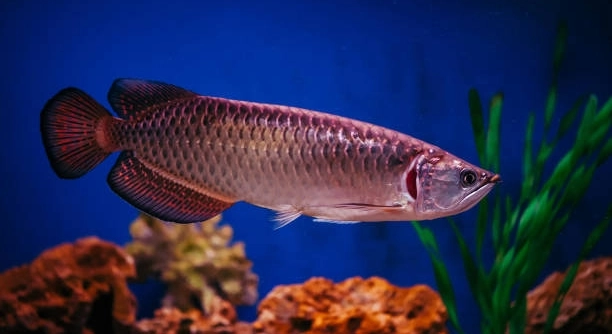
Is your arowana constantly facing the corner of its tank, leaving you puzzled and concerned about its behavior? Observing your fish closely can reveal subtle signs of stress, discomfort, or environmental issues affecting its well-being and daily habits.
Arowanas often face the corner due to stress, poor water conditions, or insufficient space. This behavior can also result from low oxygen levels, improper tank setup, or the presence of aggressive tank mates. Proper monitoring and adjustments can alleviate the issue.
Learning how tank conditions, diet, and social dynamics influence your arowana’s behavior can help you create a healthier and more comfortable environment for your fish.
Common Environmental Factors Affecting Arowana Behavior
Arowanas are highly sensitive to their environment, and even small changes can affect their behavior. Poor water quality, such as high ammonia, nitrite, or nitrate levels, can make your fish feel unsafe and lead it to retreat to corners. Temperature fluctuations or incorrect water pH may also create discomfort. Tank size is another critical factor; arowanas are large, active fish that need ample swimming space. Overcrowding can cause stress and corner-facing behavior. Lighting plays a role too—bright or inconsistent lighting may make the fish feel exposed. Decorations and hiding spots influence behavior as well. While some arowanas may simply prefer corners as resting spots, persistent corner-facing usually signals an issue. Regular water testing, proper filtration, and ensuring an appropriately sized tank with balanced decor can significantly improve your arowana’s comfort and overall health, reducing anxious behaviors and promoting more natural swimming patterns.
Monitoring water quality, tank size, and temperature closely can prevent stress and support healthy behavior in your arowana.
Many fish owners overlook subtle environmental stressors, but these factors heavily influence arowana behavior. Stress can weaken immunity, making fish more susceptible to disease. By keeping the tank clean, maintaining stable temperature, and providing enough space, you allow your arowana to explore freely. Decorations should not overcrowd the tank but can offer hiding spots. Sudden changes in light or water parameters can trigger anxiety. Observing your fish daily helps identify early signs of stress. Even small adjustments, like adding a gentle filter or checking oxygen levels, can improve comfort. Ensuring tankmates are compatible and non-aggressive also reduces corner-facing behavior. Consistency in care routines creates a predictable environment, which arowanas respond well to. Addressing environmental factors promptly can prevent chronic stress, promote natural behavior, and enhance longevity.
Health and Nutritional Considerations
Poor health or inadequate diet can influence an arowana’s tendency to face corners.
Arowanas require a balanced diet rich in proteins and vitamins to remain healthy. Deficiencies or digestive issues may make them lethargic, causing them to hide in corners. Observing feeding habits and adjusting diet can help maintain energy and activity levels. Regular checkups for parasites or infections ensure the fish stays healthy and active. Maintaining proper nutrition and monitoring health signals can reduce unwanted corner-facing behavior.
Feeding your arowana the right diet supports overall vitality and encourages normal swimming behavior. Protein-rich foods like insects, small fish, and pellets tailored for arowanas supply essential nutrients. Vitamins and minerals prevent deficiencies that can lead to lethargy or stress, which often manifests as corner-facing. Overfeeding should be avoided, as it can lead to bloating, digestive problems, and reduced mobility. Maintaining a consistent feeding schedule reinforces healthy routines. Observing how your fish eats and interacts with food gives insight into its well-being. Addressing minor health issues early prevents them from becoming serious problems. Proper nutrition, combined with attention to water quality and tank conditions, helps your arowana stay active, confident, and engaged, reducing the tendency to retreat to corners and promoting a more vibrant presence in its environment.
Stress and Tank Dynamics
Stress can significantly affect an arowana’s behavior, making it seek corners for comfort. Factors like aggressive tankmates, sudden movements outside the tank, or loud noises can trigger anxiety. Reducing stress is essential for a healthier, more active fish.
Aggressive or incompatible tankmates often cause an arowana to retreat. Even minor harassment from smaller fish can build stress over time. Tank size also plays a role; a small or crowded tank limits movement and increases tension. Sudden changes in lighting, water flow, or decorations can further unsettle your fish. Observing interactions and behavior patterns helps identify stress sources. Implementing gentle water flow, consistent lighting, and compatible companions creates a stable environment. Providing hiding spots or gentle partitions can give the fish a sense of security. Consistency in care routines helps reduce stress-related corner-facing.
Monitoring stress involves watching both behavior and physical health. Signs such as clamped fins, rapid breathing, or loss of appetite often accompany corner-facing behavior. Regular interaction, consistent feeding, and calm handling reduce anxiety. Adjusting environmental factors gradually avoids shocking the fish. Using quality filtration and maintaining water parameters within ideal ranges further supports stress management. By addressing both tank dynamics and external disturbances, you can encourage more natural swimming patterns and a confident presence in the tank.
Lighting and Tank Layout
Lighting intensity and tank layout directly impact an arowana’s comfort. Bright or uneven lighting can make the fish hide in corners. Proper placement of decorations and hiding spots creates a more secure environment. Adjusting these elements improves activity and reduces anxious behavior.
Lighting should mimic natural conditions as closely as possible. Too much brightness can stress the fish, while too little may affect activity and appetite. Arranging plants, driftwood, or rocks to provide shaded areas allows your arowana to retreat when needed. Avoid overcrowding decorations, as limited swimming space can increase stress. Consistency in light cycles supports natural circadian rhythms, promoting regular movement. Tank layout should encourage exploration but provide security. Monitoring how your fish interacts with its surroundings helps optimize the setup. Gradual adjustments in lighting or décor prevent sudden stress, supporting healthier, more confident behavior. Proper tank design enhances well-being, reducing corner-facing tendencies over time.
Water Quality and Filtration
Poor water quality often makes arowanas hide in corners. High ammonia, nitrite, or nitrate levels can stress the fish. Regular water testing and filtration maintenance are essential to keep your arowana healthy and comfortable.
Changing water partially each week helps maintain balance. Using a reliable filter reduces toxins and supports oxygen levels. Stable water parameters encourage normal swimming and reduce corner-facing behavior.
Temperature and Oxygen Levels
Maintaining proper water temperature is critical. Arowanas prefer stable temperatures between 75°F and 82°F. Sudden drops or spikes can cause stress and lead to corner-facing behavior. Monitoring and adjusting heaters or chillers keeps conditions ideal.
Oxygen levels also influence activity. Insufficient oxygen can make your fish lethargic and retreat to corners. Adding aeration or adjusting water flow can help maintain proper oxygenation, supporting overall health. Stable temperature and oxygen create an environment that encourages natural behavior and reduces stress-induced hiding.
Behavioral Observation
Watching your arowana’s daily behavior provides insight into underlying issues. Patterns like frequent corner-facing or reduced movement can indicate stress or health problems.
Regular observation allows early detection of problems. Noting eating habits, interactions with tankmates, and swimming patterns helps determine if changes in environment or care are needed.
FAQ
Why is my arowana constantly facing the corner?
Arowanas often face corners due to stress, environmental issues, or health problems. Poor water quality, improper tank size, aggressive tankmates, and sudden changes in light or decorations can all contribute. Sometimes, it is simply a resting habit, but persistent corner-facing usually signals discomfort or anxiety.
Can poor water quality make my arowana hide?
Yes. High ammonia, nitrite, or nitrate levels can make your fish feel unsafe. Low oxygen or fluctuating pH also causes stress. Regular water testing, partial water changes, and proper filtration help maintain stable, healthy conditions, reducing hiding behavior.
Does tank size affect corner-facing behavior?
Absolutely. Arowanas are large, active fish that need ample swimming space. Small or crowded tanks can make them feel confined, leading to frequent corner-facing. Providing enough room for movement and considering future growth is essential for their comfort and well-being.
Do tankmates influence this behavior?
Yes. Aggressive or overly active tankmates can stress your arowana. Even minor harassment or competition for food can make it retreat to corners. Choosing compatible species and monitoring interactions ensures a safer, calmer environment.
Can temperature or oxygen levels affect behavior?
Definitely. Arowanas thrive in stable water temperatures between 75°F and 82°F. Sudden drops or spikes can cause stress and lethargy. Low oxygen levels reduce activity and may encourage hiding. Using heaters, chillers, and aeration helps maintain stable conditions.
Could diet or health issues cause corner-facing?
Yes. Poor nutrition, digestive issues, or illness can make your fish lethargic, prompting it to hide. Feeding a balanced diet rich in proteins and essential vitamins, while observing appetite and physical condition, supports energy levels and normal swimming.
Does lighting or tank layout play a role?
Lighting and tank layout significantly affect comfort. Bright, uneven lighting can stress arowanas. Providing shaded areas, hiding spots, and consistent light cycles gives them security. Decorations should create interest but not restrict swimming space. Gradual adjustments prevent sudden stress.
Is corner-facing normal behavior sometimes?
Occasionally, yes. Some arowanas may rest in corners for short periods, especially after feeding or swimming. However, persistent or prolonged corner-facing usually indicates stress, poor water conditions, health issues, or environmental discomfort that should be addressed.
How can I reduce corner-facing behavior?
Monitor water quality, temperature, and oxygen levels. Ensure adequate tank size and compatible tankmates. Provide balanced nutrition and consistent lighting. Observing daily behavior helps identify stress triggers early. Making gradual, thoughtful adjustments often reduces corner-facing and encourages natural activity.
When should I consult a veterinarian?
If corner-facing is accompanied by other signs like clamped fins, rapid breathing, loss of appetite, or unusual spots, it is time to seek professional advice. Early intervention can prevent more serious health problems and restore normal behavior.
How often should I observe my arowana’s behavior?
Daily observation is ideal. Tracking swimming patterns, feeding habits, and interactions with tankmates helps detect subtle changes. Promptly identifying stress or illness allows timely corrective actions and ensures long-term well-being.
Can environmental enrichment help?
Yes. Introducing gentle water flow, plants, or driftwood creates stimulation and hiding areas, reducing stress. Proper enrichment encourages natural swimming patterns and exploration, helping your arowana feel more secure and active.
Is partial water change important?
Partial water changes maintain clean, stable water, reduce toxins, and prevent oxygen depletion. Weekly or biweekly changes depending on tank size and filtration are recommended. Consistent maintenance prevents stress-induced corner-facing and promotes healthier behavior.
How do I know if my arowana is stressed?
Signs of stress include frequent corner-facing, reduced movement, clamped fins, loss of appetite, and rapid breathing. Stress often results from poor water quality, aggressive tankmates, insufficient space, or sudden environmental changes. Identifying these signals early allows for corrective measures.
Can gradual changes reduce stress?
Yes. Sudden changes in water parameters, lighting, or tank layout can increase anxiety. Making gradual adjustments ensures your arowana adapts comfortably, reducing corner-facing and encouraging normal swimming behavior.
How long does it take for an arowana to adjust to a new tank?
Adjustment can take several days to a few weeks. Providing stable water, proper temperature, and a safe layout helps the fish acclimate. Observing behavior during this period ensures issues like stress or hiding are addressed promptly.
Does overfeeding affect behavior?
Overfeeding can lead to bloating, digestive issues, and lethargy, which may increase corner-facing. Feeding the right amount on a consistent schedule promotes energy, normal activity, and reduces stress-related hiding.
Are some arowanas naturally more reserved?
Yes. Individual temperament varies. Some arowanas may prefer resting in corners occasionally. Persistent or extreme corner-facing, however, often points to environmental, health, or dietary issues that need attention.
Can I use water conditioners to help?
Water conditioners neutralize chlorine, chloramine, and toxins, improving overall water quality. Proper use supports health, reduces stress, and may decrease corner-facing caused by poor water conditions. Always follow product instructions for safe use.
What should I monitor daily?
Daily monitoring should include swimming behavior, appetite, breathing, interactions with tankmates, water temperature, and clarity. Regular checks help spot problems early, allowing interventions before stress or health issues worsen.
Does consistent feeding time matter?
Yes. Consistent feeding creates a predictable routine, reducing anxiety. Arowanas thrive on regular schedules, which supports normal behavior and encourages them to swim confidently instead of retreating to corners.
Can adding hiding spots help?
Providing hiding spots reduces stress by giving the fish control over its environment. Driftwood, plants, or shaded areas allow retreat without restricting swimming space. This balance helps your arowana feel secure and encourages natural activity.
How can I tell if tankmates are causing stress?
Watch interactions closely. Signs include chasing, nipping, or persistent intimidation. If your arowana retreats often, especially to corners, it may indicate stress from other fish. Separating incompatible tankmates or rearranging the tank can alleviate pressure.
Is temperature fluctuation more stressful than low oxygen?
Both can be stressful, but sudden temperature changes often have a stronger immediate effect. Low oxygen usually causes lethargy over time. Ensuring stable temperature and sufficient aeration together supports comfort and reduces corner-facing tendencies.
How important is filtration quality?
High-quality filtration removes toxins and maintains oxygenation, preventing stress. Poor filtration can cause water imbalance, leading to hiding behavior. Regular cleaning and monitoring ensure consistent performance and healthier behavior.
Can stress lead to disease?
Yes. Prolonged stress weakens immunity, making arowanas more prone to infections, parasites, and other health issues. Reducing stress through proper care, environment, and diet helps prevent illness and encourages normal activity.
Does corner-facing always indicate illness?
Not always. Occasional corner-resting can be normal. Persistent or accompanied by other symptoms usually indicates stress, poor water quality, or health problems that require attention.
How do I gradually adjust lighting?
Increase or decrease light intensity slowly over several days. Use timers to maintain consistent cycles. Gradual adjustment prevents shock, reduces stress, and supports natural behavior patterns.
Should I test water more than once a week?
Frequent testing, especially in new or heavily stocked tanks, helps catch issues early. Weekly testing is sufficient for stable tanks, but more frequent checks may be needed if corner-facing or unusual behavior persists.
Can tank decorations reduce corner-facing?
Yes. Thoughtful placement of plants, driftwood, or rocks creates secure areas without restricting movement. Balanced decorations provide stimulation, hiding spaces, and reduce stress-induced corner-facing.
Does consistent routine matter?
Consistency in feeding, lighting, and maintenance reduces anxiety. A predictable routine allows your arowana to feel secure, encourages swimming, and minimizes hiding in corners.
What should I do if behavior doesn’t improve?
If corner-facing persists despite optimal water quality, diet, and tank conditions, consulting a veterinarian or experienced aquarist is recommended. Professional advice ensures underlying health or behavioral issues are addressed.
How long does it take to see improvement?
Behavior improvement varies from days to weeks, depending on stress levels and environmental adjustments. Consistency and careful observation are key to encouraging confident, active swimming.
Can seasonal changes affect behavior?
Yes. Temperature, light duration, and water chemistry can fluctuate seasonally, influencing activity. Monitoring and adjusting conditions seasonally helps maintain comfort and reduces corner-facing tendencies.
Is it normal for young arowanas to hide more?
Juveniles may hide more as they acclimate to new tanks or changes. Providing adequate space, hiding spots, and gentle handling encourages exploration and reduces stress-related corner-facing.
Does water flow affect corner-facing?
Yes. Strong currents can stress an arowana, making it retreat. Gentle water flow supports oxygenation without causing discomfort. Adjusting filter output or using baffles helps create a balanced environment.
Can adding plants help reduce stress?
Yes. Live or artificial plants create shaded areas and hiding spots, reducing anxiety. Proper placement enhances security while allowing swimming space, encouraging natural behavior and reducing corner-facing.
How do I track behavior changes effectively?
Maintain a simple log of feeding, swimming patterns, and interactions. Note any corner-facing episodes, changes in appetite, or unusual activity. Tracking helps identify patterns and guide corrective actions.
Can small adjustments make a big difference?
Even minor changes like adjusting lighting, rearranging decorations, or improving water quality can reduce stress. Gradual, thoughtful modifications often lead to noticeable improvements in activity and comfort.
Is patience important with behavioral changes?
Yes. Behavioral improvements take time. Consistent care, observation, and gradual adjustments encourage confident swimming and reduce stress-induced corner-facing over weeks rather than days.
Does tank temperature vary with room temperature?
Yes. Room temperature can affect tank water. Monitoring and using heaters or chillers ensures stable conditions, preventing stress and reducing corner-facing behavior.
How do I know if diet is adequate?
A balanced diet with high-quality pellets, live or frozen fish, and occasional insects provides essential nutrients. Observing energy, growth, and swimming patterns helps determine adequacy and prevent stress-induced hiding.
Can sudden noises or vibrations stress my arowana?
Yes. Loud sounds, tapping, or vibrations can cause anxiety. Minimizing disturbances and creating a calm environment encourages natural swimming and reduces corner-facing behavior.
How can I make the tank feel more secure?
Provide shaded areas, gentle water flow, hiding spots, and compatible tankmates. Consistent maintenance and stable conditions create a secure, comfortable environment that reduces stress-induced corner-facing.
Does age affect hiding tendencies?
Older or more timid arowanas may hide more. Monitoring health, maintaining optimal conditions, and providing adequate space ensures both young and older fish feel secure and active.
Can overstocking cause stress?
Yes. Too many fish in a tank increases competition, aggression, and stress. Overstocking often results in corner-facing as the arowana seeks safety. Adequate tank size and careful stocking prevent these issues.
How often should I check filters?
Filters should be checked weekly to ensure proper flow, cleanliness, and oxygenation. A well-maintained filter prevents water quality problems that can cause hiding or stress.
Are there signs that corner-facing is serious?
Yes. Prolonged hiding, clamped fins, labored breathing, loss of appetite, or unusual spots indicate stress or health problems. Addressing these early is important for recovery and well-being.
Does acclimation affect corner-facing?
Newly introduced arowanas may hide as they adjust. Providing stable conditions, hiding spots, and gradual introduction reduces anxiety and encourages confident swimming over time.
Can consistent lighting cycles help?
Yes. Regular day-night cycles support natural behavior and circadian rhythms. Consistency reduces stress and encourages normal activity rather than corner-facing.
How do I balance hiding spaces and swimming space?
Provide enough decorations for security without overcrowding. Arowanas need open areas to swim freely. Balanced layout encourages exploration, reduces stress, and minimizes corner-facing behavior.
Is observation more important than immediate action?
Both are important, but observation allows you to identify causes before making adjustments. Understanding behavior patterns ensures effective interventions and avoids unnecessary stress from abrupt changes.
Does stress impact appetite?
Yes. Stressed arowanas may eat less or ignore food, which can worsen health. Addressing environmental factors and monitoring diet supports energy levels and reduces corner-facing.
How do I handle aggressive tankmates?
Separate or rehome aggressive fish. Adjust decorations to create partitions and hiding spots. Ensuring compatibility promotes calm behavior and reduces corner-facing.
Can seasonal light changes be harmful?
Sudden seasonal light shifts can stress arowana. Adjusting lighting gradually maintains comfort and prevents anxiety-related corner-facing.
Is water hardness important?
Yes. Extreme hardness can affect health and comfort. Maintaining stable water parameters prevents stress, encourages normal swimming, and reduces corner-facing tendencies.
Can partial water changes reduce stress?
Yes. Regular partial changes remove toxins, stabilize water parameters, and improve oxygenation, supporting healthy behavior and reducing stress-induced corner-facing.
Do all arowanas react the same to environmental changes?
No. Individual temperament varies. Some are more sensitive and may hide more frequently. Observing patterns helps tailor care to each fish’s needs.
Is daily monitoring enough?
Yes. Daily checks of behavior, water quality, and interactions allow early detection of stress or illness, preventing prolonged corner-facing and supporting overall health.
Can I use supplements to improve behavior?
Certain vitamins and minerals support health and energy, but they should complement a balanced diet. Proper nutrition helps reduce lethargy and stress-related corner-facing.
Does water flow direction matter?
Yes. Strong currents can stress arowanas, causing hiding. Gentle, uniform water flow encourages natural swimming while preventing anxiety-induced corner-facing.
Can tank size adjustments improve behavior?
Increasing tank size provides space to swim freely, reducing stress and corner-facing. Adequate room is especially important as arowanas grow.
How do I know when my arowana is fully comfortable?
Signs include regular swimming, exploration of the tank, active feeding, and minimal hiding. Consistent behavior indicates comfort and confidence in the environment.
Can lighting color affect stress?
Harsh or unnatural lighting may increase stress. Soft, consistent lighting that mimics natural conditions supports comfort and normal behavior.
Does water clarity affect behavior?
Yes. Cloudy or dirty water can stress arowanas. Clear, well-maintained water encourages swimming and reduces corner-facing.
How important is gradual environmental change?
Gradual adjustments prevent sudden stress, allowing arowanas to adapt comfortably. Rapid changes often trigger corner-facing and anxious behavior.
Can seasonal temperature fluctuations be managed?
Yes. Using heaters, chillers, or insulation maintains stable temperature, preventing stress and corner-facing during seasonal changes.
Are there signs my fish enjoys the tank?
Active swimming, interaction with environment, and consistent feeding indicate your arowana feels secure and comfortable, with minimal hiding or corner-facing behavior.
Does tank position in the room matter?
Yes. Frequent disturbances or drafts can stress the fish. Placing the tank in a quiet, stable area encourages normal behavior and reduces corner-facing.
How do I maintain consistent care?
Set routines for feeding, water testing, and observation. Consistency in care supports well-being and encourages confident swimming rather than hiding.
Can overhandling cause corner-facing?
Yes. Excessive tapping or moving the tank can stress the fish. Minimal disturbance promotes calm behavior and reduces hiding.
Does corner-facing always need correction?
Not always. Occasional resting in corners is normal. Persistent or stress-related hiding should be addressed through environmental, health, or dietary adjustments.
Is patience key in behavior correction?
Yes. Gradual, consistent adjustments, careful observation, and proper care take time to show results. Patience ensures sustainable improvement in comfort and activity levels.
Can arowanas recover fully from stress-related corner-facing?
Yes. With stable water, proper tank conditions, compatible tankmates, and balanced nutrition, most arowanas gradually resume normal swimming and confident behavior.
Final Thoughts
Arowanas are sensitive and intelligent fish that react strongly to their environment. When an arowana constantly faces the corner, it is usually signaling discomfort, stress, or health concerns. Understanding your fish’s behavior requires careful observation of its surroundings, diet, tank conditions, and interactions with other fish. Many owners may initially overlook subtle signs of stress, but these signals are often the first indication that adjustments are needed. Water quality, temperature, oxygen levels, and proper filtration all play a crucial role in the fish’s comfort. Even small fluctuations can lead to unusual behavior, including hiding in corners. By paying close attention to these factors and maintaining a consistent routine, you can help your arowana feel more secure and active in its tank.
Tank size and layout are also essential elements for arowana well-being. These fish are large, active, and need plenty of space to swim freely. Overcrowded or poorly arranged tanks can make arowanas feel confined, which often results in corner-facing behavior. Including hiding spots, shaded areas, and a balanced arrangement of decorations helps create a secure environment without limiting movement. At the same time, lighting should mimic natural conditions as much as possible. Sudden or harsh lighting changes can trigger anxiety, while consistent day-night cycles support normal behavior patterns. Careful planning of the tank environment ensures that the arowana has space to explore, rest, and feel safe at the same time. These small adjustments can greatly improve the fish’s overall comfort and reduce stress-related behaviors.
Health and nutrition are equally important for keeping your arowana active and confident. A balanced diet rich in protein, vitamins, and minerals supports energy levels, growth, and immunity. Poor nutrition or underlying health issues can make a fish lethargic, increasing the tendency to hide in corners. Observing feeding habits and monitoring for physical signs of illness, such as clamped fins, unusual spots, or loss of appetite, allows early intervention before problems worsen. Consistent care, including regular observation and proper maintenance, can prevent most stress-related behaviors. By addressing environmental factors, tank dynamics, and health simultaneously, you create a stable and comfortable space for your arowana. Over time, this attention and care encourage natural swimming, reduce hiding behaviors, and promote a more vibrant, confident, and healthy fish.

Hello,
If you enjoy the content that we create, please consider saying a "Thank You!" by leaving a tip.
Every little bit helps us continue crafting quality advice that supports the health, happiness, and well-being of pets around the world, for pets of all shapes, sizes, and species.
We really appreciate the kindness and support that you show us!