
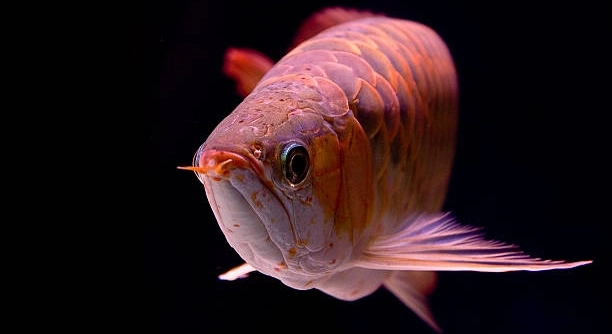
Is your arowana looking dull in the morning, lacking its usual vibrant colors and shimmer? Many aquarists notice this subtle change, especially after the fish wakes. Morning appearances can differ from midday brilliance, causing mild concern.
The primary reason arowanas appear dull in the morning is due to reduced light and resting metabolism. During nighttime and early hours, pigmentation is less pronounced, and fish may remain still, conserving energy until daylight stimulates activity and coloration.
Understanding this natural color fluctuation will help you monitor your arowana more confidently and maintain its health and environment for consistent vibrancy.
Morning Light and Color Changes
Arowanas often appear dull in the early hours because of the natural lighting and their resting state. Overnight, they conserve energy, and pigmentation may not be as vivid. The tank’s lighting in the morning is usually softer, which can make colors appear muted. As the day progresses and the lights reach full intensity, their scales reflect more light, giving them the familiar shine and brilliance. Feeding schedules and activity levels also play a role; fish that have not eaten yet may move less, further reducing visible color. Observing your arowana at different times of day helps to understand this natural variation. Tank placement near windows or under artificial light can change perception but does not harm the fish. Maintaining consistent lighting cycles encourages healthier coloration and normal behavior patterns, allowing your arowana to display its full vibrancy when awake and active.
Morning lighting impacts the perceived brightness of your arowana, making it naturally appear less vibrant.
Regular monitoring of tank lighting, water conditions, and feeding routines ensures your arowana remains colorful and healthy throughout the day. Consistency is key to maintaining its natural rhythms.
Water Quality and Environment
Poor water quality can make arowanas look dull even during the day.
Maintaining stable parameters like pH, ammonia, nitrites, and nitrates directly affects their appearance and energy levels.
Clean, well-oxygenated water supports both physical health and vivid coloration. Arowanas are sensitive to changes, and even slight fluctuations can stress them, leading to dullness in scales and sluggish movement. Filtration, regular water changes, and monitoring temperature keep the tank environment stable. Decor and hiding spots also influence comfort and stress levels. Observing behavior alongside appearance can reveal if water conditions need adjustment. Overfeeding or leftover food can deteriorate water quality quickly, so careful portioning and prompt cleaning help prevent issues. A healthy environment ensures your arowana displays natural activity patterns and maintains bright, reflective scales. Proper lighting, water quality, and diet work together to support overall vibrancy, allowing you to enjoy its striking presence without worrying about morning dullness or long-term stress effects.
Diet and Nutrition
Arowanas need a balanced diet to maintain their color and energy. Inadequate nutrients or irregular feeding can cause dullness, especially noticeable in the morning before their first meal.
High-quality pellets, live or frozen foods like shrimp or small fish, and occasional supplements are essential. Proper nutrition supports scale brightness, immune health, and overall vitality. Feeding at consistent times helps regulate metabolism, so your arowana displays its full color throughout the day. Skipping meals or providing low-quality food may lead to slow growth and muted coloration. Variety in diet ensures the fish receives all necessary vitamins and minerals, which enhances natural pigment expression.
Observation of feeding behavior is key. Arowanas that are active and interested in food generally maintain vibrant colors. Monitoring their appetite and adjusting diet as needed keeps them healthy, energetic, and visually striking. Avoid overfeeding, which can lead to water quality issues and stress, both affecting coloration. Proper nutrition and attention create a consistent environment for optimal vibrancy and overall well-being.
Sleep and Rest Patterns
Arowanas are less active during rest periods, which can make them appear dull. This is a normal part of their daily cycle.
They reduce movement, conserve energy, and lower metabolism during sleep. Reduced activity and minimal light reflection cause scales to look less bright. Ensuring quiet, stable conditions supports healthy rest. Avoid tapping the tank or changing lighting abruptly, as disturbances may stress the fish. Healthy sleep patterns are essential for color recovery and activity levels during daylight hours. Consistent day-night cycles with sufficient rest periods allow your arowana to wake fully energized and regain its natural brilliance.
Temperature Fluctuations
Sudden changes in water temperature can make an arowana appear dull. Cold mornings or inconsistent heating affect metabolism and reduce activity, causing scales to lose brightness temporarily.
Maintaining a stable temperature within the recommended range for your arowana helps preserve natural coloration. Fluctuations can stress the fish, impacting both health and vibrancy.
Stress Factors
Stress from overcrowding, aggressive tank mates, or frequent disturbances can cause arowanas to look dull. Stress suppresses color expression and may lead to other health issues if persistent. Maintaining a calm, stable environment and limiting sudden changes ensures your arowana retains its natural color and activity levels.
Tank Lighting
Proper lighting enhances an arowana’s colors and overall appearance. Insufficient or overly harsh lighting can make scales appear muted or washed out, especially in the morning. Consistent, high-quality lighting mimics natural conditions, promoting healthier, more vibrant coloration throughout the day.
FAQ
Why does my arowana look dull only in the morning?
Morning dullness is normal and usually caused by reduced light and lower metabolism. Overnight rest leads to minimal movement, and scales reflect less light. As the day progresses and lighting increases, your arowana will regain its natural brightness.
Can poor water quality affect morning color?
Yes. Even slight imbalances in pH, ammonia, nitrites, or nitrates can stress your fish and make it appear dull. Regular water testing, proper filtration, and consistent water changes prevent this issue and support vibrant scales and healthy behavior.
Does diet influence color changes in arowanas?
Absolutely. A balanced diet with high-quality pellets, live or frozen foods, and occasional supplements ensures proper pigmentation and energy levels. Irregular feeding or low-quality food may dull scales temporarily, especially in the morning before feeding.
Is temperature a factor in morning dullness?
Yes, arowanas are sensitive to temperature fluctuations. Cooler morning water or inconsistent heating slows metabolism, reducing movement and color brightness. Maintaining a stable temperature within the recommended range supports consistent activity and vibrant scales.
Can stress make my arowana appear dull?
Stress from overcrowding, aggressive tank mates, loud noises, or frequent disturbances can suppress color. Providing a calm, stable environment with hiding spaces allows your arowana to display natural coloration and behavior throughout the day.
Does lighting affect morning appearance?
Lighting plays a major role. Soft morning light or insufficient tank illumination can make your arowana’s scales look muted. Proper, consistent lighting enhances natural colors and encourages healthy behavior, especially as daylight hours progress.
How long does it take for an arowana to regain full color?
Once the tank environment is stable and the fish is active, color usually returns within a few hours after morning rest. Regular feeding, water maintenance, and proper lighting help maintain full vibrancy throughout the day.
Can illness cause persistent dullness?
Yes. While morning dullness is usually normal, prolonged or severe color loss, lethargy, or unusual behavior may indicate illness. Monitor for other symptoms and consult a veterinarian or experienced aquarist if problems persist.
Do all arowanas experience morning dullness?
Most do, as it is part of their natural resting cycle. Individual variations exist, but temporary morning dullness is typical and not a sign of a serious problem when other conditions are normal.
What are the best practices to keep my arowana colorful?
Maintain stable water quality, consistent temperature, a balanced diet, and proper lighting. Reduce stress by limiting disturbances and providing a spacious, well-decorated tank. Monitoring daily behavior and morning appearances helps you identify potential issues early.
Can supplements improve coloration?
Certain supplements, like those containing carotenoids or vitamins, can enhance natural pigmentation. They should be used in moderation alongside a varied diet to support both health and vibrant scales.
Is it safe to adjust lighting to improve morning color?
Yes, gradual adjustments in lighting can help your arowana display better colors in the morning. Avoid sudden changes, which may stress the fish and temporarily reduce vibrancy.
How often should I feed my arowana for optimal color?
Feeding once or twice daily at consistent times supports metabolism and color expression. Overfeeding can lead to poor water quality, which negatively affects brightness, so careful portion control is essential.
What signs indicate morning dullness is not normal?
Persistent dullness beyond early hours, paired with sluggish movement, clamped fins, loss of appetite, or unusual swimming patterns, suggests stress or illness. Immediate attention to water quality and health checks is recommended.
Can tank decor influence morning color perception?
Yes. Dark backgrounds or minimal lighting can make scales look less vivid, while reflective surfaces and balanced décor enhance the perceived brightness of your arowana’s natural colors.
Final Thoughts
Arowanas are naturally vibrant fish, but their colors can appear dull at certain times, especially in the morning. This is usually a normal part of their daily cycle. During early hours, they are less active and their metabolism is slower, which can make scales reflect less light. The lighting in the tank at that time is often softer or less intense, adding to the appearance of muted colors. Understanding this natural variation helps you avoid unnecessary worry about your fish’s health. Observing your arowana throughout the day shows that its vibrancy returns as it becomes more active and the lighting reaches full intensity. Morning dullness should not be seen as a problem when all other conditions, like behavior and appetite, are normal.
Maintaining proper care ensures that your arowana remains healthy and colorful. Stable water parameters, including temperature, pH, and cleanliness, are essential for overall well-being. Poor water quality can stress the fish, causing dullness beyond the morning hours. Consistent feeding with a balanced diet that includes high-quality pellets, live or frozen foods, and occasional supplements supports pigmentation and energy. Stress is another factor that affects appearance. Overcrowding, aggressive tank mates, loud noises, or frequent disturbances can suppress color expression. Providing a calm and stable environment, with proper lighting and places to rest, allows your arowana to display its natural beauty throughout the day.
Daily observation is key to maintaining your fish’s health and color. By monitoring behavior, feeding patterns, and scale brightness, you can identify changes early and make adjustments if needed. While morning dullness is normal, prolonged or unusual color loss may indicate stress or illness. In such cases, checking water quality, temperature, diet, and the overall tank environment is important. Taking these steps ensures your arowana remains energetic, healthy, and visually striking. Caring for your fish with attention to these factors supports a long, vibrant life, allowing you to enjoy its full brilliance without worry.

Hello,
If you enjoy the content that we create, please consider saying a "Thank You!" by leaving a tip.
Every little bit helps us continue crafting quality advice that supports the health, happiness, and well-being of pets around the world, for pets of all shapes, sizes, and species.
We really appreciate the kindness and support that you show us!