
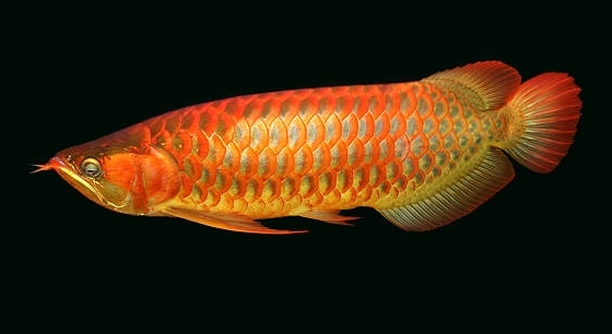
Arowanas are admired for their striking scales and graceful swimming patterns. Many fishkeepers enjoy watching them grow and thrive in their aquariums. Understanding their development helps ensure proper care and a healthy environment for these majestic creatures.
Arowanas typically reach full growth between three to five years, depending on species, diet, and tank conditions. Proper nutrition, water quality, and sufficient swimming space are critical factors influencing their growth rate and overall size.
Learning about their growth stages allows owners to plan care effectively. This guide will provide insights into ensuring your arowana develops fully and remains healthy.
Factors Affecting Arowana Growth
Arowanas grow at different rates depending on a combination of factors. Tank size plays a major role; smaller tanks restrict movement and can slow growth. Water quality is equally important—ammonia or nitrite levels that are too high can stunt development and cause stress. Temperature also matters, as these fish thrive in warm, stable conditions. Diet is another key factor. A balanced mix of protein-rich foods, including live or frozen fish, insects, and occasional supplements, ensures proper growth. Overfeeding can be harmful, leading to obesity and water quality issues, while underfeeding results in slow growth and weak immunity. The species of arowana also determines growth rate and final size. Some, like the Silver Arowana, grow faster, while others, such as the Asian Arowana, may take longer to reach full maturity. Monitoring all these factors together creates the best environment for healthy growth.
Proper monitoring of water, food, and space ensures arowanas grow to their potential without complications.
Adjusting feeding schedules and tank maintenance based on growth stage is crucial. Younger arowanas require frequent small meals, while adults do better with less frequent feeding. Keeping the tank clean reduces stress and disease. Observing behavior helps identify growth issues early. With consistent care, arowanas grow steadily and healthily, reaching their full potential without setbacks. Maintaining this routine creates a stable, thriving environment for your fish.
Signs Your Arowana Is Fully Grown
A fully grown arowana shows several physical and behavioral signs. Its body becomes long and muscular, with fully developed fins and scales. The fish swims confidently and maintains a steady posture, often patrolling the tank with purpose. Coloration intensifies, and patterns appear more distinct.
Growth slows significantly once maturity is reached, and appetite becomes more consistent and less aggressive.
Understanding these signs helps owners recognize when their arowana has matured. Regularly measuring length and observing body condition provide clear indicators of growth. A mature arowana adapts well to its environment, displays balanced energy levels, and interacts predictably with other tank inhabitants. Nutritional needs adjust as growth plateaus, making diet management essential. Maintaining proper water parameters and adequate space prevents stress or health issues in adulthood. Observing these indicators ensures owners provide the best ongoing care, supporting longevity and vibrant health for fully grown arowanas. Tracking growth and behavior over time helps maintain a stable, suitable habitat for these majestic fish.
How to Promote Healthy Growth
Providing adequate space is essential for arowanas to grow properly. A tank that allows free swimming and exploration supports muscle development and reduces stress. Feeding a balanced diet ensures proper nutrition, while clean water and stable temperatures keep them healthy.
Consistency in tank maintenance is critical. Regular water changes prevent toxin buildup that can stunt growth. Observing behavior helps identify issues early, such as lethargy or irregular eating patterns. Varying the diet with live, frozen, and prepared foods ensures protein and vitamin intake. Avoid overfeeding, as excess waste affects water quality. Tank decorations should allow swimming space while offering hiding spots to reduce stress and encourage natural activity. Together, these practices create an environment that maximizes growth potential while keeping your arowana healthy and active.
Monitoring growth involves tracking length, weight, and body condition over time. Recording measurements monthly provides insights into development, ensuring adjustments can be made to diet, water conditions, or tank size. Recognizing changes in fin length or scale quality also indicates health and maturity. Proper lighting, water filtration, and gentle handling further support stable growth. By observing both physical traits and behavior, owners can promote steady development while preventing stress-related setbacks. A consistent routine ensures the arowana reaches full size efficiently and safely, maintaining vitality and vibrant appearance.
Common Growth Problems
Arowanas can experience growth issues if conditions are not ideal. Stress, poor water quality, inadequate diet, or restricted space can slow growth or cause deformities.
Nutritional deficiencies are a common problem. Lack of protein, vitamins, or minerals leads to stunted growth, weak immunity, and dull coloration. Overfeeding, conversely, can result in obesity, fatty liver, and water pollution, which further hinders development. Tank size also matters; small tanks restrict movement and cause stress, reducing appetite and overall growth rate. Disease can interfere with growth, so maintaining clean water, monitoring for parasites, and addressing infections promptly is essential. A balanced routine that considers tank size, water quality, and diet prevents most growth-related problems, ensuring your arowana thrives.
Behavioral signs of growth problems are important to note. Lethargy, irregular swimming, or sudden changes in appetite may indicate stress or disease. Fin damage or scale abnormalities can also suggest underlying issues. Monitoring these signs and responding quickly helps maintain healthy development. Regular water testing, appropriate feeding schedules, and adequate space are essential to prevent setbacks. When arowanas have a stable environment and proper care, they recover faster and continue growing efficiently. Tracking these factors consistently reduces the likelihood of growth problems and supports long-term health and appearance.
Ideal Tank Size for Arowanas
Arowanas require spacious tanks to reach full growth. A minimum of 250 gallons is recommended for adult fish. Smaller tanks limit movement, which can stunt growth and increase stress. Proper tank length allows natural swimming patterns and supports healthy muscle development.
Providing adequate vertical space is equally important. Taller tanks prevent injury from jumping and allow the fish to display natural behaviors. Wide tanks ensure sufficient swimming distance and reduce aggression if housing multiple arowanas. Regular monitoring of water parameters keeps the environment safe and stable, allowing your arowana to grow efficiently while maintaining health and vitality.
Feeding Schedule
Younger arowanas need frequent, small meals to support rapid growth. Feeding three to four times daily ensures they receive enough protein without overloading their system. Gradually reduce meal frequency as they mature to maintain health.
Selecting the Right Arowana Species
Different arowana species have varying growth rates and final sizes. Silver arowanas grow quickly and adapt well to tank conditions, while Asian arowanas take longer to reach maturity and require more precise care. Choosing a species that fits your tank setup and maintenance ability ensures proper growth and longevity.
Monitoring Water Quality
Consistently testing and maintaining water parameters prevents growth setbacks. Ammonia, nitrite, and nitrate levels must remain within safe ranges to ensure your arowana thrives and grows healthily.
FAQ
How long does it take for an arowana to reach full size?
Arowanas generally take three to five years to reach full maturity, though this varies by species and care. Silver arowanas grow faster, sometimes reaching adult size in three years, while Asian arowanas may take up to five years or more. Factors like tank size, water quality, diet, and temperature influence the rate of growth. Maintaining a clean tank and providing a balanced diet ensures steady growth. Overfeeding or poor water conditions can slow development, so regular monitoring is essential. Proper care allows the fish to reach its full potential safely and healthily.
What is the average size of a fully grown arowana?
A fully grown arowana can range from 24 inches to over 36 inches, depending on species. Silver arowanas often reach around 36 inches in optimal conditions, while smaller species, like the dwarf Asian arowana, remain closer to 24 inches. Tank size affects growth, as cramped environments restrict movement and stunt muscle development. Diet also plays a role; high-protein foods contribute to optimal growth. Observing the fish’s body condition, fin development, and scale patterns helps determine if it has reached maturity. Providing the right environment ensures your arowana achieves its proper size and remains healthy.
What diet promotes the best growth for arowanas?
A balanced diet rich in protein supports healthy growth. Young arowanas benefit from frequent feedings of live or frozen fish, insects, and shrimp. As they mature, feedings can shift to larger portions with a mix of high-quality pellets and occasional live treats. Vitamin and mineral supplements help maintain vibrant coloration and strong bones. Avoid overfeeding to prevent obesity and water pollution. Observing appetite and body condition guides adjustments to feeding amounts. Rotating food types ensures nutritional balance, promoting steady growth while preventing deficiencies. Proper diet combined with clean water and ample tank space maximizes the fish’s size potential.
Can arowanas grow in small tanks?
Arowanas can survive in smaller tanks temporarily, but growth and health suffer. Limited swimming space restricts muscle development and increases stress, which slows growth. Small tanks also make it harder to maintain stable water quality, creating risk for disease or stunted development. Adult arowanas need large tanks, ideally 250 gallons or more, with sufficient length and width to allow natural movement. Consistently monitoring water parameters and providing enough space ensures growth progresses normally. Long-term success requires prioritizing tank size to support physical development and prevent health complications.
How do I know my arowana is fully grown?
Signs of maturity include a long, muscular body, fully developed fins, and vibrant, distinct scales. Behavior stabilizes, with the fish swimming confidently and patrolling the tank steadily. Appetite becomes consistent, and growth rate slows. Regularly measuring length and observing body condition can confirm maturity. Once fully grown, the arowana adapts well to its environment and maintains balanced energy. Providing adequate space, proper nutrition, and stable water conditions ensures continued health even after growth plateaus. Recognizing these indicators helps owners manage care and prevent stress or health issues in adulthood.
Do different species of arowanas have different growth rates?
Yes, species influence growth speed and final size. Silver arowanas are fast growers, often reaching full size within three years, while Asian arowanas grow more slowly, requiring up to five years. Diet, tank conditions, and water quality further affect growth rates. Understanding your species’ characteristics ensures proper care. Choosing a species compatible with your tank setup allows optimal development. Adjusting feeding schedules and environmental conditions based on species helps maintain steady growth and prevents stress-related setbacks. Observing growth patterns and adapting care strategies ensures each arowana reaches its full size safely.
What are the most common growth problems in arowanas?
Poor water quality, insufficient tank space, and nutritional deficiencies are the main causes of stunted growth. Stress, disease, and inconsistent feeding also contribute. Monitoring behavior, body condition, and water parameters helps detect issues early. Adjusting diet, improving tank conditions, and providing sufficient space prevent setbacks. A consistent care routine ensures steady growth and reduces the risk of deformities or illness. Proper attention to environment, nutrition, and health checks allows arowanas to develop fully while maintaining vibrant coloration and strong overall condition.
How often should I measure my arowana’s growth?
Measuring monthly is ideal, tracking length, weight, and body condition. Frequent observation helps detect growth issues or changes in health. Comparing measurements over time allows adjustments in diet, tank conditions, or care routines to support continued growth. Recording growth patterns also provides insight into species-specific development and helps ensure the fish reaches full size efficiently.
Can arowanas continue growing after five years?
Growth slows significantly after five years for most species, but minor increases may still occur, especially in large tanks with optimal conditions. Adult growth is more about maintaining health and body condition than length. Providing proper diet, space, and clean water ensures continued well-being and prevents shrinkage or muscle loss in older fish.
How does water temperature affect arowana growth?
Stable, warm water supports metabolism and digestion, encouraging steady growth. Temperatures that are too low slow activity and appetite, while fluctuations create stress that can stunt growth. Maintaining consistent warmth suitable for the species ensures efficient nutrient absorption and healthy development.
Are supplements necessary for growth?
Supplements help prevent vitamin and mineral deficiencies, supporting strong bones and vibrant coloration. While not always mandatory with a balanced diet, occasional use ensures optimal growth and reduces the risk of deficiencies that can affect development. Proper supplementation complements a high-protein diet for best results.
Can arowanas grow faster with more food?
Overfeeding does not necessarily accelerate growth and can harm health. Excess food leads to obesity, water pollution, and stress. Growth is best supported by a balanced, consistent feeding schedule tailored to age and size. Nutritional quality matters more than quantity for healthy development.
What role does tank decoration play in growth?
Decorations should provide hiding spots but not restrict swimming space. Obstructions can limit movement, affecting muscle development and overall growth. Properly arranged décor allows natural behavior while maintaining enough free space for exercise, which supports physical development.
How can I encourage natural growth behavior?
Providing adequate space, clean water, and a varied diet encourages activity, natural hunting instincts, and steady growth. Minimizing stress and avoiding overcrowding ensures the arowana develops naturally while remaining healthy and vibrant.
Final Thoughts
Arowanas are remarkable fish that require attention, care, and patience to reach their full growth potential. Understanding the factors that influence their development is key to providing a healthy environment. Tank size, water quality, diet, and temperature all play a critical role in how well these fish grow. Smaller tanks or poor water conditions can limit movement, stunt growth, and create stress, while a balanced diet with sufficient protein supports muscle development, immune health, and vibrant coloration. By focusing on these fundamental aspects, owners can ensure their arowanas grow steadily and remain healthy throughout their lifespan.
Observing an arowana’s growth and behavior is just as important as providing proper care. Signs such as consistent appetite, confident swimming patterns, and fully developed fins and scales indicate maturity and good health. Growth tends to slow once maturity is reached, but maintaining proper nutrition and tank conditions continues to support overall well-being. Monitoring water parameters, feeding routines, and tank environment regularly helps prevent growth problems, disease, or stress-related issues. Being attentive to these details ensures your arowana not only reaches its full size but also enjoys a longer, healthier life.
Long-term care of an arowana requires planning and consistency. Choosing the right species for your tank setup, maintaining appropriate space, and adjusting feeding schedules according to growth stages all contribute to successful development. While growth rates vary among species, providing a stable, clean environment combined with a balanced diet helps all arowanas thrive. Recognizing signs of health, maturity, or potential issues allows owners to respond promptly and maintain optimal conditions. Focusing on steady growth rather than rapid results ensures arowanas reach their full size safely, remain strong, and display their natural beauty for years to come.

Hello,
If you enjoy the content that we create, please consider saying a "Thank You!" by leaving a tip.
Every little bit helps us continue crafting quality advice that supports the health, happiness, and well-being of pets around the world, for pets of all shapes, sizes, and species.
We really appreciate the kindness and support that you show us!