
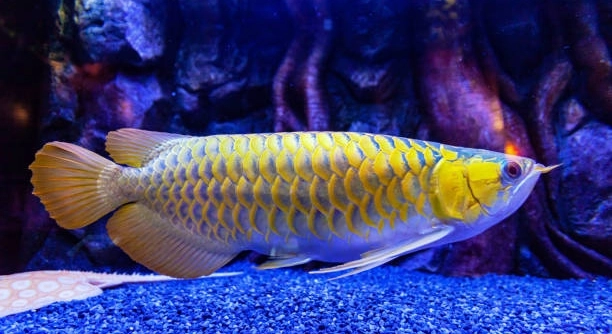
Have you ever noticed your arowana suddenly stopping mid-swim and staying completely still in the water, leaving you unsure about what caused such an unexpected moment in your usually active fish’s behavior during the day.
Arowanas may freeze due to stress from sudden environmental changes, water quality fluctuations, temperature shifts, or underlying health issues that disrupt normal behavior patterns and trigger momentary immobility as a protective response within their controlled aquatic environment at various times.
Understanding these possible triggers helps you support your arowana’s well-being and create a calmer space for steady, comfortable swimming behavior.
Environmental Stress Factors
Environmental stress can make an arowana freeze without warning, and understanding these changes helps you respond more confidently. Sudden shifts in temperature, lighting, or general tank conditions place pressure on the fish, interrupting normal swimming patterns. When the water becomes unstable, the arowana reacts by pausing, trying to adjust to its surroundings. This pause is a sign that something in the environment feels different or uncomfortable. Even small disruptions, such as rapid surface movement or noise near the tank, can affect how safe the fish feels during the day. Creating a stable setup reduces these reactions and keeps behavior consistent. Regular maintenance supports a peaceful atmosphere and encourages steady activity. Clean water, balanced temperatures, and predictable routines lead to fewer moments of freezing. When the environment feels calm and steady, the arowana gains confidence and moves more naturally, allowing its usual grace to return without hesitation in its daily routine.
Keeping environmental conditions stable limits sudden reactions and supports healthier behavior. A consistent temperature, soft lighting changes, and quiet surroundings help the arowana feel secure. When these factors stay balanced, the fish maintains natural movement and avoids unnecessary pauses that disrupt its comfort within the tank during its normal routine.
Monitoring tank conditions regularly helps prevent stress responses that lead to freezing. Arowanas respond strongly to change, so stability becomes a key part of their care. Checking filtration, temperature, surface movement, and lighting patterns keeps the environment predictable. When you pay close attention to these elements, the fish experiences fewer disruptions and behaves more calmly. Maintaining clean water and steady warmth guides the arowana toward smoother activity. Small adjustments made early reduce larger problems later, giving the fish a better sense of safety. Over time, this consistent care supports confident movement and decreases episodes of sudden, motionless behavior over time.
Health Related Factors
Health issues can also cause an arowana to freeze unexpectedly, especially when discomfort grows quietly. Internal parasites, infections, and injuries affect movement and energy levels. When the fish feels unwell, it pauses more often, trying to maintain stability while dealing with physical stress inside its body during its daily routine.
Health concerns require careful attention because physical discomfort often shows through subtle behavior changes. Arowanas may freeze when pain or illness interferes with movement, creating moments of stillness that appear sudden but reflect ongoing internal strain. Infections, parasites, and nutritional deficiencies interfere with balance, appetite, and energy, making the fish hesitate before swimming again. When these conditions begin to develop, the arowana reacts instinctively by limiting motion to conserve strength. Observing appetite changes, irregular breathing, or dull coloration provides helpful clues that something deeper is happening inside the body. Early detection supports a smoother recovery, giving the fish more stability as treatment progresses. Clean water, proper diet, and attentive monitoring reduce health risks and help maintain normal behavior. If symptoms persist, seeking professional guidance prevents complications and protects long-term well-being. Treatment plans tailored to specific issues bring relief and restore comfortable activity. Consistent care strengthens the arowana’s resilience, lowering the chances of sudden freezing episodes linked to illness. Over time, healthy routines and steady support encourage natural swimming patterns and greater confidence within the tank, allowing the fish to return to its usual rhythm without the disruptions caused by untreated physical problems that may quietly build over time for it.
Behavioral Factors
Some arowanas freeze because of natural instincts linked to alert behavior. Sudden movements near the tank, unfamiliar shadows, or new decorations can cause cautious pauses. These pauses appear random, but they reflect the fish’s need to assess its surroundings before continuing normal swimming in its daily routine.
Arowanas often pause when they sense something unfamiliar in their environment. This behavior comes from their instinct to evaluate potential changes before responding. Even subtle disturbances like shifting reflections, surface ripples, or new tank mates influence how long they stay still. When these moments happen, the fish is simply being careful rather than experiencing distress. Over time, familiarity with the environment reduces these pauses. Keeping the tank layout consistent and limiting unexpected interactions helps the fish behave more confidently. When the surroundings feel predictable, the arowana resumes swimming with smoother, uninterrupted movement throughout the day.
Freezing can also occur during hunting or feeding anticipation. Arowanas sometimes stop moving as they focus intensely on potential food or movement in the water. This behavior is part of their instinctive response to stimuli linked to feeding. When the fish prepares to strike or observe, it may remain motionless until the moment feels right. While this can look concerning, it is often normal. Ensuring regular feeding times helps regulate these pauses, giving the fish structure and reducing unnecessary stress. Understanding these patterns helps you identify when the behavior is instinctive rather than problematic.
Tank Maintenance Issues
Poor maintenance can lead to sudden freezing, especially when waste levels rise or filtration weakens. Ammonia and nitrite spikes place pressure on the arowana’s body and affect how it moves. Frequent water checks prevent these problems and keep behavior stable every day.
Arowanas rely on clean, balanced water to stay active, and inconsistent maintenance can disrupt this balance quickly. Waste buildup, clogged filters, or infrequent water changes lead to unstable conditions that encourage freezing behavior. When the water becomes harsh or unclean, the fish reacts by pausing to cope with the discomfort. Regular testing helps you identify issues early, allowing timely corrections before stress increases. A strong filtration system, steady water changes, and proper aeration support a stable environment. When the tank remains clean and predictable, the arowana’s movement becomes more consistent. Making maintenance a routine part of care strengthens the fish’s comfort, reduces stressful pauses, and promotes smooth, confident swimming throughout the tank.
xxxxxxxxxxxxxxxxxxx
Lighting changes can influence freezing episodes in arowanas, especially when brightness shifts suddenly and disrupts their comfort. Gradual adjustments keep the fish calmer and prevent abrupt pauses. Stable lighting routines reduce startle responses and support smoother movement throughout the tank, helping the arowana feel more at ease each day daily.
Strong lights or inconsistent schedules may cause the fish to pause as it tries to adjust to sudden brightness. Keeping the tank away from harsh room lighting also helps. When illumination stays gentle and predictable, the arowana maintains steadier movement and responds with fewer startled pauses across its environment daily.
xxxxxxxxxxxxxxxxxxx
Feeding routines can influence freezing behavior when timing becomes inconsistent or portions shift unexpectedly. Arowanas rely on steady patterns to feel secure, and irregular feeding creates brief pauses as the fish anticipates or reacts to changes. Offering food at predictable times supports calmer behavior and reduces stress. Balanced nutrition keeps energy stable and prevents hesitation caused by hunger or overfeeding. When feeding becomes a consistent part of care, the fish settles into smoother activity without sudden stops. Monitoring appetite, food quality, and feeding rhythm strengthens overall well-being and encourages confident movement throughout the tank during daily activity for the fish.
xxxxxxxxxxxxxxxxxxx
Tank placement affects freezing behavior when external noise or movement reaches the fish unexpectedly. High traffic areas create repeated disturbances that make the arowana pause. Keeping the tank in a quiet location supports steadier behavior and helps the fish remain comfortable without sudden reactions throughout its daily routine each day.
FAQ
Why does my arowana freeze even when water conditions seem fine?
An arowana may freeze even with stable water because behavior is influenced by more than chemistry alone. Environmental changes, room activity, lighting shifts, and unexpected noise can trigger momentary stillness. Even when the water appears perfect, external factors shape how safe the fish feels. Arowanas rely on consistency in and around the tank, so anything unfamiliar can lead to a pause. These pauses are often short and not harmful, but paying attention to patterns helps you identify what may be influencing the behavior. Stable surroundings, soft lighting transitions, and reduced disruption encourage smoother movement.
Is freezing a normal behavior in young arowanas?
Young arowanas tend to pause more often because they are still adapting to their environment. Their instincts are strong, and they react more quickly to movement, lighting changes, or new objects near the tank. Freezing helps them assess what is happening around them before responding. As they mature, these pauses usually become less frequent. A calm environment supports their development and builds confidence. Keeping routines steady helps the young fish learn that the surroundings are safe. Over time, the behavior becomes more predictable and settles into a natural rhythm.
Can feeding habits cause sudden freezing?
Feeding habits play a large role in how an arowana behaves. When feeding times shift or portions become irregular, the fish may freeze because it anticipates food or senses a change in routine. Hunger, excitement, or uncertainty can cause momentary pauses. Overfeeding may also create brief discomfort, leading the fish to remain still while adjusting. A consistent feeding schedule, balanced portions, and reliable food quality help prevent this. When the fish knows what to expect, it reacts calmly and swims with steadier confidence. Predictable routines reduce unnecessary pauses linked to eating.
Does tank placement affect freezing episodes?
Tank placement affects freezing more than many people realize. Arowanas respond quickly to movement and sound in the room, so a tank placed near doors, hallways, or noisy areas exposes the fish to frequent disturbances. Each disturbance may lead to a sudden pause as the fish evaluates its surroundings. Placing the tank in a quieter and more stable space supports relaxed behavior. When the environment stays calm, the fish experiences fewer interruptions and maintains smooth movement. Careful placement strengthens the sense of safety and lowers the frequency of freezing moments.
Can lighting changes cause freezing behavior?
Lighting has a powerful impact on an arowana’s comfort. Sudden shifts in brightness can startle the fish and cause it to freeze while adjusting. Bright overhead lights, direct sunlight, or rapid changes between light and dark often affect sensitive fish. Gradual lighting transitions help prevent sudden reactions. Soft, steady illumination allows the fish to adapt without stress. When lighting becomes predictable, the arowana moves with more certainty. Keeping the tank away from strong room lights also helps limit sudden disturbances that may trigger freezing episodes.
How do stress and health issues differ when causing freezing?
Stress usually causes short pauses linked to environmental factors, while health issues lead to repeated or longer episodes. Stress-based freezing is typically triggered by noise, movement, lighting changes, or water instability. These moments are brief and connected to something happening in or around the tank. Health-related freezing comes from internal discomfort. Parasites, infections, swelling, injury, or nutritional deficiencies create deeper physical strain. When the fish is unwell, it pauses more frequently and may show signs like reduced appetite, uneven swimming, or dull coloration. Understanding the difference helps you decide whether the fish needs a calmer environment or a health evaluation.
Should I be worried if my arowana freezes only once in a while?
Occasional freezing is usually normal and part of the fish’s natural behavior. Arowanas are sensitive and respond to small changes in their surroundings. A single pause or an occasional still moment often reflects awareness rather than distress. If the fish resumes normal swimming, continues eating, and maintains clear coloration, the behavior is likely harmless. Patterns matter most. When freezing becomes frequent, lasts longer, or appears with other unusual signs, it may point to stress or health concerns. Observing the fish over time helps you understand what is normal for its personality and routine.
Can enriching the tank reduce freezing episodes?
Enrichment helps by giving the fish a more stable and engaging environment. Adding gentle movement, safe decorations, or calm visual barriers helps the arowana feel secure. Avoid sudden changes and introduce new elements slowly. A comfortable and predictable space reduces the need for frequent pauses.
Final Thoughts
Caring for an arowana becomes much easier when you understand how different elements shape its behavior and comfort. Freezing may look alarming at first, but it often reflects small changes that the fish is trying to process. When the environment stays calm, clean, and predictable, the arowana develops a sense of security that supports smoother swimming and more natural patterns throughout the day. Paying attention to lighting stability, tank placement, and routine maintenance creates a space where the fish can relax without reacting to sudden disturbances. With steady care, you begin to notice how much confidence the arowana gains once it feels supported by consistent conditions inside and outside the tank. These quiet adjustments make a meaningful difference, giving the fish both comfort and clarity as it moves within its space.
Building reliable routines also strengthens the fish’s well-being by reducing the stress that can lead to freezing episodes. Arowanas thrive when feeding schedules remain consistent and portions stay balanced. Sudden changes in timing, movement near the tank, or unexpected shifts in the room can interrupt this sense of security and cause brief pauses. When you focus on gentle transitions, predictable lighting, and quiet surroundings, the fish responds with calmer behavior. This stability softens its reactions to minor shifts in the environment. Over time, the arowana becomes more settled and shows fewer signs of hesitation. Each small improvement supports its confidence and helps you understand how deeply these factors influence daily movement. Steady rhythms and thoughtful attention provide the foundation for long term behavioral comfort.
Observing your arowana closely allows you to react early when something seems different. Freezing can offer useful insight into environmental changes or developing health concerns. When you watch for patterns and notice how the fish moves, eats, and responds to its surroundings, it becomes easier to spot when additional care or adjustments are needed. This awareness strengthens the relationship you build with the fish, giving you a clearer sense of what keeps it comfortable. Consistent monitoring also helps prevent issues from growing into bigger problems. When you combine stable routines with careful observation, the arowana benefits from a balanced environment that supports strong health, steady behavior, and a sense of ease. This thoughtful approach helps the fish maintain its natural beauty and grace, allowing it to move through the tank with steady confidence and comfort each day.

Hello,
If you enjoy the content that we create, please consider saying a "Thank You!" by leaving a tip.
Every little bit helps us continue crafting quality advice that supports the health, happiness, and well-being of pets around the world, for pets of all shapes, sizes, and species.
We really appreciate the kindness and support that you show us!