
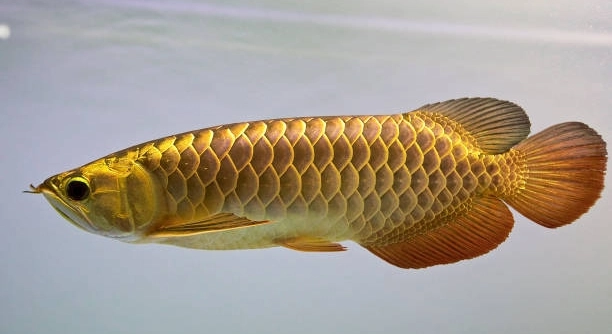
Do you ever notice your Arowana swimming alone in a bustling tank and wonder about its emotional world? Even in a busy environment, these fish can show signs of stress or subtle behavioral changes that suggest complex social needs.
Arowanas can experience loneliness or stress even in crowded tanks. Despite the presence of other fish, their natural territorial instincts and social behaviors can make isolation from familiar companions impactful on their well-being.
Understanding how tank dynamics affect your Arowana’s behavior can help you create a more comfortable environment for long-term health and contentment.
Signs Your Arowana May Be Lonely
Arowanas are naturally solitary but highly aware of their surroundings. Even in a crowded tank, they may exhibit signs of stress that indicate discomfort or emotional strain. Repeated pacing along tank edges, frequent hiding, or loss of appetite can point to underlying stress. Changes in coloration, such as duller scales, are often subtle but important indicators of well-being. Some Arowanas may become unusually aggressive toward other fish or, conversely, withdraw entirely from interaction. Monitoring their swimming patterns and feeding behavior can help identify these changes early. Tank size plays a major role; cramped conditions increase tension, while sufficient space allows each fish to establish its own territory. Providing environmental enrichment, such as floating plants, hiding spots, and varied decor, can reduce stress. Even minor adjustments in lighting and water flow may positively impact your Arowana’s comfort. Observing them over time is essential, as stress signs may develop gradually rather than suddenly.
Loneliness in Arowanas can be subtle and easy to miss, but careful observation allows early intervention to improve their well-being.
Ensuring your Arowana has space to explore, comfortable hiding spots, and consistent feeding routines helps reduce stress. Even if the tank is busy, creating small areas of solitude within the environment encourages natural behaviors. A balanced diet, stable water conditions, and regular interaction during feeding can keep your fish engaged and active. Over time, these measures prevent chronic stress and support a healthier, more vibrant Arowana. Behavioral monitoring is the key, and small daily adjustments often have a significant impact on their comfort and happiness.
How to Adjust Tank Dynamics
Tank layout affects fish behavior, particularly for species like Arowanas that require defined territory.
Creating zones within the tank helps reduce tension. Using decorations, plants, or partitions allows Arowanas to retreat when overwhelmed, even in a crowded environment. Proper filtration and water circulation also minimize stress by keeping conditions consistent. Temperature and pH levels should be regularly checked, as sudden changes can increase anxiety. Observing interactions with other fish is crucial; if aggressive behavior persists, consider rearranging tank mates or increasing space. Feeding strategies, such as providing multiple feeding points, prevent competition and promote calmer interactions. Rotating decorations occasionally can offer mental stimulation and reduce monotony. Lighting schedules should mimic natural conditions to avoid disruption of their daily rhythms. Even minor improvements, like adding floating plants or driftwood, can make a noticeable difference. These adjustments ensure your Arowana can coexist peacefully in a busy tank without compromising health or comfort.
Regular monitoring and incremental changes help maintain a balanced environment, keeping your Arowana less stressed and more active. Behavioral changes often respond quickly to thoughtful tank modifications, promoting long-term well-being and a calmer atmosphere for all inhabitants.
Feeding and Social Behavior
Arowanas can show stress during feeding if they feel crowded. Multiple feeding points and consistent schedules reduce tension and competition among tank mates, allowing them to eat comfortably without fear of being chased or bullied.
Providing varied foods at different times encourages natural foraging behavior. Live or frozen options, combined with pellets, keep them mentally stimulated. Observing their feeding patterns helps detect changes in appetite or aggression, which often signal stress or possible loneliness. Ensuring each fish gets adequate food without interruption promotes calmer interactions. Overfeeding should be avoided, as excess food can pollute the water and increase aggression.
Some Arowanas may still assert dominance despite these measures. Separating aggressive individuals temporarily or rearranging tank decor can help establish balance. Over time, consistent feeding routines combined with environmental adjustments reduce stress and support natural social behavior, even in a busy tank. Monitoring their responses is key, as subtle changes indicate whether further adjustments are needed to maintain harmony among tank inhabitants.
Environmental Enrichment
Adding plants, driftwood, and rocks provides hiding spots and exploration areas, reducing stress and encouraging natural behaviors in a busy tank.
Floating plants and décor create safe zones that allow Arowanas to retreat when they feel overwhelmed. Different textures and heights in the tank stimulate curiosity and provide opportunities for exercise. Rearranging items occasionally keeps the environment interesting, preventing boredom. Maintaining clean water and stable temperatures ensures these areas remain inviting. Small enhancements, like gentle water flow or shaded corners, contribute to a comfortable habitat.
Structured enrichment supports mental stimulation and reduces loneliness. Hiding spots and visual barriers allow Arowanas to control interactions, decreasing conflicts with other fish. Swimming areas for exercise improve physical health while observing and exploring their surroundings promotes engagement. Even in a populated tank, thoughtful layout and variety in decor allow each fish to experience a sense of territory and security. Regular maintenance and careful observation ensure that the enrichment remains effective, promoting balanced behavior and reducing stress over time.
Tank Size Considerations
Arowanas need ample space to swim freely. Crowded tanks can increase stress, cause aggression, and limit natural behavior.
Providing at least a 250-gallon tank for a single adult Arowana ensures proper movement and reduces tension. Large tanks also allow for better territorial division and comfort, even with multiple species present.
Observing Interactions
Watching how Arowanas interact with other fish reveals their comfort level. Dominant behavior or avoidance can indicate stress. Adjusting tank mates or layout helps maintain harmony. Regular observation allows early detection of issues, giving you time to make necessary changes for a balanced and peaceful environment.
Water Quality Impact
Poor water conditions increase stress and affect behavior. Maintaining clean, well-filtered water with stable temperature and pH levels helps Arowanas feel secure and reduces loneliness.
FAQ
Can Arowanas feel lonely even in a crowded tank?
Yes, Arowanas can feel lonely despite the presence of other fish. Their natural territorial instincts make them prefer certain amounts of space, and unfamiliar tank mates can cause stress or avoidance. Even in a busy tank, an Arowana may seek solitude or display signs of distress if it cannot establish personal territory. Observing its behavior closely, such as sudden aggression or hiding, helps determine whether loneliness or discomfort is affecting its well-being.
What are the signs that an Arowana is stressed or lonely?
Common signs include pacing along tank edges, hiding for long periods, loss of appetite, or dull coloration. Increased aggression toward other fish or withdrawal from interaction may also occur. Changes in swimming patterns or sudden bursts of erratic movement indicate mental or physical stress. Monitoring these behaviors over time is essential, as subtle changes often precede more severe health issues. Regularly checking feeding patterns and social interactions provides insights into the fish’s emotional and physical state.
How can I reduce stress for my Arowana in a busy tank?
Providing hiding spots, decorations, and plants helps Arowanas feel secure. Ensuring sufficient tank space and stable water conditions also reduces tension. Multiple feeding points and a consistent feeding schedule prevent competition. Rearranging décor occasionally keeps the environment engaging. Monitoring interactions with tank mates allows early adjustments if aggression or withdrawal appears. Even minor environmental improvements, like gentle water flow and shaded areas, can significantly enhance comfort.
Is tank size important for social behavior?
Absolutely. Adult Arowanas require large tanks, ideally 250 gallons or more. A spacious tank allows each fish to establish its territory, reducing conflict and stress. Crowded tanks limit movement and increase competition, which can worsen aggressive tendencies. Large tanks also support environmental enrichment, enabling Arowanas to swim, explore, and retreat when needed, promoting natural behavior even in a busy environment.
Can Arowanas coexist peacefully with other species?
Yes, but careful selection of tank mates is essential. Other fish should be of similar size and temperament. Aggressive or fast-moving species may stress the Arowana. Observation is key; if conflicts arise, separating individuals temporarily or adjusting the tank layout can restore harmony. Over time, appropriate species combinations and thoughtful arrangement reduce stress and promote natural social behavior.
Does enrichment really help reduce loneliness?
Enrichment, such as plants, driftwood, rocks, and floating decorations, provides mental stimulation and a sense of territory. Arowanas benefit from areas where they can hide or explore. Rearranging items occasionally keeps them engaged and prevents boredom. Even in a busy tank, these enhancements allow Arowanas to feel secure and maintain natural behaviors, which reduces signs of loneliness or stress.
How often should I monitor my Arowana’s behavior?
Daily observation is recommended. Watching swimming patterns, feeding habits, and interactions helps detect early signs of stress, aggression, or withdrawal. Recording changes over time allows you to adjust tank conditions, feeding, or décor as needed. Prompt attention prevents minor issues from escalating into serious health or behavioral problems.
Can diet affect social behavior or stress levels?
Yes, a balanced diet contributes to overall health and reduces stress. Offering a mix of high-quality pellets, live, or frozen foods encourages natural foraging and keeps Arowanas engaged. Feeding at multiple points prevents competition, allowing calmer interactions. Proper nutrition supports energy levels and immune function, making them better able to cope with tank dynamics and environmental challenges.
What should I do if my Arowana continues to show signs of loneliness?
If signs persist, consider tank modifications such as increasing space, adding hiding spots, or adjusting tank mates. Separating aggressive individuals temporarily may help. Maintaining water quality, temperature, and enrichment ensures a stable environment. Consistent monitoring and small, incremental changes often lead to noticeable improvements in behavior and overall well-being.
Can water quality influence social behavior?
Yes, poor water quality increases stress and can worsen aggressive or withdrawn behavior. Stable temperature, proper pH, and clean, well-filtered water create a comfortable environment. Regular maintenance ensures the tank remains suitable for Arowanas, supporting social behavior and reducing signs of loneliness or distress.
How long does it take for an Arowana to adjust to a busy tank?
Adjustment varies by individual. Some adapt within weeks, while others may take months. Providing sufficient space, hiding spots, enrichment, and consistent feeding routines accelerates adaptation. Patience, observation, and gradual changes to tank conditions help Arowanas feel secure and engage naturally with their environment and other tank mates.
Is it necessary to separate an Arowana from other fish at times?
Sometimes separation is needed. If aggression, bullying, or withdrawal becomes severe, creating a temporary partition allows the Arowana to recover and establish comfort. After monitoring and adjustment, reintroducing the fish carefully maintains social balance while minimizing stress, ensuring coexistence in a busy tank remains manageable.
Can Arowanas form bonds with specific tank mates?
While not forming bonds like mammals, Arowanas can show preference for certain tank mates by swimming near them or tolerating their presence more than others. Observing these patterns helps manage tank layout and interactions, reducing stress and encouraging calmer behavior overall.
How do lighting and flow affect behavior?
Proper lighting and gentle water flow contribute to comfort and reduce stress. Sudden bright lights or strong currents can trigger agitation. Mimicking natural conditions with gradual light changes and controlled flow supports exploration, swimming, and rest patterns, promoting balanced social behavior even in a populated tank.
Can enrichment prevent aggression in a busy tank?
Yes, enrichment provides visual barriers, hiding spots, and exploration areas. These elements allow Arowanas to retreat, reducing direct conflicts. Mental stimulation prevents boredom-related aggression. Thoughtful placement of décor and plants, combined with sufficient swimming space, encourages peaceful coexistence while maintaining natural behaviors.
Should I track behavior changes over time?
Tracking behavior helps identify subtle signs of stress or loneliness early. Recording feeding habits, swimming patterns, and interactions provides valuable data to adjust tank conditions. Small, consistent observations lead to timely interventions, promoting health and well-being for Arowanas in a busy tank.
Are some Arowanas more social than others?
Yes, individual temperament varies. Some tolerate nearby fish well, while others prefer isolation. Recognizing these differences allows tailored tank arrangements and monitoring strategies, ensuring each Arowana’s comfort and reducing stress caused by forced social interactions.
How can I tell if my Arowana is happy in a busy tank?
A content Arowana swims confidently, eats consistently, explores the tank, and maintains bright coloration. Calm interactions with other fish and engagement with the environment indicate comfort. Consistent behavior patterns over time show that tank conditions, social interactions, and enrichment are supporting well-being.
What is the role of hiding spots in stress reduction?
Hiding spots allow Arowanas to retreat when overwhelmed or tired. This reduces conflict and gives them control over their environment. Properly placed decorations and plants also create visual barriers, enabling natural exploration and territorial behavior without constant confrontation, supporting mental and physical health.
How often should tank décor be rearranged?
Rearranging décor occasionally keeps the environment stimulating. Minor changes encourage exploration and prevent monotony. It also allows the fish to establish new territories gradually, reducing stress and supporting natural behaviors in a busy tank. Gradual, thoughtful adjustments are more effective than drastic changes.
Can Arowanas coexist in community tanks long-term?
Yes, with proper space, compatible species, enrichment, and careful monitoring, coexistence is possible. Regular observation, feeding management, and environmental adjustments ensure balanced interactions. Even in a busy tank, maintaining these factors supports long-term well-being, reduces stress, and allows Arowanas to display natural behaviors.
Arowanas are fascinating fish with complex behaviors that go beyond simply swimming and eating. Even in a busy tank with many other fish, they can experience stress or signs of loneliness if their environment does not meet their natural needs. These fish are territorial by nature and require adequate space to move, explore, and establish their own areas. When a tank is too crowded or poorly arranged, it can limit their ability to feel secure, leading to changes in behavior such as hiding, pacing, aggression, or loss of appetite. Observing these behaviors carefully is important, as subtle signs often indicate that adjustments are needed to improve their comfort. Ensuring a suitable tank size and providing environmental enrichment like plants, rocks, and driftwood allows them to feel more at ease and maintain natural behaviors. Even simple measures such as adding shaded areas, hiding spots, or varied décor can make a significant difference in their daily experience.
Feeding and diet also play a key role in the overall well-being of Arowanas. Offering a balanced and varied diet not only supports physical health but also encourages natural foraging behaviors. Feeding at multiple points in the tank reduces competition and aggression, which can occur even when there are many other fish present. Live or frozen foods, combined with high-quality pellets, keep Arowanas mentally stimulated and engaged. Consistency in feeding schedules helps them develop a sense of routine, which reduces stress and contributes to calmer behavior. Observing how they interact with food, as well as how they respond to tank mates during feeding, can provide valuable insights into their comfort level and social adjustment. Minor adjustments in diet, feeding methods, or locations can have a significant impact on reducing tension in a busy tank and ensuring each fish has the chance to thrive.
Maintaining optimal water quality is equally important in creating a stress-free environment for Arowanas. These fish are highly sensitive to changes in temperature, pH, and cleanliness, and unstable conditions can increase stress and exacerbate behavioral problems. Consistent water maintenance, proper filtration, and regular monitoring of chemical levels are essential for their health. Environmental enrichment combined with proper tank care supports both mental and physical well-being. Thoughtful tank arrangement, attention to interactions, and careful observation allow Arowanas to establish territories and adjust comfortably even in a populated tank. By understanding their needs and providing a balanced, well-maintained habitat, it is possible to support their long-term health and promote more natural, confident behavior. Small changes, consistent care, and patience can greatly improve the quality of life for these remarkable fish.

Hello,
If you enjoy the content that we create, please consider saying a "Thank You!" by leaving a tip.
Every little bit helps us continue crafting quality advice that supports the health, happiness, and well-being of pets around the world, for pets of all shapes, sizes, and species.
We really appreciate the kindness and support that you show us!