
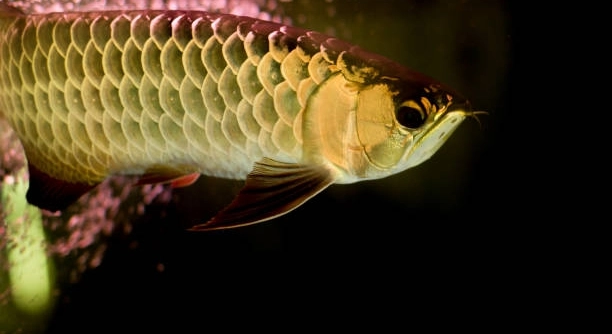
Many fish owners notice their arowanas acting skittish or stressed in new or busy environments. These nervous behaviors can affect their appetite and overall health. Paying attention to their diet can play a key role in easing their stress.
Feeding arowanas specific calming foods can help reduce stress levels effectively. Incorporating live or frozen foods like bloodworms, brine shrimp, and silkworms provides nutrients that support both physical health and mental well-being in nervous arowanas.
Knowing which foods help can make a significant difference in your fish’s comfort. Understanding their dietary needs ensures a calmer, healthier environment for your arowana to thrive.
Bloodworms
Bloodworms are a favorite for many arowanas because they are easy to digest and packed with protein. Feeding them occasionally can help reduce nervousness while supporting growth. They are often available frozen, live, or freeze-dried. Offering a small portion at a time ensures your fish doesn’t overeat and keeps the water clean. Bloodworms are rich in iron and other nutrients, which help maintain strong immunity and overall vitality. The texture and movement of live bloodworms can stimulate natural hunting behaviors, giving your arowana mental engagement and reducing stress. Regular feeding of bloodworms can also make your arowana more responsive and active without causing agitation. Ensuring variety in their diet, while including bloodworms, creates a balanced meal plan. Avoid feeding too frequently to prevent water quality issues. Observing how your arowana reacts to bloodworms helps you adjust feeding habits, ensuring they remain calm and healthy.
Bloodworms provide a high-protein option that encourages natural foraging and reduces stress in nervous arowanas.
Offering bloodworms occasionally adds both nutrition and stimulation, helping arowanas feel more secure and less anxious in their tank environment.
Brine Shrimp
Brine shrimp are small, nutritious, and easy for arowanas to eat. They are particularly good for young or nervous fish.
Brine shrimp are rich in protein, amino acids, and essential fatty acids that promote growth and maintain arowana health. Feeding live or frozen brine shrimp stimulates hunting instincts, keeping the fish engaged while calming them through gentle activity. Their small size makes them less intimidating, so nervous arowanas are more likely to eat without stress. Regular inclusion of brine shrimp in the diet supports overall vitality, encourages proper digestion, and prevents boredom. Varying the feeding routine by alternating brine shrimp with other calming foods can help maintain a consistent sense of comfort. It is important to ensure the shrimp are fresh and clean to avoid water contamination. Observing your arowana’s response helps determine the right amount and frequency. Overall, brine shrimp are an excellent dietary choice to reduce nervous behavior and promote healthy, calm fish over time.
Silkworms
Silkworms are gentle on arowanas’ digestive systems and provide a high-protein meal. Feeding them occasionally helps reduce stress and keeps the fish active without overwhelming their tank environment.
Silkworms are rich in protein and nutrients that support growth and overall health. They are soft, easy to digest, and less likely to cause digestive issues compared to some other live foods. Offering silkworms encourages natural hunting behaviors while being less aggressive, which can help nervous arowanas feel more comfortable. Frozen or live silkworms can be used, but feeding in moderation is key. Overfeeding can lead to water quality problems, so portion control is important. Including silkworms alongside other calming foods provides variety, keeps your arowana stimulated, and supports a balanced diet. Their texture and movement make meals engaging while reducing anxiety-related behaviors.
Regularly offering silkworms helps maintain calm behavior and supports strong immune function. Consistent feeding with this food can create a predictable, stress-reducing routine, benefiting overall well-being.
Daphnia
Daphnia are small, nutrient-rich water fleas that are easy for arowanas to eat and digest. They promote natural foraging behavior and help calm anxious fish. Their gentle size and movement make them less intimidating for nervous arowanas.
Daphnia provide essential vitamins, minerals, and fiber that support digestion and overall health. Including them in the diet encourages natural swimming and hunting activity, which keeps arowanas engaged without causing stress. Feeding live or frozen daphnia occasionally allows the fish to exercise while satisfying their nutritional needs. They are particularly effective in calming nervous arowanas because the fish can eat at their own pace without competition. Rotating daphnia with other calming foods ensures a varied diet and prevents boredom. Proper portioning prevents water contamination and maintains a clean tank environment. Observing your arowana’s reaction to daphnia can help fine-tune feeding schedules for optimal stress reduction and health benefits.
Crickets
Crickets are a good source of protein and stimulate natural hunting instincts in arowanas. Feeding them in moderation helps nervous fish remain active and reduces stress.
Their movement attracts attention and encourages gentle exercise. Crickets should be appropriately sized to prevent choking and ensure safe feeding.
Mealworms
Mealworms are easy to digest and provide essential nutrients that support arowana growth and health. Offering them occasionally helps maintain calm behavior while keeping the diet varied.
Mealworms are high in protein and fat, which supply energy for active fish. They can be fed live or frozen, but moderation is important to prevent overfeeding and water quality issues. Their texture and slow movement make them suitable for nervous arowanas. Regularly including mealworms in the diet keeps fish engaged and encourages natural foraging behavior. Rotating with other calming foods ensures a balanced nutritional intake. Observing how your arowana reacts helps adjust portions to maintain both health and stress reduction.
Vegetables
Some soft vegetables like peas or zucchini can supplement arowana diets. They provide fiber and help digestion while offering variety.
FAQ
What foods are safest for calming a nervous arowana?
High-protein, easily digestible foods like bloodworms, brine shrimp, silkworms, and daphnia are safe choices. Soft vegetables like peas and zucchini can also be included. Avoid overly fatty or processed foods that may upset their digestive system. Feeding small portions and rotating options helps maintain calm behavior.
How often should I feed calming foods to my arowana?
Feeding should be done 1–2 times daily, depending on the fish’s size and appetite. Small, controlled portions prevent overfeeding and water contamination. Alternating calming foods with regular meals ensures nutritional balance while reducing nervousness. Observing the fish’s reaction helps determine the ideal schedule.
Can live foods really reduce stress in arowanas?
Yes. Live foods like bloodworms and brine shrimp stimulate hunting instincts and encourage natural activity. This gentle engagement can reduce nervous energy, keeping arowanas active yet calm. It also prevents boredom and supports mental well-being by offering environmental enrichment.
Are frozen foods as effective as live foods for calming fish?
Frozen foods retain most nutritional value and can be equally effective when live options aren’t available. They provide protein, vitamins, and minerals while minimizing tank contamination. Thawing them properly and feeding in controlled amounts ensures the fish remains healthy and stress-free.
Can vegetables help calm arowanas?
Yes. Soft vegetables such as peas or zucchini provide fiber and nutrients that aid digestion. They add variety to the diet, giving the fish mental stimulation without causing stress. Vegetables should be boiled or blanched to make them easier to eat.
Should I mix different calming foods in one feeding?
Mixing foods occasionally is beneficial. It provides variety, keeps meals interesting, and encourages balanced nutrition. However, avoid overloading the tank with too much food at once, as this can stress the fish and compromise water quality. Feeding smaller, separate portions often works best.
How long does it take for arowanas to show reduced nervous behavior?
The timeline varies by fish and environment. Some arowanas may show calmer behavior within a few days of dietary adjustments, while others may take a couple of weeks. Consistency in feeding routine and observing stress signals is key to long-term improvement.
Can overfeeding calming foods cause problems?
Yes. Overfeeding can lead to water contamination, digestive issues, and obesity. Even nutritious foods like bloodworms or silkworms should be given in moderation. Monitoring portions carefully ensures both health and a calmer temperament.
Are there signs that my arowana is still stressed despite feeding calming foods?
Signs include erratic swimming, hiding constantly, refusing food, or gasping at the surface. If these persist, check water quality, tank environment, and feeding practices. Adjusting these factors along with calming foods often resolves lingering stress.
Do younger arowanas need different calming foods than adults?
Younger fish may benefit more from smaller, softer foods like daphnia, brine shrimp, or finely chopped silkworms. Adults can handle larger items like mealworms or crickets. Adjust portion sizes and variety based on age to promote calm behavior and proper growth.
Can feeding routines alone calm arowanas, or is the environment equally important?
Both are important. Consistent feeding routines help establish predictability, which reduces stress. Tank environment—cover, hiding spots, and minimal sudden disturbances—also plays a major role. Combining calm-friendly foods with a stable environment maximizes comfort and reduces nervous behavior.
Is it okay to stop feeding certain foods if my arowana becomes calmer?
Yes, but it’s better to maintain a balanced rotation. Even if stress decreases, continuing occasional servings of calming foods supports overall health and prevents future nervous behavior. Variety ensures the diet remains nutritious and engaging.
Can supplements replace calming foods for nervous arowanas?
Supplements can help, but they should not replace whole foods. Natural options like bloodworms, brine shrimp, and silkworms provide both nutrition and behavioral stimulation, which supplements alone cannot offer. Using supplements as a support rather than a replacement is most effective.
How can I tell which calming food works best for my arowana?
Observe feeding behavior, appetite, and activity after introducing each food. The fish’s response—whether they eat readily, stay calmer, or show less hiding—indicates preference and effectiveness. Rotating foods can help determine which combination works best for long-term stress reduction.
Are commercial arowana pellets helpful in calming nervous fish?
High-quality pellets can be part of the diet, especially if they are nutrient-rich and easily digestible. They provide consistency and support overall health, but adding live or soft foods is often more effective for reducing nervous behaviors.
Can overhandling or frequent disturbances negate the effects of calming foods?
Yes. Even with proper diet, constant tapping, moving decorations, or sudden tank activity can stress arowanas. Calming foods work best when paired with a quiet, stable environment, minimal handling, and predictable feeding routines.
What is the best way to introduce new calming foods?
Introduce foods gradually, offering small portions first. Mixing a small amount with familiar food can encourage acceptance. Observing how the fish reacts helps ensure they adapt without stress, and prevents overfeeding or food waste.
How important is water quality when feeding calming foods?
Water quality is critical. Even nutritious foods can stress arowanas if water conditions are poor. Regular monitoring of temperature, pH, and ammonia levels, combined with proper feeding, ensures that calming foods have the intended effect.
Can arowanas be over-stimulated by too many live foods at once?
Yes. Feeding multiple live foods in large quantities may excite the fish excessively rather than calm them. Portion control and spacing out feedings help maintain a balanced, stress-reducing effect while providing nutrition.
Is it okay to feed calming foods at night?
Feeding at consistent times is more important than the exact time of day. Night feeding can work if it fits a routine, but abrupt changes in schedule may cause nervous behavior. Predictable feeding patterns reinforce comfort and calmness.
Can tank mates affect how effective calming foods are?
Yes. Aggressive or competitive tank mates may prevent arowanas from eating calmly, reducing the calming effect of the food. Observing interactions and separating fish if needed ensures that calming foods can work as intended.
Are frozen silkworms or bloodworms as effective as live ones?
Frozen versions retain nutrients and are convenient, though live foods may stimulate natural hunting instincts slightly more. Both can help reduce nervous behavior, but introducing variety keeps the fish engaged and promotes a calmer temperament.
Should I adjust portion sizes as my arowana grows?
Absolutely. As the fish grows, their nutritional needs change. Gradually increasing portions while maintaining moderation ensures they remain healthy, active, and calm without overfeeding or polluting the tank.
Can too much fiber from vegetables cause stress or digestive issues?
Excessive fiber can cause bloating or digestive discomfort. Soft vegetables should be given in small amounts as a supplement, not as a primary food source, ensuring they aid digestion without creating stress or health problems.
Are there any signs that calming foods are working?
Signs include more relaxed swimming, consistent appetite, less hiding, and slower, smoother movements. Observing these behaviors over time confirms that dietary adjustments are helping reduce nervousness.
How long should I maintain a diet with calming foods?
Calming foods should be a regular part of the diet, especially during stressful periods or environmental changes. Maintaining a rotation ensures long-term benefits, consistent nutrition, and ongoing stress reduction.
Can combining live foods and vegetables create a balanced calming diet?
Yes. Live foods provide protein and mental stimulation, while vegetables supply fiber and essential nutrients. Together, they form a well-rounded, calming diet that supports health and reduces nervous behaviors.
Is it necessary to soak frozen foods before feeding?
Soaking can help remove excess preservatives and make foods easier to eat, especially for sensitive or nervous arowanas. Proper preparation minimizes digestive stress and enhances the calming effect of the food.
What is the best order for feeding different calming foods?
There’s no strict order, but alternating protein-rich live foods with soft vegetables ensures variety and balanced nutrition. Observing your arowana’s preferences can help create a routine that maximizes calm behavior and overall well-being.
Can arowanas develop a preference for specific calming foods?
Yes. Some fish may prefer silkworms over brine shrimp or vice versa. Recognizing preferences allows you to tailor meals for effective stress reduction while maintaining nutritional balance.
How important is portion size when feeding multiple calming foods?
Portion size is critical. Overfeeding even healthy foods can lead to water quality issues and stress. Small, measured servings spread across the day support calm behavior while preventing digestive problems and maintaining a clean tank.
Are there signs of overfeeding calming foods?
Signs include leftover food in the tank, sluggish behavior, bloating, and clouded water. Monitoring portions carefully prevents these issues and ensures the diet remains stress-reducing and healthy.
Can calming foods improve interactions between arowanas and their environment?
Yes. By reducing nervous behavior, calming foods encourage exploration and more natural interaction with tank structures. This engagement improves mental stimulation, reduces stress, and contributes to overall well-being.
Do different arowana species respond differently to calming foods?
Responses can vary slightly by species. Observing how each fish reacts to specific foods helps tailor the diet for optimal stress reduction, ensuring the approach fits individual needs while maintaining health and calmness.
Are frozen foods easier to manage than live foods?
Frozen foods are convenient, easier to store, and less likely to introduce pests. While live foods may slightly enhance mental stimulation, frozen options remain effective for reducing nervous behaviors when properly prepared and fed.
How can I combine different food types without causing stress?
Feed small portions separately, or mix carefully in moderation. Avoid large amounts at once, which can overwhelm the fish. Observing reactions ensures that combining foods promotes calm behavior and proper nutrition.
Should calming foods be a temporary or permanent addition to the diet?
They should be maintained long-term, especially for fish prone to nervous behavior. Rotating these foods with other nutritious options ensures lasting benefits, steady nutrition, and continued stress reduction.
Can tank environment changes affect how well calming foods work?
Yes. Sudden temperature shifts, tank rearrangements, or aggressive tank mates can reduce the calming effect. Consistent feeding, quiet surroundings, and predictable conditions help maximize the benefits of these foods.
Is it okay to feed calming foods along with regular pellets?
Yes. Combining pellets with live or soft foods ensures a balanced diet. Pellets provide consistent nutrition, while calming foods reduce stress and stimulate natural behaviors, creating a healthy, varied routine.
How can I tell if my arowana is eating enough calming foods?
Watch for consistent appetite, smooth swimming, and calm behavior. Uneaten portions or prolonged hiding may indicate underfeeding or stress. Adjust portions gradually while monitoring reactions to maintain both nutrition and tranquility.
Are there any long-term benefits to feeding calming foods regularly?
Regular feeding of calming foods supports growth, immune function, and mental well-being. It also reduces stress, encourages natural behaviors, and helps maintain a stable, comfortable environment, ensuring healthier and calmer arowanas over time.
Can over-reliance on one type of calming food cause problems?
Yes. Relying too heavily on a single food can create nutritional imbalances. Rotating different protein sources and vegetables ensures a well-rounded diet while maintaining the stress-reducing benefits.
Do feeding times affect how calming foods work?
Consistent feeding times provide predictability, which reduces nervousness. Irregular schedules may increase stress, even with calming foods. Maintaining routine feeding helps arowanas feel secure and supports overall well-being.
How important is monitoring tank conditions when feeding calming foods?
Extremely important. Even the best foods cannot fully calm a stressed fish in poor water conditions. Regular checks of temperature, pH, and cleanliness enhance the benefits of a proper diet.
Can I feed calming foods to multiple arowanas at once?
Yes, but ensure each fish gets enough without competition. Overcrowding or aggressive tank mates can reduce the calming effect. Feeding small, separate portions helps maintain tranquility and proper nutrition for all fish.
Do calming foods affect reproductive behavior in arowanas?
Proper nutrition from calming foods supports overall health, which may indirectly improve reproductive readiness. While not a direct stimulant, a stress-free environment and balanced diet contribute to healthier breeding conditions.
Are there any risks with feeding live insects like crickets?
Crickets should be free of pesticides and appropriately sized. Overfeeding or introducing contaminated insects can affect water quality and health. Moderation and proper sourcing reduce risks while maintaining calming benefits.
Can I prepare calming foods at home?
Yes. Many arowana foods, like silkworms, peas, or brine shrimp, can be prepared safely at home. Proper handling and portioning ensure nutrition and reduce stress without introducing contaminants.
Is it better to feed calming foods in the morning or evening?
Consistency matters more than timing. Feeding at the same time daily reinforces routine and predictability, which helps nervous arowanas feel secure.
Do frozen and live foods require different storage methods?
Yes. Frozen foods should remain in the freezer until use to preserve nutrients, while live foods need proper containers with aeration and clean water to maintain viability and safety.
Can overfeeding calming foods change water chemistry?
Yes. Excess food decomposes, raising ammonia, nitrites, and nitrates. Careful portioning and prompt removal of uneaten food prevent chemical imbalances that can stress arowanas.
Are there signs that a calming food is causing digestive issues?
Symptoms include bloating, slow swimming, constipation, or regurgitation. Adjust portion size, type of food, or preparation method to reduce digestive stress while maintaining calming effects.
How can I gradually introduce a new calming food?
Start with small portions mixed with familiar foods. Observe the fish’s reaction and gradually increase the amount if accepted. This approach reduces stress and encourages adaptation to new foods.
Is there a difference between live and frozen silkworms for calming purposes?
Live silkworms may slightly enhance engagement due to movement, while frozen ones still provide nutrients. Both help reduce stress, but rotating types keeps meals stimulating and balanced.
Can calming foods help arowanas adjust to a new tank?
Yes. Familiar, nutritious foods provide comfort during transitions, supporting appetite, reducing hiding, and helping the fish acclimate to new surroundings more confidently.
How should I adjust feeding if my arowana is overly nervous?
Offer smaller, more frequent portions of calming foods, minimize disturbances, and maintain a predictable environment. Gradually, the fish will become more comfortable and responsive.
Are there any foods to avoid when trying to calm a nervous arowana?
Avoid overly fatty, processed, or unfamiliar foods that may upset digestion. Stick to high-protein, easily digestible, and soft foods that support calm behavior without causing stress.
Can combining live foods and vegetables improve mental stimulation?
Yes. Live foods encourage hunting behavior, while vegetables provide variety and nutrients. This combination engages the fish mentally, reduces anxiety, and supports a balanced diet.
Do arowanas benefit from variety even if one food is calming?
Absolutely. Variety prevents boredom, ensures nutritional balance, and enhances long-term stress reduction. Rotating foods maintains interest while supporting health and calm behavior.
How important is observation when feeding calming foods?
Observation is key. Monitoring appetite, activity, and stress signals ensures feeding practices are effective, helping maintain calm behavior and overall health.
Can calming foods help during water changes?
Yes. Offering familiar, nutritious foods during or after water changes can reduce stress, encourage feeding, and help arowanas adapt to temporary environmental changes more easily.
Should I adjust feeding frequency based on activity levels?
Yes. More active fish may need slightly larger or more frequent portions, while less active fish require moderation. Adjusting feeding based on behavior helps maintain health and calmness.
Is it okay to mix frozen and live calming foods in one feeding?
Yes, but keep portions small to avoid overfeeding. Mixing types provides variety and engages natural instincts while maintaining stress-reducing benefits.
Can feeding calming foods prevent aggressive behavior?
Partially. Proper nutrition and mental stimulation reduce stress-related aggression, but tank layout, space, and compatible companions are also critical to prevent conflicts.
Do arowanas lose interest in calming foods over time?
They may, if fed too frequently or without variety. Rotating different foods keeps meals engaging, maintaining both appetite and stress-reducing effects.
Can frozen vegetables be used as effectively as fresh ones?
Yes. Blanched or frozen vegetables retain nutrients and are easier to store. Both provide fiber and variety, supporting digestion and a balanced diet.
How do I know if my arowana prefers live or frozen foods?
Observe feeding responses. Eager, calm eating indicates preference, while hesitation may suggest they favor a different type. Adjust portions and rotation accordingly.
Can over-reliance on calming foods reduce interest in other necessary foods?
Potentially. Ensure a balanced diet by combining calming foods with regular pellets or standard protein sources. Variety supports overall nutrition and prevents selective feeding habits.
Are there signs that calming foods are improving health besides reduced stress?
Yes. Improved appetite, smoother swimming, brighter coloration, and consistent activity levels indicate better overall health and effectiveness of the diet.
Can I feed multiple types of calming foods in one day?
Yes, in small, spaced-out portions. This provides variety, mental stimulation, and nutritional balance without overwhelming the fish or tank environment.
How do I prevent leftover food from affecting water quality?
Feed small portions, remove uneaten food promptly, and maintain regular tank cleaning. This ensures the calming foods benefit the fish without compromising water chemistry.
Are there alternatives to live foods that still reduce stress?
High-quality frozen or freeze-dried options can be effective, offering protein and nutrients while minimizing risk of contamination or over-stimulation. Combining these with vegetables provides balance.
Is it necessary to introduce all calming foods at once?
No. Gradual introduction allows fish to adapt, reduces stress, and helps determine which foods work best for individual temperament and dietary needs.
How can I adjust diet if my arowana refuses certain calming foods?
Offer alternative high-protein or soft foods, reduce portion size, or mix with familiar favorites. Patience and observation help ensure acceptance without stress.
Do environmental enrichments complement calming foods?
Yes. Plants, hiding spots, and proper lighting combined with a calming diet enhance mental stimulation, reduce stress, and support natural behaviors for nervous arowanas.
Can overfeeding vegetables lead to nutrient imbalance?
Yes. Vegetables provide fiber and some nutrients but should complement, not replace, protein-rich foods
Feeding your arowana the right foods can have a big impact on their behavior and overall health. Nervous arowanas often struggle with stress, which can affect their appetite, energy, and immunity. Choosing foods that are high in protein, easy to digest, and naturally engaging can help them feel more comfortable in their environment. Live foods like bloodworms, brine shrimp, and silkworms are especially effective because they encourage natural hunting behaviors without causing additional stress. These foods provide essential nutrients such as amino acids, vitamins, and minerals, which support growth, strengthen the immune system, and improve overall vitality. By offering a variety of calming foods in moderation, you can create a feeding routine that reduces nervous behavior while keeping your arowana healthy and active. Consistency in portion size and timing is just as important as the food itself, as predictable feeding schedules give the fish a sense of security, which naturally lowers anxiety levels over time.
In addition to live foods, supplementing an arowana’s diet with soft vegetables like peas or zucchini can be beneficial. These foods provide fiber and aid digestion, helping to prevent bloating or other gastrointestinal issues that may worsen stress. Offering a mix of protein-rich foods and vegetables ensures that the diet remains balanced and varied, keeping meals interesting and engaging for your fish. Frozen or freeze-dried versions of calming foods are also practical, especially when live options are not available. While they may lack some of the movement-based stimulation of live foods, they retain important nutrients and can still contribute to reduced nervous behavior. Observing how your arowana reacts to different foods is key, as each fish has its own preferences and temperament. Adjusting portions, rotation, and food types according to their response ensures that the diet remains effective in promoting calmness and overall well-being.
Finally, it is important to remember that diet alone cannot completely eliminate stress. Arowanas benefit from a stable and quiet environment with proper tank conditions, including clean water, adequate hiding spots, and minimal sudden disturbances. Combining these environmental measures with a carefully planned diet of calming foods creates the most effective approach to reducing nervous behavior. Regular observation of your arowana’s activity, appetite, and interactions within the tank helps you fine-tune feeding habits and environmental adjustments. Over time, consistent care, proper nutrition, and attention to the fish’s comfort will lead to calmer, healthier arowanas that display more natural behaviors. A thoughtful approach to feeding and habitat management not only supports physical health but also fosters a sense of security and mental stability, ensuring that your arowana thrives in its home environment.

Hello,
If you enjoy the content that we create, please consider saying a "Thank You!" by leaving a tip.
Every little bit helps us continue crafting quality advice that supports the health, happiness, and well-being of pets around the world, for pets of all shapes, sizes, and species.
We really appreciate the kindness and support that you show us!