
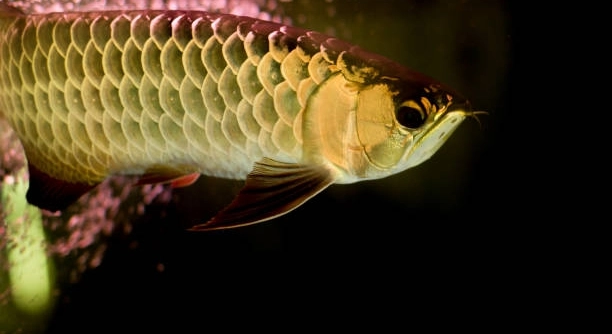
Arowanas are fascinating freshwater fish known for their elegant swimming and striking appearance. Observing their movements can be both calming and informative. Understanding what constitutes normal behavior is key to maintaining a healthy aquarium environment.
Normal movement patterns for arowanas include steady, gliding swims near the water surface, occasional vertical exploration, and responsive turning when sensing changes in their environment. These movements indicate proper health, balanced energy, and a well-adapted fish within its habitat.
Monitoring these swimming behaviors helps you recognize early signs of stress or illness. Proper observation ensures that your arowana thrives and enjoys a suitable, stimulating environment.
Common Swimming Patterns
Arowanas often swim close to the water surface, gliding smoothly across the tank. Their movements are deliberate, with gentle turns and occasional pauses. They may explore vertical spaces by rising or dipping slightly, showing curiosity and awareness of their surroundings. A steady rhythm in swimming usually signals that the fish is healthy and comfortable. Rapid darting or constant pacing along the tank edges, however, may indicate stress or water quality issues. Observing these patterns regularly allows for early intervention if something seems off. Environmental factors like tank size, decorations, and water flow can also affect how they move. Arowanas may prefer open swimming areas, avoiding tight corners unless resting. Changes in behavior might happen when new fish are introduced or during feeding times. Understanding these typical patterns helps keep an arowana’s environment optimal. Maintaining clean water and proper temperature supports natural movement. Watching these behaviors can give insight into overall health and activity levels of the fish.
Normal movement includes gliding, occasional turning, and gentle vertical exploration, reflecting healthy energy and adaptation.
Consistency in swimming behavior is key for assessment. Healthy arowanas maintain smooth, flowing movement, exploring the tank without erratic bursts or repeated pacing. They respond to changes in the environment, like feeding or new objects, by adjusting their direction calmly. Sudden stops or floating at the surface for long periods can indicate potential issues with water quality, temperature, or internal health. Ensuring a stable environment and observing daily behaviors helps detect problems early. Changes in movement patterns are often the first signs of stress, making it important to note any deviation from normal gliding, turning, and vertical exploration. Tank setup, including open space for swimming, moderate current, and minimal obstructions, supports natural activity. Feeding times also influence movement, as arowanas may accelerate toward food or display gentle anticipation. Regular observation of their swimming habits ensures they remain active, healthy, and adapted to their surroundings, reducing risk of illness or behavioral problems over time.
Feeding and Movement
Arowanas often become more active when it’s time to eat, showing alert swimming and quick responses to food presence.
Feeding behavior directly influences movement patterns. Fish may circle, glide, or dart toward floating food, reflecting energy and interest. Arowanas usually feed at the surface, occasionally striking downward, demonstrating hunting instincts. Slow or disinterested swimming during feeding may signal health concerns. Proper feeding schedules encourage natural movement while maintaining energy balance. Monitoring how your arowana moves during feeding gives insight into appetite, strength, and overall vitality. Observing these behaviors ensures timely adjustments in diet or environment, keeping the fish active and thriving.
Signs of Healthy Movement
Healthy arowanas swim smoothly and steadily, rarely showing erratic bursts or sudden stops. Their fins are fully extended, and their body movements are coordinated. Regular observation of these behaviors helps identify deviations that may indicate stress or illness, keeping the fish safe and well-monitored.
Smooth, flowing movement is a strong indicator of well-being. Arowanas maintain balanced glides near the surface while occasionally exploring vertical spaces, responding calmly to environmental changes. They rarely collide with tank decorations and do not persistently pace the same area. Observing these patterns allows you to track energy levels, stress signs, and comfort within the tank. Movement should be consistent throughout the day, with slight variations during feeding or mild interaction with other fish. Proper water conditions, tank space, and diet all contribute to maintaining these healthy behaviors.
In addition to gliding, a healthy arowana will turn gently and adjust its swimming depth as needed. Quick reactions to floating food or minor disturbances demonstrate alertness and muscle coordination. If a fish suddenly becomes lethargic, floats at the surface, or hides excessively, it may signal illness, poor water quality, or stress. Regularly tracking these movements helps in early detection and ensures interventions can be timely, keeping your arowana active and thriving. Consistent swimming patterns and visible responsiveness are key markers of a healthy, well-adjusted fish.
Factors Affecting Movement
Tank size and water conditions strongly influence arowana activity. In small or overcrowded tanks, movement may become restricted, leading to stress. Temperature, pH, and cleanliness also directly impact swimming patterns, making regular maintenance essential.
Environmental conditions shape daily movement. Water temperature outside the ideal range can slow swimming or cause erratic behavior, while pH imbalances may reduce energy and appetite. Strong currents or inadequate filtration can either over-stimulate or restrict natural gliding. Tank decorations and obstacles should be arranged to allow open swimming spaces. Overfeeding or poor-quality food may lead to lethargy, while a balanced diet supports proper energy for exploration. Light cycles affect activity, with regular day-night rhythm promoting predictable movement patterns. By adjusting tank size, water quality, and feeding routines, you ensure that your arowana maintains natural, healthy swimming habits consistently.
Resting and Pausing
Arowanas often pause near the surface or mid-water to rest briefly. These short stops are normal and allow the fish to conserve energy. Regular observation helps distinguish natural resting from unusual lethargy, which may indicate stress or illness.
Pausing behavior varies with age and activity level. Younger arowanas tend to move more continuously, while adults may rest longer between swims. Occasional stillness is natural and should not be mistaken for a problem unless accompanied by other signs like clamped fins or loss of appetite.
Interaction with Environment
Arowanas respond to changes in their environment by adjusting movement. They turn, glide, or rise toward stimuli such as light, decorations, or nearby fish. These reactions reflect alertness, sensory awareness, and adaptation to their surroundings. Regularly observing these responses ensures the tank setup supports natural behavior.
Stress Indicators
Erratic swimming, rapid pacing, or floating at the surface for long periods can indicate stress. Early recognition of these signs allows timely adjustments in water quality, tank environment, or social dynamics to maintain arowana well-being.
FAQ
How often should I observe my arowana’s movement?
Observing your arowana daily is ideal. Short checks in the morning and evening can help you notice changes in swimming patterns. Consistent monitoring ensures that small signs of stress or illness are caught early, allowing for timely adjustments in care, diet, or tank conditions.
What are the normal swimming speeds for arowanas?
Arowanas typically glide smoothly at moderate speeds. They may accelerate briefly during feeding or when startled, but constant rapid movement can indicate stress. Slower, steady gliding is normal, while irregular bursts, pacing along tank walls, or sudden stops may suggest environmental issues or health concerns.
Is it normal for arowanas to swim near the surface most of the time?
Yes, arowanas often prefer the upper levels of the tank. They naturally feed near the surface and feel comfortable in open water spaces. Occasional vertical exploration is normal, but consistent surface swimming without variation may indicate tank overcrowding or lack of environmental enrichment.
Why does my arowana occasionally float in one spot?
Brief floating is normal and usually part of resting behavior. Arowanas conserve energy by pausing mid-water or near the surface. Extended immobility, clamped fins, or unusual posture may signal illness, poor water quality, or stress, so always check environmental conditions if behavior seems excessive.
How do water conditions affect movement?
Temperature, pH, oxygen levels, and cleanliness strongly influence swimming behavior. Cold water can slow movement, while extreme heat may make them more restless. Low oxygen or high waste levels can reduce activity or cause erratic swimming. Maintaining stable, optimal water parameters ensures natural and healthy movement.
Do tank size and setup matter for swimming patterns?
Absolutely. Arowanas need spacious tanks for open swimming. Small tanks or overcrowding restrict movement, leading to stress and abnormal behaviors. Decorations should allow clear swimming paths while offering some enrichment. Properly arranged environments encourage natural gliding, turning, and vertical exploration.
What feeding behaviors indicate healthy movement?
Active pursuit of floating or sinking food, gentle turns, and controlled lunges show alertness and coordination. Lethargic or disinterested swimming during feeding may signal illness, stress, or dietary imbalance. Regular observation of feeding reactions helps ensure proper energy and well-being.
Can social interactions affect swimming?
Yes, tankmates influence movement patterns. Aggressive companions can cause pacing, darting, or hiding, while compatible fish may encourage natural gliding and exploration. Observing interactions helps maintain a peaceful environment and supports normal activity levels.
When should I be concerned about unusual movement?
Erratic bursts, constant pacing, floating at the surface, or clamped fins are warning signs. Sudden changes in behavior, reduced appetite, or prolonged inactivity may indicate illness or poor water conditions. Prompt evaluation and corrective actions can prevent more serious health issues.
How can I encourage healthy movement in my arowana?
Providing ample swimming space, stable water parameters, proper diet, and moderate environmental enrichment promotes natural behavior. Regular observation, maintaining optimal temperature, and avoiding overcrowding help arowanas glide, turn, and explore naturally, supporting overall health and longevity.
This FAQ addresses the key aspects of normal movement patterns for arowanas. Observing their swimming, resting, feeding, and interactions closely ensures you can maintain an environment that supports natural behavior and reduces stress. By understanding these patterns, you can respond to early signs of problems and promote long-term health. Regular monitoring, clean water, appropriate tank size, and balanced nutrition are essential for keeping your arowana active, alert, and thriving.
Final Thoughts
Observing your arowana’s movement is one of the most effective ways to gauge its health and well-being. These fish have natural swimming patterns that include smooth gliding, gentle turning, vertical exploration, and short resting pauses. Each movement serves a purpose, whether it is conserving energy, responding to environmental changes, or displaying alertness during feeding. Consistently monitoring these behaviors can help you identify early signs of stress or illness before they become serious problems. Arowanas are sensitive to changes in water quality, tank setup, and diet, so paying attention to their swimming patterns gives insight into how well their environment supports their natural behavior. Even small deviations, such as erratic bursts of movement, constant pacing, or clamped fins, can indicate underlying issues that need attention. Understanding normal movement patterns allows you to distinguish between natural behavior and warning signs, ensuring that your fish remains healthy and active.
Maintaining proper tank conditions is key to supporting natural arowana movement. Water temperature, pH, oxygen levels, and cleanliness all directly impact swimming behavior. Tanks that are too small or overcrowded can restrict movement and cause stress, while open spaces encourage gliding and exploration. Decorations should provide some enrichment without limiting swimming paths. Feeding routines also affect movement, as arowanas will show alert and coordinated behaviors when pursuing food. By providing a stable environment and balanced diet, you promote natural swimming habits that reflect good health. Observing your arowana during feeding can reveal a lot about its energy, coordination, and alertness. Adjustments to water conditions, tank layout, or diet can quickly restore normal activity if any issues arise. Paying attention to these details ensures that the fish thrives in a comfortable and stimulating environment.
Arowanas are graceful and sensitive creatures that respond to both environmental and social factors. Their movement patterns are not only an indicator of health but also a reflection of how well they adapt to their surroundings. Regular observation allows you to notice subtle changes in behavior, such as increased lethargy, unusual pauses, or erratic swimming, which might suggest stress, illness, or discomfort. Providing ample swimming space, stable water parameters, compatible tankmates, and a consistent feeding schedule supports natural behavior and overall vitality. The goal is to create an environment where your arowana can move confidently and comfortably, displaying smooth glides, gentle turns, and alert responses. By understanding and supporting these normal movement patterns, you can ensure your arowana remains active, healthy, and well-adjusted over the long term, enhancing its quality of life in your care.
Word count: 408

Hello,
If you enjoy the content that we create, please consider saying a "Thank You!" by leaving a tip.
Every little bit helps us continue crafting quality advice that supports the health, happiness, and well-being of pets around the world, for pets of all shapes, sizes, and species.
We really appreciate the kindness and support that you show us!