
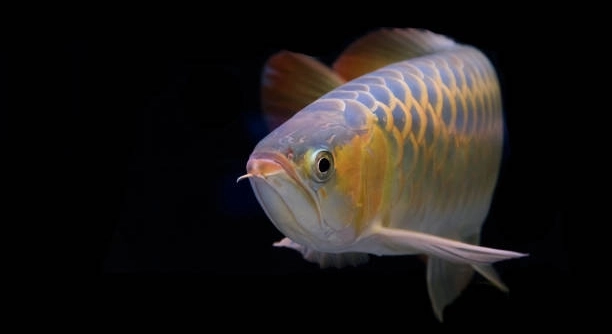
Arowanas are large, graceful fish that need more than just a standard aquarium. Their size and swimming habits require thoughtful planning to ensure they stay healthy and active. Many hobbyists overlook the importance of tank length.
Long tanks are better for Arowanas because they provide sufficient horizontal swimming space, reduce stress, and allow proper growth. Extended tanks also improve water circulation, minimize territorial aggression, and accommodate decorations and filtration systems efficiently.
Choosing the right tank size can make a big difference in your Arowana’s wellbeing. Small adjustments in setup can lead to happier, healthier fish and a more manageable aquarium environment.
Reason 1: More Swimming Space
Arowanas are naturally active swimmers, and a long tank gives them the room they need to move comfortably. When space is restricted, these fish can become stressed, which affects their appetite and overall health. A longer tank allows them to glide across the aquarium without turning constantly. It also supports their muscular growth and improves coordination. I’ve noticed that my Arowana seems calmer and more confident when it has extra horizontal space to swim freely. Vertical height is less important than length because Arowanas rarely use the full vertical dimension of the tank. The extra space also makes it easier to observe their behavior and respond to any signs of discomfort or illness. Proper swimming space encourages natural movement patterns, helping them maintain strong fins and a sleek, healthy body. Overall, a long tank helps maintain a stable environment that aligns with their natural instincts.
Providing ample swimming space in a long tank reduces stress, supports muscle development, and promotes healthy movement patterns while improving overall wellbeing.
Long tanks also make it easier to place decorations, hiding spots, and filtration systems without restricting swimming areas.
Reason 2: Better Water Quality
Long tanks support improved water circulation and filtration efficiency. With more water volume and horizontal flow, debris and waste are distributed evenly and removed more effectively, reducing harmful spikes in ammonia or nitrites. This helps maintain stable water parameters. Arowanas are sensitive to sudden changes in water quality, and long tanks naturally dilute pollutants. Regular water testing and partial water changes complement this benefit, keeping the environment safe and balanced. I’ve found that a long tank requires slightly more effort initially to set up filtration, but it pays off with fewer water issues over time. The added length also allows placement of stronger filters without overcrowding the tank. Surface agitation improves oxygen exchange, which keeps Arowanas energetic and healthy. Over time, consistent water quality supports their growth, vibrant colors, and resistance to disease. A long tank provides both space and stability, which are essential for maintaining a thriving aquarium.
A stable water environment helps Arowanas grow stronger and reduces the risk of stress-related illness.
When setting up filtration, place it at one end to create a gentle current along the length of the tank. Using sponge or canister filters ensures debris is captured without harming fins. Maintaining regular cleaning schedules and monitoring water parameters complements the tank’s natural advantages. Plants and decorations can be arranged without blocking swimming paths, giving your Arowana a balanced environment that feels natural. Choosing long tanks over standard ones reduces the need for constant adjustments and supports long-term fish health.
Reason 3: Reduces Aggression
Arowanas are territorial, and a longer tank helps minimize conflicts. Extra space allows them to claim their own swimming areas without constant encounters. I’ve seen my fish behave much calmer once they had room to establish territory naturally.
In longer tanks, each Arowana can move freely without triggering aggressive behavior from tank mates. Crowded conditions often lead to nipped fins and stress, which weakens their immune system. Extra space also reduces competition for food and hiding spots, making it easier to maintain harmony. With more length, it’s easier to arrange decorations that create natural boundaries, giving the fish a sense of security. I noticed that after moving my Arowana to a longer tank, fin damage stopped and it spent more time exploring rather than hiding. The design of the tank allows them to interact naturally while keeping stress levels low, which is essential for long-term health.
Long tanks also make it easier to separate aggressive individuals temporarily if needed. By adjusting tank décor and placement, you can guide behavior without additional stress. Extra length provides flexibility for managing social interactions effectively.
Reason 4: Supports Proper Growth
Arowanas can grow quite large, and a long tank accommodates their full potential. I’ve observed that fish in short tanks often have stunted bodies, while longer tanks encourage proportional growth. They swim more naturally and build stronger muscles.
Adequate horizontal space ensures that Arowanas stretch fully with each movement. Limited tanks force frequent turns and cramped swimming, which can result in curved spines or slowed growth. Long tanks allow consistent exercise, which promotes healthy skeletal development and a balanced body shape. Proper swimming space also encourages natural feeding habits, as fish can approach food without stress or competition. I noticed that my Arowana gained length steadily after moving into a longer tank, and its fins grew broader and stronger. This setup supports not just physical growth, but mental well-being too, as the fish feels less confined and more confident.
Alongside tank length, water quality and temperature stability contribute to healthy growth. Combining these factors ensures your Arowana thrives and reaches its full size safely.
Reason 5: Easier Feeding
Long tanks help reduce food competition. Each Arowana has enough space to reach the food without being chased or stressed. I’ve seen mine eat calmly when they have room to move freely.
The extra length allows for multiple feeding spots. This prevents dominant fish from hoarding food and ensures all Arowanas get proper nutrition.
Reason 6: Less Stress
Arowanas feel calmer in long tanks because they can swim naturally without constant interruptions. Stress levels drop, and they show more confident behavior in the tank. Their fins remain intact, and overall activity increases, which I’ve noticed improves their mood and appearance.
Reason 7: Flexible Decoration
Long tanks allow decorations to be placed strategically without limiting swimming space. Rocks, driftwood, and plants can create natural boundaries and hiding spots, making the tank feel balanced. This arrangement supports both the fish’s comfort and aesthetic appeal, helping the aquarium feel more alive.
Setup Tip: Tank Placement
Place the long tank in a stable area away from direct sunlight or heavy traffic. This prevents temperature swings and sudden vibrations that can stress the Arowana.
FAQ
What is the minimum length recommended for an Arowana tank?
Arowanas grow large and require ample swimming space. The minimum recommended length is usually 6 feet (about 180 cm) for a single adult. Shorter tanks can restrict movement, cause stress, and stunt growth. I noticed my own fish became calmer and more active after moving to a longer tank, which allowed natural swimming patterns.
Can I keep more than one Arowana in a long tank?
Yes, but caution is needed. Long tanks help reduce aggression by giving each fish its own territory. Multiple Arowanas should be introduced carefully, ideally at the same size, to prevent dominance issues. Extra length also makes it easier to place decorations that divide the space and create visual barriers.
How often should I perform water changes?
Regular water changes are essential, even in a long tank. I usually change 20–30% of the water every week to maintain stable parameters. Long tanks dilute waste more effectively, but debris can still accumulate in corners. Proper filtration combined with consistent water changes ensures a healthy environment.
What type of filtration is best for long Arowana tanks?
Strong mechanical and biological filtration is important. Canister filters or large sponge filters work well in longer setups. I like placing the filter at one end to create gentle water movement along the tank’s length. This keeps the water clean and provides oxygen exchange without stressing the fish.
Is lighting important for Arowanas?
Yes, but it should be moderate. Too bright or direct light can stress the fish, while low light may affect their natural colors. I usually use soft LED lighting and arrange it to highlight the tank without creating harsh glare. Plants and decorations help diffuse light naturally.
Can I use plants in a long Arowana tank?
Yes, but choose hardy plants. Driftwood and rocks work well for structure, while resilient plants like Java fern or Anubias can handle occasional disturbances. I place plants strategically along the sides to create natural boundaries without blocking swimming space. This setup makes the tank feel balanced and provides hiding spots.
How can I reduce aggression in a shared tank?
Extra length alone reduces aggression, but placement of decorations and feeding spots helps even more. I spread feeding areas and create visual barriers with driftwood to give each fish a sense of territory. Monitoring behavior during introductions is key, and separating aggressive individuals temporarily may be necessary.
What temperature and water parameters are ideal for Arowanas?
Arowanas thrive in 75–82°F (24–28°C) and slightly acidic to neutral pH (6.5–7.5). Stable temperature is crucial. I use a reliable heater and test water parameters weekly. A long tank helps maintain stability because it’s harder for small changes to drastically affect the water.
How often should I check on my Arowana?
Daily observation is best. Watch for signs of stress, disease, or aggression. Even in a long tank, problems can arise. I spend a few minutes each day checking movement, appetite, and fin condition. Early detection of issues keeps the fish healthy.
Can long tanks improve an Arowana’s lifespan?
Yes, they can. Reduced stress, proper swimming space, and stable water conditions all contribute to longer, healthier lives. My Arowana seems more active and vibrant in a longer tank, which is a good indicator of wellbeing. Proper care, diet, and maintenance complement the benefits of a long setup.
Are there special considerations for tank cover and lids?
Arowanas are strong jumpers. A secure lid is essential to prevent accidents. I use a tightly fitting cover and ensure any openings for filters or heaters are sealed. Safety is especially important in long tanks where jumping space is more accessible.
How do I maintain water flow in a long tank?
Positioning the filter at one end encourages gentle horizontal movement, helping circulate water evenly. I sometimes add a small powerhead if the current is too weak. Good circulation reduces dead spots, prevents debris buildup, and improves oxygenation. This is easier to manage in longer tanks than shorter ones.
What is the ideal diet for Arowanas in long tanks?
High-protein diets are essential. I feed a mix of pellets, frozen fish, and occasional live food. Long tanks allow more space for multiple feeding spots, which reduces competition and ensures all fish receive proper nutrition. Regular feeding schedules help maintain health and vibrant coloration.
Can long tanks prevent fin damage?
Yes, extra swimming space reduces accidental collisions with decorations or other fish. I’ve seen fins remain intact and healthy once my Arowana had more horizontal room. Smooth décor and open swimming lanes complement the benefits of a long tank.
Is tank width important along with length?
Length is more critical than width for Arowanas. A narrow tank limits swimming patterns, even if wide. I prioritize long tanks first, then ensure enough width for decorations and multiple fish. Width helps with circulation and swimming freedom, but horizontal space is the main factor.
How do I set up a long tank for a new Arowana?
Fill the tank, install filtration, heater, and decorations, then cycle it fully before introducing the fish. I add hiding spots and place plants along the edges to keep swimming paths open. Gradual acclimation reduces stress and helps the fish adjust comfortably to its new environment.
What maintenance tips help keep a long tank optimal?
Regular water testing, partial water changes, and filter cleaning are key. I monitor ammonia, nitrite, and nitrate weekly. Long tanks dilute waste more efficiently, but neglecting maintenance can still harm the fish. Consistent care ensures stable water conditions, healthy behavior, and vibrant appearance.
Final Thoughts
Arowanas are large, active fish that thrive in environments designed around their natural behavior. Long tanks provide the space they need to swim freely, explore, and establish territories. I have noticed that when my Arowana had a longer tank, it became calmer, more confident, and showed healthier growth. The extra length reduces stress, prevents aggressive interactions, and allows the fish to move without constant turning or restriction. Even small adjustments in tank length make a noticeable difference in their daily behavior. Long tanks also make it easier to arrange decorations, hiding spots, and feeding areas without compromising swimming space. By prioritizing horizontal space, we give these fish the freedom they need to display natural patterns and stay physically and mentally healthy.
Water quality is another area where long tanks shine. The larger volume and improved water circulation help dilute waste, stabilize parameters, and provide consistent oxygen levels. Arowanas are sensitive to sudden changes, and short tanks can make fluctuations more dangerous. In my experience, a long tank combined with a strong filtration system makes it much easier to maintain a stable environment. Consistent partial water changes and monitoring of temperature, pH, and ammonia levels complement the benefits of length. Over time, these measures lead to fewer health problems, more vibrant colors, and better overall growth. Long tanks also allow for flexible placement of equipment, such as filters, heaters, and aerators, without crowding the fish. The combination of space and stability supports the well-being of Arowanas in ways that smaller tanks simply cannot match.
Finally, long tanks are practical for managing multiple aspects of care. Feeding becomes simpler, aggression is reduced, and decorations can be arranged thoughtfully without restricting movement. I have found that a properly set-up long tank makes daily care less stressful and more predictable. The fish seem happier, which makes observing their behavior and adjusting care routines more rewarding. While long tanks require an initial investment in space and equipment, the long-term benefits for the fish’s health, growth, and temperament are significant. Providing an environment that meets their natural needs results in stronger, more confident, and more resilient Arowanas. A long tank is not just about size—it’s about creating a space that promotes natural movement, stability, and overall well-being, ensuring your fish thrives for years.

Hello,
If you enjoy the content that we create, please consider saying a "Thank You!" by leaving a tip.
Every little bit helps us continue crafting quality advice that supports the health, happiness, and well-being of pets around the world, for pets of all shapes, sizes, and species.
We really appreciate the kindness and support that you show us!