
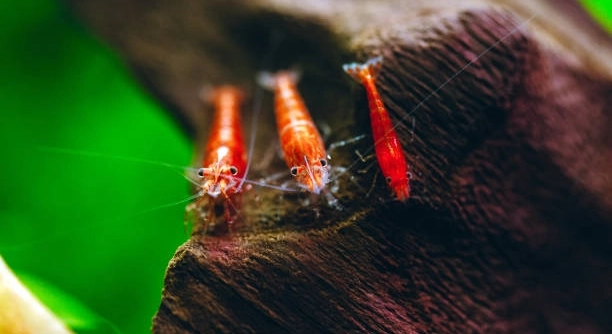
Cherry shrimp are small, bright-colored creatures often found in home aquariums. They move gracefully through plants and decorations, creating a lively atmosphere. Watching them interact in groups can be calming and surprisingly entertaining for any shrimp keeper.
Cherry shrimp move in groups primarily for safety and social interaction. Group behavior reduces predation risk, improves foraging efficiency, and allows shrimp to communicate chemical and tactile signals. This collective movement supports their survival and overall well-being.
Observing their group movements can reveal patterns of behavior and natural instincts. Learning more about these interactions helps shrimp keepers provide a healthier environment.
How Cherry Shrimp Communicate
Cherry shrimp use subtle signals to interact with each other. They rely on touch, chemical cues, and body movements to convey information. When a shrimp senses danger, it can alert the others by moving quickly or hiding among plants. These small signals help maintain group cohesion and reduce stress within the tank. During feeding, they often cluster together, gently nudging each other toward food. Observing these interactions gives insight into their social structure. Over time, shrimp develop patterns where certain individuals lead or follow, depending on the situation. This communication also plays a role in mating, as males and females exchange signals to coordinate breeding. Even without eyesight in murky water, shrimp remain aware of nearby group members. Their chemical signals spread through water, allowing them to respond promptly. Understanding these behaviors helps keepers create environments that encourage natural social patterns. A tank with hiding spaces, plants, and open areas allows shrimp to move safely and interact naturally.
Their communication strengthens group stability, ensuring the shrimp feel secure and coordinated.
Studying these behaviors has changed how I manage my tank. I noticed that shrimp move more confidently when the water has gentle currents and plenty of plants. They spread out, explore, and return to the group frequently. Watching them signals which areas are safe or stressful. Even small adjustments, like adding moss or soft substrates, improved their confidence. Feeding routines also affect group dynamics. When food is scattered, shrimp interact more and compete lightly, maintaining social balance. Over time, I realized the importance of observing, not just feeding. Group behavior reflects comfort levels, health, and environmental suitability. Understanding these patterns makes caring for shrimp less about guesswork and more about thoughtful observation.
Benefits of Group Movement
Group movement helps shrimp survive in a tank environment.
Moving together reduces stress, encourages feeding, and promotes natural behaviors. When shrimp form clusters, they share awareness of food and potential threats, making the tank more balanced.
In addition to survival, group movement enhances shrimp health and vitality. Individuals in groups show more activity, stronger coloration, and better overall growth compared to solitary shrimp. Social interaction allows them to groom each other, removing algae or debris from exoskeletons. Grouped shrimp also establish small territories within the tank, preventing overcrowding in one area and encouraging exploration of different zones. When new shrimp are introduced, observing group patterns helps them integrate smoothly. They naturally follow leaders or more active members, reducing stress and potential conflicts. Tanks designed to support group movement—with hiding spots, varied plants, and gentle water flow—encourage these behaviors. Over time, I noticed my shrimp were calmer, more active, and more visually vibrant. Group dynamics reflect health and contentment, and understanding them ensures shrimp thrive in captivity, making care more predictable and rewarding.
Safety in Numbers
Cherry shrimp feel safer when moving in groups. Being together helps them detect threats quickly and reduces the chances of any individual being singled out by predators. Group movement is a natural strategy for survival that keeps shrimp more confident and less stressed in the tank environment.
In my tank, I noticed that when shrimp are alone, they tend to hide more and move less. When in small groups, they explore plants, substrate, and decorations more freely. Each shrimp watches the others, learning where it is safe to go. This behavior shows how instinctively they rely on one another for protection and comfort, even in a home aquarium. Grouping allows them to react as a unit, which reduces panic and creates a calmer tank atmosphere.
I also observed that newly added shrimp adapt faster when introduced to a group. The established shrimp guide them, showing safe spots and familiar feeding areas. This reduces stress and increases survival. When shrimp are spread too thin, they become cautious, hiding for long periods. A well-structured group encourages natural movement, increases activity, and improves overall health. Tank layout, hiding spaces, and gentle currents further enhance this safety behavior, allowing the shrimp to thrive collectively rather than individually.
Feeding and Social Interaction
Shrimp tend to feed more efficiently in groups, sharing food cues and foraging together. This behavior keeps them active and helps maintain a balanced tank ecosystem.
Feeding together creates a rhythm within the group. I noticed that when food is added, the shrimp gather, explore, and nibble without conflict. They naturally form loose clusters around food sources, gently nudging each other aside rather than fighting. This social interaction strengthens their coordination and ensures that everyone gets access to nutrition. Over time, these patterns become predictable, allowing me to observe which shrimp are more dominant or cautious during feeding. It also reduces waste, as shrimp focus on distributed food rather than hoarding it.
Group feeding also improves health and growth. Active, social shrimp develop stronger coloration and maintain better weight compared to isolated individuals. Watching them interact during feeding revealed subtle communication cues, like gentle tapping or nudging, that guide weaker or younger shrimp. Providing food in multiple spots prevents competition and encourages exploration, giving each shrimp a chance to move naturally. Tank conditions, such as plant coverage and substrate type, influence feeding patterns. When the environment supports group activity, shrimp stay active, healthy, and socially engaged, creating a lively and stable aquarium community.
Environmental Influence
Cherry shrimp respond strongly to their surroundings. Plants, hiding spots, and gentle water currents affect how and where they move. A well-structured tank encourages group movement and reduces stress, allowing shrimp to interact naturally.
Lighting and water quality also play a role. Dim, stable lighting makes shrimp feel secure, while strong currents or poor water conditions can scatter groups and limit interaction. I noticed that my shrimp stick close together when the tank is calm and well-planted, moving confidently between hiding spots and feeding areas. Small changes in decor or water flow can quickly alter their movement patterns.
Breeding Behavior
Group movement is closely tied to breeding. Females release chemical signals that males detect more easily in a group. Observing clusters often reveals courtship behavior, including gentle nudges and following.
Stress Response
When stressed, shrimp tend to cluster tightly or hide. Group movement helps them sense safety and reduces panic.
Tank Size and Population
Tank size and population density directly impact shrimp group behavior. Crowded tanks can cause competition, while sparse tanks limit social interactions. A balanced setup encourages natural group movement and healthy activity levels.
FAQ
Why do cherry shrimp move in groups rather than alone?
Cherry shrimp naturally feel safer in numbers. Moving in groups helps them detect potential threats faster and reduces the chance of any one shrimp being caught. I’ve noticed that when my shrimp are alone, they hide more and seem cautious, but in small clusters, they explore more freely. Group movement also allows them to communicate with subtle chemical signals in the water, helping coordinate feeding, mating, and general activity. It’s an instinctive survival strategy that carries over even in a calm home aquarium.
Does tank size affect group movement?
Yes, tank size has a direct impact on how shrimp move together. Smaller tanks can make groups appear crowded, sometimes increasing stress if there isn’t enough space or hiding spots. Larger tanks allow shrimp to spread out while still maintaining contact with the group. In my own tank, adding extra plants and decorations gave the shrimp room to move freely while staying in clusters, and their activity levels increased noticeably. A balanced population is also important—too few shrimp may limit social interaction, while too many can lead to competition for space and food.
How does feeding influence shrimp group behavior?
Feeding plays a major role in how shrimp interact. When food is scattered, shrimp naturally form clusters around the areas where food is available. I often see them gently nudging each other aside rather than fighting, which shows their social coordination. Group feeding ensures that everyone gets access to nutrients while keeping shrimp active and engaged. It also helps maintain a predictable routine—shrimp learn when and where to find food. This rhythm strengthens their social bonds and keeps the tank dynamic, as active, clustered feeding promotes movement throughout the tank.
Can stress affect group movement?
Stress strongly influences how shrimp behave. Factors like poor water quality, sudden temperature changes, or lack of hiding spots can scatter groups and make shrimp hide for long periods. In my experience, when the tank is calm and well-planted, shrimp feel secure and move confidently together. When stressed, they may cluster tightly in corners or remain completely motionless. Observing these patterns can help identify issues before they affect health. Providing gentle water flow, stable conditions, and adequate plants encourages natural movement and reduces signs of stress.
Does breeding behavior change group dynamics?
Yes, breeding directly affects how shrimp move. Females release chemical cues that males detect in the water, often causing clusters to form near them. I’ve watched males gently follow and nudge females, a behavior that is easier to notice when shrimp are in groups. Group movement also increases mating success because multiple shrimp are present to respond to cues, making coordination easier. Ensuring a stable, plant-rich environment gives breeding shrimp the space they need to interact naturally without being overwhelmed by the rest of the group.
How can I encourage healthy group movement in my tank?
Providing a mix of plants, hiding spots, and soft substrate encourages shrimp to move naturally together. I found that arranging the tank so there are open areas for exploration and corners for retreat makes a huge difference. Light and water flow should be stable and gentle. Feeding in multiple spots also helps maintain natural movement patterns. Observing how shrimp cluster, explore, or retreat can guide adjustments, helping ensure a balanced and active group. Proper water quality, temperature, and population size are key factors in promoting consistent, healthy group behavior.
Do shrimp communicate while moving in groups?
Yes, communication is subtle but constant. Cherry shrimp use chemical signals, touch, and minor body movements to share information. I’ve noticed that when one shrimp senses a potential threat or finds food, others respond almost immediately. Even without eyesight in murky areas, they can follow the cues of nearby shrimp. This communication strengthens social bonds, coordinates feeding, and enhances survival. Maintaining a supportive environment allows these interactions to occur naturally, making the group more cohesive and active over time.
Can group movement indicate shrimp health?
Absolutely. Active, coordinated movement usually reflects healthy shrimp, while lethargy or excessive hiding may indicate stress or illness. I keep an eye on their patterns because changes often signal water issues, overcrowding, or nutritional problems. Healthy group behavior includes exploring, clustering during feeding, and interacting with each other without aggression. Monitoring these behaviors helps ensure the tank remains stable and the shrimp thrive collectively rather than individually.
Is it better to keep cherry shrimp in small or large groups?
Moderate to larger groups generally promote natural behavior. Small groups may not interact enough, while overly crowded tanks increase competition and stress. In my experience, keeping around 10–15 shrimp in a moderately sized tank encourages social movement, active feeding, and overall vitality without overcrowding. Proper tank setup and population management are essential to maintain balance.
How do plants and decorations affect movement?
Plants and decorations create safe zones, hiding spots, and pathways for exploration. I’ve noticed that shrimp move more confidently when the tank has moss, tall plants, and small caves. These elements provide both security and opportunities for interaction, allowing shrimp to cluster naturally while still having space to spread out. A varied environment encourages constant activity and reduces stress, supporting healthy group behavior throughout the tank.
This FAQ highlights how understanding group movement can improve care, health, and observation of cherry shrimp. Each factor—from tank setup to feeding routines—shapes how shrimp interact and thrive together.
Final Thoughts
Cherry shrimp are small, delicate creatures, but their behavior is surprisingly complex. Observing them move in groups reveals a lot about their instincts, social structure, and needs. Group movement is not just random; it is a carefully coordinated behavior that helps them survive, find food, and interact with each other. In my experience keeping them in a home aquarium, I’ve noticed that shrimp feel safer and more confident when they are in groups. Even subtle changes in the tank environment, such as water flow, lighting, or plant placement, can affect how they move together. When these factors are balanced, shrimp explore more freely, interact naturally, and display more vibrant colors. This shows that group behavior is a key indicator of their comfort and well-being.
The tank setup plays a major role in supporting group movement. Shrimp need hiding spots, soft substrates, and areas to explore. Plants and decorations are not just for decoration—they provide safe zones where shrimp can retreat when stressed and open areas where they can move and interact with others. I’ve observed that when the tank is well-structured, shrimp tend to cluster in certain areas but still maintain space for exploration, creating a natural balance between safety and activity. Feeding routines also influence group behavior. When food is scattered throughout the tank, shrimp gather in small clusters, gently nudging each other and showing social coordination. These patterns help shrimp stay active, healthy, and socially engaged. Even minor changes, like adding a new plant or rearranging decorations, can encourage new movement patterns and interaction, which keeps the group dynamic.
Group movement also reflects the overall health and social structure of shrimp. Active shrimp in coordinated groups tend to have stronger coloration, better growth, and higher survival rates. Stress, poor water quality, or overcrowding can disrupt these patterns, causing shrimp to hide or move less. Observing group behavior gives insight into what might need adjusting in the tank, whether it’s water parameters, population balance, or environmental enrichment. Over time, I’ve learned that paying attention to how shrimp move together helps maintain a healthier, more balanced aquarium. Understanding their social habits, communication methods, and environmental preferences allows keepers to provide a space where shrimp thrive collectively. Group movement is more than just a visual pleasure—it is a window into the shrimp’s well-being, instincts, and natural behavior.

Hello,
If you enjoy the content that we create, please consider saying a "Thank You!" by leaving a tip.
Every little bit helps us continue crafting quality advice that supports the health, happiness, and well-being of pets around the world, for pets of all shapes, sizes, and species.
We really appreciate the kindness and support that you show us!