
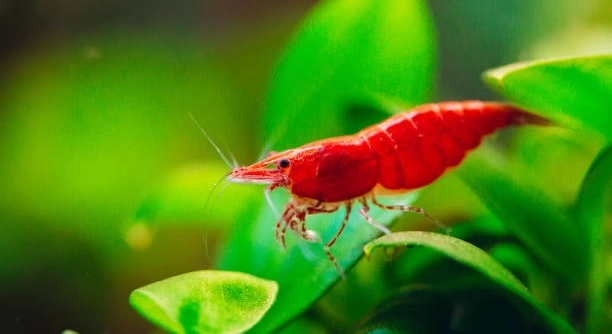
Cherry shrimp are tiny, colorful freshwater creatures that bring life to home aquariums. Many hobbyists enjoy watching them explore, graze, and interact with plants and surfaces in their tanks throughout the day. Their care requires attention.
Cherry shrimp can handle algae wafers occasionally, but feeding them daily is not recommended. Overfeeding can lead to water quality issues and nutritional imbalances. A varied diet including biofilm, vegetables, and occasional wafers supports their health best.
Maintaining their tank environment and understanding proper feeding routines will help your shrimp thrive and stay vibrant in color and activity.
Understanding Algae Wafers and Cherry Shrimp Diet
Algae wafers are a common food for many freshwater species. They are dense, nutrient-rich, and designed to sink, allowing bottom-dwelling creatures like cherry shrimp to graze at their own pace. While convenient, wafers are not a complete food source. Cherry shrimp naturally feed on biofilm, algae, and decaying plant matter. Relying only on wafers can cause nutritional gaps, especially in protein and fiber content. Including blanched vegetables such as zucchini, spinach, or cucumber provides essential vitamins. It’s also important to control the portion size. Too much food leads to uneaten residue, which can decompose and affect water quality. Clean water and a balanced diet are vital for their health, coloration, and activity levels. Observing shrimp behavior can help gauge how much they eat and if the diet meets their needs. Overall, wafers can supplement their meals, but variety is essential for long-term health.
Algae wafers should be offered in moderation to avoid excess waste and water problems.
Feeding cherry shrimp daily with only wafers might seem convenient, but it can quickly lead to problems. Excess uneaten food sinks and decomposes, raising ammonia and nitrite levels, which stress shrimp and promote algae overgrowth. Shrimp may also miss out on nutrients they get from biofilm or vegetables, impacting growth and coloration. Alternating wafers with blanched vegetables or specialized shrimp food ensures they get proper protein, fiber, and vitamins. Observing their eating patterns helps prevent overfeeding. Some shrimp prefer grazing throughout the day rather than consuming a large meal at once. Providing a small portion of wafer occasionally keeps them healthy and active. Maintaining water quality alongside a varied diet is key to their longevity. Overall, wafers are useful, but relying on them daily is not ideal for sustaining a thriving aquarium environment.
Signs Your Shrimp Are Overfed
Shrimp may stop grazing naturally if they are overfed, leaving more waste in the tank.
Overfeeding is easy to spot once you know what to watch for. Uneaten wafers or vegetables that linger for hours or days can cloud water and attract unwanted bacteria. Shrimp themselves may become less active, hiding more than usual or showing dull colors. Frequent molting issues or slowed growth can also indicate an imbalanced diet. Adjusting feeding routines by reducing wafer portions and incorporating natural grazing foods helps restore normal behavior. A clean tank with stable water parameters promotes healthy shrimp activity. Watching their behavior and water conditions closely will guide proper feeding frequency. Over time, a combination of occasional wafers, biofilm growth, and vegetables keeps them vibrant, energetic, and healthy without the risks that come with daily wafer feeding.
Recommended Feeding Schedule
Feeding cherry shrimp once or twice a week with algae wafers is sufficient. Small portions prevent waste buildup and maintain water quality. Supplementing with vegetables or biofilm ensures they get a balanced diet for healthy growth and vibrant color.
Spreading feeding throughout the week helps shrimp graze naturally. They will consume biofilm and leftover food at their own pace, avoiding overeating. Observing how much they finish in a few hours allows you to adjust portions. Rotating vegetables such as zucchini or spinach alongside occasional wafers provides essential vitamins and fiber, supporting molting and overall health. Overfeeding can stress shrimp and harm the tank’s ecosystem, so moderation is key.
Providing a consistent yet varied feeding schedule also encourages active behavior. Cherry shrimp are more likely to explore the tank and interact with plants when food is balanced and limited. Excess daily feeding can lead to lethargy and water issues, which affect shrimp health. Ensuring they have enough biofilm and natural grazing opportunities keeps them engaged and nourished without over-relying on wafers.
Monitoring Shrimp Health
Watch for changes in color and activity to track shrimp health. Dull color or reduced movement often signals overfeeding or poor diet.
Water quality directly affects shrimp health, so maintaining clean conditions is crucial. Uneaten algae wafers can raise ammonia and nitrite levels, stressing shrimp. Regularly checking tank parameters alongside their behavior allows early intervention. Healthy shrimp are active, bright, and feed consistently. If activity slows, removing excess food and adding vegetables or biofilm can restore balance. Observing molting frequency also provides insight, as irregular molts may indicate nutritional deficiencies.
Consistency in diet and environment ensures shrimp remain strong and colorful. Providing small portions of wafers with varied natural foods supports immune function and growth. Adjusting feeding based on observation prevents water issues and promotes long-term well-being. Tracking patterns over time helps identify what works best for your specific tank, avoiding guesswork. Shrimp respond well to routine, and small changes can make a big difference in maintaining their health.
Avoiding Overfeeding
Overfeeding algae wafers can quickly harm your tank’s balance. Uneaten food decays, raising ammonia and nitrite levels, which stress shrimp and other tank inhabitants.
Limiting wafer portions and alternating with vegetables or biofilm prevents water issues. Observing how much your shrimp eat in a few hours helps adjust feeding amounts effectively.
Benefits of a Varied Diet
A varied diet ensures cherry shrimp get all necessary nutrients. Biofilm, algae, and blanched vegetables provide protein, fiber, and vitamins, supporting growth, molting, and vibrant coloration. Over-reliance on wafers can leave gaps in essential nutrients, making shrimp more prone to stress or illness. Consistent variety keeps them active and healthy.
Choosing Quality Algae Wafers
Select wafers with natural ingredients and minimal additives. High-quality wafers support shrimp health and reduce water contamination, complementing a balanced diet.
FAQ
Can cherry shrimp eat algae wafers every day?
Cherry shrimp can eat algae wafers occasionally, but daily feeding is not ideal. Overfeeding can lead to uneaten food, water quality problems, and nutritional gaps. A better approach is feeding wafers once or twice a week and supplementing with vegetables and biofilm for a balanced diet.
What happens if I feed wafers too often?
Feeding too often can raise ammonia and nitrite levels, stressing shrimp and harming tank plants. Shrimp may also become less active or develop dull colors. Uneaten wafers can decompose, encouraging bacteria and algae growth. Limiting wafer intake ensures a cleaner tank and healthier shrimp.
Can I feed cherry shrimp only vegetables instead of wafers?
Vegetables alone can meet many of their nutritional needs, but wafers provide concentrated nutrients that shrimp may not get from plants. A combination of biofilm, vegetables, and occasional wafers is best. Rotating foods ensures shrimp get protein, fiber, and essential vitamins.
How do I know how much to feed?
Offer small portions that shrimp can finish in a few hours. If food remains after this time, remove it to avoid water issues. Observing shrimp behavior and adjusting amounts helps maintain proper feeding habits and prevents overfeeding.
Are all algae wafers safe for cherry shrimp?
Not all wafers are created equal. Some contain additives or fillers that can harm water quality or shrimp health. Choose high-quality wafers with natural ingredients and minimal additives. Always check the label and avoid wafers designed for larger fish, as they may contain ingredients unsuitable for shrimp.
How often should I rotate foods in my shrimp tank?
Rotating foods two to three times a week is effective. Providing vegetables, wafers, and encouraging biofilm growth ensures shrimp get a variety of nutrients. A varied diet supports molting, growth, coloration, and overall health while preventing nutritional deficiencies.
Can overfeeding cause molting problems?
Yes, overfeeding can lead to molting issues. Uneaten food decays, affecting water quality, and can stress shrimp. Poor nutrition from too many wafers and not enough biofilm or vegetables may also slow or complicate molting. Balanced feeding helps maintain healthy molts and growth.
What are natural alternatives to algae wafers?
Blanched vegetables like zucchini, spinach, or cucumber work well. Shrimp also graze on biofilm, which naturally grows in tanks. Occasionally adding specialized shrimp pellets or freeze-dried foods provides extra protein and vitamins without over-relying on wafers.
How do I prevent uneaten wafers from fouling the tank?
Feed small portions and remove leftover wafers after a few hours. Regular tank maintenance, water changes, and monitoring water parameters help prevent waste accumulation and maintain a healthy environment for shrimp and other tank inhabitants.
Is there a visual sign my shrimp need more than wafers?
Shrimp that appear dull, less active, or have irregular molting may need more variety in their diet. Adding vegetables, encouraging biofilm growth, and feeding wafers occasionally can restore their activity, coloration, and overall health.
Can juvenile shrimp eat the same wafers as adults?
Juvenile shrimp can eat wafers, but they may need smaller pieces. Crushing or breaking wafers into tiny portions ensures young shrimp can consume them safely while still benefiting from natural grazing opportunities.
How does water quality affect feeding?
Poor water quality from excess food or decomposing wafers can stress shrimp, reduce feeding efficiency, and affect growth. Regular monitoring, careful feeding, and maintaining a clean tank prevent problems and support healthy shrimp behavior.
Are frozen or freeze-dried foods better than wafers?
Frozen and freeze-dried foods provide protein and nutrients without leaving as much waste as wafers. They are useful supplements to a varied diet, but wafers can still be offered occasionally for added nutrients. Rotating food types ensures balanced nutrition.
Can I feed wafers during breeding?
Feeding wafers sparingly during breeding is acceptable, but vegetables and biofilm remain essential. Overfeeding can stress adults, reduce water quality, and negatively affect juvenile development. A balanced diet supports healthy reproduction and fry growth.
Do shrimp prefer wafers over natural food?
Shrimp will often explore wafers eagerly, but natural grazing is their primary behavior. Wafers are a supplement, not a replacement. Providing both ensures shrimp get nutrients while still exhibiting natural grazing and foraging habits.
What is the best way to introduce wafers to a new tank?
Start with small pieces once the shrimp have acclimated. Observe feeding behavior and water response. Adjust portions gradually, ensuring no excess accumulates. Introduce wafers alongside vegetables and biofilm to maintain a balanced diet from the start.
How long can leftover wafers stay in the tank safely?
Wafers should not remain more than a few hours. If uneaten, they begin to decompose, releasing ammonia and nitrites. Removing leftovers prevents water issues and keeps shrimp healthy. Only feed what can be consumed promptly.
Are there risks to long-term wafer feeding?
Yes, relying on wafers too often can cause nutritional deficiencies, poor coloration, and slower growth. It can also affect water quality, leading to stress and disease. Balanced feeding with vegetables and biofilm mitigates these risks and supports overall shrimp health.
Can shrimp survive without wafers at all?
Yes, shrimp can survive on biofilm, algae, and vegetables alone. Wafers are convenient supplements but are not essential if their tank provides enough natural grazing opportunities and varied food sources. Regular observation ensures nutritional needs are met.
How do I know which wafer brand to trust?
Look for brands specializing in shrimp or small invertebrates. Ingredients should be natural, with minimal fillers or additives. Avoid products meant for larger fish, as they often contain proteins and fats unsuitable for shrimp health. Personal observation of shrimp response also helps choose the right brand.
How often should wafers be given in a mixed tank?
In a tank with fish and shrimp, feed wafers sparingly to avoid overfeeding. Fish often consume most wafers quickly, so offer small portions that shrimp can still access. Rotating with vegetables and natural grazing ensures shrimp receive sufficient nutrition.
Can leftover wafers attract unwanted pests?
Yes, uneaten wafers can attract snails, mold, or bacteria. Removing leftovers promptly and feeding small portions prevents these problems while maintaining water quality for healthy shrimp and other tank inhabitants.
What is the best feeding method for shy or slow shrimp?
Place wafers in shaded areas or near plants where shy shrimp feel safe. Crushing wafers into smaller pieces allows them to access food easily. Observation ensures all shrimp get adequate nutrition without competition from faster tank mates.
How do I balance wafers with natural biofilm growth?
Feed wafers occasionally while leaving surfaces for biofilm to grow naturally. Avoid covering every area with food. This encourages natural grazing behaviors and prevents over-reliance on wafers, supporting both nutrition and shrimp activity.
Can wafers be used to condition shrimp before breeding?
Sparingly feeding wafers alongside vegetables and biofilm can help adults stay healthy and vibrant before breeding. Excessive wafer feeding should be avoided to maintain water quality and prevent stress, which could negatively affect reproduction.
Do shrimp eat wafers immediately or over time?
Shrimp often nibble at wafers over several hours. Breaking wafers into smaller pieces helps them consume food gradually, preventing waste accumulation and water quality issues while ensuring all shrimp have access.
Are wafers more important in tanks without live plants?
In tanks with limited natural grazing options, wafers provide essential nutrients. Still, supplementing with vegetables or other protein sources is necessary to maintain balanced nutrition, growth, and healthy molting cycles.
How does temperature affect wafer consumption?
Shrimp metabolism slows in cooler water, reducing wafer consumption. Feeding should be adjusted accordingly. In warmer conditions, they eat more actively, so portion sizes may need slight increases, always avoiding overfeeding.
Can overfeeding wafers lead to disease?
Yes, poor water quality from decomposing wafers can weaken shrimp immune systems, making them more susceptible to bacterial or fungal infections. Balanced feeding and water monitoring help prevent disease risks.
How long can shrimp go without wafers?
Shrimp can survive for weeks without wafers if biofilm, algae, and vegetables are available. Wafers are a supplement, not a necessity. Ensuring natural grazing opportunities maintains nutrition and healthy behavior.
Do shrimp share wafers fairly among the group?
Shrimp may compete slightly, but in a healthy population with enough food, most individuals access portions. Breaking wafers into smaller pieces helps distribute food evenly and ensures shy shrimp get their share.
Can wafers dissolve too quickly?
Some wafers soften and break down rapidly in water. This is normal, but excessive softening can cause debris and water quality issues. Remove any residue to maintain a clean tank while still allowing shrimp to feed gradually.
Is feeding wafers during water changes okay?
Avoid feeding wafers right before major water changes. Fresh water may disrupt feeding patterns, and leftover wafers can contribute to temporary spikes in ammonia or nitrites. Feed after water conditions stabilize.
Can I combine wafers with powdered shrimp food?
Yes, combining small portions of wafers with powdered or crushed shrimp-specific food ensures variety. This supports growth, molting, and vibrant coloration while minimizing waste and water issues.
Are wafers necessary for a planted tank?
Not always. Live plants support biofilm growth, which provides nutrition. Wafers can supplement protein or trace nutrients but are not strictly required if natural grazing options are sufficient and varied.
How do I gradually introduce wafers to new shrimp?
Start with tiny pieces after acclimation. Observe consumption and remove leftovers. Gradually increase portions while monitoring shrimp response and water quality. Introduce alongside vegetables to establish a balanced diet.
Can wafers help in shrimp color enhancement?
Occasional high-quality wafers provide extra nutrients that may support coloration. However, consistent variety with vegetables, biofilm, and pellets has a greater impact on vibrant colors than relying solely on wafers.
Is it safe to feed wafers during tank cycling?
Feeding wafers during cycling should be minimal. Uneaten food can spike ammonia levels. If shrimp are present, offer tiny portions sparingly while monitoring water quality to avoid stress.
Do frozen vegetables replace wafers effectively?
Frozen vegetables can supplement nutrition but lack the concentrated nutrients wafers provide. Combining both occasionally gives shrimp a balanced diet while keeping water clean.
How often should wafers be offered in a small tank?
In small tanks, overfeeding is easier to do. Offer wafers once or twice a week in very small amounts. Rotate with vegetables and natural grazing to maintain health and prevent water issues.
Are wafers useful for shrimp during winter months?
Yes, during colder months when biofilm growth slows, wafers provide supplemental nutrition. Adjust portion sizes based on shrimp activity and feeding response to avoid water problems.
Can wafers attract mold or fungus?
Yes, uneaten wafers can develop mold or fungus in water. Remove leftovers after a few hours and feed small portions to prevent contamination and maintain shrimp health.
Is it okay to break wafers into pieces?
Breaking wafers into smaller pieces ensures shrimp of all sizes can access food. This reduces waste, prevents larger shrimp from dominating, and allows slow or shy shrimp to feed comfortably.
How do I store wafers to maintain quality?
Keep wafers dry, sealed, and away from heat or humidity. Proper storage prevents mold, preserves nutrients, and ensures they remain safe and effective when fed to shrimp.
Are wafers better than pellets?
Wafers are designed to sink and are convenient for bottom feeders, while pellets may float or disperse faster. Both can be used, but wafers ensure shrimp have access while maintaining a cleaner tank.
Can wafers replace protein in shrimp diet?
Wafers provide some protein, but not all. A combination of biofilm, vegetables, and occasional pellets ensures shrimp get enough protein for growth, molting, and reproduction.
How do I know if wafers are improving shrimp health?
Observe shrimp activity, coloration, and molting frequency. Healthier, active, and brightly colored shrimp indicate their diet, including wafers, is contributing positively. Adjust feeding if changes in behavior or water quality occur.
What is the ideal wafer portion for a community tank?
Small, pea-sized pieces are usually sufficient. Adjust based on shrimp population and tank size. Rotate with vegetables and biofilm to prevent overfeeding and ensure all shrimp receive proper nutrition.
Do wafers affect shrimp lifespan?
Moderate wafer feeding does not harm lifespan. Overfeeding or exclusive wafer diets can reduce health and longevity. Balanced feeding with natural foods is essential for maintaining long, healthy lives.
Can wafers be used to feed baby shrimp?
Crushed wafers can supplement baby shrimp diets, but biofilm and microscopic foods remain critical. Ensure pieces are tiny enough for juveniles to consume safely.
Are there seasonal considerations for feeding wafers?
In warmer months, shrimp eat more actively, so portions may increase slightly. In cooler months, reduce feeding frequency to prevent waste. Always monitor water quality and shrimp behavior for proper adjustments.
Do wafers dissolve faster in warm water?
Yes, warmer water softens wafers more quickly. Monitor feeding closely to prevent excessive debris and water issues while ensuring shrimp have enough access.
How often should wafers be replaced once placed in the tank?
Remove any uneaten wafers after a few hours. Replace only during the next feeding cycle to prevent decay and maintain water quality.
Can wafers be fed in quarantine tanks?
Yes, in quarantine, wafers provide concentrated nutrition, especially if biofilm is limited. Feed small portions to avoid water quality problems in smaller or uncycled tanks.
Is feeding wafers different for freshwater vs. planted tanks?
In planted tanks, wafers supplement natural grazing. In unplanted tanks, wafers provide more essential nutrients, but portion control remains key. Observe shrimp and adjust feeding to prevent water issues.
Do wafers help during shrimp stress or illness?
Occasional wafers provide extra nutrients, but the focus should be on water quality and tank stability. Overfeeding can worsen stress, so feed sparingly and monitor recovery closely.
Can I mix wafers with powdered foods in small tanks?
Yes, combining small amounts of wafers with powdered foods ensures all shrimp, including shy ones, receive nutrients without overwhelming the tank with waste.
Are wafers necessary for shrimp kept in biofilm-rich tanks?
Not strictly. Wafers supplement protein and trace nutrients, but biofilm and vegetables alone can sustain shrimp if grazing opportunities are sufficient. Observe shrimp health to ensure diet meets needs.
Do shrimp store food from wafers?
Shrimp do not store food. They consume what they can access immediately. Offering appropriate portions ensures minimal waste and proper nutrition.
Can over-reliance on wafers cause aggression?
Yes, competition for concentrated wafers can increase minor aggressive behavior. Breaking wafers into pieces and providing additional grazing areas reduces conflict.
Are wafers suitable for all shrimp species?
Most dwarf and cherry shrimp can eat wafers, but some larger or specialized species may require alternative foods. Always check species-specific dietary needs.
How do I prevent wafers from floating away?
Place wafers under plants, on rocks, or use a feeding ring to keep them accessible to bottom-dwelling shrimp. This prevents waste and ensures proper consumption.
Do wafers affect water hardness or pH?
High-quality wafers have minimal impact, but overfeeding can alter water chemistry indirectly by decomposing. Maintain proper feeding and water monitoring to avoid changes.
Can wafers be used in shrimp tanks with snails?
Yes, but snails may consume wafers quickly. Offer portions that shrimp can reach and consider separate feeding if snail competition is high.
How often should wafers be offered in shrimp-only tanks?
Once or twice a week in small amounts is sufficient. Rotate with vegetables and encourage biofilm growth for a balanced diet and healthy shrimp behavior.
Can wafers be fed alongside live foods?
Yes, live foods such as daphnia or micro worms complement wafers. This adds protein variety and supports growth, molting, and overall vitality.
Do wafers affect shrimp breeding success?
Balanced wafer use alongside vegetables and biofilm supports reproductive health. Excessive wafers may reduce water quality, indirectly affecting breeding outcomes.
Are wafers helpful for shrimp color enhancement during molting?
Occasional high-quality wafers provide nutrients that support coloration, but consistent access to varied foods and clean water is more important for vibrant colors post-molt.
How do I adjust wafer feeding for a crowded tank?
Reduce portion sizes to avoid overfeeding and water issues. Rotate feeding with vegetables and biofilm to ensure all shrimp get nutrition without excess waste accumulation.
Can wafers replace all solid foods in the tank?
No, wafers are supplements. A combination of biofilm, vegetables, and occasional pellets ensures shrimp receive all necessary nutrients and encourages natural grazing behaviors.
Do wafers affect shrimp lifespan if fed incorrectly?
Improper feeding, including over-reliance on wafers, can shorten lifespan due to stress, poor nutrition, and water quality problems. Balanced feeding preserves long-term health and activity.
Are wafers suitable for shrimp kept in tanks with low biofilm?
Yes, wafers supplement nutrients, especially protein, when biofilm is scarce. Still, include vegetables or other protein sources for a balanced diet.
Can wafers cause algae blooms?
Yes, uneaten wafers decompose and release nutrients that promote algae growth. Feeding small amounts and removing leftovers prevents this issue.
Do wafers provide enough calcium for molting?
Some wafers contain calcium, but additional sources like cuttlebone or mineral supplements are recommended to support strong exoskeletons during molting.
How do I safely feed wafers to baby shrimp?
Crush wafers into tiny pieces or powder. Offer in small amounts to avoid water contamination while ensuring juveniles can access nutrients alongside biofilm and microscopic foods.
Can wafers be left overnight?
No, uneaten wafers left overnight can decay, raising ammonia and nitrites. Feed only what shrimp can consume within a few hours.
Do wafers affect shrimp aggression toward each other?
Minor competition can occur for concentrated wafers. Breaking wafers into smaller pieces and distributing in multiple areas reduces conflicts and ensures equitable feeding.
Are wafers safe for shrimp with sensitive stomachs?
High-quality wafers with natural ingredients are generally safe, but observe shrimp response. If digestive issues occur, reduce portions and increase vegetables or biofilm instead.
How do I prevent wafers from fouling filter media?
Feed small portions away from strong currents. Remove uneaten pieces promptly to prevent them from getting trapped in filters and decomposing.
Feeding cherry shrimp is simpler than it might seem at first, but it requires attention to both diet and water quality. Algae wafers can be a useful part of their nutrition, but they should never be the main food. Shrimp naturally feed on biofilm, algae, and decaying plant matter, so providing opportunities for them to graze is essential. Overfeeding wafers can quickly lead to uneaten food that decomposes, raising ammonia and nitrite levels, which can stress shrimp and impact their health. Including blanched vegetables like zucchini, spinach, or cucumber adds essential vitamins and fiber, supporting growth, molting, and overall vitality. Observing how much your shrimp eat in a few hours helps determine the right portion size. A small amount of wafer once or twice a week is usually enough, with the rest of their diet coming from natural grazing and supplemental vegetables. This approach prevents waste, keeps water clean, and supports active, healthy shrimp.
Maintaining water quality is just as important as choosing the right foods. Uneaten wafers left in the tank can decompose quickly, creating spikes in ammonia or nitrite that can harm shrimp and other tank inhabitants. Regular water testing and partial water changes help maintain a stable environment. Shrimp are sensitive to sudden changes in water parameters, so balancing feeding with proper tank maintenance is critical. In addition to wafers, encouraging natural biofilm growth allows shrimp to feed continuously without overloading the tank with processed food. Placing wafers in shaded or protected areas can help shy or slower shrimp access food, ensuring all individuals get proper nutrition. Observing shrimp behavior and activity levels provides clues about their health and dietary needs. Active, colorful shrimp that graze regularly are a good sign that the feeding routine is working well.
Variety is key for long-term shrimp health and vibrancy. While wafers provide concentrated nutrients, they cannot replace the diversity found in biofilm and vegetables. Rotating foods and offering a mix of natural and supplemental options ensures shrimp get all the protein, fiber, and vitamins they need. Juvenile shrimp benefit from smaller portions or crushed wafers, while adults can handle whole pieces. Monitoring their color, molting patterns, and activity helps adjust feeding practices over time. Over-reliance on wafers can lead to dull coloration, slower growth, or molting problems, while a balanced approach promotes healthy development. By feeding wafers sparingly, supplementing with vegetables, and maintaining clean water, cherry shrimp can thrive in a vibrant, active, and safe environment. This combination of careful feeding, observation, and tank management supports their long-term well-being while keeping maintenance simple and manageable.

Hello,
If you enjoy the content that we create, please consider saying a "Thank You!" by leaving a tip.
Every little bit helps us continue crafting quality advice that supports the health, happiness, and well-being of pets around the world, for pets of all shapes, sizes, and species.
We really appreciate the kindness and support that you show us!