
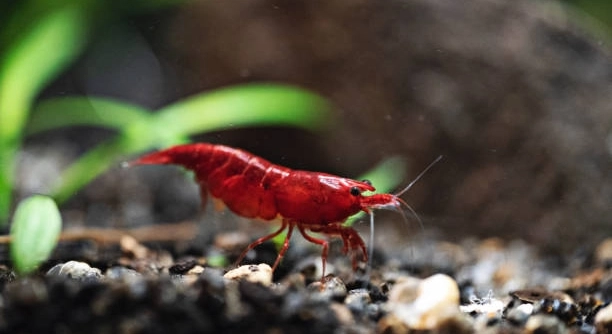
Do you ever notice your cherry shrimp hiding when the lights are on, leaving their food untouched for hours? Many shrimp keep a low profile during the day, quietly exploring their tank while avoiding attention.
Cherry shrimp often stop feeding during daylight hours due to their natural diurnal rhythm and sensitivity to light. Bright conditions trigger stress responses, causing them to retreat to shelters and feed primarily during low-light periods, such as early morning or evening.
Observing their habits can help you create a feeding routine that matches their natural activity, supporting healthier shrimp and a more balanced aquarium environment.
Common Reasons Cherry Shrimp Stop Eating During the Day
Cherry shrimp are sensitive creatures, and their feeding habits are closely tied to their environment. Bright light, sudden movements, or vibrations in the tank can make them retreat into hiding, leaving food untouched. Water conditions also play a significant role. High levels of ammonia, nitrites, or nitrates can stress shrimp and suppress appetite. Temperature fluctuations may also affect their activity. Even changes in tank décor or placement of new plants can trigger a temporary feeding halt. Some shrimp naturally prefer feeding during dusk or dawn, so daytime inactivity is often normal. Providing hiding spots, maintaining stable water parameters, and avoiding sudden disruptions will encourage more consistent feeding. Over time, observing patterns can help you understand when they are most active. Feeding in low-light periods can mimic their natural habits and promote better growth and coloration. Gentle handling and careful maintenance are key to creating a calm environment.
Adjusting lighting and feeding schedules can encourage shrimp to eat without forcing them into activity they avoid.
Regular monitoring of water quality and minimal disturbance help maintain shrimp health. Adjusting tank lighting to softer levels and feeding during early morning or evening encourages feeding while reducing stress. Avoid overfeeding during the day, as leftover food can foul the water. Consistent temperature, stable pH, and the right balance of minerals also influence appetite. Observing shrimp individually allows recognition of patterns in behavior and activity. Incorporating safe hiding spots such as moss, plants, or small caves gives shrimp security and promotes comfort. Feeding small amounts multiple times a day aligns with their natural rhythm. Gradually, shrimp will develop a routine that balances safety and nutrition. These measures support molting cycles and reproductive health. Over time, a stable environment reduces stress and encourages regular feeding, resulting in more vibrant, active shrimp. Tank management, careful observation, and appropriate feeding schedules ensure shrimp remain healthy and engaged.
Feeding Strategies for Shy Cherry Shrimp
Feeding at low-light periods works best for shy shrimp, reducing stress and encouraging natural behavior.
Using sinking pellets or small portions ensures the food reaches hidden shrimp. Spreading food around the tank allows multiple shrimp to feed safely without competition. Rotating types of food, such as algae wafers, blanched vegetables, or specialized shrimp food, can maintain interest and nutritional balance. Observing shrimp during feeding reveals their preferred spots and patterns. Removing uneaten food after a few hours prevents water contamination. Gradually increasing feeding frequency during evening hours can reinforce their comfort with eating in the open. Combining environmental adjustments with careful feeding strategies ensures that shy shrimp get enough nutrition while feeling secure. Over time, this approach supports healthier growth, molting, and breeding success. Maintaining stability in lighting, temperature, and water quality is essential, as even minor stressors can alter feeding patterns. By catering to their natural rhythm and providing a calm, structured environment, shrimp will gradually become more confident and active, creating a balanced, thriving aquarium ecosystem.
Tank Environment Factors
Water temperature and pH have a direct effect on cherry shrimp appetite. Sudden changes can stress them, causing them to stop feeding. Proper filtration and gentle water flow reduce disturbances. Dense plant coverage and hiding spots help shrimp feel secure, encouraging regular eating even during daylight.
Maintaining stable water parameters is essential for consistent feeding behavior. Cherry shrimp thrive in temperatures between 72 and 78°F and a pH range of 6.5 to 7.5. Sudden shifts can trigger hiding and inactivity. Plants, moss, and decorations provide security and reduce stress from bright light or movement. Filtration should avoid strong currents, as excessive flow discourages movement and feeding. Regular monitoring ensures a stable, comfortable environment that promotes natural feeding rhythms. Low-stress conditions encourage shrimp to explore and eat throughout the day and evening, supporting growth and vitality.
Lighting placement also plays a role in shrimp activity. Direct bright light can force them into hiding, while softer, diffused lighting encourages feeding. Positioning lights on a timer helps mimic natural day-night cycles, which aligns with their instinctual behavior. Adjusting intensity gradually and providing shaded areas within the tank allows shrimp to feed at their own pace. Combining gentle lighting with strategic plant cover reduces stress, making shrimp more likely to consume food consistently. Careful observation of individual behavior helps fine-tune these adjustments, ensuring a balanced tank that meets the shrimp’s natural needs. Consistency in environment leads to healthier, more active shrimp populations.
Food Type and Feeding Schedule
Shrimp prefer small, nutrient-rich foods that sink slowly. Overfeeding or large portions can overwhelm them and discourage eating. Feeding at consistent times supports natural habits and reduces stress.
Offering a variety of foods maintains interest and provides balanced nutrition. Algae wafers, blanched vegetables, and commercial shrimp pellets supply essential nutrients without polluting water. Feeding small amounts multiple times per day mimics natural grazing patterns. Uneaten food should be removed promptly to prevent water quality issues. Observing which foods are favored helps refine diet choices and timing. Regular, predictable feeding routines reinforce comfort and reduce stress, encouraging shrimp to feed more consistently during low-light periods. Rotating food types prevents boredom and ensures comprehensive nutrition. This approach supports molting, coloration, and reproductive health while maintaining a clean, stable tank.
Timing and portion control are critical for encouraging daytime feeding. Feeding just before lights dim or in the early morning aligns with their natural rhythm. Small, measured portions reduce the risk of leftover food, preventing contamination and maintaining water quality. Shrimp will gradually adjust to these schedules and begin feeding more confidently during daylight. Combining proper timing, varied food, and environmental stability ensures they receive sufficient nutrition without stress. Regular observation and incremental adjustments to feeding practices allow for continued adaptation to tank conditions. Over time, shrimp become more active, healthier, and maintain steady growth, creating a balanced ecosystem.
Stress and Disturbances
Frequent tank activity or sudden movements can stress cherry shrimp, causing them to stop feeding. Even minor vibrations or tapping on the glass may trigger hiding. Maintaining a calm environment reduces stress and encourages natural feeding behavior.
Water quality issues also create stress. High ammonia, nitrite, or nitrate levels can make shrimp retreat and avoid food. Regular testing and careful maintenance help prevent these problems. Stable conditions promote comfort and allow shrimp to feed confidently during low-light periods without fear of harm.
Molting Cycles
During molting, cherry shrimp often stop eating to focus on shedding their old exoskeleton. This process is critical for growth and regeneration. They need safe hiding places to avoid aggression from tank mates. Stress or poor water conditions during molting can delay recovery and feeding, so providing a stable environment is essential.
Observation and Adjustment
Watching shrimp closely helps identify patterns in feeding behavior. Adjusting feeding times, portion sizes, and tank conditions based on these observations ensures shrimp receive proper nutrition consistently.
FAQ
Why do my cherry shrimp only eat at night?
Cherry shrimp are naturally more active during low-light periods. Their instincts drive them to avoid bright daylight, which can make them feel vulnerable. Feeding at dawn, dusk, or night aligns with their natural rhythm, allowing them to eat safely while staying hidden from perceived threats.
Can I encourage daytime feeding?
Yes, but it requires a careful approach. Dimming tank lights or providing shaded areas allows shrimp to feel secure during the day. Feeding smaller portions and placing food near hiding spots can make them more comfortable eating while the lights are on. Patience and consistency are essential.
How much should I feed cherry shrimp?
Small, controlled portions multiple times a day are best. Overfeeding can foul water and stress shrimp, while underfeeding may stunt growth. Feed only what they can consume in a couple of hours, then remove leftovers to maintain water quality and encourage consistent feeding habits.
Does tank size affect feeding behavior?
Tank size can influence shrimp activity and feeding patterns. Larger tanks may provide more hiding spaces, which can make daytime feeding less frequent. In smaller tanks, shrimp may feel more exposed and feed cautiously. Proper decoration and secure hiding spots help shrimp feel safe in any tank.
How does water quality impact feeding?
Poor water quality is a common reason shrimp stop eating. High ammonia, nitrite, or nitrate levels, as well as improper pH, can stress shrimp. Keeping water stable, clean, and within the preferred ranges ensures shrimp remain active and feed consistently. Regular monitoring is critical for their health.
Do cherry shrimp eat all types of food?
Shrimp can be picky, preferring small, sinking foods. Algae wafers, blanched vegetables, and specialized shrimp pellets provide balanced nutrition. Offering a variety of foods helps maintain interest and supports overall health. Avoid foods that dissolve quickly or cloud the water, as these can stress shrimp.
Does molting affect appetite?
Yes. During molting, shrimp stop feeding to focus on shedding their exoskeleton. They seek hiding spots to protect themselves from aggression. After molting, their appetite returns gradually. Ensuring stable water conditions and safe hiding places supports recovery and proper feeding.
How can I tell if shrimp are stressed?
Signs of stress include hiding for long periods, erratic swimming, or refusing food even at optimal feeding times. Stress can result from bright light, poor water quality, or sudden tank changes. Addressing these factors helps shrimp regain normal feeding patterns.
Can feeding schedules improve shrimp health?
Yes. Feeding at consistent times helps shrimp establish routines, reduces stress, and promotes growth. Observing shrimp to determine peak activity periods allows for feeding when they are most likely to eat, ensuring proper nutrition and supporting molting and reproduction.
Should I use live plants for feeding benefits?
Live plants provide grazing surfaces for biofilm and algae, which shrimp naturally feed on. This supplements their diet and encourages activity. Plants also offer hiding spots, reducing stress and making shrimp more comfortable feeding during both day and night.
Is it normal for some shrimp to eat more than others?
Yes, individual shrimp may feed at different times or in different quantities. Providing multiple feeding spots and spreading portions prevents competition. Observing patterns helps identify underfed shrimp, ensuring all individuals receive proper nutrition without disturbing the group.
Can changing the tank setup affect feeding habits?
Rearranging decorations or adding new plants can temporarily disrupt feeding. Shrimp may hide more until they adjust to the changes. Gradual modifications and careful observation reduce stress, allowing shrimp to resume regular feeding behavior while adapting to the updated environment.
How long should I wait before adjusting feeding routines?
Observe shrimp for at least a week before making changes. They may take time to adjust to new lighting, food, or tank conditions. Gradual adjustments help maintain stability, preventing sudden stress that could further suppress feeding.
Do shrimp prefer certain types of algae?
Cherry shrimp often favor naturally occurring algae in the tank. Supplementing with algae wafers or blanched vegetables ensures balanced nutrition. Rotating food types keeps them engaged and supports growth, coloration, and overall health, even if natural algae is limited.
Can stress from tank mates reduce feeding?
Yes. Aggressive or fast-moving tank mates can scare shrimp and make them hide during feeding times. Providing sufficient hiding places and monitoring interactions ensures shrimp feel safe enough to eat. Adjusting tank mates or feeding locations can help maintain regular feeding patterns.
Is temperature a factor in feeding behavior?
Temperature affects metabolism and activity. Shrimp prefer stable temperatures between 72 and 78°F. Sudden drops or spikes can reduce appetite. Maintaining a consistent temperature helps shrimp remain active, supports proper feeding, and prevents stress-related hiding behavior.
How do I know if shrimp are getting enough food?
Healthy shrimp are active, show bright coloration, and molt regularly. Uneaten food should be minimal after feeding periods. Observing behavior, growth, and molting cycles provides a clear indication of whether they are receiving adequate nutrition. Adjust feeding portions gradually as needed.
Can stress from bright lights be completely prevented?
While total prevention isn’t necessary, providing shaded areas, dim lighting, and consistent light cycles minimizes stress. Gradual light changes mimic natural conditions, allowing shrimp to feed comfortably without retreating. Careful placement of hiding spots further supports their sense of security.
Does water hardness influence feeding?
Moderate water hardness supports molting and overall health, indirectly affecting feeding behavior. Soft or very hard water can stress shrimp and reduce appetite. Testing and adjusting water hardness ensures shrimp remain active and feed regularly while maintaining proper exoskeleton development.
Are shrimp sensitive to vibrations during feeding?
Yes, vibrations from taps, movement, or nearby equipment can cause shrimp to hide and ignore food. Minimizing disturbances during feeding periods ensures shrimp feel safe, promoting consistent eating habits and reducing stress in the tank environment.
Can feeding frequency impact water quality?
Overfeeding leads to uneaten food, which decomposes and pollutes the water. Small, frequent feedings reduce leftover food, maintain water quality, and support healthy feeding routines. Observing shrimp response helps determine the optimal frequency and portion sizes for a clean, balanced tank.
How do I adjust feeding if shrimp hide often?
Feed during low-light periods or near hiding spots. Small portions reduce stress and encourage shy shrimp to eat. Over time, they may become more comfortable and gradually feed during brighter periods if environmental conditions remain stable. Observation and patience are essential.
Does shrimp age affect feeding patterns?
Younger shrimp are more active and may feed more frequently, while older shrimp eat less and are more cautious. Adjusting food type, portion size, and timing helps meet the needs of all age groups, ensuring proper nutrition and growth across the tank population.
How can I prevent feeding-related water problems?
Remove uneaten food promptly, avoid overfeeding, and provide appropriate portion sizes. Using sinking foods and feeding near hiding areas ensures shrimp consume food efficiently, maintaining water quality while supporting healthy feeding habits and reducing stress for all tank inhabitants.
Cherry shrimp are small, delicate creatures whose feeding behavior can seem puzzling at first. Many owners notice that shrimp often ignore food during the daytime, retreating to hiding spots and remaining inactive. This behavior is a natural response to their environment, as cherry shrimp instinctively avoid bright light and potential disturbances. They are more active during low-light periods, which allows them to feed safely while staying protected. Understanding this natural rhythm is important for anyone maintaining a tank, as it helps create an environment that supports shrimp health and consistent feeding. By observing their patterns and respecting their preferences, you can ensure your shrimp remain active, healthy, and well-nourished without causing unnecessary stress.
The tank environment plays a critical role in shrimp behavior. Water quality, temperature, and pH must be monitored and maintained within appropriate ranges. Sudden fluctuations or poor conditions can cause stress, which may lead to shrimp stopping their feeding entirely. Providing adequate hiding spots, plants, and decorations also gives shrimp a sense of security, allowing them to venture out and feed with confidence during their active periods. Feeding practices are equally important. Offering small, nutrient-rich portions multiple times a day, especially during early morning or evening, encourages natural feeding behavior. Overfeeding or leaving excess food in the tank can harm water quality and reduce appetite, while carefully timed and measured feeding supports healthy growth, molting, and coloration.
Behavioral observations are a helpful tool in managing shrimp care. By paying attention to patterns in feeding, hiding, and activity, you can adjust feeding schedules, lighting, and tank arrangements to match shrimp needs. Patience is key, as changes in behavior often take time to stabilize. Stressors such as bright light, vibrations, or aggressive tank mates can temporarily reduce feeding, but providing a stable, calm environment will allow shrimp to return to normal routines. Over time, consistent care, proper feeding, and attentive observation create a thriving tank where shrimp feed naturally, grow well, and display their vibrant colors. Focusing on these practical steps ensures that cherry shrimp remain healthy, active, and comfortable in their aquatic habitat.

Hello,
If you enjoy the content that we create, please consider saying a "Thank You!" by leaving a tip.
Every little bit helps us continue crafting quality advice that supports the health, happiness, and well-being of pets around the world, for pets of all shapes, sizes, and species.
We really appreciate the kindness and support that you show us!