
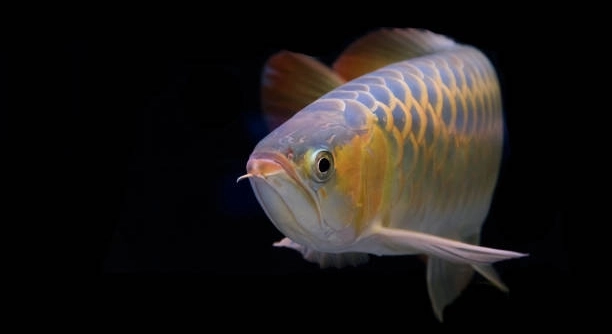
Are your arowana’s movements lately seeming unusual, swimming in tight circles around the tank? Many fish owners notice this behavior and wonder if it signals stress, illness, or simply a quirk of their aquatic pet’s personality.
Arowanas swimming in tight circles most often indicate stress, poor water quality, or underlying health issues. Factors such as inadequate tank size, improper temperature, or parasitic infections can trigger this repetitive swimming pattern in the fish.
Observing your arowana closely can reveal clues about its environment and health. Small adjustments and careful monitoring often improve behavior and overall wellbeing over time.
Common Causes of Tight Circle Swimming
One of the main reasons arowanas swim in tight circles is stress. Stress can be caused by sudden changes in water temperature, poor water quality, or even loud noises near the tank. Overcrowding in the aquarium can also make your fish feel confined and anxious. Sometimes, the tank layout itself can affect swimming patterns. Sharp decorations or a lack of hiding spots may make your arowana feel unsafe, prompting repetitive circling. Diet can also play a role; improper nutrition may weaken the fish, making it more prone to abnormal behaviors. Parasites or infections often affect the nervous system, leading to unusual swimming. Even seemingly minor changes, like introducing new tank mates, can disrupt their routine. Observing your fish daily helps identify patterns and potential triggers. Maintaining a calm, stable environment reduces stress and promotes healthier swimming behavior in the long run.
Stress and poor tank conditions are primary factors influencing arowana circling behaviors. Addressing these elements often resolves the issue.
Regular water testing, proper feeding, and ensuring enough space make a significant difference. Consistent monitoring helps prevent future problems and supports the fish’s health.
Health Issues Affecting Arowanas
Parasites, bacterial infections, or internal injuries can alter an arowana’s swimming patterns. Even minor health issues can cause repetitive circling. The fish may show other signs, such as loss of appetite, faded colors, or unusual spots. Early detection is essential to prevent the condition from worsening.
Treating health problems requires proper diagnosis and care. Consult an aquatic veterinarian if your arowana shows signs of illness. Parasites often need medication, while bacterial infections may require specific water treatments. Nutritional adjustments can strengthen the immune system, helping the fish recover faster. In some cases, circling behavior results from injury or neurological issues, which may need targeted interventions. Keeping the aquarium clean, monitoring water parameters, and avoiding sudden changes reduce the risk of illness. Observing how your arowana interacts with its environment can provide clues about its condition. Consistency in care and a calm environment support overall recovery, allowing your arowana to regain normal swimming patterns and improve quality of life.
Tank Environment Considerations
Arowanas need a large, open tank to swim comfortably. Small or cluttered spaces often lead to tight circle swimming. Proper filtration and stable water conditions are essential for their health.
Ensuring enough swimming space is critical. Arowanas are large, active fish that require length and depth to move naturally. Decorations should not block their path or create sharp corners. Consistent water parameters, including temperature, pH, and cleanliness, prevent stress and health issues. Regular water changes and adequate filtration maintain a stable environment. Lighting should mimic natural day-night cycles to support normal behavior. Observing how the fish uses the space helps determine if adjustments are needed. Sometimes, simply rearranging decorations or removing obstacles can stop repetitive circling.
Water quality is equally important. Accumulated waste, unbalanced pH, or low oxygen levels can trigger stress responses. Monitoring ammonia, nitrite, and nitrate levels ensures the tank remains safe. Aeration, proper filtration, and routine cleaning keep the water healthy. Introducing plants or hiding spots provides comfort without restricting movement. A balanced diet complements environmental care, promoting strong health. Paying attention to these details often resolves tight circle swimming and supports long-term wellbeing.
Feeding and Diet Adjustments
Overfeeding or an unbalanced diet can affect swimming behavior. Nutrient deficiencies or digestive issues may cause discomfort, prompting repetitive movement.
Feeding practices directly impact an arowana’s health and behavior. High-quality, varied diets are essential. Protein-rich foods like live or frozen fish, shrimp, or insects provide energy and support growth. Avoid excessive feeding, which can lead to obesity, water pollution, and abnormal swimming. Monitoring appetite and observing digestion helps identify dietary problems early. Supplements like vitamins or minerals may be necessary if deficiencies are detected. Rotating food types ensures the fish receives balanced nutrition. Treating food gently—avoiding spoiled or contaminated items—prevents illness. Feeding at consistent times establishes routine and reduces stress.
Diet also interacts with tank conditions. Poor water quality worsens the effects of overfeeding, causing discomfort and unusual swimming. Live foods should be sourced carefully to avoid introducing parasites. A balanced diet strengthens immunity, helping the arowana resist infections and recover from minor health issues. Observing the fish’s response after dietary adjustments indicates effectiveness. Combined with a clean, spacious environment, proper feeding supports normal swimming patterns and overall vitality.
Lighting and Tank Placement
Arowanas are sensitive to light and external disturbances. Bright, fluctuating lights or direct sunlight can stress them. Positioning the tank in a calm, stable area helps reduce erratic swimming.
Consistent lighting cycles support natural behavior. Using a timer for day and night periods prevents sudden changes. Avoid placing the tank near windows, vents, or high-traffic areas, which can startle the fish. Even small shadows or reflections may trigger circling behavior. Soft, diffused lighting creates a comfortable environment and encourages normal activity.
Observing Behavioral Patterns
Watching your arowana’s swimming closely helps identify stressors or health issues. Patterns often indicate specific problems or environmental triggers. Paying attention to feeding times, interactions with tank mates, and activity levels provides insight.
Medical Intervention
If abnormal circling persists despite environmental adjustments, professional evaluation is necessary. A veterinarian can diagnose infections, parasites, or neurological problems early.
FAQ
Why does my arowana swim in tight circles only at certain times of the day?
Arowanas are sensitive to changes in light, temperature, and activity around the tank. They may circle more when the environment is noisy, when lights are turned on or off, or when people are moving nearby. Observing these patterns can help identify triggers and reduce stress.
Can tank size cause tight circle swimming?
Yes. Arowanas need long, open swimming areas. Tanks that are too small or cluttered with decorations can restrict movement, causing the fish to swim in tight circles repeatedly. Increasing space or rearranging obstacles often improves swimming behavior.
Could poor water quality be the reason?
Absolutely. High ammonia, nitrite, or nitrate levels, low oxygen, and unstable pH can stress arowanas. Regular water testing, filtration maintenance, and consistent water changes are essential to prevent stress-induced circling. Clean, stable water encourages natural swimming patterns.
Does diet influence this behavior?
Yes. Overfeeding or feeding an unbalanced diet can cause digestive discomfort, leading to unusual swimming. High-quality protein sources like shrimp, fish, or insects are important. Feeding smaller amounts more frequently can prevent bloating and improve overall health.
Are parasites or infections common causes?
Yes, parasitic infestations, bacterial infections, or internal injuries can lead to circling. Look for other signs like faded colors, lethargy, or loss of appetite. Early detection and treatment, often with medications prescribed by a veterinarian, are crucial for recovery.
Can tank placement affect circling behavior?
Yes. Tanks near windows, vents, or high-traffic areas can startle fish. Sudden movements, shadows, or reflections may trigger repetitive swimming. Placing the tank in a quiet, stable area with consistent lighting helps reduce stress and abnormal behavior.
Will rearranging tank decorations help?
Sometimes. Sharp corners, tightly packed decorations, or insufficient hiding spots can make arowanas feel unsafe. Removing obstacles and providing open swimming space often reduces tight circle swimming while still offering comfort and security.
Is this behavior harmful to my arowana?
It can be if it indicates stress or health problems. Prolonged tight circling may lead to exhaustion or injury. Monitoring behavior, water quality, and health signs, while making necessary adjustments, helps ensure the fish remains healthy and active.
How do I know if my arowana needs a veterinarian?
If circling continues despite proper tank setup, water conditions, and diet, or if the fish shows other symptoms such as loss of appetite, spots, or lethargy, professional evaluation is needed. Early intervention often prevents more serious health issues.
Can stress alone cause tight circle swimming?
Yes. Environmental stressors such as sudden changes in temperature, loud noises, or overcrowding can trigger repetitive swimming. Maintaining a calm, stable tank environment, along with proper diet and water quality, usually reduces stress-induced behavior.
How long does it take for behavior to improve?
Improvement varies depending on the cause. Environmental adjustments may show results within days to weeks. Health-related issues may take longer depending on treatment and recovery. Patience, consistent care, and observation are key to supporting your arowana’s wellbeing.
Are there ways to prevent this behavior in the future?
Providing a spacious tank, maintaining stable water conditions, offering a balanced diet, and minimizing sudden changes or disturbances are effective preventive measures. Regular monitoring of behavior and health allows you to address potential problems before they escalate.
Does tank temperature play a role?
Yes. Arowanas prefer stable water temperatures suited to their species. Sudden fluctuations can cause stress, leading to abnormal swimming. Using a reliable heater and thermometer ensures consistent conditions, which supports normal activity and reduces tight circle swimming.
Is it normal for young arowanas to circle more than adults?
Young fish may be more active and exploratory, which can sometimes look like tight circling. However, persistent repetitive swimming in juveniles still requires attention to tank size, water quality, and diet to ensure healthy development.
Can multiple causes be responsible at the same time?
Yes. Circling behavior often results from a combination of stress, environmental issues, diet, and health problems. Addressing all potential factors together usually produces the best results and restores natural swimming patterns efficiently.
What should I do first if I notice this behavior?
Start with water testing, checking temperature, and ensuring tank space is sufficient. Observe feeding habits and signs of illness. Make small, consistent adjustments while monitoring the fish. If the behavior persists, consult a veterinarian for professional guidance.
How do I monitor progress effectively?
Keep a daily log of swimming patterns, feeding response, and interactions with tank mates. Note any changes in water quality, tank layout, or diet. Regular observation helps identify improvements or ongoing issues, making it easier to address problems promptly.
Are there natural ways to reduce stress in arowanas?
Providing hiding spots, maintaining calm surroundings, stable lighting, and predictable feeding schedules help reduce stress. Minimizing sudden disturbances and keeping tank conditions consistent encourages comfort and natural swimming behavior.
Can tank mates influence tight circle swimming?
Yes. Aggressive or territorial tank mates can stress arowanas, causing them to swim in tight circles to escape or avoid confrontation. Monitoring interactions and separating incompatible fish helps maintain a peaceful environment and reduces abnormal behavior.
Does circling always indicate a serious problem?
Not always. Occasional circling can be normal exploratory behavior. Persistent or intense circling, especially with other signs of stress or illness, indicates a problem that needs attention. Understanding patterns and context is important to determine the severity.
Are there long-term effects if the behavior continues?
Prolonged circling can lead to exhaustion, injury, or worsened health if underlying issues are not addressed. Early intervention and consistent care minimize risks and support your arowana’s long-term health, activity, and lifespan.
Can lighting changes correct circling behavior?
Yes. Using soft, consistent lighting with predictable day-night cycles reduces stress and can decrease repetitive circling. Sudden or intense lighting changes should be avoided to maintain a comfortable environment.
How do I combine diet and environment adjustments?
Balanced nutrition supports immune function, while proper tank conditions reduce stress. Together, these improvements enhance overall wellbeing, correct abnormal swimming, and prevent future behavior issues. Observing responses to both changes helps determine effectiveness.
Is it important to rotate food types?
Yes. Rotating protein sources like shrimp, fish, and insects ensures balanced nutrition and prevents boredom. Variety in diet supports growth, health, and reduces stress-related behaviors like tight circling.
How often should water parameters be checked?
Testing weekly is a good starting point, but frequency may increase for sensitive fish or new setups. Monitoring ammonia, nitrite, nitrate, pH, and temperature ensures stable conditions and helps prevent stress-induced circling.
Do supplements help with circling behavior?
Vitamins or minerals can strengthen immunity and support recovery if deficiencies exist. They are not a replacement for proper diet and environmental care but can be a helpful addition under guidance.
Can circling indicate neurological issues?
Yes. In some cases, internal injuries, infections, or genetic conditions may affect coordination. Professional evaluation is required to diagnose and treat neurological problems effectively.
Are there preventive measures for tank setup?
Choosing a large, open tank, arranging decorations to allow swimming space, and minimizing sudden disturbances are key preventive measures. Stable water parameters and consistent lighting also support normal behavior.
How long should I observe before making major changes?
Observe for several days to identify patterns before making significant adjustments. Gradual changes reduce stress and allow you to pinpoint causes more accurately, ensuring the best response from your arowana.
Is it common for multiple arowanas to circle together?
If multiple fish circle, it often points to environmental stressors like poor water quality, overcrowding, or inadequate space. Individual health issues can also spread tension. Addressing overall tank conditions usually resolves the behavior.
What is the best overall approach to prevent circling?
Combine stable tank conditions, balanced diet, adequate space, stress reduction, and regular health monitoring. Consistent care and observation are key to maintaining natural swimming behavior and long-term health.
Final Thoughts
Watching an arowana swim in tight circles can be worrying, but it often signals something about its environment or health rather than an immediate emergency. Many of these behaviors are linked to stress, whether from poor water quality, limited space, sudden changes in temperature, or loud disturbances near the tank. Paying attention to these signals is important because arowanas are large, sensitive fish that rely on stable conditions to thrive. Understanding their natural needs, including proper tank size, water parameters, and gentle handling, helps reduce stress and prevents repetitive swimming behaviors from becoming chronic. Small adjustments, like rearranging decorations, providing hiding spots, or relocating the tank to a quieter area, can make a significant difference in how comfortable the fish feels.
Diet and nutrition also play a key role in the overall wellbeing of an arowana. Overfeeding or an unbalanced diet can cause digestive issues, discomfort, and even affect behavior. Protein-rich foods, including live or frozen shrimp, fish, and insects, provide essential nutrients for energy and growth. Feeding smaller portions consistently and avoiding spoiled or low-quality foods helps maintain digestive health. Supplementing with vitamins and minerals, if necessary, supports immunity and strengthens resistance to minor illnesses. When combined with proper tank care, a balanced diet promotes both physical and behavioral health. Observing how the fish responds to feeding routines and diet changes often provides insights into its wellbeing and can help address circling behaviors.
Finally, health monitoring and early intervention are critical. Persistent tight circle swimming may indicate an underlying illness, parasitic infection, or neurological issue that requires professional attention. Observing appetite, coloration, interactions with tank mates, and overall activity gives important clues about arowana health. Regular water testing, routine cleaning, and careful observation help maintain a stable, safe environment and reduce the likelihood of stress-related behaviors. Combining environmental management, proper nutrition, and attention to health allows your arowana to swim naturally, feel secure, and thrive over time. By keeping conditions consistent, providing adequate space, and responding to behavioral cues, you support the fish’s long-term comfort and vitality, ensuring it remains active and healthy for years to come.

Hello,
If you enjoy the content that we create, please consider saying a "Thank You!" by leaving a tip.
Every little bit helps us continue crafting quality advice that supports the health, happiness, and well-being of pets around the world, for pets of all shapes, sizes, and species.
We really appreciate the kindness and support that you show us!