
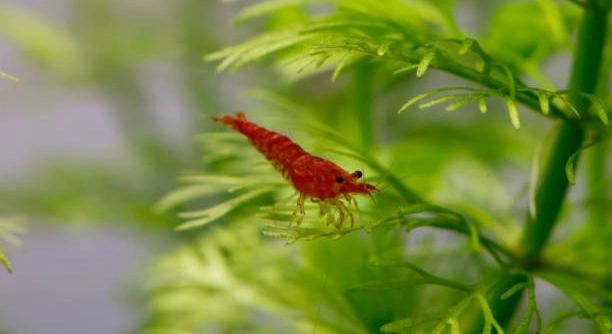
Cherry shrimp are lively and colorful additions to a freshwater aquarium. Their playful movements and delicate appearance often make them a favorite among hobbyists seeking a calming, decorative touch to their aquatic setups.
Cherry shrimp may hide all at once due to stress, sudden changes in water parameters, or perceived threats in their environment. Factors such as poor water quality, overcrowding, or aggressive tank mates often trigger collective hiding behavior.
Understanding why these small creatures suddenly disappear can help maintain a healthy tank and ensure their long-term comfort and well-being.
Common Triggers for Hiding
Cherry shrimp often hide when they sense sudden changes in their environment. This can include fluctuations in water temperature, pH levels, or ammonia spikes. Even minor adjustments in lighting or the addition of new tank decorations can cause them to retreat. Stress is cumulative; repeated disturbances make shrimp more likely to hide for longer periods. Predatory fish or aggressive tank mates increase hiding behavior, as shrimp instinctively seek cover to stay safe. Dense plants, rocks, and caves provide ideal shelter, allowing them to feel secure. Observing their patterns over time helps identify what prompts hiding, enabling adjustments to the tank setup. Providing plenty of hiding spots near feeding areas also reduces stress. Shrimp may gradually return to normal activity as they feel safer, but persistent stress can affect molting, feeding, and breeding. Monitoring water quality and tank dynamics is essential to ensure a stable, comfortable environment for them.
Providing stable conditions helps shrimp feel safer and reduces sudden hiding behaviors, making them more visible and active.
Creating a tank environment that minimizes stress involves careful attention to water quality and layout. Regular testing for ammonia, nitrites, nitrates, and pH ensures parameters stay within safe ranges. Adding moss, plants, or small caves allows shrimp to hide naturally without impacting their daily activities. Avoid introducing aggressive fish or overcrowding the tank, as this can trigger prolonged hiding. Even routine maintenance should be done carefully, avoiding sudden temperature changes or harsh water currents. Observing shrimp behavior during feeding and molting periods helps identify if they are comfortable. Gradually adjusting tank conditions allows shrimp to adapt without feeling threatened. Over time, they develop confidence to explore open areas while knowing shelter is available if needed. This approach promotes healthy feeding, molting, and breeding cycles, supporting a thriving community in a peaceful, stress-free aquarium environment.
Seasonal and Behavioral Influences
Seasonal changes can affect hiding behavior, even in stable indoor tanks.
Shrimp may hide more frequently during molting periods or when females carry eggs. Temperature fluctuations, even slight, can influence their activity levels and appetite. Providing consistent lighting and a calm environment reduces unnecessary stress. Observing these natural behavioral patterns helps anticipate when shrimp may seek shelter, allowing adjustments in feeding and maintenance routines. Maintaining stable, clean water supports their health during these sensitive times. Planning tank maintenance around these periods ensures minimal disturbance. Understanding these subtle shifts in behavior can make managing the aquarium smoother and more predictable, creating a healthier habitat for all shrimp.
Water Quality and Its Impact
Poor water quality quickly stresses cherry shrimp, causing them to hide. High ammonia, nitrite spikes, or sudden pH changes make shrimp feel unsafe. Consistently clean, filtered water is crucial to prevent prolonged hiding and maintain healthy activity levels.
Regular testing of water parameters is essential to keep shrimp healthy and visible. Sudden shifts in temperature, pH, or hardness can trigger retreating behavior. Overfeeding or decaying plant matter increases waste, which affects water quality and encourages hiding. Ensuring proper filtration and performing regular water changes helps maintain a stable environment. Observing shrimp during feeding and after maintenance can indicate if water conditions are optimal. A stable, clean tank promotes normal behavior and reduces stress-related hiding.
Even minor water issues can disrupt shrimp activity. Maintaining consistent temperature, low ammonia, and proper pH levels supports molting, feeding, and breeding. Regular cleaning and water checks prevent prolonged hiding and ensure shrimp remain active and healthy in their environment.
Tank Setup and Safety
Dense plants and hiding spots make shrimp feel secure and reduce stress. Open areas without cover can make them retreat for long periods.
Creating a balanced tank layout supports both visibility and safety. Incorporate moss, rocks, or caves to give shrimp natural shelters without crowding the tank. Avoid sharp decorations that can injure delicate bodies. Open swimming spaces should be complemented by nearby hiding areas. Proper spacing of plants and decorations prevents territorial stress and encourages exploration. Observing shrimp reactions to layout changes helps refine their environment. Gradual adjustments to tank setup minimize stress and reduce hiding tendencies.
Proper tank setup influences behavior and health. Providing secure hiding spots alongside open swimming areas encourages normal activity. Avoiding overcrowding, aggressive tank mates, or sharp objects ensures shrimp feel safe. Combining consistent water quality with thoughtful layout creates a balanced environment where shrimp can feed, molt, and breed without excessive stress. Monitoring behavior over time highlights areas needing improvement, supporting a thriving, visually engaging aquarium. A stable, well-planned tank allows shrimp to display their natural colors and movements while minimizing prolonged hiding episodes.
Light and Temperature Factors
Sudden changes in lighting can make cherry shrimp hide. Bright or fluctuating light creates stress, while dim, consistent lighting helps them feel safe and encourages activity.
Temperature shifts also affect shrimp behavior. Even minor changes can trigger hiding, so maintaining stable, appropriate temperatures is important for their comfort and health.
Feeding Habits
Cherry shrimp may hide if they feel threatened during feeding. Overfeeding or leaving uneaten food can pollute water and increase stress. Providing small, frequent meals reduces competition and ensures shrimp can feed safely without feeling exposed. Proper feeding routines help shrimp stay active and healthy.
Molting and Growth
Molting periods make shrimp vulnerable, prompting them to hide. Soft, newly shed shells increase risk from tank mates or environmental disturbances.
Protecting shrimp during this time with extra cover and minimal disturbance supports healthy growth and prevents stress-related behaviors.
FAQ
Why do all my cherry shrimp hide at the same time?
All cherry shrimp hiding at once is usually a response to stress or perceived danger. Common triggers include sudden changes in water parameters, aggressive tank mates, or loud vibrations near the aquarium. Even minor disturbances, such as new decorations or a temporary change in lighting, can make them retreat. Providing plenty of hiding spots, maintaining stable water conditions, and observing their behavior regularly helps reduce this collective hiding behavior. Over time, shrimp will feel safer and gradually return to normal activity.
Can water quality really make shrimp hide?
Yes, water quality is one of the most significant factors influencing shrimp behavior. High ammonia, nitrites, or sudden shifts in pH create unsafe conditions. Even small amounts of leftover food or decaying plants can degrade water quality, increasing stress. Regular water changes, filtration, and testing maintain a stable environment, which encourages shrimp to stay active and visible rather than hiding. Monitoring their behavior after water adjustments helps ensure conditions are ideal.
Do tank mates affect hiding behavior?
Aggressive or fast-moving fish can cause cherry shrimp to hide frequently. Shrimp instinctively avoid potential threats to protect themselves. Even if the fish do not actively hunt them, their presence can be intimidating. Creating areas with dense plants, moss, or caves provides safety. Separating shrimp from more aggressive species or choosing peaceful community tanks minimizes stress and hiding tendencies.
How does lighting influence hiding?
Sudden or overly bright lighting can trigger hiding behavior. Cherry shrimp are sensitive to light fluctuations and may retreat when exposed to sudden changes. Dim, consistent lighting reduces stress and encourages them to explore the tank. Gradually introducing new light schedules or using floating plants to diffuse brightness can make shrimp feel safer and more confident.
Why do shrimp hide during molting?
Molting makes shrimp extremely vulnerable because their new shells are soft. Hiding during this period protects them from tank mates and potential injury. Providing extra cover, such as moss or small caves, ensures they have safe spaces to retreat until their shells harden. Minimal disturbance and stable conditions during molting support healthy growth and reduce stress.
Can seasonal changes affect hiding?
Even indoor tanks experience subtle seasonal influences, such as room temperature changes or daylight variations. These factors can affect shrimp activity and make them seek shelter more often. Maintaining stable temperatures, consistent lighting, and careful observation during sensitive periods helps minimize stress and prevents excessive hiding.
Does feeding routine influence hiding behavior?
Yes, shrimp may hide if feeding is inconsistent or if too much food is left uneaten. Overfeeding can pollute water and create stressful conditions. Offering small, regular portions encourages shrimp to come out for food safely and reduces the likelihood of prolonged hiding. Observing their behavior during feeding helps adjust portions and timing for optimal activity.
How can I make my shrimp feel safe?
Providing multiple hiding spots, maintaining clean and stable water, and avoiding aggressive tank mates are key. Consistency in lighting, feeding, and maintenance routines also supports a calm environment. Observing shrimp reactions and gradually adjusting tank conditions ensures they feel secure and remain active.
Are there signs my shrimp are stressed besides hiding?
Yes, signs of stress include erratic swimming, loss of color, reduced feeding, and prolonged inactivity. Frequent hiding is often the first indicator, but these behaviors signal the need to check water quality, tank mates, and environmental conditions. Correcting these issues improves shrimp health and activity.
Can overcrowding cause shrimp to hide?
Overcrowding increases competition for food and space, causing shrimp to feel unsafe. This often leads to hiding and reduced activity. Maintaining a balanced shrimp population with sufficient resources, hiding spots, and open swimming areas reduces stress and promotes healthy behavior throughout the tank.
Do shrimp hide more in new tanks?
Yes, newly established tanks often have unstable water parameters, fewer hiding spots, and unfamiliar surroundings, which prompt hiding. Providing adequate cover, gradually introducing shrimp, and closely monitoring water quality helps them acclimate more comfortably. Over time, shrimp become more confident and explore open areas more freely.
Can noise or vibrations make shrimp hide?
Sudden vibrations from nearby movement or loud sounds can startle shrimp and trigger hiding. Even minor disturbances around the tank may cause temporary retreat. Minimizing external vibrations, keeping the tank in a calm location, and moving slowly during maintenance reduces stress and encourages shrimp to stay visible.
Does tank size affect hiding?
Small tanks with limited space or few hiding spots often make shrimp feel unsafe. Larger tanks with well-placed plants and decorations allow shrimp to find shelter while exploring freely. Proper layout, combined with stable water conditions, promotes activity and reduces hiding tendencies.
How long will shrimp stay hidden?
The duration depends on the cause. Temporary disturbances may result in a few hours of hiding, while persistent stressors, poor water quality, or aggressive tank mates can extend hiding for days or weeks. Correcting environmental issues and providing adequate shelter gradually restores normal behavior.
Is it normal for shrimp to hide at night?
Yes, cherry shrimp are naturally more active during low light or nighttime hours. They may hide during the day for safety. Offering shaded areas or plants allows them to rest securely while remaining active during their preferred periods.
Can feeding supplements reduce hiding?
Providing a balanced diet with supplements like algae wafers or blanched vegetables encourages healthy growth and reduces stress. Nutritional security helps shrimp feel safe and supports normal activity levels. Avoid overfeeding, which can negatively impact water quality and trigger hiding.
Do young shrimp hide more than adults?
Juvenile shrimp are more vulnerable and often hide longer than adults. Providing ample cover and ensuring stable water parameters helps young shrimp survive and grow confidently. Observing their patterns over time allows for better tank management and reduces stress-related behavior.
Can plants influence hiding behavior?
Yes, dense plants and moss provide natural cover, helping shrimp feel safe and reducing hiding. Sparse or poorly placed plants can leave shrimp exposed, increasing stress. Strategic placement of greenery creates a balance of open swimming areas and secure shelters.
Does water flow affect hiding?
Strong water currents can overwhelm shrimp and trigger hiding. Gentle filtration and careful adjustment of flow help shrimp feel comfortable while still circulating water effectively. Observing shrimp response to currents ensures the tank is both healthy and stress-free.
Are shrimp more likely to hide after tank changes?
Yes, even small modifications like rearranging decorations or adding new plants can cause temporary hiding. Gradual changes and providing additional hiding spots reduce stress and help shrimp adapt more quickly to new conditions.
Can temperature fluctuations during winter or summer cause hiding?
Yes, seasonal temperature changes in the surrounding room or tank environment can stress shrimp, prompting hiding. Using a reliable heater, monitoring temperature daily, and avoiding drafts helps maintain stability and reduces prolonged hiding behavior.
Is hiding behavior different for males and females?
Females, especially when carrying eggs, tend to hide more than males. Providing extra cover supports safe reproduction and reduces stress. Males usually remain more visible but may also retreat under stress or environmental disturbances.
Can I encourage shrimp to come out safely?
Gradual improvements to water quality, consistent feeding routines, and creating multiple hiding spots nearby encourage shrimp to explore without feeling threatened. Patience and observation are key to helping them feel confident in their environment.
What is the impact of prolonged hiding on shrimp health?
Extended hiding can reduce feeding, slow growth, and affect molting. Stress can weaken their immune system, making them more vulnerable to disease. Correcting environmental issues and providing safe shelters supports normal behavior, health, and longevity.
How do I know hiding is due to stress and not natural behavior?
Natural hiding occurs briefly during molting, nighttime activity, or minor disturbances. Prolonged, repeated hiding alongside reduced feeding, color fading, or erratic swimming indicates stress. Observing patterns and checking water quality or tank conditions helps differentiate normal behavior from stress-induced hiding.
Can changing the substrate help reduce hiding?
Certain substrates, like dark sand or fine gravel, can make shrimp feel safer and reduce hiding. Light, reflective, or coarse substrates may increase stress. Choosing the right substrate improves comfort and encourages visible, healthy activity.
Is it normal for shrimp to hide after adding new shrimp?
Yes, new shrimp introduce unfamiliar scents and competition, prompting hiding. Allowing gradual acclimation, providing ample cover, and monitoring interactions helps all shrimp adjust safely while reducing prolonged retreat.
Can seasonal algae growth influence hiding?
Algae can create both food and cover. Dense algae patches may encourage hiding but also provide shelter during vulnerable periods. Managing algae growth ensures a balance of food availability and safe hiding spaces.
Are shrimp more sensitive to certain chemicals?
Yes, copper, chlorine, and some medications are toxic to shrimp. Exposure can cause stress and trigger hiding. Using shrimp-safe treatments and dechlorinated water prevents harm and supports normal behavior.
Can stress from breeding cycles increase hiding?
Yes, female shrimp carrying eggs or molting often hide more to avoid disturbance. Providing extra cover during these cycles supports safe development and reduces prolonged retreat.
Is hiding behavior influenced by tank age?
New tanks often cause more hiding due to unstable water parameters. Mature, established tanks with stable conditions and sufficient cover reduce hiding frequency and support active shrimp behavior.
Do shrimp recognize owners or movement outside the tank?
Shrimp are sensitive to external movement but do not recognize humans. Sudden motion, tapping, or vibrations outside the tank can startle them, causing temporary hiding. Minimizing disturbances helps maintain normal activity levels.
How quickly do shrimp return to normal after stress?
Recovery depends on the severity of stressors. Minor disturbances may see shrimp return within hours, while water quality issues or aggressive tank mates may require days or weeks. Stable conditions and adequate cover accelerate recovery.
Can hiding affect breeding success?
Yes, stress and frequent hiding reduce feeding and molting efficiency, which impacts reproduction. Ensuring safe, calm conditions supports healthy egg development and increases breeding success.
How can I prevent hiding in future tanks?
Maintaining stable water parameters, providing adequate hiding spots, avoiding aggressive tank mates, and minimizing disturbances create a secure environment. Gradual adjustments and careful observation help shrimp feel confident and reduce prolonged hiding behaviors.
Final Thoughts
Cherry shrimp are small but sensitive creatures that respond quickly to changes in their environment. Their tendency to hide is a natural survival instinct, and understanding the factors that trigger this behavior is key to maintaining a healthy tank. Stress, poor water quality, aggressive tank mates, or sudden changes in lighting and temperature can all prompt them to retreat. By paying attention to these conditions, you can create a stable environment where shrimp feel secure. Providing plenty of hiding spots, like moss, plants, and small caves, gives them a sense of safety. A tank that balances open swimming areas with secure shelters encourages normal activity while reducing stress. Observing shrimp behavior regularly allows you to notice changes early and make adjustments to support their comfort. The more predictable and calm their environment, the more confident shrimp become in exploring, feeding, and interacting within the tank.
Water quality is one of the most important factors affecting cherry shrimp behavior. Even minor shifts in pH, ammonia, or nitrite levels can cause them to hide for extended periods. Regular water testing and consistent maintenance routines help keep parameters stable. Overfeeding or leaving decaying plant matter in the tank can also increase stress, as it impacts water conditions and creates unhealthy living spaces. Maintaining proper filtration and performing regular water changes ensures a clean and balanced environment. Temperature stability is equally important, as shrimp are sensitive to even small fluctuations. Sudden temperature changes can disrupt their feeding, molting, and reproductive cycles. Paying attention to both water quality and temperature provides a foundation for a calm and healthy aquarium where shrimp feel comfortable and are less likely to hide excessively.
Behavioral factors like molting, egg carrying, and juvenile vulnerability also influence hiding tendencies. During molting, shrimp are particularly fragile, and retreating to a secure area protects them from potential harm. Female shrimp carrying eggs often hide to shield themselves and their developing offspring. Juvenile shrimp, being smaller and more vulnerable, naturally hide more than adults. Seasonal or environmental changes, such as shifts in light or room temperature, can add additional stress, prompting temporary hiding even in a stable tank. By providing consistent routines, appropriate feeding schedules, and gentle tank maintenance, shrimp learn to feel secure and confident. Monitoring their behavior and responding to stress factors ensures healthy growth, molting, and breeding. Over time, shrimp gradually become more active and visible, making the tank more dynamic and visually appealing. Creating a balanced environment benefits both the shrimp and the overall health of the aquarium ecosystem.

Hello,
If you enjoy the content that we create, please consider saying a "Thank You!" by leaving a tip.
Every little bit helps us continue crafting quality advice that supports the health, happiness, and well-being of pets around the world, for pets of all shapes, sizes, and species.
We really appreciate the kindness and support that you show us!