
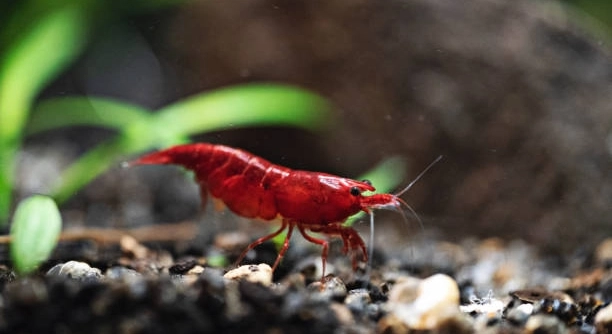
Have you ever raised baby shrimp only to find them gone by morning? Watching them grow can be rewarding, but it is also frustrating when they suddenly disappear from your tank without warning.
Baby shrimp often vanish overnight due to a combination of predation, water quality issues, improper feeding, stress, inadequate hiding spaces, molting complications, and accidental suction by filtration systems. Each factor can independently or collectively lead to sudden losses in shrimp populations.
Understanding these common causes will help you prevent future losses and create a safer environment for your baby shrimp to thrive.
Predation from Tank Mates
Sometimes, baby shrimp disappear simply because other tank inhabitants eat them. Even small fish or larger shrimp can see tiny shrimp as food. It’s easy to underestimate how fast predation can happen, especially at night when activity is higher and visibility is lower. Keeping baby shrimp with peaceful, shrimp-safe species is essential to reduce losses. Observation during feeding times can reveal which tank mates are aggressive. Providing dense plants and hiding spots gives babies a chance to survive. Some breeders separate babies into nursery tanks until they are large enough to survive alongside adults. It’s also important to avoid introducing new fish without checking compatibility. Predation can happen even if the tank seems calm during the day. Protecting your shrimp requires consistent monitoring and careful selection of tank mates. Simple changes in habitat and population management often make the biggest difference in keeping baby shrimp safe and healthy.
Predation is one of the most immediate threats to baby shrimp and can account for sudden overnight losses in many tanks.
Dense plants, moss, and shelters significantly increase the survival rate of baby shrimp in community setups.
Water Quality Issues
Water conditions directly affect shrimp survival. Ammonia spikes, nitrite presence, or improper pH can stress or kill baby shrimp quickly. Even small changes in temperature or hardness can impact their delicate systems. Maintaining stable conditions and regular water testing is crucial. Use gentle filtration and avoid strong currents that may displace the tiny shrimp. Overfeeding can pollute the tank, increasing toxins, so careful feeding is essential. Some aquarists use pre-filtered water or acclimation techniques when introducing shrimp to new tanks to reduce stress. Sudden chemical exposure from cleaning products or untreated water can be fatal. Every tank has unique needs, so monitoring each parameter and making gradual changes is safer than abrupt adjustments. Proper care, consistent checks, and preventive measures reduce sudden losses, allowing baby shrimp to thrive.
Keeping baby shrimp requires regular water checks and stability to ensure they stay healthy.
Maintaining water quality involves balancing parameters such as pH, ammonia, nitrite, and temperature. Regular water changes, gentle filtration, and careful feeding practices prevent toxic buildup. Observing shrimp behavior and growth helps detect early signs of stress. Adjustments should be made gradually, and using plants or moss can help buffer minor fluctuations naturally. By prioritizing water stability and cleanliness, you can create a safe environment that promotes survival and healthy development of baby shrimp over time.
Inadequate Hiding Spaces
Baby shrimp need plenty of places to hide. Without moss, plants, or small decorations, they become easy targets for larger tank mates or even each other. Dense coverage gives them security and reduces stress, which directly affects their survival.
Providing moss, floating plants, and small caves encourages shrimp to explore and hide naturally. Babies feel safer when they have multiple options to escape perceived threats. Using fine-leaved plants, like Java moss, creates dense areas where shrimp can grow without constant exposure. Hiding spaces also support molting, giving shrimp private spots during vulnerable periods. Placement near gentle water flow helps distribute food while keeping them protected. Observing how babies use shelters can guide adjustments. Overcrowding decorations or neglecting to clean moss can reduce effectiveness, so maintenance is key. A well-structured environment allows shrimp to feed, molt, and grow with reduced risk of sudden disappearance from the tank.
Even simple additions like moss mats or small caves can significantly improve baby shrimp survival rates in any setup.
Stress and Molting Complications
Stress weakens baby shrimp, making them more likely to die overnight. Sudden changes in water, aggressive tank mates, or constant disturbances trigger stress. Molting adds another layer of risk, as shrimp are soft and vulnerable during this stage.
Molting is essential for growth but also dangerous. If water conditions are unstable or hiding spots are lacking, baby shrimp may fail to molt properly. Stressed shrimp might delay or skip molting, leading to death. Nutritional deficiencies, such as a lack of calcium, can cause exoskeleton deformities, increasing mortality. Gentle handling during maintenance and avoiding sudden environmental changes helps reduce stress. Observing molting behavior, like frequency and completeness, can indicate tank health. Providing soft plants or moss allows molting shrimp to hide safely. Even minor stressors, repeated over time, accumulate and increase overnight losses. Consistent care and stable conditions support healthy molting cycles and improve survival rates.
Improper Feeding
Overfeeding or underfeeding baby shrimp can quickly lead to losses. Uneaten food pollutes the tank, while too little food weakens them. Balancing portions is essential to their survival and growth.
Feeding small amounts multiple times a day ensures shrimp get enough nutrition without overwhelming the water with waste. Observing how quickly they eat helps adjust portions effectively.
Filtration Risks
Strong filters or unprotected intakes can suck in baby shrimp, causing sudden disappearances. Using sponge pre-filters or adjusting flow helps prevent accidents and keeps tiny shrimp safe.
Temperature Fluctuations
Sudden or extreme changes in temperature can shock baby shrimp, weakening or killing them overnight. Stable, moderate temperatures are crucial for survival.
Chemical Exposure
Baby shrimp are highly sensitive to chemicals. Cleaning agents, untreated water, or certain medications can be lethal. Using dechlorinated, safe water prevents accidental losses.
How can I prevent baby shrimp from being eaten by other tank mates?
Separating baby shrimp from aggressive or larger species is the most reliable way to prevent predation. Using a dedicated nursery tank or breeding box gives babies a safe space to grow. Adding dense plants, moss, or small decorations in both main and nursery tanks provides hiding spots that reduce stress and make them harder to catch. Even peaceful fish can sometimes nip at babies, so careful observation is key. Avoiding sudden introductions of new fish also reduces risks, as unfamiliar species may behave unpredictably. Adjusting tank layout to create micro-habitats allows shrimp to retreat when needed.
What are the signs of poor water quality affecting baby shrimp?
Baby shrimp often show visible stress when water quality declines. Signs include reduced movement, hiding excessively, struggling to swim, and molting problems. Cloudy water, algae blooms, or sudden shifts in pH, ammonia, nitrite, or nitrate levels also indicate issues. Regular testing of tank water is essential. Observing shrimp behavior daily helps catch problems before they become fatal. Slow, consistent water changes with conditioned water help stabilize parameters without shocking shrimp. Maintaining temperature, hardness, and pH within the species’ preferred range reduces mortality. Even minor fluctuations can stress babies, so consistency is more important than drastic fixes.
How often should I feed baby shrimp?
Baby shrimp need frequent, small feedings to ensure proper growth. Overfeeding can pollute the tank, while underfeeding weakens them. Observing how quickly they consume food helps determine appropriate portions. Some breeders feed once or twice a day with very tiny amounts, supplementing with biofilm, algae, or specialized shrimp foods. Rotating foods improves nutrition and supports healthy molting cycles. Uneaten food should be removed promptly to prevent water quality issues. Offering food near hiding spots encourages shy shrimp to feed safely. Balanced nutrition and careful portion control are crucial for healthy populations and preventing sudden overnight losses.
How can I help baby shrimp during molting?
Molting is when baby shrimp are most vulnerable. Providing dense plants, moss, or small caves gives them safe places to hide. Proper water parameters and nutrition, especially calcium, support successful molts. Avoid touching or moving shrimp during this period, as stress can cause molting failures. Observing their behavior helps identify if molts are occurring properly. Sometimes, molting issues are linked to water quality or diet deficiencies, so gradual adjustments can prevent repeated problems. Sheltered areas near gentle water flow allow them to feed and hide simultaneously. Protecting molting shrimp is one of the most effective ways to reduce overnight losses.
Can baby shrimp survive in community tanks?
Yes, but careful planning is required. Choosing tank mates that do not eat shrimp and providing plenty of hiding spaces improves survival. Shrimp-safe species, such as certain snails or small peaceful fish, are better companions. Dense plants, moss, and decorations help babies avoid predators and stress. Monitoring interactions regularly ensures no aggressive behaviors are harming them. Filtration and water flow must be gentle, as babies are fragile. Many aquarists use breeding boxes or separate nursery sections to increase survival rates. Even in community tanks, small adjustments like adding shelters and monitoring food availability make a significant difference.
What precautions should I take when changing tank water?
Water changes should be gradual to avoid shocking baby shrimp. Use dechlorinated water that matches the tank’s temperature and pH as closely as possible. Sudden differences in hardness or chemicals can stress or kill shrimp. Small, frequent water changes are safer than large replacements. Observe shrimp behavior before and after changes. Adding new water slowly near hiding spots lets babies adjust without leaving shelter. Avoid using soaps, detergents, or cleaning chemicals near the tank. Proper water change techniques, combined with stable filtration and gentle circulation, are essential to maintaining healthy, thriving baby shrimp populations.
How do I know if filtration is harming baby shrimp?
If baby shrimp are vanishing overnight, strong water currents or unprotected filter intakes may be responsible. Using sponge pre-filters or adjusting flow reduces the risk of suction. Observe shrimp near the filter to ensure they can move safely. Consider relocating filter outlets or adding barriers that allow water movement without putting babies at risk. Regular maintenance keeps debris from creating sudden suction problems. Even small shrimp can be pulled into strong intakes, so protective measures are critical. Safe filtration balances water quality needs with the fragile nature of baby shrimp, ensuring survival and healthy growth.
Are temperature and chemical exposure common reasons for sudden losses?
Yes, both play a major role. Baby shrimp are extremely sensitive to sudden temperature changes. Even a few degrees’ shift can weaken or kill them overnight. Chemical exposure from untreated water, cleaning agents, or medications can be fatal. Using stable, moderate temperatures and dechlorinated, safe water reduces risk. Monitoring tank conditions regularly prevents unnoticed fluctuations. Avoid introducing unknown chemicals into the tank, and check labels carefully for toxicity. Maintaining a calm, stable environment supports molting, feeding, and growth, reducing the chance of sudden disappearances. Consistency is the key to keeping baby shrimp alive and healthy.
Raising baby shrimp can be both rewarding and challenging. Watching them grow from tiny, fragile creatures into active, colorful adults gives a real sense of accomplishment. At the same time, sudden losses can be frustrating and discouraging. Many factors contribute to overnight disappearances, including predation, water quality, stress, improper feeding, and inadequate hiding spaces. Understanding these elements and taking steps to address them is essential. It is not always possible to prevent every loss, but creating a stable environment and observing shrimp behavior closely will significantly improve survival rates. Even small adjustments, like adding moss or adjusting filtration, can make a noticeable difference in keeping baby shrimp safe.
Consistency in tank maintenance is one of the most important aspects of caring for baby shrimp. Regular water testing, controlled feeding, and gradual water changes reduce stress and help maintain stable conditions. Baby shrimp are sensitive to even minor fluctuations in pH, temperature, or ammonia levels, so monitoring these parameters is necessary. Providing appropriate nutrition and plenty of hiding spots allows them to feed and molt safely, which supports healthy growth. Observing shrimp daily helps catch early signs of stress or illness, and careful intervention can prevent serious problems. Over time, maintaining a routine makes caring for baby shrimp more manageable and allows for better understanding of their needs.
Even with the best care, some challenges are inevitable. Predation, accidental suction in filters, or complications during molting can still lead to losses. The goal is not perfection but creating the safest and most supportive environment possible. By balancing water quality, nutrition, habitat structure, and monitoring, the majority of baby shrimp can thrive. Patience and attention to detail go a long way in improving survival rates. Over time, learning from each experience allows adjustments that make the process smoother. With steady care and observation, baby shrimp have a much better chance to grow healthy and strong, making the effort of raising them worthwhile.

Hello,
If you enjoy the content that we create, please consider saying a "Thank You!" by leaving a tip.
Every little bit helps us continue crafting quality advice that supports the health, happiness, and well-being of pets around the world, for pets of all shapes, sizes, and species.
We really appreciate the kindness and support that you show us!