
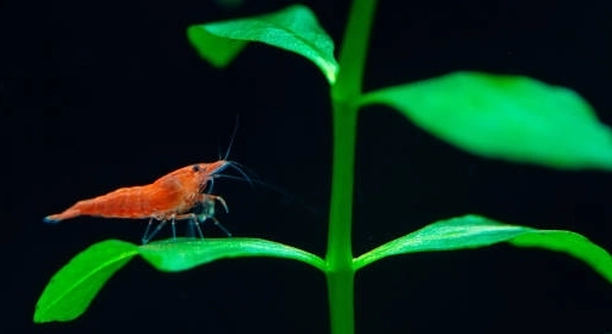
Cherry shrimp are popular in home aquariums because of their bright colors and small size. Many hobbyists enjoy watching them move around, clean the tank, and interact with other shrimp and fish. Their delicate nature requires proper care.
Cherry shrimp can be susceptible to parasites, particularly protozoans and bacterial infections. Maintaining clean water, a stable environment, and monitoring feeding habits reduces the likelihood of infestations and ensures the shrimp remain healthy and active.
Observing subtle behavior and physical changes in your shrimp can help prevent potential health problems before they worsen.
Common Parasites Affecting Cherry Shrimp
Cherry shrimp can be affected by several types of parasites, mainly protozoans and worms. These parasites often enter the tank through contaminated plants, water, or other tank inhabitants. Some shrimp may show visible signs, like white spots, cloudy eyes, or slowed movement. Others may appear healthy while carrying the parasite, making detection more difficult. Poor water quality and high stress levels increase vulnerability, so maintaining clean water and stable conditions is essential. Feeding habits also play a role, as leftover food can encourage parasite growth. Regular observation of shrimp behavior and appearance helps identify issues early.
Protozoan infections are the most frequent type seen in cherry shrimp.
Keeping the tank clean, performing water changes, and quarantining new additions can significantly reduce parasite problems. Infected shrimp may need isolation or treatment to prevent the spread. Additionally, understanding which species commonly carry parasites helps in selecting safer tankmates. Monitoring water temperature, pH, and overall conditions ensures shrimp stay strong and resistant to infestations. Healthy shrimp with proper care rarely suffer serious consequences from minor parasite exposure.
Signs Your Cherry Shrimp May Have Parasites
Shrimp with parasites often act sluggish, hide more, or refuse food.
Physical changes such as discolored shells, white patches, or unusual swimming patterns are indicators. Parasites can weaken their immune system, leaving them more vulnerable to secondary infections. Early detection is key to minimizing loss.
Observing shrimp closely allows you to notice subtle differences in behavior. If a shrimp is inactive compared to others, spends more time at the bottom, or grooms excessively, these can be signs of parasitic stress. Shell discoloration, especially cloudy or pale areas, should be taken seriously. Prompt action can prevent the parasite from spreading to healthy shrimp. In some cases, treatment involves specialized medications or increasing water quality and stability. Quarantining affected shrimp helps protect the rest of the colony while recovery is supported. By staying attentive and acting quickly, you can maintain a healthier tank environment and reduce risks associated with parasites.
Preventing Parasites in Cherry Shrimp
Regular tank maintenance is key to preventing parasites. Clean the substrate, remove uneaten food, and perform routine water changes. Avoid overcrowding and introduce new plants or shrimp only after proper quarantine.
Parasites thrive in dirty or unstable environments. Maintaining consistent water parameters, including temperature, pH, and hardness, creates conditions less favorable for infestations. A well-cycled tank with healthy bacteria helps break down waste and limits parasite growth. Providing a balanced diet strengthens shrimp immunity, making them more resistant. Observing shrimp behavior daily allows for early detection of any issues. Consistency in care is more effective than occasional cleaning or water changes.
Quarantining new additions before introducing them to the main tank significantly reduces the risk of parasites. Even small organisms carried on plants or decorations can introduce infections. Isolating new shrimp or plants for at least two weeks allows for observation and treatment if necessary. Avoid sharing equipment between tanks without proper disinfection. By combining quarantine, clean water, and stable conditions, you create a safer environment where shrimp are less likely to develop parasitic infections.
Treatments for Infected Cherry Shrimp
Mild infections can sometimes be managed by improving water quality and diet.
In more severe cases, medications designed for shrimp may be necessary. Follow instructions carefully, as overdosing can harm shrimp. Isolate infected shrimp to prevent the spread to others in the tank. Maintain stable conditions during treatment to reduce additional stress.
Treatment effectiveness depends on early detection. Some parasites require multiple applications of medication over several days. Remove any decaying plant matter or leftover food that may encourage parasite growth. Monitor shrimp behavior closely throughout the process, noting changes in activity and appearance. After treatment, continue regular maintenance to prevent reinfection. Maintaining a clean, balanced tank environment is critical for recovery and long-term health, as stressed shrimp are more susceptible to recurring infections.
Common Signs of Parasite Stress
Shrimp may hide more than usual or move slowly when stressed by parasites. Changes in appetite are also a strong indicator of potential health issues.
Physical symptoms like cloudy shells, white spots, or unusual swimming patterns often accompany parasite stress. Early recognition helps prevent spread and supports faster recovery.
Quarantine Practices
Quarantining new shrimp or plants is essential to prevent parasite introduction. A separate tank allows for observation and treatment before adding them to the main tank. During this period, monitor water parameters and shrimp behavior carefully to catch any problems early.
Water Quality Importance
Stable water conditions reduce the risk of parasite infestations. Frequent testing for ammonia, nitrites, and nitrates helps maintain a safe environment. Consistent temperature and pH levels support shrimp health and immunity.
Diet and Immunity
Providing a balanced diet strengthens shrimp immune systems, helping them resist parasites. High-quality food with necessary nutrients supports growth, molting, and overall vitality.
FAQ
Can cherry shrimp get parasites from other tank inhabitants?
Yes, cherry shrimp can contract parasites from other fish, shrimp, or snails that carry infections. Parasites may be microscopic and not visible immediately, so even seemingly healthy tankmates can pose a risk. Proper quarantine and careful observation are essential when introducing new inhabitants.
How can I tell if my shrimp are infected?
Signs of infection include sluggish movement, hiding, loss of appetite, white spots, cloudy shells, or unusual swimming patterns. Early detection improves treatment success. Daily observation of shrimp behavior and physical condition is crucial to catching parasites before they spread.
What are the most common parasites in cherry shrimp?
The most frequent parasites are protozoans, including Vorticella and Scutariella, and some worms that can attach externally. Protozoan infections often appear as white fuzzy patches or spots on the shrimp, while worms may be more visible and attach to the gills or body.
Can parasites be treated without medication?
Some mild infections can be managed by improving water quality, performing frequent water changes, and enhancing nutrition. Stress reduction through stable temperature, clean substrate, and low overcrowding can allow shrimp immunity to fight minor infestations naturally. Observation is key to knowing if further treatment is needed.
Is quarantining new shrimp really necessary?
Absolutely. Even healthy-looking shrimp can carry parasites. Quarantine for at least two weeks before adding them to the main tank. This period allows for close monitoring and treatment if any signs of parasites appear, preventing the spread to established shrimp populations.
How often should I check water quality?
Frequent testing is recommended—at least once a week for small tanks, more for heavily stocked tanks. Parameters to monitor include ammonia, nitrites, nitrates, pH, and temperature. Stable water conditions reduce stress and make shrimp less susceptible to parasites and infections.
Can parasites return after treatment?
Yes, reinfection is possible if conditions remain poor or new contaminated items are introduced. Continuous maintenance, proper quarantine procedures, and monitoring of tank health are necessary to prevent recurring parasite problems. Regularly cleaning decorations, substrate, and equipment reduces risks.
Do all parasites affect shrimp the same way?
No, effects vary depending on the parasite species, severity of infection, and shrimp health. Some parasites may cause minor stress with no visible symptoms, while others can quickly weaken and kill shrimp. Observing behavior, shell condition, and molting cycles helps assess impact.
Are there specific foods that help prevent parasites?
Providing a varied, nutrient-rich diet strengthens shrimp immunity. High-quality flakes, pellets, and occasional protein supplements support growth, molting, and overall vitality. Avoid overfeeding, as leftover food can decompose and promote parasite growth in the tank.
Should I isolate infected shrimp during treatment?
Yes, isolating affected shrimp prevents parasites from spreading to healthy tankmates. Use a separate quarantine tank and maintain optimal water conditions. Monitor shrimp daily and follow treatment instructions carefully, adjusting water parameters as needed to reduce stress and aid recovery.
How quickly do parasites spread in a tank?
Spread depends on parasite type, water conditions, and shrimp health. In poor water conditions, parasites can spread within days. Healthy, unstressed shrimp and a clean tank slow down parasite transmission, making early detection and preventive care crucial.
Can live plants introduce parasites?
Yes, live plants can carry parasites, algae, or bacteria. Rinse plants thoroughly, and consider quarantining them in a separate container before adding them to the main tank. This reduces the risk of introducing infections to shrimp.
Are some shrimp more resistant to parasites?
Shrimp with stronger immune systems, supported by good diet and stable tank conditions, are more resilient. Stress, poor water quality, and overcrowding increase vulnerability, while attentive care enhances resistance to common parasites.
How long does it take for shrimp to recover from parasites?
Recovery time varies depending on infection severity, treatment, and water quality. Mild cases may improve within days to a week, while severe infections could take several weeks. Continuous observation ensures shrimp are regaining normal activity and appearance.
Is it safe to use medications in a tank with plants or other invertebrates?
Some medications can harm sensitive tankmates or plants. Always check product labels before use. If necessary, treat infected shrimp in a separate quarantine tank to avoid collateral damage. Using precise dosages and following instructions reduces risk to the rest of the aquarium.
What long-term steps help prevent parasite problems?
Regular water changes, proper filtration, quarantine procedures, balanced diet, and monitoring shrimp behavior are essential. Avoid overcrowding and maintain stable parameters. Consistency in tank care reduces stress and minimizes the chances of parasite outbreaks in the future.
Can stress make shrimp more likely to get parasites?
Yes, stress weakens the immune system. Rapid temperature changes, poor water quality, overcrowding, or aggressive tankmates can make shrimp more vulnerable. Maintaining a stable environment helps shrimp resist infections naturally.
Are parasites always visible to the naked eye?
Not always. Many protozoan parasites are microscopic and cannot be seen without magnification. Observable signs are often behavioral or physical, like lethargy, loss of appetite, or shell discoloration. Close observation is key to detecting hidden infections early.
Do shrimp recover fully after parasite treatment?
With prompt care, healthy shrimp often recover fully. Recovery depends on parasite type, infection severity, and water quality. Continuous monitoring and maintaining optimal conditions post-treatment support full restoration of activity, molting, and coloration.
How can I prevent parasites when buying shrimp online or from stores?
Always quarantine new shrimp before introducing them to your main tank. Inspect them for visible signs of disease, and research the seller’s reputation. Quarantine in clean water with stable parameters for at least two weeks to catch any hidden infections.
Can stress from handling or transport trigger parasite outbreaks?
Yes, stress lowers immunity, making shrimp more vulnerable to parasites. Gentle handling, minimal transport time, and stable conditions during acclimation reduce the risk of outbreaks in new or existing tanks.
Final Thoughts
Caring for cherry shrimp requires attention to detail and consistent tank maintenance. Parasites are a common concern, but most problems can be prevented with proper care. Keeping the water clean, monitoring temperature and pH levels, and avoiding overcrowding are the most important steps. Even small changes in water quality can stress shrimp, making them more vulnerable to infections. Removing uneaten food and debris from the tank reduces the chances of parasites growing or spreading. Simple habits like regular water testing and substrate cleaning make a big difference in shrimp health over time. By taking these steps, you create a stable environment where your shrimp can thrive without the added risk of parasites.
Observation is also key to long-term success with cherry shrimp. Because parasites may not always be visible, paying attention to behavior and appearance is essential. Shrimp that hide, move slowly, or eat less than usual may be experiencing stress or early infection. Physical signs such as discoloration, cloudy shells, or unusual spots should not be ignored. Catching issues early allows for effective treatment before they become severe. Quarantining new shrimp and plants helps prevent parasites from entering the main tank. With careful observation and timely action, you can address problems quickly, protecting both your shrimp and the overall health of your aquarium. This proactive approach reduces the need for harsh medications and keeps the tank environment safe for all inhabitants.
Diet and immunity play an important role in preventing parasites as well. Providing a balanced diet with high-quality food supports healthy growth, molting, and strong immune systems. Avoid overfeeding, as leftover food can lead to poor water quality and encourage parasite growth. In addition, maintaining stable conditions during any treatment or quarantine period ensures shrimp are less stressed and more likely to recover. Combining good nutrition, careful observation, and consistent tank maintenance creates an environment where cherry shrimp are more resilient and less likely to develop parasite problems. By understanding these factors and making them part of regular care, shrimp owners can enjoy a vibrant, healthy aquarium without frequent setbacks. A small investment in attention and routine maintenance goes a long way toward keeping your shrimp happy, active, and free from parasites.

Hello,
If you enjoy the content that we create, please consider saying a "Thank You!" by leaving a tip.
Every little bit helps us continue crafting quality advice that supports the health, happiness, and well-being of pets around the world, for pets of all shapes, sizes, and species.
We really appreciate the kindness and support that you show us!