
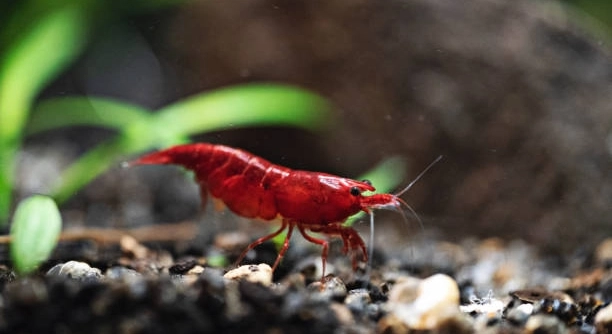
Do you ever notice your shrimp nibbling on more than just the algae in their tank? Observing their eating habits can be surprisingly interesting and reveals that shrimp have diverse tastes beyond the usual green fare.
Shrimp can enjoy a variety of foods besides algae, including blanched vegetables, specially formulated pellets, small pieces of fruit, decaying plant matter, and tiny protein-rich treats. These options provide balanced nutrition and promote healthy growth and activity.
Knowing which foods shrimp prefer helps you maintain a healthy, happy tank and ensures your shrimp thrive in their environment.
Blanched Vegetables
Shrimp enjoy a variety of blanched vegetables, such as zucchini, spinach, and carrots. Softened through brief boiling or steaming, these vegetables are easier for shrimp to eat and digest. I often notice my shrimp eagerly moving toward small pieces of zucchini, picking at them slowly. Leafy greens like spinach offer essential nutrients and fiber that support shrimp health. Carrots provide a touch of sweetness that they seem to enjoy. It’s important to cut the vegetables into tiny, manageable pieces, so all shrimp, including the smaller ones, can feed comfortably. Blanching also helps remove pesticides and softens tough cell walls, making the food accessible. Leaving vegetables in the tank too long can lead to decay, so it’s best to remove uneaten portions after a few hours. Regularly rotating different vegetables keeps the shrimp interested and ensures they receive a range of vitamins and minerals. Watching them nibble is surprisingly satisfying and makes feeding time more engaging.
Blanching vegetables improves shrimp digestion and ensures they absorb nutrients efficiently, promoting longer, healthier lives in the aquarium.
Providing a mix of vegetables consistently keeps shrimp active and healthy. Introducing new options gradually prevents overfeeding while maintaining interest. Small portions are enough, and removing leftovers prevents water quality issues. Over time, this feeding practice builds strong, colorful, and energetic shrimp. Observing their preferences helps refine feeding routines and maintain a stable tank environment.
Protein-Rich Treats
Shrimp benefit from small amounts of protein-rich foods like bloodworms, brine shrimp, and daphnia. These foods supplement their diet and provide amino acids essential for molting and growth.
Incorporating these protein options into their diet ensures proper development. Proteins are especially important during molting periods, supporting exoskeleton formation and overall vitality.
Using protein treats should be done sparingly, as overfeeding can harm water quality. Freeze-dried or fresh options work well, but it’s crucial to rinse and portion them carefully. A small pinch every few days is usually enough. Observing shrimp while they feed allows you to notice preferences and adjust quantities. Protein treats can also encourage shy or smaller shrimp to eat, improving survival rates across the tank. Alternating protein sources with plant-based foods ensures balanced nutrition, supporting coloration, energy, and immune health. Feeding thoughtfully promotes natural behavior and keeps shrimp lively, active, and visually appealing, enhancing the overall tank experience for both you and your shrimp.
Small Pieces of Fruit
Shrimp can nibble on tiny pieces of fruit like apple, pear, or melon. These should be cut into very small bits to avoid water contamination and ensure all shrimp can feed safely.
I usually offer fruits sparingly, as too much can alter water quality quickly. Apples and pears provide natural sugars that shrimp seem to enjoy, while melon adds hydration. It’s important to remove any uneaten portions after a few hours to keep the tank clean. Observing my shrimp, I notice some are more interested in sweet fruits than vegetables, and they often return for seconds when the pieces are fresh. Using a variety of fruits occasionally adds both interest and essential vitamins. Preparing small portions ensures I can monitor consumption while avoiding waste. Over time, the shrimp become familiar with different flavors, and feeding becomes more engaging and predictable.
Fruits are an occasional supplement that balances their diet. They provide natural sugars and minor nutrients while keeping shrimp interested.
Decaying Plant Matter
Shrimp naturally consume decaying plant matter, which offers both nutrients and fiber. It’s a reliable addition to their diet, especially in tanks with live plants.
I often leave older leaves or plant cuttings in the tank, and my shrimp quickly start grazing. These materials are soft and easy to digest, supporting shrimp health. Decaying matter contains beneficial microorganisms that aid digestion and enrich the tank environment. Over time, it can become a natural food source, especially for smaller or shy shrimp. I make sure not to leave anything that could foul water, trimming larger portions when necessary. Observing them feeding on these bits shows how efficient shrimp are at turning simple matter into energy. Alternating decaying plant matter with fresh vegetables and protein ensures a balanced diet, supporting growth, molting, and vibrant coloration. It also encourages natural behavior, keeping shrimp active and engaged throughout the day.
Algae Wafers
Algae wafers are convenient for shrimp and provide a steady source of nutrients. They slowly sink, allowing all shrimp to feed without competition.
I often break wafers into smaller pieces for tiny shrimp. They provide fiber, minerals, and help maintain healthy digestion, complementing other foods.
Cooked Egg
Cooked egg is an excellent protein source for shrimp. I usually offer a tiny bit of hard-boiled egg, finely chopped, so they can easily nibble it. The egg supports molting and growth while providing essential amino acids that plant matter alone cannot supply.
Egg should be given sparingly to avoid water issues. A small pinch a few times a week is enough. It’s easy to prepare and adds variety, keeping shrimp active. Observing them feed, I notice they quickly gather around the pieces, highlighting their attraction to protein-rich foods. Alternating with vegetables and decaying plant matter maintains a balanced diet.
Commercial Shrimp Pellets
Shrimp pellets are formulated to meet their dietary needs and are easy to store and use.
What are the best foods to give shrimp besides algae?
Shrimp can eat a variety of foods other than algae, including blanched vegetables, small pieces of fruit, cooked egg, decaying plant matter, protein-rich treats like bloodworms or brine shrimp, and commercial shrimp pellets. Each type offers different nutrients that help them grow and stay healthy. I often rotate these foods to keep my shrimp interested and ensure a balanced diet. Vegetables like zucchini, spinach, and carrots provide fiber and vitamins, while fruits like apple and melon give natural sugars. Protein sources are important for molting and energy, and pellets make feeding simple and consistent.
How often should shrimp be fed these foods?
Feeding frequency depends on tank size, shrimp population, and food type. I usually feed small portions once a day, sometimes twice if the tank is larger or has more shrimp. Vegetables and fruits are best offered sparingly, as they can decay and affect water quality. Protein-rich treats should be given a few times per week rather than daily. Shrimp pellets can be fed in very small amounts daily or every other day. Watching how much your shrimp eat in a few hours helps prevent overfeeding. Removing uneaten food is essential to keep the water clean and safe.
Can shrimp eat human food?
Some human foods are safe, like small amounts of hard-boiled egg, blanched vegetables, or finely chopped fruits. I avoid anything processed, oily, or salty, as it can harm shrimp and the tank ecosystem. Foods must be cut into tiny pieces, soft enough for them to eat easily. While they can nibble on safe human foods occasionally, it’s better to rely on specially formulated shrimp foods and natural options to maintain proper nutrition and water quality. Observing which pieces they prefer can also guide future feeding choices.
Are there foods that shrimp should never eat?
Shrimp should not eat salty, oily, sugary, or heavily processed foods. Items like bread, chips, or leftover cooked meals can quickly pollute the tank. I’ve learned to avoid feeding anything that isn’t specifically designed for shrimp or naturally safe. Certain fruits and vegetables, like citrus or onions, may also be harmful. Staying cautious helps maintain a stable environment and prevents shrimp stress or illness. Using safe, nutrient-rich foods ensures shrimp remain active, vibrant, and healthy, while the tank stays clean and balanced.
How do I know if my shrimp are eating enough?
Shrimp usually gather around food quickly when it’s added to the tank. I watch for active nibbling and movement, which indicates they are eating properly. Smaller or shy shrimp may need smaller portions or softer food to access it. Uneaten food left too long can indicate overfeeding or disinterest. Maintaining a balance and observing behavior helps determine the right portion sizes. Healthy shrimp are active, have bright coloration, and molt regularly. Adjusting food type and quantity ensures all shrimp get proper nutrition without harming the tank environment.
Can shrimp eat decaying plant matter from the tank?
Yes, shrimp naturally consume decaying plant matter, which provides fiber and microorganisms that support digestion. I often leave older leaves or trimmed plants in the tank for them to graze on. It’s a natural supplement, but large amounts can pollute water, so I monitor the quantity carefully. Rotating decaying plant matter with fresh vegetables and protein foods gives a more balanced diet. Watching them feed shows how effective and appealing this food is, especially for smaller shrimp or those that are shy around other foods.
What are the benefits of feeding shrimp a varied diet?
A varied diet ensures shrimp get all necessary nutrients, supports molting, promotes growth, and enhances color. I’ve noticed shrimp are more active and lively when they have multiple food options. Relying solely on algae can lead to slower growth and less vibrant coloration. Alternating vegetables, fruits, protein sources, and pellets keeps feeding interesting and ensures shrimp remain healthy. Observing their preferences also helps refine feeding habits. A balanced diet helps prevent nutritional deficiencies, reduces stress, and encourages natural behavior, keeping the aquarium environment stable and enjoyable.
Can overfeeding harm shrimp?
Overfeeding can seriously harm shrimp and tank health. Excess food decays, causing ammonia spikes and poor water quality. I always give small portions, removing leftovers within a few hours. Overfeeding can lead to slower growth, molting problems, and disease. Monitoring intake and adjusting amounts ensures shrimp remain healthy and water conditions stay stable. Using controlled portions and rotating foods minimizes risk while providing proper nutrition. Proper feeding practices prevent waste buildup, encourage active shrimp, and make the aquarium easier to maintain.
How can I safely introduce new foods to my shrimp?
Introduce new foods gradually in tiny amounts to monitor shrimp reactions and prevent water issues. I start with one type, observe if they eat it, and check water quality after a few hours. If successful, I can increase portion size or combine it with familiar foods. Gradual introduction reduces stress, avoids overfeeding, and allows shrimp to adjust to texture and taste. Watching their behavior closely helps determine which foods are preferred. A careful approach ensures variety without compromising tank health, keeping shrimp active, happy, and well-nourished.
Are commercial shrimp pellets necessary?
Commercial pellets are convenient and nutritionally balanced, providing protein, fiber, and vitamins in one option. I use them alongside natural foods to ensure my shrimp get a complete diet. Pellets sink slowly, allowing all shrimp to feed, and prevent overfeeding when portioned correctly. They are especially useful for busy days when preparing fresh vegetables or protein treats isn’t possible. Combining pellets with vegetables, fruits, and occasional protein sources ensures shrimp receive a wide range of nutrients. Using them thoughtfully supports molting, coloration, and overall activity, helping maintain a healthy and thriving tank.
Shrimp are surprisingly versatile when it comes to their diet. While algae is a natural staple, they benefit from a variety of other foods that provide essential nutrients. Introducing blanched vegetables, small pieces of fruit, protein-rich treats, decaying plant matter, cooked egg, and commercial shrimp pellets can help maintain their health. Each of these options contributes something different. Vegetables provide fiber and vitamins, fruits add natural sugars, and protein sources support growth and molting. Decaying plant matter gives them a chance to consume microorganisms that aid digestion. Even pellets are useful because they are carefully formulated to provide a balanced diet. Feeding shrimp a combination of these foods ensures they get the right nutrients without relying solely on algae. It also makes feeding time more engaging as shrimp explore and select different foods. Over time, you can observe their preferences and adjust portions to maintain a stable and healthy tank environment.
Providing a varied diet requires some planning, but it is worth the effort for shrimp health and activity. Small portions of each food type are generally sufficient, and removing uneaten items is important to prevent water quality issues. Overfeeding can lead to pollution, stress, or illness, so it is always better to give less and watch how the shrimp respond. I have found that rotating foods regularly keeps shrimp interested while ensuring that no one nutrient is missing. For example, offering vegetables on some days and protein treats on others keeps the diet balanced. Even within each category, variety matters—different vegetables, fruits, or protein sources provide slightly different vitamins and minerals. Monitoring shrimp behavior is a simple way to gauge if they are receiving enough food and if they are thriving. Active, colorful, and regularly molting shrimp are generally a good sign that the diet is sufficient.
Maintaining a healthy diet is not only about nutrition but also about supporting natural behavior and tank stability. Shrimp that have access to multiple food types are more active, explore their surroundings more, and interact with each other. They are less likely to compete aggressively for a single food source and are more evenly nourished. In addition, carefully planned feeding routines help prevent overgrowth of algae or waste accumulation. Offering different foods at the right intervals encourages balanced consumption while keeping the tank environment safe and clean. Paying attention to shrimp preferences, growth, and overall activity can help refine feeding habits over time. By providing a mixture of vegetables, fruits, protein treats, decaying plant matter, cooked egg, and commercial pellets in controlled portions, shrimp remain healthy, vibrant, and active, and the tank remains a stable, well-maintained ecosystem. This approach ensures shrimp live longer, thrive, and show their natural behavior in a safe environment.

Hello,
If you enjoy the content that we create, please consider saying a "Thank You!" by leaving a tip.
Every little bit helps us continue crafting quality advice that supports the health, happiness, and well-being of pets around the world, for pets of all shapes, sizes, and species.
We really appreciate the kindness and support that you show us!