
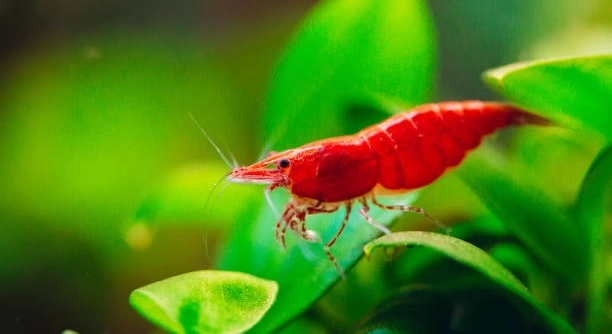
Cherry shrimp are popular freshwater pets admired for their bright colors and delicate appearance. Many shrimp owners enjoy watching them move gracefully across plants and substrate in their aquariums every day. Their vibrant hues are often mesmerizing to observe.
Cherry shrimp change colors unexpectedly due to a combination of genetics, diet, water conditions, and stress levels. These factors influence pigment cells, causing shrimp to lighten, darken, or display new color patterns over time.
Understanding why these changes happen can help maintain healthier shrimp and create a more stable environment in your aquarium for long-term enjoyment.
How Genetics Affect Color Changes
Cherry shrimp inherit color traits from their parents, which determine their base color and patterns. Some shrimp naturally have stronger pigments, while others appear more translucent. Even within the same batch of offspring, color intensity can vary. Genetics set the foundation, but it is not the only factor. Environmental conditions and diet play a large role in how those colors appear day to day. Stress or poor water quality can reduce pigment expression, making shrimp look paler. Conversely, a well-balanced diet and stable conditions help shrimp display their brightest colors. Some color changes are subtle, like slight darkening, while others can be dramatic, such as shifting from a light red to a deep cherry tone. Observing patterns over time gives insight into how genetics interact with environment. For breeders, selecting shrimp with consistent color traits can help achieve more predictable results. Overall, genetics provide the blueprint, but external factors influence the final appearance significantly.
Genetics alone cannot predict every color change in cherry shrimp. Environmental factors still play a critical role in daily appearance.
Paying attention to patterns across multiple shrimp helps identify whether changes are hereditary or environmentally induced. Tracking these differences improves care and breeding success.
Environmental Triggers for Color Variation
Water quality, temperature, and lighting all influence shrimp coloration. Sudden shifts can make colors fade or intensify rapidly.
Stable water conditions are essential for consistent shrimp colors. High ammonia or nitrate levels can stress shrimp, causing pigments to diminish. Temperature fluctuations also affect metabolism, which in turn influences color expression. Lighting impacts how colors are perceived, with some shades appearing brighter under specific intensities. Even the substrate and background of the tank can subtly enhance or dull colors, as shrimp may adjust pigments for camouflage or comfort. Stress from tank mates or overcrowding can further contribute to unexpected color changes. By monitoring and adjusting these environmental factors, it is possible to maintain healthier shrimp and more vivid coloration. Consistency is key; small, gradual improvements in water quality and tank conditions often yield noticeable changes in shrimp appearance. Overall, environmental triggers work alongside genetics to determine how each shrimp looks on any given day.
Diet and Pigment Expression
A shrimp’s diet directly affects its color intensity. High-quality foods rich in carotenoids enhance red and orange tones. Poor nutrition can lead to paler or washed-out colors, even in genetically strong shrimp.
Providing a varied diet ensures shrimp receive all essential nutrients for healthy pigment production. Foods containing natural color enhancers like spirulina, krill, and algae are particularly effective. Overfeeding or relying solely on low-quality flakes can reduce color vibrancy and overall health. Observing color changes after dietary adjustments helps identify what works best for your shrimp. Maintaining a consistent feeding schedule also supports steady pigment expression, giving shrimp a more vivid and uniform appearance over time.
Diet alone cannot guarantee color stability. Environmental conditions and stress still influence pigment expression and overall shrimp health, so both factors must be managed together. Consistency in feeding high-quality food combined with stable water conditions maximizes the chances of strong, lasting colors. Monitoring shrimp behavior and color patterns helps determine if dietary adjustments are having the desired effect, ensuring the population remains healthy and visually appealing.
Stress and Color Shifts
Stress causes noticeable changes in shrimp coloration, often resulting in paler or duller shades. Even minor disturbances can trigger these shifts.
Common stressors include sudden water changes, overcrowding, incompatible tank mates, and poor water quality. Shrimp under stress redirect energy toward survival rather than pigment maintenance. Stress can be temporary, with colors returning once conditions stabilize, or long-lasting if the environment remains unfavorable. Observing shrimp behavior, such as hiding or reduced movement, often correlates with color changes. Reducing stress requires maintaining consistent water parameters, providing adequate hiding spaces, and keeping compatible tank mates.
Minimizing stress ensures shrimp maintain their natural coloration and overall health. Gradual changes in water parameters, careful tank maintenance, and observation of shrimp behavior all contribute to reducing stress-induced color shifts. Creating a stable environment allows pigments to express fully and consistently. Over time, stress management combined with proper nutrition and water quality forms the foundation for healthy, vibrant shrimp populations. Tracking these practices helps identify triggers for color changes and improve long-term care strategies.
Molting and Color Changes
Molting often causes temporary color changes in cherry shrimp. Before shedding, colors may appear duller or faded.
After molting, shrimp typically regain brighter colors as their new exoskeleton hardens. This process can make shrimp look more vibrant than before.
Lighting Effects
Lighting can enhance or diminish the appearance of shrimp colors. Bright, natural-spectrum lights make reds and oranges more vivid.
Colors may appear dull under weak or overly harsh lighting, affecting how shrimp are perceived. Adjusting light intensity and duration can improve color visibility and overall tank aesthetics.
Age and Maturity
Younger shrimp often display paler colors, which intensify as they grow and mature. This gradual deepening is part of natural development and reflects both genetics and overall health.
Observing shrimp over time helps differentiate between age-related changes and environmental or dietary influences on color expression.
FAQ
Why do my cherry shrimp suddenly turn pale?
Pale colors usually indicate stress, poor water quality, or a lack of proper nutrition. Check for high ammonia, nitrite, or nitrate levels, as these can weaken pigment expression. In addition, ensure the shrimp are eating a diet rich in carotenoids and other natural color enhancers. Sudden changes in lighting or water temperature can also trigger temporary paleness. Often, colors return gradually once conditions stabilize, but persistent fading may signal ongoing stress or illness. Monitoring water parameters, tank mates, and diet closely helps prevent prolonged color loss.
Can cherry shrimp regain their bright colors after turning dull?
Yes, shrimp can regain vibrant colors if environmental conditions, diet, and stress levels are corrected. Consistency is key. Maintaining stable water parameters, offering high-quality food, and reducing disturbances can restore pigment expression. Patience is required, as it can take several weeks for full recovery. Young shrimp may take longer than adults. Observing behavior, feeding habits, and hiding tendencies can indicate whether recovery is occurring. Avoid sudden changes, as abrupt adjustments can worsen stress and slow color improvement. Gradual, careful care ensures shrimp return to their natural brightness.
Do genetics affect color changes?
Genetics set the base colors and patterns for each shrimp, determining potential intensity. However, environmental factors, diet, stress, and age influence how those colors appear day to day. Even shrimp from the same batch can show variation in shades. Breeding selectively for strong pigmentation improves consistency in offspring, but no shrimp will always maintain the same tone regardless of other factors. Tracking lineage and observing multiple generations can reveal which traits are stable and which are more sensitive to external influences. Genetics provides the blueprint, but the environment shapes the final appearance.
How does molting impact shrimp color?
Before molting, colors often fade as shrimp prepare to shed their old exoskeleton. After the molt, new exoskeletons are soft, and colors may appear dull at first. As the shell hardens over a few days, pigments intensify, and shrimp regain their vibrant appearance. Frequent molting in young or fast-growing shrimp may result in regular short-term color changes, while adults molt less often. Ensuring proper diet and stable water conditions helps reduce stress during molting and supports faster pigment recovery. Observing shrimp before and after molts helps differentiate normal changes from potential health issues.
Can lighting make shrimp colors look different?
Yes, lighting can significantly affect how colors appear. Bright, full-spectrum lights bring out reds, oranges, and blues, while dim or harsh lighting can make shrimp appear paler. Some shrimp may even adjust pigment slightly in response to light intensity, although this effect is temporary. Experimenting with light placement, duration, and intensity can enhance overall tank aesthetics and highlight your shrimp’s natural colors. Consistent lighting schedules help maintain stability, preventing stress-related color shifts caused by sudden changes in brightness or day-night cycles.
Does stress permanently affect color?
Stress can temporarily or, in extreme cases, permanently reduce color vibrancy. Factors like poor water quality, aggressive tank mates, overcrowding, or sudden environmental changes can suppress pigment expression. Temporary stress usually allows shrimp to regain color once conditions improve. Chronic stress may lead to weaker pigment cells over time. Providing a calm, stable environment with adequate hiding spaces, proper diet, and gentle handling minimizes stress and supports healthy, bright shrimp. Tracking behavior, hiding patterns, and color changes helps identify and address stress triggers promptly.
Why do younger shrimp look paler than adults?
Young shrimp naturally display lighter colors because pigment cells are still developing. As they grow and mature, pigments deepen and color intensity increases. This process is gradual and influenced by diet, water quality, and environmental stability. Observing shrimp over time allows differentiation between normal age-related color changes and issues caused by stress or poor nutrition. Consistently providing a balanced diet and stable conditions ensures young shrimp develop strong, vibrant colors as they reach adulthood.
Can diet alone change shrimp color?
Diet plays a major role but is not the only factor. High-quality foods containing carotenoids, spirulina, and other natural pigments enhance reds and oranges, while poor nutrition can cause paleness. However, stress, water quality, genetics, and lighting also influence color. Combining proper nutrition with stable conditions maximizes pigment expression. Gradual dietary changes are preferable to avoid upsetting shrimp metabolism. Observing color improvement over time indicates whether diet adjustments are effective, helping maintain long-term vibrancy.
How long does it take for shrimp to change color?
Color changes can occur quickly or gradually, depending on the trigger. Stress or poor water conditions may cause noticeable fading within days, while pigment recovery or enhancement from diet and environmental improvements can take several weeks. Young shrimp developing their natural coloration may require months to reach full intensity. Regular observation and record-keeping help track these changes and determine whether they are temporary, age-related, or caused by external factors. Maintaining consistency in care accelerates recovery and enhances overall appearance.
Can tank mates affect shrimp color?
Yes, aggressive or larger tank mates can stress shrimp, leading to paler colors. Even passive fish may trigger stress if the tank is overcrowded or hiding spaces are insufficient. Stress suppresses pigment expression, affecting both adult and juvenile shrimp. Providing ample cover, stable water conditions, and compatible tank mates supports consistent coloration and reduces stress-related shifts. Observing interactions and behavior helps identify whether tank mates are impacting shrimp appearance. Adjustments to stocking levels or introducing more shelters can restore vibrant colors over time.
Final Thoughts
Cherry shrimp are fascinating creatures that bring life and color to freshwater tanks. Their vibrant shades make them appealing, but it is important to remember that their coloration is not fixed. Factors such as genetics, diet, water conditions, lighting, stress, and age all play a role in how they look. Even the healthiest shrimp can experience temporary or gradual color changes, which is a natural part of their growth and adaptation. By understanding these factors, shrimp keepers can create an environment that supports both the shrimp’s health and their natural beauty. Observing shrimp carefully over time provides insight into their well-being and helps identify changes that may need attention. While some shifts in color are temporary, others reflect longer-term adjustments to their environment or nutrition. Recognizing the difference between normal variations and signs of stress is key to keeping shrimp thriving in any aquarium.
Providing a stable and well-maintained environment is one of the most effective ways to support healthy coloration. Regularly testing water for ammonia, nitrites, nitrates, and pH ensures that conditions remain safe and stable. Consistency in temperature and water changes helps prevent stress-related fading, while proper tank size and adequate hiding spaces reduce anxiety caused by overcrowding or aggressive tank mates. Diet is equally important. High-quality foods rich in natural pigments, such as spirulina, krill, or specialized shrimp pellets, enhance reds, oranges, and other vibrant tones. A varied diet ensures shrimp receive all necessary nutrients for healthy growth and pigment production. Monitoring their feeding habits and making adjustments when needed can help maintain consistent coloration over time. Combining these practices provides a strong foundation for both color stability and overall shrimp health, making their appearance more predictable and enjoyable.
It is important to accept that some color changes are inevitable and may not always indicate a problem. Young shrimp naturally develop deeper pigmentation as they mature, while molting and temporary stress can cause short-term shifts. By paying close attention to these patterns, shrimp keepers can differentiate between natural changes and those requiring intervention. Lighting also plays a subtle but important role, influencing how colors appear without directly affecting pigment production. Over time, observing behavior, color patterns, and environmental factors allows for informed decisions about care routines and adjustments to the tank. Overall, maintaining stable water conditions, offering a nutrient-rich diet, reducing stress, and being mindful of the shrimp’s life cycle supports both their health and their natural beauty. Consistency, patience, and observation are essential to creating an aquarium where cherry shrimp can thrive and display their full range of vibrant colors.

Hello,
If you enjoy the content that we create, please consider saying a "Thank You!" by leaving a tip.
Every little bit helps us continue crafting quality advice that supports the health, happiness, and well-being of pets around the world, for pets of all shapes, sizes, and species.
We really appreciate the kindness and support that you show us!