
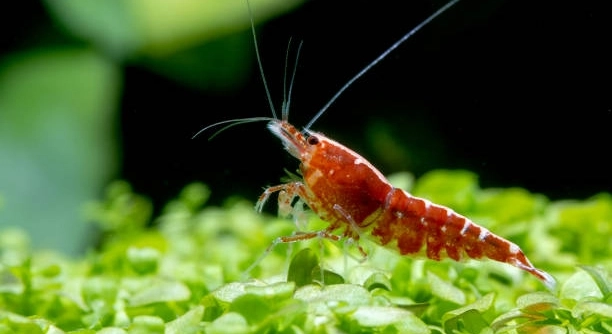
Keeping shrimp healthy and calm during tank maintenance can feel challenging for many hobbyists. Even simple cleaning routines can stress these delicate creatures if proper care and techniques are not followed. Maintaining a calm environment is essential.
Shrimp remain calm during cleaning when water conditions, handling, and environmental disturbances are carefully controlled. Reducing sudden movements, maintaining stable temperatures, and providing hiding spaces significantly decreases stress responses, ensuring shrimp maintain normal behavior and overall health during routine tank maintenance.
Following the right methods can improve both shrimp welfare and the efficiency of your cleaning process. Small adjustments create a smoother and safer experience for everyone involved.
Preparing the Tank Before Cleaning
Before cleaning, it’s important to make sure the tank environment is stable for the shrimp. Remove any equipment that could disturb them and check the water parameters. Sudden changes in temperature, pH, or salinity can stress shrimp quickly. Turn off strong filters or aeration for a short period, so water movement is gentle. Covering part of the tank with a cloth can help reduce visual stress, especially if there’s a lot of movement around the area. Make sure you have all cleaning tools ready in advance, so the process is quick and smooth. This preparation prevents prolonged exposure to stressors and helps shrimp remain calm. Even small disturbances can trigger hiding behavior, which is natural but can interfere with proper maintenance. By planning ahead, you reduce risk and make cleaning safer for both you and the shrimp, keeping them comfortable throughout.
Careful preparation makes the actual cleaning process less stressful for shrimp. A stable environment helps them stay calm.
Taking these steps also improves long-term health. Regular maintenance done gently ensures shrimp feed normally, molt without issues, and continue thriving in a clean tank.
Gentle Handling Techniques
Avoid grabbing shrimp directly with your hands. Instead, use soft nets or cups when relocating them during cleaning. Handling them too roughly can cause injury or stress.
Move slowly and avoid sudden movements near the tank. When transferring shrimp, keep the water consistent with their tank’s parameters. Gradual adjustments prevent shock. Keep containers shaded and calm, so shrimp do not panic. Observe their behavior during transfers; paused or hesitant movement can indicate stress. Minimize time out of the tank, as prolonged exposure to air or different water can weaken them. Even minor drops in temperature or oxygen levels can have strong effects. Avoid overcrowding containers, as limited space increases stress and potential conflicts among shrimp. After returning them to the tank, give them time to settle before resuming regular care. Using gentle, deliberate methods ensures that shrimp stay safe, reduces injuries, and maintains their usual activity levels, keeping your tank healthy and calm.
Minimizing Water Disturbance
Keeping water movement gentle is key to reducing shrimp stress. Strong currents can cause panic, making them hide or cling to surfaces, which complicates cleaning.
Use a sponge or low-flow filter when cleaning to maintain water clarity without creating turbulence. If siphoning debris, move slowly along the substrate and avoid stirring the water too aggressively. Rapid water changes can also shock shrimp, so small, gradual adjustments work best. Observing how shrimp respond to movement helps guide your approach, ensuring calmer behavior. Maintaining a stable environment during cleaning prevents unnecessary stress, keeps shrimp active, and protects delicate molting individuals from harm. Consistent, gentle handling also reduces the risk of losing shrimp to sudden escapes or injuries. By minimizing turbulence, cleaning becomes safer and more efficient, allowing shrimp to resume normal activity quickly after maintenance.
Monitoring water flow carefully supports shrimp comfort and long-term health in your tank.
Calm water encourages shrimp to explore naturally and continue their daily routines. Gentle techniques reduce panic and ensure molting processes remain uninterrupted, preserving overall health.
Using Hiding Spots
Provide plenty of hiding areas before cleaning begins. Shrimp feel safer when they have shelter.
Decorate the tank with moss, plants, and small caves so shrimp can retreat during cleaning. Hiding spots reduce stress and allow them to stay calm even if you move around the tank. During maintenance, avoid removing all shelters at once; keeping some intact lets shrimp stay protected while you clean other areas. Observe how shrimp interact with their environment to see which spots they prefer. Temporary hiding containers or floating plants can also help while water changes are performed. A well-structured tank encourages natural behaviors, reduces stress responses, and improves molting success. By prioritizing shelter, shrimp are less likely to become panicked or injured, making cleaning smoother for both you and the shrimp. Consistent use of hiding spaces fosters a sense of security, keeping shrimp active and healthy in their environment.
Maintaining Stable Water Temperature
Shrimp are sensitive to temperature changes. Sudden fluctuations can cause stress and reduce activity.
Use a reliable heater or monitor ambient room temperature during cleaning. Even small drops or rises can trigger hiding or lethargy, so maintaining consistency is essential for calm shrimp.
Avoiding Overcrowding During Cleaning
Move only a few shrimp at a time if temporary relocation is necessary. Overcrowding containers increases stress and can lead to injuries or competition. Keep water quality stable in these temporary spaces to avoid additional pressure on the shrimp.
Slow and Careful Water Changes
Perform water changes gradually, replacing no more than 20-30% at a time. Rapid removal or addition of water can shock shrimp and disrupt their comfort. Use a siphon or bucket carefully, keeping water flow gentle and steady to minimize turbulence.
Observing Shrimp Behavior
Watch shrimp closely during cleaning. Signs of stress, like clinging or hiding, indicate the need for slower, gentler techniques.
FAQ
How often should I clean my shrimp tank?
Cleaning frequency depends on tank size, shrimp population, and feeding habits. Typically, small partial water changes once a week help maintain water quality. Full tank cleanings are rarely necessary and can stress shrimp. Observing water clarity, algae growth, and debris buildup helps determine when cleaning is needed. Regular maintenance prevents sudden spikes in ammonia or nitrites, keeping shrimp healthy and calm. Consistency matters more than intensity, so small, frequent adjustments are better than infrequent deep cleans.
Can I handle shrimp directly with my hands?
Direct handling is not recommended. Shrimp are fragile and can easily be injured. Use soft nets or cups for relocation during cleaning. If you must touch them, wet your hands first and move slowly to minimize stress. Even gentle handling can cause stress if done repeatedly, so limit interactions. Avoid squeezing or pinching, as their exoskeletons are delicate. Handling should always be a last resort, primarily when moving them for temporary cleaning or treatment.
Is it safe to clean the tank while shrimp are inside?
Yes, but it must be done carefully. Avoid stirring the substrate aggressively, keep water flow gentle, and minimize sudden movements. Maintain stable temperature and water parameters to prevent stress. Temporary relocation can be used for deeper cleaning, but it should be done gradually. Monitoring shrimp during the process ensures they remain calm. Keeping a few hiding spots intact during cleaning helps them feel secure and reduces panic responses. Avoid removing all decorations at once, as it increases vulnerability and anxiety.
What kind of water changes are best for keeping shrimp calm?
Gradual water changes are ideal. Replace 20-30% of tank water at a time rather than performing large changes all at once. Use water that matches tank temperature and chemistry to avoid shocking shrimp. Slow siphoning of debris prevents strong currents that can stress them. Observing their reaction during water changes helps adjust the pace. Consistency is key: smaller, regular water adjustments maintain stable water quality without creating sudden disruptions, which keeps shrimp comfortable throughout the process.
Do hiding spots really reduce stress during cleaning?
Yes, hiding spots are essential. Plants, moss, caves, and floating decorations provide refuge during maintenance. Shrimp retreating to these spots remain calmer and resume normal behavior faster after cleaning. Temporary containers with gentle water flow can also serve as hiding areas if relocation is necessary. Avoid removing all shelters simultaneously to prevent stress and injury. Even a small number of well-placed hiding spots significantly reduces stress responses and encourages natural behavior during and after cleaning sessions.
How can I tell if shrimp are stressed during maintenance?
Signs of stress include hiding excessively, clinging to surfaces, rapid movement, or lethargy. Changes in color or refusal to feed can also indicate stress. Observing behavior closely during cleaning helps identify problems early. If shrimp show persistent stress, slow down the process and ensure water conditions remain stable. Temporary retreats and gentle handling help them recover quickly. Maintaining calm surroundings, stable water parameters, and minimal disturbance prevents prolonged stress episodes.
Are there tools that make cleaning less stressful for shrimp?
Yes, using soft nets, small siphons, sponge filters, and gentle scrapers minimizes disruption. Avoid strong vacuum hoses or high-flow filters during maintenance. Tools that allow precise debris removal without stirring the tank protect shrimp from sudden currents or accidental injury. Simple adjustments, like lowering water flow and keeping movements slow, make cleaning safer and more comfortable. Observing how shrimp respond to different tools can help refine your approach for future maintenance sessions.
Can sudden temperature changes during cleaning harm shrimp?
Absolutely. Shrimp are very sensitive to even small temperature swings. Ensure replacement water matches tank temperature closely. Avoid drafts or direct sunlight on the tank during maintenance. Sudden drops or spikes can trigger stress behaviors, affect molting, and reduce feeding. Monitoring temperature before, during, and after cleaning ensures a safe environment. Gradual water replacement and careful handling prevent shock and maintain shrimp health. Stability is key to keeping shrimp calm and active throughout cleaning.
Is it necessary to remove shrimp for a full tank clean?
Full tank cleaning is rarely required and can increase stress. Partial water changes and gentle substrate cleaning are usually sufficient. Temporary relocation may be used for very dirty tanks but should be done carefully. Provide hiding spots and maintain water quality in temporary containers. Gradual transfer and minimal handling reduce stress and prevent injuries. Most shrimp thrive with regular, small maintenance rather than infrequent, disruptive deep cleans, which can disturb established territory and molting patterns.
How can I make future cleanings less stressful?
Keep water parameters stable, provide ample hiding spots, and use gentle tools. Observe shrimp behavior to adjust your techniques. Regular partial maintenance prevents debris buildup, reduces algae, and keeps the tank predictable. Gradual changes in water and environment, combined with minimal handling, make each cleaning easier. Planning ahead, maintaining consistency, and prioritizing shrimp comfort ensures calmer maintenance sessions over time. Small, consistent steps prevent stress accumulation and encourage natural, healthy shrimp behavior in the long term.
This FAQ covers essential points for keeping shrimp calm during cleaning, focusing on water stability, gentle handling, hiding spots, and gradual maintenance methods. Following these practices creates a safer, less stressful environment for shrimp.
Final Thoughts
Keeping shrimp calm during tank maintenance is not difficult, but it does require attention to detail. Small changes in water temperature, movement, or handling can cause stress, so every step should be planned carefully. Preparing the tank before cleaning, using gentle tools, and observing shrimp behavior are all part of creating a safe environment. By maintaining stable water parameters and minimizing sudden disturbances, shrimp are more likely to stay active and healthy. Even small adjustments, like slowing down water flow or leaving some hiding spots intact, can make a noticeable difference. Consistency in these practices ensures that shrimp remain comfortable throughout each cleaning session.
Handling shrimp properly is another key factor in keeping them calm. Avoid touching them directly whenever possible and use soft nets or cups if relocation is needed. Rapid movements, overcrowding, or rough handling can injure shrimp or trigger stress responses. Observing their behavior during these interactions helps determine when adjustments are necessary. Providing adequate hiding spaces both during and outside of cleaning gives shrimp places to retreat and feel safe. Over time, shrimp become accustomed to gentle routines, reducing panic and helping maintain normal behavior. Focusing on calm, deliberate actions during every step of maintenance protects shrimp from harm and improves their overall wellbeing.
Regular maintenance with careful attention benefits both the shrimp and the tank environment. Partial water changes, slow debris removal, and stable water conditions reduce stress while maintaining cleanliness. These practices encourage natural behaviors, like feeding and molting, and support long-term health. Monitoring shrimp for signs of stress, such as hiding or unusual movement, allows timely adjustments to prevent problems. By combining proper preparation, gentle handling, and steady maintenance routines, shrimp thrive in a calm and secure habitat. Over time, these steps create a predictable, low-stress environment that benefits all tank inhabitants and makes cleaning a smoother, safer process.

Hello,
If you enjoy the content that we create, please consider saying a "Thank You!" by leaving a tip.
Every little bit helps us continue crafting quality advice that supports the health, happiness, and well-being of pets around the world, for pets of all shapes, sizes, and species.
We really appreciate the kindness and support that you show us!