
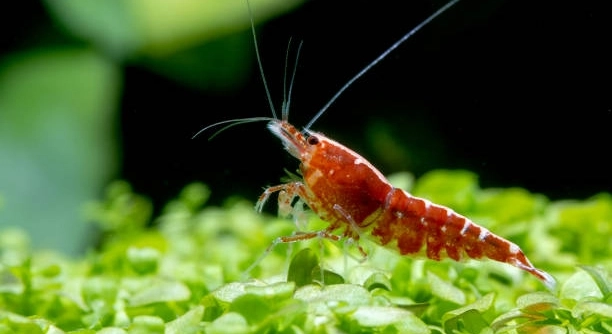
Do you ever notice your shrimp acting strangely in their tank and wonder what it could mean? Observing their behavior can provide clues about the health of your aquarium. Small changes often hint at bigger problems ahead.
Shrimp behavior can serve as an early indicator of tank issues, including water quality imbalances, disease, and stress. Recognizing specific patterns, such as lethargy, abnormal swimming, or unusual feeding habits, allows for timely interventions to maintain a stable aquatic environment.
Understanding these signs can help you prevent serious tank problems before they escalate. Careful observation ensures your shrimp remain healthy and your aquarium stays balanced.
Shrimp Hiding More Than Usual
Shrimp will sometimes hide more than usual, retreating to corners or under decorations for long periods. This behavior often signals that something in the tank is off. Water quality changes, sudden temperature shifts, or aggressive tank mates can cause stress, making shrimp seek shelter. Observing hiding patterns helps identify problems before they escalate. Even minor changes in behavior can indicate significant environmental shifts. Consistent hiding may point to ammonia or nitrite spikes, which are harmful to shrimp. Uneaten food, decaying plants, or improper filtration can also affect water quality, triggering this response. Monitoring and maintaining water parameters regularly is essential. Providing enough hiding spaces can reduce stress, but persistent hiding still requires investigation. Shrimp are sensitive to chemical changes, so even small variations in pH or hardness can make them retreat. Keeping a close eye on their behavior allows adjustments before tank conditions worsen. This preventative approach ensures your shrimp remain healthy and active over time.
Persistent hiding is often the first sign of stress or poor water conditions. It should never be ignored.
Regular observation and water testing are key to understanding why shrimp hide. Adjusting tank maintenance, feeding habits, and monitoring water parameters can help restore a comfortable environment. Even slight improvements in water quality can encourage shrimp to explore and behave normally. Overcrowding or incompatible tank mates may also need attention to reduce stress.
Erratic Swimming Patterns
Erratic swimming, such as sudden darting, spinning, or floating near the surface, often reflects underlying issues. These movements may indicate oxygen deficiencies, high nitrate levels, or disease presence. Observing how often and when shrimp exhibit these behaviors provides clues about tank health. Maintaining stable conditions and proper aeration reduces stress.
Erratic swimming can also result from stress caused by water chemistry shifts or new tank additions.
If shrimp swim unusually, first check oxygen levels and filtration efficiency. Rapid movements may signal ammonia or nitrite spikes, which can harm shrimp quickly. Temperature fluctuations also impact behavior, especially if water becomes too warm or cold. Diseases like bacterial infections or parasites can lead to irregular swimming and require early intervention. Monitoring feeding routines and avoiding overfeeding prevents waste buildup, which worsens water quality. Additionally, reviewing tank mates for aggression ensures shrimp feel safe. Even with proper care, shrimp may show temporary stress when introduced to new environments. Maintaining a consistent maintenance schedule, including water changes, parameter checks, and careful observation, can prevent erratic swimming from becoming a persistent problem. Correcting these issues early supports shrimp health and overall tank stability.
Loss of Appetite
A sudden loss of appetite in shrimp often indicates water quality issues, stress, or illness. Shrimp may ignore food entirely, leaving uneaten pellets or flakes behind. Observing feeding patterns regularly helps detect early signs of problems before they worsen.
Shrimp rely on stable water parameters to maintain normal feeding habits. Ammonia, nitrite, or nitrate spikes can disrupt their appetite, as can sudden temperature changes. Disease or parasites may also reduce interest in food, signaling the need for intervention. Even minor stress from new tank mates or overhandling can temporarily affect eating. Monitoring uneaten food and adjusting feeding routines can help identify the root cause. Using high-quality food and ensuring proper water quality encourages shrimp to resume normal feeding patterns. Timely observation and action prevent nutritional deficiencies that could impact growth and molting.
Loss of appetite often coincides with other behavioral changes like hiding or lethargy. Early detection allows prompt correction of tank conditions. Regularly checking water parameters, reducing stress factors, and isolating sick shrimp can restore appetite and support recovery, keeping the tank environment balanced.
Molting Irregularities
Irregular molting, such as delayed or incomplete molts, is a sign of stress or insufficient water minerals. Shrimp need proper calcium, magnesium, and stable water conditions to molt successfully.
Molting problems often arise from inadequate water quality, including low hardness, improper pH, or sudden parameter changes. Poor diet lacking essential nutrients can also disrupt the molting process. Overcrowding or aggressive tank mates may increase stress, delaying molts or causing physical damage. Observing shrimp during molting helps identify if they struggle or remain stuck in old exoskeletons. Maintaining consistent water conditions, providing mineral supplements, and ensuring a balanced diet supports healthy molting cycles.
Inconsistent molting can lead to increased vulnerability, including infections or injuries. Early identification allows corrective measures, such as adjusting water chemistry, improving diet, or temporarily separating stressed shrimp. Providing ample hiding spaces during molting reduces risk and encourages a safer environment. Regular observation combined with proper care ensures shrimp grow and molt naturally, maintaining overall health and tank stability.
Unusual Color Changes
Shrimp may change color when stressed, ill, or experiencing poor water conditions. Fading, darkening, or unusual spots can indicate problems that need attention. Regular observation helps detect these changes early.
Color changes often reflect water parameter imbalances or nutritional deficiencies. Promptly checking water quality and adjusting diet can prevent further health decline.
Lethargy
Shrimp showing low activity or spending excessive time at the tank bottom are often experiencing stress or poor water quality. Lethargy signals an immediate need to review tank conditions and overall care.
Excessive Climbing
Shrimp climbing out of plants, decorations, or even attempting to leave the water frequently is often a sign of poor water conditions or stress. Monitoring tank parameters and ensuring a safe environment can reduce this behavior.
FAQ
Why are my shrimp hiding so much?
Shrimp hide to protect themselves from stress or unfavorable conditions. Common causes include poor water quality, aggressive tank mates, or sudden changes in temperature. Even minor shifts in pH, hardness, or ammonia levels can make shrimp retreat. Providing ample hiding spaces helps, but persistent hiding indicates a need to test water and address underlying issues. Observing when and how often shrimp hide gives clues about their environment. Regular maintenance and stable tank conditions reduce stress and encourage normal activity.
What does erratic swimming mean?
Erratic swimming, like darting, spinning, or floating near the surface, usually signals stress or poor water quality. Low oxygen levels, ammonia or nitrite spikes, and disease can trigger this behavior. Temperature fluctuations or sudden changes in lighting may also cause stress. Monitoring tank conditions and observing shrimp closely allows you to detect issues early. Correcting water parameters, ensuring proper aeration, and reducing stress factors often restore normal swimming patterns.
Why are my shrimp not eating?
A loss of appetite often indicates stress, illness, or water quality problems. Shrimp may ignore food if ammonia, nitrite, or nitrate levels are high, or if water temperature is unstable. Diseases, parasites, or inadequate nutrition can also reduce feeding. Observing feeding behavior regularly helps identify the problem early. Adjusting diet, improving water quality, and minimizing stress factors encourages shrimp to resume eating. Avoid overfeeding to prevent waste buildup, which can worsen water conditions and further reduce appetite.
What causes molting problems?
Molting irregularities happen when shrimp lack proper minerals or experience unstable water conditions. Low calcium or magnesium, sudden pH shifts, overcrowding, or stress can delay or damage the molting process. Providing mineral supplements, maintaining consistent water parameters, and ensuring a balanced diet support healthy molting cycles. Observing shrimp during molts helps detect difficulties. Protecting them with ample hiding spaces during this vulnerable time reduces the risk of injury or infection, keeping shrimp healthy and growing normally.
Why is my shrimp changing color?
Color changes can indicate stress, illness, or poor water conditions. Fading, darkening, or unusual spots may reflect nutritional deficiencies, water parameter imbalances, or disease. Monitoring shrimp coloration regularly allows early detection of potential problems. Adjusting water quality, improving diet, and reducing stress helps restore natural coloration and maintain overall health.
What does lethargy indicate?
Lethargy is a clear sign of stress or poor water quality. Shrimp that remain inactive or sit at the tank bottom often need immediate attention. Testing water parameters, checking for disease, and reducing stressors can help them recover. Maintaining consistent tank conditions and monitoring activity levels prevent long-term health issues.
Why do shrimp climb excessively?
Excessive climbing or attempts to leave the tank usually point to stress or suboptimal water conditions. Shrimp may be trying to escape poor water quality, high nitrate levels, or low oxygen. Ensuring proper tank maintenance, stable parameters, and safe decorations discourages this behavior. Observing climbing habits alongside other symptoms helps identify and correct underlying problems.
How often should I check my tank?
Regular observation and testing are crucial. Daily visual checks for behavior changes and weekly water parameter tests help catch problems early. Consistent monitoring allows adjustments to feeding, cleaning, and environmental conditions, keeping shrimp healthy and preventing stress-related behaviors.
Can diet affect shrimp behavior?
Yes, diet directly impacts shrimp health and behavior. Poor nutrition or lack of essential minerals can lead to molting issues, color changes, and reduced activity. Feeding high-quality, balanced foods, and supplementing with mineral sources supports normal behavior, growth, and overall well-being.
What are the first steps when noticing unusual behavior?
Immediately test water parameters, observe feeding habits, and check for disease or aggression. Correcting water quality, isolating stressed shrimp if needed, and maintaining a calm environment often resolves minor behavioral issues before they escalate. Consistent monitoring ensures long-term health and a stable tank environment.
How can I prevent stress in shrimp?
Stable water conditions, proper tank mates, adequate hiding spaces, and a balanced diet reduce stress. Avoid overcrowding and sudden environmental changes. Regular maintenance and observation allow early detection of problems, preventing stress-induced behaviors such as hiding, erratic swimming, or lethargy.
What should I do if multiple shrimp show the same behavior?
If several shrimp exhibit identical behaviors, it usually signals a tank-wide issue like water quality, temperature, or disease. Conduct a full tank assessment, test water parameters, and adjust care routines. Quick action prevents further health decline and restores a safe, stable environment for all shrimp.
Shrimp behavior can be one of the most reliable ways to understand what is happening in a tank. Small changes in activity, color, or feeding can indicate early signs of stress or water quality issues. Observing these behaviors regularly allows you to respond before problems worsen. It is easy to overlook subtle differences, but paying attention to hiding habits, erratic swimming, or molting irregularities can prevent serious health concerns. Each shrimp may respond differently depending on its species, age, and environment, so knowing normal behavior patterns for your shrimp is important. Keeping a simple record of behavior alongside water parameters can make it easier to notice changes over time and address them promptly. By being attentive and proactive, you create a healthier, more stable environment for your shrimp.
Maintaining consistent water quality and a balanced diet is essential to prevent stress-related behaviors. Ammonia, nitrite, nitrate levels, pH, and water hardness all affect shrimp health and behavior. Even slight deviations can lead to hiding, lethargy, or loss of appetite. Temperature fluctuations or sudden changes in lighting can also impact shrimp activity and well-being. Providing adequate hiding spaces, gentle filtration, and compatible tank mates reduces stress and encourages normal behavior. Molting requires special attention because it is a vulnerable time for shrimp. Supplying proper minerals and ensuring a safe environment helps shrimp molt successfully and maintain good health. A well-maintained tank with predictable conditions allows shrimp to feed, move, and interact naturally, which makes it easier to identify when something is off.
Understanding shrimp behavior also helps with long-term care and breeding. Healthy shrimp are more likely to grow, reproduce, and contribute to a thriving tank ecosystem. Observing their feeding habits, activity levels, and interactions can guide adjustments to diet, tank setup, and maintenance routines. If problems are detected early, interventions such as water changes, supplementation, or temporary isolation can resolve issues before they affect the entire tank. Shrimp are sensitive creatures, and their behavior reflects the environment they live in. Being mindful of their signals, maintaining stable water conditions, and providing proper care ensures their health and longevity. Over time, paying close attention to shrimp behavior not only keeps them healthy but also creates a more enjoyable and rewarding experience managing an aquarium. By focusing on these details, you can prevent problems, maintain a balanced tank, and support the overall well-being of your shrimp.

Hello,
If you enjoy the content that we create, please consider saying a "Thank You!" by leaving a tip.
Every little bit helps us continue crafting quality advice that supports the health, happiness, and well-being of pets around the world, for pets of all shapes, sizes, and species.
We really appreciate the kindness and support that you show us!