
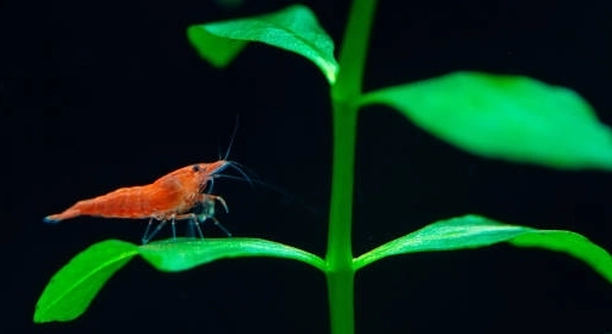
Shrimp are often seen as simple creatures, quietly moving along the ocean floor. Most people assume their diet is limited, but these small crustaceans have surprisingly diverse eating habits that extend beyond typical expectations.
Shrimp consume a wide variety of foods, including algae, plankton, small invertebrates, detritus, and even certain types of leftover fish matter. Their diet adapts to their environment, allowing them to obtain essential nutrients from both plant and animal sources.
Learning about what shrimp can eat offers insights into their behavior, health, and ecological role, making it worthwhile to explore their unexpected dietary habits.
Algae and Seaweed
Shrimp often graze on algae and seaweed that grow along rocks and other surfaces in their habitat. These plant-based foods provide essential nutrients, including vitamins and minerals that support their growth and molting. Algae can be microscopic or visible, forming a soft coating that shrimp scrape off with their tiny claws. Seaweed adds variety to their diet, offering both fiber and protein. In aquariums, shrimp owners often supplement with dried or fresh seaweed sheets to mimic their natural intake. Grazing helps shrimp maintain their digestive health, keeping their gut active and efficient. Algae and seaweed are easy to digest and usually abundant, making them a reliable part of daily feeding. Some species prefer certain types of algae, adjusting their foraging behavior according to availability and taste. Watching shrimp feed on these green foods can be surprisingly engaging and highlights their natural instincts in selecting nutritious items.
Shrimp rely on algae and seaweed for steady nutrition, especially in environments where animal-based food may be limited.
Including plant matter ensures shrimp remain healthy, supporting growth, proper molting, and long-term survival in both tanks and natural habitats.
Small Invertebrates
Shrimp occasionally feed on small invertebrates like tiny worms or larvae that share their habitat.
These protein-rich items provide essential amino acids and energy needed for daily activity and growth. Small invertebrates also stimulate natural hunting behavior, encouraging shrimp to explore and forage actively. In aquariums, live or frozen alternatives such as daphnia or brine shrimp are often provided to ensure shrimp receive adequate protein. Even a limited amount of animal-based food can significantly enhance their health, particularly for breeding individuals. Small invertebrates are easy for shrimp to handle with their tiny claws and can be a vital supplement when plant-based foods alone cannot provide sufficient nutrients. Observing shrimp capture and consume these small creatures gives insight into their adaptability and instinctive foraging skills. Over time, consistent inclusion of invertebrates can improve shrimp coloration, vitality, and overall robustness, demonstrating the importance of a mixed diet that mimics natural conditions. Proper supplementation ensures shrimp remain active, vibrant, and capable of maintaining their physiological needs.
Detritus
Shrimp eat detritus, which consists of decomposing plant and animal matter. This material is rich in nutrients and easy for shrimp to digest. It often collects on the substrate or among plants, giving shrimp a constant, natural source of food that supports their health and growth.
Detritus plays an important role in the shrimp diet, providing proteins, vitamins, and minerals that might be lacking in other food sources. Shrimp sift through the substrate, picking up small particles and breaking them down as they eat. This feeding behavior helps maintain a clean tank environment, reducing waste accumulation while supplying nutrition. In natural habitats, detritus forms a major part of daily intake, especially for younger shrimp who need constant feeding to grow properly. The variety in detritus also introduces microorganisms that support gut health and improve digestion.
Feeding on detritus encourages shrimp to forage naturally, keeping them active and healthy. It provides a balanced supplement to algae and small invertebrates, ensuring they receive comprehensive nutrition over time. Regular access to detritus helps maintain proper molting and coloration, making it an essential, often overlooked part of their diet.
Fish Food and Leftovers
Shrimp readily consume leftover fish food in aquariums, which supplements their diet with protein and other nutrients. This is an easy way to ensure they receive additional nourishment without special preparation.
Fish flakes or pellets that sink to the bottom are ideal for shrimp, as they can pick them up slowly. Leftover food provides energy and nutrients that mimic some natural feeding conditions, such as scavenging. Shrimp will eagerly consume these foods, especially when other sources are scarce, and it can improve their activity and overall condition. In tanks with multiple species, leftover fish food ensures shrimp do not compete aggressively for plant matter or detritus. Careful observation is needed to avoid overfeeding, which could affect water quality. Feeding leftovers regularly allows shrimp to maintain a balanced diet and supports their growth and molting cycles.
Including fish food in their diet offers a convenient way to boost protein intake while keeping shrimp healthy. It complements algae, detritus, and invertebrates, ensuring they receive a varied diet. Observing shrimp feed on leftovers highlights their adaptability and foraging instincts, showing how they can utilize diverse food sources efficiently in both natural and controlled environments.
Biofilm
Biofilm forms naturally on surfaces in water and is an important food source for shrimp. It consists of bacteria, algae, and organic matter that shrimp scrape and eat regularly. This nutrient-rich layer supports their growth and keeps them active throughout the day.
Shrimp rely on biofilm for essential vitamins and proteins that are not easily found in other foods. Constant grazing helps maintain their digestive health and encourages natural foraging behavior, which is important in both tanks and natural habitats.
Microorganisms
Shrimp feed on tiny microorganisms present in water, such as protozoa and rotifers. These provide protein, amino acids, and energy that support growth and molting. In aquariums, microorganisms thrive naturally or can be supplemented to ensure shrimp have a reliable protein source.
Plant Debris
Shrimp consume decaying plant matter found in their habitat. These soft, broken-down leaves and stems are easy to digest and provide fiber, vitamins, and minerals. Regular access to plant debris helps maintain their health and encourages natural foraging behavior.
FAQ
What types of algae are best for shrimp to eat?
Shrimp can eat many types of algae, including green algae, brown algae, and even microscopic forms that grow on tank surfaces. Green algae is the most common and easiest for shrimp to consume. Providing natural algae in the tank or supplementing with dried sheets can ensure they get enough nutrients.
Can shrimp eat live plants?
Yes, shrimp often nibble on soft, decaying plant matter. While they usually do not harm healthy plants, older or dying leaves are preferred. Soft plants like spinach, lettuce, or aquatic plant trimmings are ideal for occasional feeding and provide fiber and vitamins.
Are shrimp picky about detritus?
Shrimp are not picky when it comes to detritus. They will consume decomposing plant and animal matter on the substrate. This material provides a mix of nutrients and supports natural foraging behavior. Regular access to detritus helps shrimp stay healthy and active.
How much fish food is safe for shrimp?
Shrimp can eat leftover fish food, but it should be given in small amounts. Too much can lead to water quality issues. Flakes or sinking pellets work best. Feeding once a day or a few times per week is usually sufficient for protein supplementation.
Do shrimp eat small invertebrates in tanks?
Yes, shrimp can consume small live or frozen invertebrates like daphnia or brine shrimp. These are high in protein and help with growth and molting. Providing small portions ensures they get enough nutrition without overfeeding or creating tank problems.
Is biofilm necessary in a shrimp tank?
Biofilm is very important. It naturally forms on surfaces and provides proteins, vitamins, and energy. Shrimp graze on it constantly. Encouraging biofilm growth by maintaining stable water conditions supports shrimp health and keeps them active throughout the day.
Can shrimp survive on only plant-based foods?
Shrimp can survive on algae, seaweed, and plant debris alone, but a varied diet is best. Including protein from small invertebrates or fish food ensures proper growth, coloration, and successful molting. Relying only on plants may limit their overall health and activity.
How do microorganisms benefit shrimp?
Microorganisms like protozoa and rotifers provide essential protein and energy. They support growth and digestive health. In aquariums, these tiny creatures often appear naturally, but can also be supplemented to maintain a steady protein source.
Can shrimp overeat?
Yes, overfeeding can occur if too much leftover fish food, algae, or supplements are offered. Excess food can pollute the tank and harm water quality. Feeding small amounts and observing shrimp activity helps prevent overeating and maintains a healthy environment.
What is the best combination of foods for shrimp?
A balanced diet includes algae, seaweed, plant debris, detritus, biofilm, small invertebrates, and occasional fish food. This variety ensures shrimp receive fiber, protein, vitamins, and minerals. A mixed diet supports growth, coloration, molting, and overall vitality. Regular observation helps adjust the mix to meet their needs.
How often should shrimp be fed?
Shrimp graze constantly in natural settings, but in tanks, feeding once daily or every other day is usually enough. They will pick at biofilm, detritus, and algae between feedings. Keeping feeding consistent helps maintain healthy activity levels and proper growth.
Do shrimp need supplements?
Supplements are helpful if natural foods are limited. Calcium and mineral supplements aid in molting, while protein-rich options support growth. Over-supplementing is unnecessary if shrimp have access to varied natural foods. Observation and moderation are key to maintaining health.
Are there foods shrimp should avoid?
Shrimp should avoid processed or heavily salted foods, oily leftovers, and anything that decays too quickly in the tank. These can harm water quality or cause health problems. Sticking to algae, plant matter, detritus, and small invertebrates is safest.
Can shrimp eat fruits or vegetables?
Shrimp can nibble on soft vegetables like spinach, zucchini, or cucumber. Fruits are less common but can be offered sparingly. Only small amounts should be given to avoid water contamination. Vegetables provide fiber and nutrients that complement their usual diet.
How can I tell if shrimp are eating properly?
Healthy shrimp will be active, move frequently, and show bright coloration. You will see them grazing on algae, detritus, or biofilm. Molting regularly and growing steadily are also good indicators of a proper diet. Observation is the easiest way to ensure they are feeding well.
Do different shrimp species eat different foods?
Yes, species preferences vary. Some shrimp may favor algae and plants, while others seek more protein from invertebrates. Understanding the species you keep helps tailor their diet for optimal health, growth, and coloration. Offering variety ensures all nutritional needs are met.
Can shrimp survive without small invertebrates?
They can survive, but small invertebrates improve protein intake and growth. Without them, shrimp may still thrive if algae, biofilm, and plant matter are abundant. Including occasional protein sources supports molting and overall vitality, especially for breeding shrimp.
Is it safe to mix commercial shrimp food with natural foods?
Yes, mixing commercial pellets or flakes with natural foods like algae and detritus provides a balanced diet. Commercial options ensure consistent nutrition, while natural foods encourage foraging behavior and supplement vitamins, minerals, and fiber. This approach supports overall health.
How long can shrimp go without food?
Shrimp can survive several days without feeding if biofilm and algae are present. Extended periods without protein may slow growth or molting. Monitoring their activity and ensuring regular feeding maintains health and prevents stress in the tank.
Can shrimp eat leftover human food?
It is generally not recommended. Most human foods contain salts, oils, or additives that harm shrimp. Only small, clean vegetable scraps like boiled spinach or cucumber can be offered occasionally. Regular feeding should focus on algae, detritus, biofilm, and invertebrates.
What is the easiest way to provide a balanced diet?
Offer a mix of algae, plant debris, detritus, small invertebrates, and occasional fish food. Ensure biofilm and microorganisms can grow naturally. Observing feeding behavior and adjusting portions maintains health, supports molting, and keeps shrimp active and vibrant in any environment.
Shrimp may seem like simple creatures, but their dietary habits are surprisingly varied and adaptable. While many people assume shrimp only eat algae or leftover food, they actually consume a wide range of items, including plant debris, detritus, small invertebrates, biofilm, and even certain leftover fish foods. Each type of food provides specific nutrients that support different aspects of shrimp health. Algae and seaweed supply essential vitamins and fiber, while small invertebrates provide protein necessary for growth and molting. Detritus and biofilm, often overlooked, contribute important minerals and help maintain digestive health. This variety ensures shrimp remain active, strong, and colorful, reflecting a balanced diet. Observing shrimp in their habitat or aquarium shows how naturally they forage and select food, which is a reminder of their adaptability and the importance of offering diverse options to support their overall well-being.
In an aquarium setting, providing a combination of natural and supplemental foods can make a noticeable difference in shrimp health and behavior. Offering algae or dried seaweed sheets, along with occasional live or frozen invertebrates, mirrors the diversity they would find in the wild. Detritus and decaying plant matter naturally accumulate in tanks and are an excellent, easily accessible source of nutrients. Many shrimp will also take advantage of leftover fish food, picking at sinking flakes or pellets to gain additional protein. By maintaining a varied diet, shrimp can achieve proper growth, vibrant coloration, and successful molting cycles. Careful observation of feeding behavior allows owners to identify preferences, ensure all shrimp are receiving adequate nutrition, and adjust portions to prevent overfeeding or water quality issues. Understanding these dietary needs makes caring for shrimp more straightforward and helps them thrive over time.
Providing shrimp with a balanced diet is not only about health but also about supporting their natural behaviors and activity levels. Grazing on algae, picking through detritus, and hunting for tiny invertebrates keeps shrimp engaged and stimulates their instincts, which is especially important in an aquarium environment. A consistent and varied feeding routine also helps maintain water quality by preventing leftover food from decaying excessively. Over time, shrimp fed a well-rounded diet will display increased vitality, regular molting, and richer coloration, all indicators of their overall well-being. Paying attention to their feeding habits and providing a mix of foods ensures that shrimp live long, healthy lives while remaining active and natural in behavior. Understanding these simple yet crucial aspects of shrimp nutrition can make caring for them more rewarding and effective, allowing both the shrimp and the caretaker to benefit from a thriving aquatic environment.

Hello,
If you enjoy the content that we create, please consider saying a "Thank You!" by leaving a tip.
Every little bit helps us continue crafting quality advice that supports the health, happiness, and well-being of pets around the world, for pets of all shapes, sizes, and species.
We really appreciate the kindness and support that you show us!