
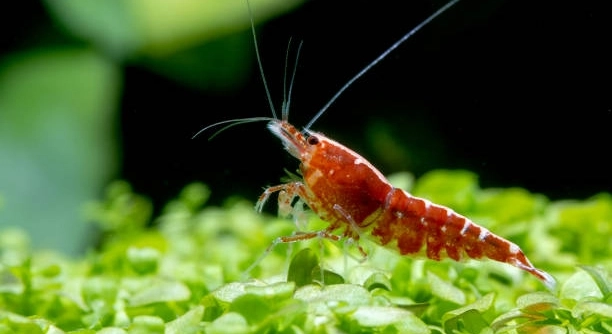
Are your cherry shrimp constantly clinging to the glass in your tank? Observing them spend so much time on the walls can be puzzling. This behavior often signals changes in their environment or needs that should be addressed.
Cherry shrimp frequently gather on aquarium glass due to water quality issues, inadequate nutrition, or insufficient hiding spaces. Stress, algae growth, or improper tank conditions can drive this behavior, making it a common indicator of environmental or dietary adjustments needed for their well-being.
Understanding why your shrimp favor the glass helps maintain a healthier, more balanced tank. Small adjustments can significantly improve their comfort and overall activity levels.
Common Reasons Cherry Shrimp Cling to Glass
Cherry shrimp often cling to the glass when their tank conditions are less than ideal. Poor water quality, such as high levels of ammonia, nitrites, or nitrates, can make them seek areas with slightly better conditions. Hard or soft water imbalances can also create stress, prompting them to cling to surfaces. Another reason may be lack of proper hiding spots or decorations, leaving them feeling exposed. Shrimp naturally prefer shaded areas or plants for security. Overfeeding or leftover food that decomposes quickly can also create uneven water quality, which they detect immediately. Algae growth on glass sometimes attracts shrimp because they graze on it, providing a small food source. Temperature fluctuations or sudden changes can increase this behavior as well. Observing their pattern carefully can reveal whether the cause is environmental, dietary, or related to tank setup. Proper monitoring and minor adjustments can make a noticeable difference.
Glass-clinging can indicate stress or environmental issues that require attention. Adjusting water and tank conditions often reduces this behavior.
Regular maintenance, including partial water changes, balancing water parameters, and adding hiding spots, improves shrimp comfort. Algae control and gentle feeding habits also support healthier activity. Over time, you will notice them exploring more freely.
Water Quality and Its Impact
Water quality directly affects shrimp health and behavior. Poor conditions can make them cling to glass as they search for more suitable areas.
Maintaining stable parameters is crucial for their survival. Testing water regularly for ammonia, nitrites, and nitrates ensures a safer environment. Using a proper filtration system, performing consistent water changes, and avoiding overfeeding keeps water clean and balanced. Temperature stability is equally important, as fluctuations cause stress. Shrimp are highly sensitive to pH and hardness changes; monitoring these helps prevent behavioral issues. Observing shrimp reactions after water adjustments provides insight into their comfort level. Small additions, like live plants, also support natural behavior by offering grazing surfaces and shelter. Over time, these steps reduce glass-clinging, promote activity, and encourage molting. A clean, stable tank fosters natural movement, allowing shrimp to explore and interact with their environment more confidently. Understanding the connection between water quality and behavior empowers caretakers to maintain a thriving, balanced aquarium ecosystem.
Diet and Feeding Habits
Uneaten food can attract shrimp to the glass, where algae and leftover particles accumulate. Overfeeding also leads to water quality issues, making shrimp cling to safer areas.
Cherry shrimp require a balanced diet of algae, biofilm, and specially formulated shrimp pellets. Overfeeding creates decay, which affects water chemistry and encourages them to cling to glass surfaces. Observing how much they eat and adjusting portions prevents leftover food from deteriorating water quality. Providing occasional blanched vegetables, like zucchini or spinach, supplements their diet while promoting natural grazing habits. Consistency in feeding schedules also helps them feel secure and reduces stress-related behaviors.
Shrimp are natural grazers and often explore glass to find food. Introducing live plants encourages natural foraging and reduces excessive glass-clinging. Feeding small portions regularly keeps water stable, and they will gradually spend more time on plants and substrate. Monitoring their eating habits closely ensures they receive proper nutrition while minimizing unwanted behavior.
Tank Setup and Environment
Proper tank structure encourages shrimp to explore and reduces glass-clinging behavior. Rocks, plants, and hiding spots create security and stimulation.
Adding live plants, moss, and driftwood gives shrimp surfaces to graze and hide. Sparse tanks force shrimp onto the glass because there is nowhere else to feel safe. Decorations should be arranged to create shaded areas and mimic natural environments. Substrate choice also matters; fine gravel or sand allows shrimp to forage effectively. Lighting intensity should be moderate, as strong light drives them to seek shelter. Maintaining stable water flow and temperature further supports normal activity. Observing how shrimp interact with the environment helps identify areas needing improvement. Adjustments to tank layout, plant density, and decoration placement can significantly change behavior. Over time, a well-structured tank encourages shrimp to explore, feed naturally, and reduce stress-driven glass-clinging.
Stress and Disturbances
Frequent tapping on the glass or sudden movements around the tank can stress shrimp. They cling to the walls seeking stability and safety during disturbances.
Stress from overcrowding or aggressive tank mates also drives shrimp to glass surfaces. Providing a calm, stable environment reduces this behavior.
Algae as a Food Source
Algae growth on the glass provides a convenient grazing surface for shrimp. They often spend time on the walls scraping algae to supplement their diet. Regular algae monitoring ensures it does not overwhelm the tank while supporting natural feeding habits.
Temperature Fluctuations
Shrimp are sensitive to temperature changes. Sudden drops or spikes can make them cling to surfaces, searching for more stable areas within the tank. Consistent, moderate temperature promotes normal movement and reduces stress-induced glass-clinging.
Observing Behavior Patterns
Tracking shrimp activity helps identify the underlying cause of glass-clinging. Patterns in timing, duration, and location reveal whether issues stem from food, stress, or environmental factors.
FAQ
Why are my cherry shrimp always on the glass?
Shrimp cling to glass mainly due to environmental stress, poor water quality, or lack of hiding spots. They may also be grazing on algae that grows on the glass. Adjusting water parameters, adding plants, and monitoring feeding habits often reduces this behavior.
Is it normal for cherry shrimp to stay on the glass?
Occasional glass-clinging is normal as they explore and graze, but constant presence usually signals issues. Healthy shrimp spend more time on plants, substrate, and decorations rather than solely on the walls. Tracking their behavior over time helps determine normal patterns.
Can water changes help reduce glass-clinging?
Yes, partial water changes improve water quality by lowering ammonia, nitrites, and nitrates. Clean water reduces stress and encourages shrimp to explore other areas. Consistent weekly changes of 20-30% are usually sufficient for small to medium tanks.
Does overfeeding affect shrimp behavior?
Overfeeding creates leftover food that decays, impacting water quality and encouraging glass-clinging. Feeding small portions based on shrimp numbers prevents waste. Blanched vegetables or sinking pellets should be offered sparingly to avoid water imbalance.
Do tank decorations matter?
Yes, decorations, plants, and hiding spaces give shrimp security. Sparse tanks leave them exposed, making glass a safer option. Adding moss, rocks, and driftwood encourages natural grazing and exploration, reducing stress-related behaviors.
How does temperature impact glass-clinging?
Shrimp are highly sensitive to temperature fluctuations. Sudden drops or spikes cause stress, prompting them to cling to more stable surfaces like glass. Maintaining a steady temperature suitable for cherry shrimp, typically 72-78°F, promotes normal movement.
Can water hardness or pH cause glass-clinging?
Yes, improper hardness or pH levels create stress. Cherry shrimp prefer slightly soft to moderate water with a pH around 6.5-7.5. Regular testing and small, gradual adjustments help maintain comfort and reduce wall-clinging behavior.
Do tank mates influence shrimp behavior?
Aggressive or fast-moving fish can stress shrimp, causing them to seek safety on glass or under plants. Ensuring compatible tank mates and providing sufficient hiding spots reduces this stress. Observing interactions helps identify if other species are affecting behavior.
Is algae on glass beneficial for shrimp?
Algae provides a natural food source and grazing surface. Moderate growth encourages feeding and exploration, but excessive algae can indicate overfeeding or poor water quality. Balance supports health without promoting constant wall-clinging.
How long should I monitor shrimp behavior?
Monitoring over a few weeks provides clear insight into patterns and triggers. Note times of day, feeding schedules, and environmental changes. Consistent observation allows targeted adjustments to water, diet, or tank setup.
Are there signs of stress besides glass-clinging?
Shrimp that hide constantly, show color fading, or molt irregularly may be stressed. Glass-clinging is often an early indicator, so addressing the environment promptly prevents further health issues.
Can shrimp behavior improve without major tank changes?
Yes, small adjustments often work. Regular water testing, proper feeding, gentle lighting, and adding plants or decorations improve comfort. Gradual improvements reduce stress and encourage shrimp to explore the tank naturally.
Do baby shrimp cling to glass more than adults?
Juvenile shrimp are smaller and more vulnerable, so they may spend more time on surfaces like glass for safety. Providing dense plant coverage and moss helps them feel secure while promoting normal development.
Should I be concerned if shrimp cling after feeding?
After feeding, shrimp may linger on glass to graze on leftover food or algae. This is usually harmless if water quality remains stable. Observing their overall activity ensures it is temporary rather than stress-related.
Does lighting affect shrimp behavior?
Bright light can drive shrimp to shaded areas, including the glass if other hiding spots are limited. Moderate lighting, combined with plants or decorations, encourages normal activity while preventing constant wall-clinging.
Can I prevent glass-clinging entirely?
It’s unlikely to eliminate completely, as shrimp naturally explore surfaces. The goal is to reduce stress and provide options for grazing and hiding, making glass-clinging occasional rather than constant.
How often should I test water parameters?
Weekly testing for ammonia, nitrites, nitrates, pH, and hardness is recommended. Frequent checks catch issues early and allow adjustments that keep shrimp comfortable and reduce stress-induced behaviors.
Is it normal for some shrimp to cling more than others?
Individual shrimp have different temperaments. Some may explore more boldly, while others prefer safe surfaces. Ensuring a well-structured tank balances behaviors across all shrimp and reduces excessive glass time.
Does tank size matter for glass-clinging?
Smaller tanks limit hiding options and grazing surfaces, making shrimp cling more. Larger tanks with plants and decorations provide variety, reducing stress and promoting natural movement away from glass.
Are there quick fixes for constant glass-clinging?
Quick fixes include water changes, reducing feeding, and adding hiding spots. However, long-term comfort requires stable parameters, proper diet, and a structured environment to prevent recurring stress.
What is the best approach to stop this behavior?
Combine consistent water maintenance, balanced feeding, tank enrichment, and observation. Gradual improvements allow shrimp to feel secure, explore freely, and reduce constant clinging to the glass.
This FAQ covers the main reasons, solutions, and preventative measures for cherry shrimp clinging to glass. Monitoring their environment, diet, and behavior ensures a healthier, more active aquarium.
Final Thoughts
Observing cherry shrimp cling to the glass can be concerning, but it is usually a sign that small adjustments are needed in their environment. These tiny creatures are sensitive to changes in water quality, temperature, and tank setup. Stress, overcrowding, or insufficient hiding spaces can all influence their behavior. Paying attention to their patterns and understanding the underlying reasons helps ensure they remain healthy and active. By making careful changes to water parameters, feeding routines, and tank decorations, you can create a more balanced environment where shrimp feel comfortable exploring the entire tank instead of clinging to the glass. Regular monitoring and maintenance go a long way in preventing stress and encouraging natural activity.
Water quality is one of the most important factors in reducing glass-clinging behavior. Ammonia, nitrites, nitrates, pH levels, and hardness all affect shrimp comfort. Even small fluctuations can cause stress, prompting them to cling to the glass for stability. Performing consistent partial water changes, using a reliable filtration system, and avoiding overfeeding can improve overall water quality. Introducing live plants, moss, and other natural decorations not only provides hiding spots but also supports natural grazing. Stable temperature and moderate lighting contribute to a comfortable environment that encourages shrimp to explore and interact with their surroundings. These measures work together to reduce stress and allow shrimp to display normal behaviors.
Diet and feeding habits are equally important. Cherry shrimp need a balanced diet of algae, biofilm, and occasional specialized pellets or blanched vegetables. Overfeeding leads to decaying food that deteriorates water quality and drives shrimp toward glass surfaces. Feeding smaller, measured portions regularly ensures shrimp receive the nutrients they need without creating excess waste. Observing how shrimp respond to feeding can also provide insight into their health and comfort. Combining proper diet, stable water, a well-structured tank, and gentle handling creates an environment where shrimp are less stressed, more active, and healthier overall. Focusing on these areas ensures a thriving aquarium where shrimp spend their time exploring and grazing naturally rather than lingering on the glass.

Hello,
If you enjoy the content that we create, please consider saying a "Thank You!" by leaving a tip.
Every little bit helps us continue crafting quality advice that supports the health, happiness, and well-being of pets around the world, for pets of all shapes, sizes, and species.
We really appreciate the kindness and support that you show us!