
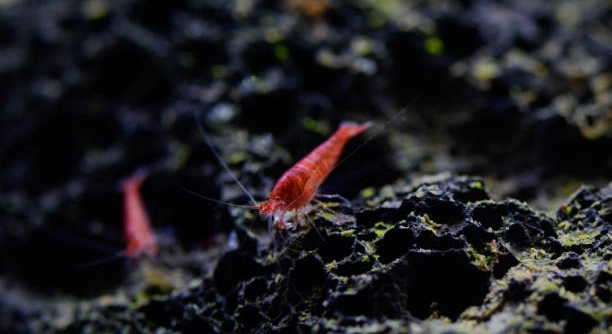
Cherry shrimp are small, colorful freshwater creatures that many aquarists enjoy keeping. They spend much of their time exploring, grazing on surfaces, and interacting with their environment in peaceful ways. Their behavior can be fascinating to observe daily.
Cherry shrimp have the ability to detect decomposing food in their tank. They use chemoreceptors to sense organic matter breaking down, guiding them to potential food sources efficiently. This ability plays a vital role in maintaining the aquarium’s cleanliness.
Learning how cherry shrimp respond to decomposing food can help you manage feeding and tank maintenance more effectively. Their natural habits reveal important insights into their care and overall well-being.
How Cherry Shrimp Detect Food
Cherry shrimp rely heavily on their sense of smell to find food in the tank. They have specialized chemoreceptors on their antennae that allow them to detect decomposing organic matter, algae, and leftover fish food. These tiny sensors are sensitive enough to pick up small changes in water chemistry caused by breaking-down matter. Observing them, you can notice how they move slowly over surfaces, pausing to nibble when they detect a food source. Over time, they develop patterns in exploring areas where food is more likely to accumulate, such as corners or around plants. The more decomposing food present, the more active they become, indicating that their feeding behavior is directly influenced by chemical cues in their environment. Feeding them appropriately and removing excess leftovers ensures they stay healthy while also preventing water quality issues caused by excessive decay. This natural behavior is part of what makes them efficient tank cleaners.
This ability helps maintain a clean tank while providing insight into how they interact with their environment naturally.
Observing their behavior can also teach you how to time feedings better. By watching when they respond most to decomposing matter, you can adjust feeding amounts, preventing overfeeding and keeping water conditions stable. Understanding these patterns also allows you to anticipate when uneaten food might accumulate and take action before it becomes a problem. Paying attention to how they explore and detect food can enhance your care routine and improve the overall health of your aquarium. It’s fascinating to see such small creatures actively managing their environment through instinctive behaviors, showing how even tiny shrimp play a significant role in maintaining balance.
Managing Decomposing Food in the Tank
Removing leftover food quickly reduces stress and keeps water clear for your shrimp.
To manage decomposing food effectively, first monitor how much you feed your shrimp. Uneaten food left in the tank begins to break down, releasing compounds that can affect water quality and the health of all tank inhabitants. Using a feeding schedule that matches your shrimp’s activity ensures they consume most of what you provide. Regular siphoning or spot cleaning of the substrate removes larger pieces before they begin to decompose significantly. Additionally, introducing live plants can help absorb nutrients released from small amounts of leftover food, which helps maintain balanced water chemistry. Paying attention to how your shrimp respond to remaining food also provides feedback on whether you are feeding too much or too little. Maintaining proper water parameters, such as pH, temperature, and nitrate levels, further supports a healthy environment. Following these practices helps create a clean, thriving aquarium where cherry shrimp can display natural behaviors safely and effectively.
Signs Cherry Shrimp Are Attracted to Decomposing Food
Cherry shrimp will often cluster around areas with decomposing food. You may notice increased activity and more frequent grazing in those spots. Their antennae move constantly as they sense the chemicals released by decaying matter.
When decomposing food is present, cherry shrimp become noticeably more active. They move slowly and deliberately over the substrate, stopping to nibble on small particles. You may also see them brushing against decorations or plants where tiny bits of organic matter have settled. Their movements are precise, showing a natural efficiency in locating and consuming available nutrients. This behavior helps reduce waste buildup and supports their survival instincts. Observing these habits can guide you in determining feeding amounts and frequency, ensuring leftovers do not accumulate excessively.
Sometimes, decomposing food can cause temporary clustering in one area of the tank. While it is normal, it is important to balance feeding and cleaning. Over time, shrimp may explore larger areas if food becomes scarce, distributing themselves more evenly. Understanding these subtle cues helps you maintain a healthier environment and supports the shrimp’s natural behavior without interfering with water quality. Monitoring their feeding patterns offers insight into both tank cleanliness and shrimp well-being.
Preventing Overfeeding and Waste
Regularly monitor feeding portions to avoid leftover food from accumulating in the tank.
Overfeeding is one of the main causes of decomposing food in a cherry shrimp tank. Providing too much food not only attracts shrimp to excess particles but also creates conditions that can harm water quality. It is important to observe how much your shrimp consume within a few hours after feeding. Small, frequent feedings are better than large, infrequent meals. Removing uneaten food promptly prevents decay and reduces the risk of spikes in ammonia or nitrite levels. Using a fine mesh net or siphon can help clean leftover particles efficiently without disturbing the shrimp. Properly managing feeding amounts ensures your shrimp remain healthy while keeping the tank environment stable and safe.
Chemical Cues in the Water
Cherry shrimp rely on chemical signals to locate decomposing food. These cues travel through the water, guiding shrimp directly to particles that are breaking down. Their sensitive antennae detect even small amounts of organic matter.
Water movement can affect how shrimp sense decomposing food. Gentle currents help disperse chemical signals, making it easier for shrimp to find nutrients. Strong currents, however, may dilute the scent, requiring shrimp to search longer and move more actively across the tank.
Feeding Habits and Patterns
Cherry shrimp tend to graze continuously rather than eat in large meals. They take small bites and move around surfaces to find food. This behavior ensures they consume nutrients steadily and reduces leftover food accumulation. Their patterns also show areas where food naturally gathers in the tank.
Tank Cleanliness and Shrimp Health
Maintaining a clean tank is crucial for shrimp health. Regular removal of decomposing food prevents harmful chemical buildup and supports stable water conditions, allowing shrimp to thrive naturally.
FAQ
Can cherry shrimp smell decomposing food immediately?
Cherry shrimp do not detect decomposing food instantly, but their chemoreceptors are very sensitive. Small amounts of decaying matter release chemicals into the water, which shrimp can pick up. Depending on water movement and concentration, it may take a few minutes to several hours for them to respond actively.
Do all cherry shrimp respond the same way to decomposing food?
Not all shrimp respond identically. Some are more active or assertive in locating food, while others graze more slowly. Age, size, and individual temperament affect how they react. Younger shrimp may be less confident and explore cautiously, while adults are more efficient at finding food.
Will decomposing food harm cherry shrimp?
Small amounts of decomposing food generally do not harm shrimp, as they often consume it quickly. However, excessive leftovers can lead to spikes in ammonia, nitrites, or nitrates, which are harmful. Regular tank maintenance and careful feeding prevent these risks and support shrimp health.
How can I tell if my shrimp are eating decomposing food?
You can observe shrimp behavior to know if they are feeding on decomposing matter. Look for clusters of shrimp around specific spots, slow nibbling motions, or repeated visits to certain surfaces. Finer particles may be harder to see, but consistent grazing indicates they are consuming it.
Is it necessary to remove all decomposing food immediately?
It is not necessary to remove every particle instantly. Shrimp naturally consume some of it, which helps clean the tank. The goal is to prevent accumulation that can alter water chemistry. Spot cleaning and monitoring leftover food are usually sufficient to maintain balance.
Can the type of food affect how quickly it decomposes?
Yes, different foods break down at different rates. Soft or wet foods decompose faster, while harder pellets take longer. Shrimp respond more quickly to food that releases chemical cues rapidly. Adjusting feeding types and amounts can help control waste buildup and keep shrimp active.
Do water temperature and conditions affect shrimp’s ability to sense decomposing food?
Temperature and water quality play a role. Warmer water increases chemical diffusion, making scents easier to detect. Poor water conditions, such as high nitrate levels, may stress shrimp and reduce their efficiency in finding food. Maintaining stable, clean conditions enhances their natural feeding behavior.
Can cherry shrimp survive without decomposing food in the tank?
Yes, shrimp can survive without decomposing food if they are fed a balanced diet. Decomposing matter is not a requirement but provides supplemental nutrients. Ensuring consistent feedings of shrimp pellets, algae wafers, or blanched vegetables supports their growth and energy needs.
How often should I monitor decomposing food in the tank?
Regular observation is important. Checking the tank once or twice daily for leftover food allows you to remove excess before it affects water quality. Noticing shrimp behavior also helps determine whether feeding amounts are appropriate or need adjustment.
Will cherry shrimp prefer decomposing food over fresh food?
Shrimp may choose decomposing food if it is easier to access or releases stronger chemical cues, but they do not exclusively prefer it. Fresh food provides balanced nutrition, and most shrimp will graze on both. Offering fresh feed regularly ensures optimal health and growth.
How do shrimp help keep the tank clean?
Shrimp play an active role in consuming decomposing matter, algae, and leftover food, reducing waste accumulation. Their grazing prevents buildup on surfaces and contributes to stable water chemistry. Proper feeding and tank maintenance complement their natural cleaning habits effectively.
What signs indicate too much decomposing food in the tank?
Visible leftover food, cloudy water, or sudden algae blooms suggest excessive decomposing matter. Shrimp clustering excessively in one area can also be a sign. Addressing these issues quickly prevents harmful chemical spikes and keeps shrimp behavior natural and healthy.
Can shrimp detect food that is hidden under substrate or decorations?
Yes, shrimp use their antennae to explore tight spaces. They can sense decomposing particles under substrate or behind decorations. However, detection is slower, and they may take longer to consume food in these hidden spots. Gentle cleaning can help prevent buildup without disturbing them.
Does the size of the shrimp tank affect how they sense decomposing food?
Tank size influences chemical dispersion. In smaller tanks, scents are more concentrated, making it easier for shrimp to find food. Larger tanks may dilute chemical signals, requiring shrimp to explore more actively to locate decomposing matter efficiently.
Is it possible for decomposing food to attract pests or other unwanted organisms?
Yes, leftover food that decomposes can attract snails, worms, or bacteria. While shrimp may consume some, excessive buildup can encourage these organisms. Maintaining proper feeding amounts and regular cleaning minimizes the risk of unwanted populations forming in the tank.
Cherry shrimp are small but fascinating creatures that rely heavily on their natural instincts to navigate their environment. One of their most important survival tools is the ability to detect decomposing food through chemical cues in the water. Their antennae are equipped with chemoreceptors that pick up minute changes in water chemistry, allowing them to locate tiny particles of organic matter. This behavior is not only a reflection of their natural feeding habits but also a crucial part of keeping their tank environment healthy. By consuming leftover food, algae, and other decomposing matter, cherry shrimp help maintain balance in the aquarium and reduce waste accumulation. Observing how they respond to decomposing food can provide important insight into their behavior, feeding patterns, and overall health.
Understanding how cherry shrimp interact with decomposing food also helps in managing tank care more effectively. Overfeeding is a common issue in many shrimp tanks, and excess food can quickly begin to break down, altering water quality. By monitoring how shrimp respond to leftover food, aquarists can adjust feeding amounts to ensure the shrimp consume most of what is offered without leaving large portions behind. Regular observation of shrimp activity around decomposing food spots allows you to determine whether feeding portions are appropriate. Additionally, removing uneaten food and performing spot cleaning helps prevent harmful chemical spikes in ammonia or nitrite levels. Using a combination of proper feeding practices and consistent tank maintenance supports the shrimp’s natural behaviors while promoting a clean and healthy aquatic environment.
Finally, paying attention to shrimp behavior around decomposing food highlights the importance of balance in the tank. While shrimp naturally consume small amounts of decaying matter, excessive leftovers can create problems for water quality and the overall health of the tank inhabitants. Understanding how shrimp respond to chemical cues, how they graze continuously, and how they distribute themselves in search of food allows for better planning of feeding schedules and tank maintenance. Maintaining stable water parameters, observing natural grazing habits, and controlling leftover food are all essential steps in providing an environment where cherry shrimp can thrive. By respecting these natural behaviors, aquarists can enjoy observing their shrimp while keeping the tank safe, clean, and supportive of long-term shrimp health.

Hello,
If you enjoy the content that we create, please consider saying a "Thank You!" by leaving a tip.
Every little bit helps us continue crafting quality advice that supports the health, happiness, and well-being of pets around the world, for pets of all shapes, sizes, and species.
We really appreciate the kindness and support that you show us!