
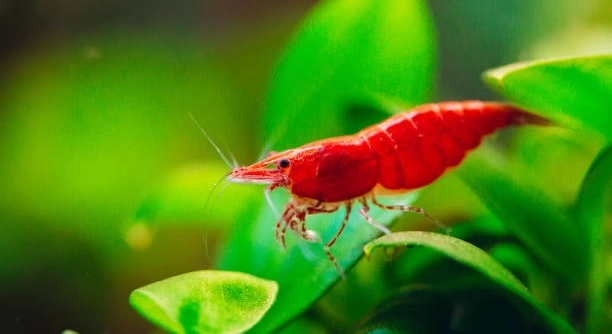
Do your cherry shrimp swim happily around your tank while you feed your fish? These tiny crustaceans are always on the move, exploring every corner. Their curiosity often brings them to your fish food, eager to nibble.
Cherry shrimp can eat certain types of fish food, particularly those that are small, soft, and high in protein. While not their primary diet, fish flakes or pellets can supplement their nutrition safely when offered in moderation.
Feeding cherry shrimp fish food requires care, as overfeeding may cause water quality issues. Learning the right approach ensures their health and keeps your aquarium balanced.
Understanding Cherry Shrimp Diets
Cherry shrimp are small, active creatures that require a balanced diet for health and color. Their main diet consists of algae, biofilm, and plant matter. These foods provide essential nutrients, including protein, fiber, and vitamins. While they can eat fish food, it should only supplement their natural intake. Overfeeding fish food can lead to water pollution and stress for shrimp. Small flakes or pellets that sink slowly are the best options because they allow shrimp to feed safely without competing with larger fish. Observing your shrimp during feeding helps you gauge how much they consume. Uneaten food should be removed to maintain water quality. Incorporating occasional vegetables like blanched zucchini or spinach can provide additional vitamins and minerals, encouraging growth and vibrant coloration. A proper diet supports molting, reproduction, and longevity, ensuring your shrimp thrive in a well-maintained tank environment.
Fish food should always complement, not replace, natural foods in a shrimp tank.
Providing a varied diet creates healthier, more active shrimp. Supplementing with fish food occasionally allows them to gain extra protein, while algae and vegetables maintain their digestive health. Monitoring the amount and type of supplemental food helps avoid water quality problems, keeping the tank stable. Consistency in feeding ensures shrimp develop strong shells and maintain bright colors, which indicate good overall health. Avoid overcrowding the tank to reduce competition during feeding, giving each shrimp access to nutrients. Using a small feeding dish can help contain flakes or pellets and prevent dispersal. Regular observation is essential to adjust portions and types of food. This careful approach fosters a natural feeding behavior, promotes growth, and supports breeding if desired. By combining natural and supplemental foods responsibly, you can enjoy active, thriving cherry shrimp without negatively impacting tank conditions.
Choosing the Right Fish Food
Not all fish food is suitable for cherry shrimp. Only small, protein-rich flakes or pellets should be offered.
Choosing the right fish food involves considering size, nutritional content, and how quickly it sinks. Cherry shrimp need foods that break down slowly, allowing them to access nutrients without being overwhelmed by larger tankmates. Avoid foods high in fillers or artificial additives, as these can harm shrimp over time. Protein-rich foods support molting and reproduction, while occasional vegetable-based flakes provide fiber. Observe how your shrimp interact with the food to ensure it is appropriate. Rotating between different types of shrimp-safe flakes can prevent dietary deficiencies. Even with proper fish food, algae and biofilm should remain their main nutrition source. Managing feeding schedules and portion sizes is essential for water quality and shrimp health, helping you maintain a stable, thriving aquarium. Regularly removing uneaten food prevents decay and keeps the tank environment safe.
Feeding Frequency and Portions
Feeding cherry shrimp too often can harm water quality. Small, controlled portions once a day or every other day are usually enough. Observing how much they eat prevents overfeeding and keeps the tank clean.
Portion control is essential for maintaining a healthy tank environment. Cherry shrimp are small and do not require large amounts of food. Overfeeding can lead to uneaten flakes sinking and decomposing, which increases ammonia and nitrite levels. This can stress shrimp, slow growth, and reduce coloration. Providing the right portion allows shrimp to consume food efficiently, supporting molting and reproduction. Watching shrimp during feeding helps you adjust the amount and frequency according to their needs, ensuring they receive proper nutrition without compromising water conditions.
In addition to portions, feeding frequency plays a key role in shrimp health. Daily feedings should be minimal, with uneaten food removed promptly. Skipping a day occasionally is not harmful, as shrimp will graze on algae and biofilm naturally present in the tank. Using a feeding dish or small amounts directly on plants helps control dispersal and reduces waste. Combining occasional fish food with their natural diet maintains balance and supports long-term health. Observing shrimp behavior helps determine if they are getting enough nutrition or if adjustments are necessary.
Risks of Overfeeding Fish Food
Overfeeding fish food can lead to algae blooms and poor water conditions. Excess food decays quickly, creating ammonia spikes that stress shrimp.
Too much fish food in a shrimp tank is harmful, as uneaten flakes decompose rapidly. This decomposition increases ammonia and nitrite levels, which are toxic to cherry shrimp and can lead to health issues or mortality. Algae blooms may occur as a result of nutrient buildup, making it harder to maintain a clean tank. Overfeeding also encourages competition among shrimp, which can cause stress and uneven growth. Limiting the quantity and frequency of supplemental fish food helps maintain water stability and ensures shrimp thrive.
Careful monitoring of feeding practices prevents water quality problems while promoting healthy shrimp development. Even protein-rich flakes must be given sparingly to avoid overloading the tank. Observing shrimp during meals allows you to gauge consumption and adjust portions as needed. Removing leftover food promptly prevents decay and keeps ammonia and nitrite levels low. Overfeeding can mask underlying tank issues, making regular water testing essential. Combining small amounts of fish food with their natural diet ensures they receive enough nutrients without compromising health. This approach supports molting, vibrant coloration, and natural behavior while maintaining a stable and clean aquarium environment.
Types of Fish Food Suitable for Cherry Shrimp
Small, sinking flakes or micro pellets are easiest for cherry shrimp to eat. Avoid large or hard pieces, which they cannot consume safely.
Protein-rich flakes and pellets work best in moderation. Occasional vegetable-based flakes can provide fiber. Always check ingredients for fillers or additives that might harm shrimp over time.
Homemade vs. Store-Bought Options
Homemade shrimp food allows control over ingredients, ensuring no harmful additives are included. Boiled vegetables, algae wafers, and finely crushed flakes can provide balanced nutrition. Store-bought options are convenient but require careful selection to avoid unhealthy fillers. Homemade meals can be frozen in small portions for convenience.
Monitoring Shrimp Health
Observe shrimp activity and coloration after introducing new food. Changes can indicate diet adjustments are needed.
FAQ
Can cherry shrimp eat all types of fish food?
Cherry shrimp cannot safely eat all fish food. Large pellets or hard flakes are difficult for them to consume and may cause choking or digestive issues. Small, sinking flakes or micro pellets are best, as they break down easily and allow shrimp to feed without competition from larger fish.
How often should I feed cherry shrimp fish food?
Feeding should be limited to once a day or every other day. Small amounts are sufficient because shrimp will also graze on algae and biofilm naturally present in the tank. Overfeeding can lead to water quality problems and stress for shrimp. Monitoring consumption helps adjust portions appropriately.
Is it okay to rely only on fish food for cherry shrimp?
No, fish food should only supplement their diet. Cherry shrimp require algae, biofilm, and plant matter as their main nutrition. Fish food provides extra protein but cannot replace their natural sources. A balanced diet ensures proper growth, molting, and vibrant coloration.
Can fish food affect water quality?
Yes, uneaten fish food decomposes quickly, increasing ammonia and nitrite levels. This can stress shrimp, slow growth, and even cause death. Removing leftover food and feeding in small portions prevents water pollution and maintains a stable environment for shrimp.
Are homemade foods better than store-bought?
Homemade foods give control over ingredients, avoiding harmful fillers and additives. Boiled vegetables, algae wafers, and crushed flakes provide balanced nutrition. Store-bought foods are convenient but require careful selection. Both options can be used if proper monitoring ensures water quality and shrimp health.
How can I tell if my shrimp are eating enough?
Watch their behavior and coloration. Active shrimp with bright colors usually receive sufficient nutrition. Shrimp that hide excessively, appear pale, or molt irregularly may not be getting enough food. Observing their feeding patterns helps adjust portions and food types for optimal health.
Can overfeeding fish food cause health problems?
Yes, excessive fish food can lead to poor water conditions and stress. Shrimp may become lethargic, their growth may slow, and molting can be irregular. Maintaining portion control and removing uneaten food are crucial for preventing these issues.
Should I mix fish food with vegetables or algae?
Yes, combining fish food with algae or blanched vegetables ensures a balanced diet. Protein from fish food supports growth, while plant matter provides fiber and essential vitamins. This combination keeps shrimp healthy and encourages natural foraging behavior.
Is it safe to feed fish food to baby shrimp?
Baby shrimp need smaller, softer foods that they can easily consume. Crushed flakes or micro pellets work best. Overly hard or large pieces may harm them. Providing a mix of biofilm, algae, and tiny supplemental food supports proper growth and development.
How do I prevent uneaten fish food from polluting the tank?
Feed small portions and observe how much shrimp eat within a few hours. Remove any leftovers promptly. Using a feeding dish or placing food directly on plants helps limit waste. Regular water testing ensures that ammonia and nitrite levels remain safe.
Can fish food improve shrimp coloration?
Yes, protein-rich fish food can enhance colors when used in moderation. A balanced diet including algae, vegetables, and occasional fish food promotes vibrant reds and oranges. Overfeeding, however, can harm water quality and negate these benefits.
Are there any fish foods to avoid for shrimp?
Avoid foods with high fillers, artificial colors, or preservatives. Large or hard pellets can also be dangerous. Always read labels carefully and choose foods specifically suitable for small, delicate shrimp. Observation after introducing new food ensures safety and acceptance.
How long can cherry shrimp survive without fish food?
Cherry shrimp can survive indefinitely without fish food if they have access to algae, biofilm, and plant matter. Fish food is only supplemental, providing extra protein, but it is not essential for their survival in a well-planted, stable tank.
Can I feed multiple types of fish food at once?
Yes, but in small portions. Mixing flakes with micro pellets or vegetable-based options can provide variety and balanced nutrition. Ensure the total quantity does not exceed what shrimp can eat in a few hours to avoid water quality issues.
How do I know when to adjust feeding amounts?
Monitor shrimp activity, leftover food, and water quality. If food remains after several hours or shrimp appear inactive, reduce portions. Bright coloration and active behavior usually indicate that the current feeding routine is adequate.
Is it safe to feed fish food in a community tank?
Yes, but competition may occur if fish eat most of the food first. Use sinking flakes, small pellets, or a feeding dish to allow shrimp access. Observing feeding behavior ensures shrimp get their share without stress.
Can overfeeding affect shrimp reproduction?
Yes, poor water quality from excess food can stress shrimp and reduce breeding. Controlled feeding supports healthy molting, egg development, and successful hatching. A balanced diet with limited fish food promotes reproductive success.
Do shrimp prefer fresh or stored fish food?
Shrimp feed better on fresh or recently opened flakes and pellets. Old or stale food loses nutritional value and may crumble, making it harder to consume. Store food in a cool, dry place to maintain quality and safety.
How do I introduce fish food to new shrimp?
Start with very small amounts, observing their reaction. Gradually increase portions while monitoring consumption. Ensure that natural foods like algae and biofilm remain the primary diet to support adjustment and long-term health.
Can feeding fish food reduce algae growth in the tank?
No, shrimp will still graze on algae. Fish food supplements their diet but does not replace natural grazing. Providing a balance of supplemental food and algae encourages natural feeding behavior while maintaining tank cleanliness.
Is it better to feed flakes or pellets?
Both are suitable if small and shrimp-accessible. Flakes break down faster, while micro pellets sink slowly. Variety can improve nutrition and prevent boredom. Observing consumption ensures that shrimp can access the food safely.
How do seasonal changes affect feeding?
Shrimp may eat more slowly in cooler water or faster in warmer temperatures. Adjust portion sizes according to activity levels, always maintaining moderation to avoid water quality issues.
Can fish food alone support shrimp growth?
Fish food alone is insufficient. Algae, biofilm, and vegetables provide essential nutrients. Supplemental fish food aids protein intake but cannot replace a varied, natural diet necessary for healthy growth, coloration, and molting.
How much fish food is too much?
If uneaten food remains after two hours, it is too much. Shrimp should consume all offered portions quickly. Excess food can decay, raising ammonia and nitrite levels, which endangers shrimp health and tank stability.
Can shrimp develop preferences for certain fish foods?
Yes, shrimp may favor protein-rich flakes or pellets over vegetable-based options. Offering a variety ensures balanced nutrition, preventing deficiencies and supporting healthy development while maintaining consistent feeding habits.
How long should shrimp take to eat fish food?
Most shrimp will consume small portions within an hour. If food remains longer, portions should be reduced. Quick consumption indicates appropriate quantity, while leftover food signals overfeeding or unsuitable size.
Are there signs that fish food is harming shrimp?
Pale coloration, lethargy, irregular molting, or decreased activity can indicate issues. Water testing can reveal elevated ammonia or nitrite levels. Adjust feeding or switch food types to prevent further harm.
Does fish food replace the need for tank plants?
No, plants provide shelter, grazing surfaces, and natural nutrients. Fish food supplements the diet but cannot replace the environmental benefits of live plants, which support shrimp health and activity.
Can I use fish food as a treat?
Yes, small amounts can be used occasionally to provide extra protein or variety. Treats should never replace the main diet of algae, biofilm, and plant matter. Moderation is key to preventing water issues.
What is the best way to store fish food for shrimp?
Keep food in a cool, dry container with the lid tightly closed. Avoid humidity and heat, which reduce nutritional value and increase the risk of mold or contamination. Proper storage ensures food safety and quality.
How do I transition shrimp to a new type of fish food?
Introduce new food gradually over several days, mixing it with the current diet. Observe shrimp for acceptance and consumption. Abrupt changes may cause stress or refusal to eat, affecting health and water quality.
Can fish food increase shrimp activity?
Yes, protein-rich food can stimulate feeding behavior and exploration. Proper portions encourage movement and foraging, supporting natural habits and promoting overall well-being in the tank.
Is it safe to feed fish food during molting?
Yes, but provide very small portions. Overfeeding can stress molting shrimp. Adequate protein supports new exoskeleton formation, but excessive food may compromise water quality and molting success.
How do I balance fish food with natural grazing?
Feed only small amounts of fish food and allow shrimp to graze on algae and biofilm. Observation helps ensure shrimp consume both sources, maintaining a balanced diet and healthy tank environment.
Can overfeeding lead to bacterial growth in the tank?
Yes, decaying food encourages harmful bacteria, which can increase ammonia and nitrite levels. Controlled portions and prompt removal of uneaten food prevent bacterial spikes and protect shrimp health.
Should I remove uneaten food immediately or wait?
Remove uneaten food after one to two hours. Waiting too long allows decay, harming water quality. Quick removal ensures safe conditions while providing shrimp with necessary nutrients.
Does the size of the shrimp affect how much fish food they eat?
Yes, smaller or juvenile shrimp need tiny portions and softer foods. Adult shrimp can handle slightly larger flakes or pellets. Adjust portions based on size to avoid waste and ensure proper nutrition.
Can fish food be used to attract shrimp for observation?
Yes, small amounts can draw shrimp to a specific area, making feeding and observation easier. Always monitor to prevent overfeeding or water pollution.
How often should I rotate different types of fish food?
Occasional rotation every few weeks ensures balanced nutrition and prevents preferences for a single type. Variety supports overall health, molting, and coloration.
Are there any signs of nutritional deficiency from fish food?
Shrimp may appear pale, have slow growth, or molt irregularly. A varied diet including algae, biofilm, and vegetables helps prevent deficiencies and maintains overall health.
Can fish food replace algae wafers or vegetables?
No, fish food cannot replace natural grazing or vegetables. It is supplemental, providing protein and variety, but essential nutrients still come from natural sources.
Is it safe to feed fish food to shrimp in a heavily planted tank?
Yes, but avoid scattering large amounts that can sink and decay. Using controlled portions or a feeding dish prevents nutrient buildup and preserves plant health.
Does the type of water affect feeding habits?
Yes, water temperature and chemistry influence activity. Warmer water may increase appetite, while cooler water slows feeding. Adjust portions accordingly to maintain balance and avoid overfeeding.
Can fish food help improve shrimp breeding success?
Moderate protein from fish food supports egg development and molting, improving breeding potential. Overfeeding or poor water quality can negate these benefits, so careful management is essential.
How long should I observe shrimp after introducing new fish food?
Monitor behavior and consumption for several days. Ensure they accept the food, continue grazing on natural sources, and that water quality remains stable before making it a regular part of the diet.
What are the most common mistakes when feeding fish food to shrimp?
Overfeeding, using inappropriate sizes, relying solely on fish food, and ignoring water quality are common mistakes. Controlled portions, suitable food, and observation prevent health issues and maintain a thriving tank.
Can fish food enhance shrimp longevity?
When used correctly as a supplement to a natural diet, fish food can improve nutrition, supporting growth, molting, and vibrant coloration, which contributes to overall health and longevity.
Should I worry about fish food contamination?
Yes, old, wet, or improperly stored food can grow mold or bacteria. Always store food correctly and discard any questionable portions to protect shrimp health.
How do I know when to stop feeding fish food?
Stop when shrimp consume natural foods sufficiently, or if water quality declines. Observing feeding behavior and tank conditions helps maintain balance.
Can I feed fish food at night?
Yes, but only small amounts. Cherry shrimp are active during both day and night. Night feedings should still follow portion control to prevent uneaten food from polluting the tank.
Does the type of fish in the tank affect feeding?
Yes, larger or faster fish may consume most food before shrimp can eat. Using sinking flakes, micro pellets, or a feeding dish ensures shrimp have access.
Can fish food cause shrimp aggression?
Not directly, but competition for food can increase stress and minor territorial behavior. Providing adequate portions and space reduces conflicts.
Are there benefits to occasional fasting for shrimp?
Yes, skipping a feeding occasionally allows shrimp to rely on algae and biofilm, preventing overfeeding and supporting digestive health.
Can fish food lead to color fading if overused?
Yes, poor water quality from overfeeding can stress shrimp, causing pale coloration. Proper portioning maintains vibrant colors and overall health.
Is there a best time of day to feed fish food?
Early morning or late afternoon works well, aligning with shrimp activity. Consistent timing encourages natural feeding behavior without overloading the tank.
Can fish food improve shrimp activity levels?
Yes, protein-rich portions stimulate movement and foraging. Small, controlled amounts promote natural behavior without compromising water quality.
How do I combine fish food with algae wafers?
Feed fish food in small portions while leaving algae wafers in the tank. This allows shrimp to graze naturally and access supplemental protein without overfeeding.
Should I adjust feeding for molting shrimp?
Yes, reduce portions slightly. Molting shrimp are vulnerable, and water quality must remain optimal. Small protein portions support new exoskeleton formation safely.
Can fish food cause shrimp to stop eating algae?
Occasionally, if overfed, shrimp may rely on flakes. Keep portions small to encourage continued grazing on algae and maintain a balanced diet.
How often should I clean the tank after feeding fish food?
Remove uneaten food within one to two hours. Perform regular water changes to prevent nutrient buildup and maintain safe conditions for shrimp.
Are certain brands safer for shrimp than others?
Yes, brands with small, protein-rich, additive-free flakes or pellets are safest. Always read labels and observe shrimp after introduction to ensure safety.
Can fish food be part of a breeding diet?
Yes, small, protein-rich portions can enhance egg production. Ensure the majority of the diet remains algae and plant matter to support overall health.
Do cherry shrimp prefer flakes or pellets?
Preference varies, but small flakes often break down faster and are easier for shrimp to consume. Micro pellets that sink slowly also work well. Variety is beneficial.
Can overfeeding fish food affect tank plants?
Yes, decaying food increases nutrients in the water, which can cause algae overgrowth and compete with plants for light and nutrients. Controlled feeding prevents this issue.
Should I feed differently for juvenile shrimp?
Yes, juveniles need tiny, soft foods they can consume safely. Crushed flakes, micro pellets, and natural grazing are essential for proper growth and survival.
Can fish food be mixed with powdered supplements?
Yes, combining small portions with powdered supplements can enhance nutrition. Ensure the mixture is appropriate in size and quantity for shrimp to consume safely.
Is it necessary to remove fish food immediately in a heavily stocked tank?
Yes, excess food can decompose quickly, affecting water quality. Prompt removal is critical to maintain a healthy environment for all inhabitants.
Can feeding fish food too late at night harm shrimp?
Feeding late is generally safe, but uneaten food left overnight may decompose, increasing ammonia. Always observe and remove excess portions promptly.
Does the water flow affect shrimp feeding on fish food?
Yes, strong currents may disperse flakes too quickly, making it hard for shrimp to eat. Placing food in calmer areas ensures they can access it efficiently.
Are there specific nutrients in fish food that benefit shrimp?
Protein, calcium, and certain vitamins in fish food support growth, molting, and reproduction. Overfeeding these nutrients, however, can negatively impact water quality and shrimp health.
Can fish food be used as a reward for observation or training?
Yes, small portions can encourage shrimp to gather in certain areas. Use sparingly to avoid overfeeding and water pollution.
How do I know if the shrimp like a new fish food?
Observe whether they eat it quickly and remain active. Refusal or lack of interest may indicate the food is too large, hard, or unappealing.
Can feeding fish food affect shrimp lifespan?
Moderate, supplemental feeding supports health and longevity. Overfeeding, poor water quality, or inappropriate food can shorten lifespan significantly.
Should I adjust feeding during seasonal temperature changes?
Yes, colder temperatures may reduce appetite, requiring smaller portions. Warmer water increases activity, so slightly larger portions may be needed, always within moderation.
Can fish food improve shrimp immunity?
Adequate protein and vitamin content in fish food can support molting, reproduction, and overall health, indirectly enhancing immunity. Overfeeding undermines these benefits.
How do I prevent leftover fish food from reaching the filter?
Use a feeding dish or place food on plants. Removing uneaten portions quickly prevents debris from accumulating in the filter and affecting water quality.
Can fish food attract pests like snails?
Yes, uneaten food may encourage snails or other unwanted organisms. Portion control and prompt removal minimize this risk.
Is it better to feed multiple times a day or once?
Once a day or every other day with small portions is best. Multiple feedings can lead to overfeeding and water quality issues.
Can fish food be combined with liquid supplements?
Yes, small amounts of liquid supplements can enhance nutrition. Monitor quantity to prevent water contamination and maintain safe conditions for shrimp.
How do I deal with aggressive fish eating shrimp food?
Use sinking flakes, micro pellets, or a feeding dish to give shrimp access. Observing feeding ensures shrimp receive nutrition without competition.
Can shrimp eat leftover fish food from previous meals?
Yes, but it should be fresh and soft. Old or decomposed food can harm shrimp and degrade water quality.
Is there a difference between tropical and coldwater fish food for shrimp?
Yes, tropical fish food is generally more suitable due to smaller size and higher protein content. Coldwater flakes may be larger and harder to consume.
How do I adjust feeding for a densely populated shrimp tank?
Reduce portion size per shrimp and ensure multiple feeding spots. Small, evenly distributed portions prevent overfeeding and ensure all shrimp access food.
Can fish food replace biofilm in the tank?
Cherry shrimp are small, delicate creatures that thrive on a balanced diet. While they can eat certain types of fish food, it should never replace their natural sources of nutrition. Algae, biofilm, and plant matter remain the foundation of their diet, providing essential nutrients needed for growth, molting, and maintaining vibrant colors. Fish food can be used as a supplement to add extra protein or variety, but only in small, controlled portions. Overfeeding or offering inappropriate types of fish food can quickly harm water quality, stress the shrimp, and lead to health issues. By paying attention to what and how much they eat, it is possible to safely incorporate fish food into their diet without compromising the tank environment.
Observing your shrimp during feeding times is key to maintaining their health. Small, sinking flakes or micro pellets are easiest for them to consume and ensure they receive the intended nutrition. Uneaten food should be removed promptly to prevent decay and spikes in ammonia or nitrites. Combining occasional fish food with their natural diet creates a well-rounded feeding plan, supporting active behavior and overall well-being. Homemade foods, such as boiled vegetables or crushed flakes, can also supplement their diet while allowing control over ingredients. Maintaining proper portions and feeding frequency not only protects water quality but also encourages natural grazing behavior, helping shrimp remain active and healthy in their environment.
Consistency and careful observation are essential when feeding cherry shrimp. Adjusting feeding based on activity levels, size, and tank conditions ensures they get the right amount of nutrition without overloading the system. Providing variety, whether through small amounts of fish food, vegetables, or algae wafers, supports growth, reproduction, and vibrant coloration. Healthy feeding practices also promote proper molting and longevity, helping shrimp live full, active lives. Ultimately, understanding their dietary needs and carefully supplementing with fish food allows shrimp to thrive in a safe, well-maintained tank. A thoughtful approach to feeding keeps the tank clean, the shrimp healthy, and the aquarium balanced, creating a stable environment that supports both natural behavior and overall health.

Hello,
If you enjoy the content that we create, please consider saying a "Thank You!" by leaving a tip.
Every little bit helps us continue crafting quality advice that supports the health, happiness, and well-being of pets around the world, for pets of all shapes, sizes, and species.
We really appreciate the kindness and support that you show us!