
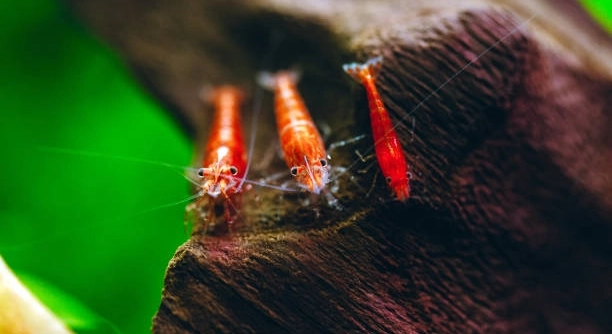
Cherry shrimp are small, colorful additions to freshwater aquariums. Many shrimp owners notice them clustering in one area. They often seem shy, moving cautiously and preferring safe, hidden spaces near the filter.
Cherry shrimp spend much of their time under the filter because it provides protection, consistent water flow, and food particles. The filter area creates a secure environment where they can feed and hide from perceived threats while remaining active.
Observing their behavior near the filter can help you better understand their needs and create a more comfortable aquarium environment for them.
Why Cherry Shrimp Prefer Hiding
Cherry shrimp naturally seek areas that feel safe and secure. In my own tank, I noticed they rarely wander into open spaces. They instinctively hide near decorations, plants, and especially under the filter. The filter provides a gentle current, which brings small food particles directly to them. They can grab a meal without exposing themselves to risk. This behavior also helps them stay away from sudden disturbances in the tank. Lighting plays a role too. Bright lights can make shrimp skittish, so they retreat to shaded spots. Even when they are healthy and well-fed, the filter remains a preferred resting place. It’s a combination of protection, food, and water movement that draws them. Over time, I realized that this was normal behavior, not a sign of stress or illness. Observing these patterns helped me arrange the tank better for their comfort and activity.
The filter provides constant food and safe shelter, making it a natural gathering point for cherry shrimp in any tank environment.
By arranging plants and hiding spots near the filter, I noticed the shrimp stayed active yet secure. They would move in and out while grazing, showing a balance between feeding and feeling protected. Adjusting water flow slightly helped them explore more while still returning to the filter for safety. Small decorations around the filter created pathways and corners where they could rest, molt, and feed without stress. I also made sure the filter was not too strong, so shrimp could cling to surfaces easily. Observing this, I learned that shrimp behavior is closely tied to tank structure. Creating multiple safe zones encouraged them to move around more, while the filter remained a primary location for gathering. Providing live plants nearby added cover and improved water quality. Over time, I saw more shrimp thriving and feeling comfortable while still enjoying the flow and food the filter provides.
Feeding and Safety Around the Filter
Cherry shrimp often feed near the filter due to constant water flow. The movement carries food directly to their hiding spots.
Keeping food near the filter ensures shrimp have access without needing to venture far. In my tank, I scatter small amounts of shrimp pellets and occasional blanched vegetables nearby. This encourages them to feed naturally while staying protected. I also monitor uneaten food to prevent water quality issues. Adjusting the filter strength slightly allows food particles to settle where shrimp can reach them without being swept away. Creating a calm area around the filter improves both feeding efficiency and overall comfort for the shrimp. This setup reduces stress and keeps them healthy.
I noticed that when I introduced new plants or rearranged decorations around the filter, shrimp quickly adapted. They explored new surfaces but still returned to the main hiding spot for safety. Feeding near the filter encourages natural grazing behavior and minimizes competition among shrimp. I also observed that tiny shrimp larvae benefit from this setup, as they have access to floating particles without risk from tankmates. Balancing water flow is crucial, since strong currents can exhaust them, while stagnant water can accumulate waste. Over time, a well-arranged tank around the filter creates a stable, safe feeding zone. Cherry shrimp respond positively to consistent routines and thoughtfully positioned cover, making their daily behavior predictable yet interesting to watch. Proper tank maintenance ensures food doesn’t accumulate excessively, keeping water quality high and reducing stress for all inhabitants. Watching them interact with this environment taught me how important careful planning is for both safety and nutrition.
Filter Flow and Shrimp Behavior
Cherry shrimp often stay under the filter because the water movement helps them access food and oxygen efficiently. The current is gentle enough for them to cling onto surfaces while feeding without being swept away.
I observed that adjusting the filter flow slightly makes a big difference in shrimp activity. Too strong, and they cling tightly, barely moving. Too weak, and food doesn’t circulate properly, and water quality can drop faster. The right balance keeps them comfortable and allows them to explore nearby areas while still returning to the filter. Over time, shrimp develop routines around the flow, grazing on particles that drift past and resting in shaded corners created by the filter structure.
Flow also helps with their natural cleaning habits. Cherry shrimp use the moving water to sift through debris and pick off algae from surfaces. This interaction keeps both the shrimp active and the tank healthier. They often ride small currents to reach different spots without exposing themselves too much, making the filter a central hub. Observing their use of currents taught me how subtle changes in water movement influence their daily behavior and comfort.
Safe Spaces and Molting
Molting is a vulnerable time for cherry shrimp, making safe spaces near the filter essential. They hide to shed exoskeletons and recover without threats.
In my tank, I noticed shrimp often choose corners behind or under the filter to molt. These spots offer shade, gentle flow, and easy access to leftover food. After molting, they stay nearby to harden their shells, minimizing stress and exposure. Providing moss, small rocks, or other decorations close to the filter gives them multiple options for hiding and feeding simultaneously. The combination of water movement, safety, and food availability keeps shrimp calm and supports healthy growth.
Creating a stable environment around the filter encourages natural behavior beyond feeding. Shrimp use these areas for resting, social interaction, and exploring new surfaces. The flow helps remove waste, while cover provides protection from potential threats or sudden disturbances. Observing shrimp during molting, I learned the importance of not disturbing these zones, as it can delay recovery and cause stress. Over time, the filter area becomes a central hub for shrimp activity, balancing their need for safety, nutrition, and movement. Small adjustments, like adding moss or slightly changing filter output, can improve comfort and encourage more natural patterns. These simple changes significantly impact shrimp well-being and overall tank harmony.
Filter Hiding and Stress
Cherry shrimp use the filter area to feel secure and avoid sudden changes in the tank. The gentle current and shaded spots help reduce stress, giving them a safe place to rest while still staying near food sources.
Spending time under the filter also allows them to monitor the tank environment. They can sense changes in water movement, temperature, or nearby activity while remaining mostly hidden. This behavior keeps them calm and responsive to potential threats without needing to expose themselves in open areas.
Observing Natural Behavior
Cherry shrimp naturally explore the filter surroundings to graze on algae and small particles. In my tank, I noticed they move in predictable patterns, returning to cover after each feeding. This behavior supports their survival instincts and promotes balanced activity throughout the day.
Tips for Comfort
Providing moss, rocks, and small hiding spots near the filter encourages shrimp to feel secure. These additions improve their well-being and reduce stress effectively.
FAQ
Why are cherry shrimp always under the filter?
Cherry shrimp naturally gravitate toward the filter because it provides a combination of safety, food, and gentle water flow. The area around the filter offers shaded corners and small crevices where they can hide, molt, and feed without feeling exposed. Observing my own tank, I noticed that shrimp use these spots even when food is scattered elsewhere. The filter flow carries tiny particles directly to them, making feeding easier. Even healthy and confident shrimp prefer staying nearby because it reduces stress and gives them a secure resting place.
Is it normal for shrimp to stay under the filter all the time?
Yes, it is normal behavior. Cherry shrimp are naturally shy and cautious creatures. Spending most of their time near or under the filter is not a sign of illness but rather instinctive survival behavior. In my experience, they may venture out occasionally to graze or explore, but they always return to the safety of the filter area. Providing multiple hiding spots can encourage movement while maintaining comfort.
Can strong filter flow harm cherry shrimp?
Yes, excessive water flow can stress shrimp. They may cling to surfaces or hide continuously if currents are too strong. Adjusting the filter to a moderate flow helps them move around comfortably and feed effectively. I found that using sponge filters or adding decorations to break up the current creates a safer, more usable space for shrimp. Proper flow ensures particles reach them without forcing them to struggle against strong currents.
How can I make my shrimp feel safer around the filter?
Adding moss, rocks, or small hiding spaces around the filter creates more security. These structures allow shrimp to graze and rest without being exposed. In my tank, placing small plants and décor near the filter made a noticeable difference. They move more freely while still returning to shaded, safe areas. Ensuring the filter doesn’t create sudden bursts of current also improves their sense of safety.
Do shrimp feed more under the filter?
Yes, the flow carries tiny food particles and detritus, making it an ideal feeding area. I observed that shrimp spend more time grazing near the filter than in open areas. By scattering food close to the flow, they can feed efficiently without venturing into exposed spots, which reduces stress and keeps them healthy.
Why do shrimp molt near the filter?
Molting is a vulnerable time, and shrimp instinctively seek sheltered spots. The filter area offers cover and gentle water movement, which helps shrimp complete the process safely. After molting, they stay nearby until their exoskeleton hardens. Providing multiple hiding spots near the filter encourages successful molting and reduces risk of injury or stress.
Will adding more plants reduce hiding under the filter?
Yes, adding more plants or decorations creates additional secure areas, which can encourage exploration. In my experience, shrimp still return to the filter but move more freely across the tank when there are extra hiding spots. Plants also improve water quality and provide grazing surfaces, enhancing overall shrimp activity and comfort.
Is this behavior affected by tank size or population?
Yes, tank layout and population density influence behavior. In smaller tanks, shrimp may crowd near the filter because hiding spaces are limited. In larger tanks with more décor, they explore further but still favor the filter for safety and feeding. Maintaining a balanced population ensures each shrimp has access to secure areas without excessive competition.
Should I be concerned if they rarely leave the filter area?
Not necessarily. Constant filter use is usually normal, but sudden changes in behavior, color, or lethargy may indicate water quality issues or stress. I regularly check water parameters and ensure proper filtration, which helps shrimp remain active and healthy while still preferring their safe spots.
Does the type of filter matter?
Yes, sponge filters or filters with gentle flow are ideal. Strong box or power filters can create currents that make shrimp feel unsafe. In my tank, a sponge filter allowed natural movement and feeding while providing cover. Adjusting placement and flow ensures shrimp can use the area comfortably without being swept away.
How often should I feed shrimp near the filter?
Small, frequent feedings work best. The filter continuously brings particles, so adding tiny portions of shrimp pellets or blanched vegetables daily encourages natural grazing without overfeeding. Observing their behavior helps determine the right amount, preventing leftover food from affecting water quality.
Can I reduce filter hiding by rearranging the tank?
Yes, strategically placing plants, rocks, and décor can create multiple secure zones. In my experience, shrimp explore more but still return to the filter for comfort. Rearranging should be gradual to avoid stress. Combining flow, hiding spots, and gentle lighting makes the tank more inviting and balanced.
Do shrimp feel safer in groups near the filter?
Yes, they often cluster together for added security. Social behavior reduces individual stress and encourages feeding. In my tank, groups of shrimp gather near the filter, balancing grazing with protection. Ensuring enough space prevents crowding and allows everyone to benefit from the safety the area provides.
How can I monitor if the filter area is too stressful?
Watch for constant clinging, color fading, or minimal movement. These are signs of stress or unsuitable flow. I adjust filter strength or add décor when I see these behaviors. Regular observation and minor tweaks help shrimp feel secure while still being active and healthy.
Final Thoughts
Cherry shrimp are naturally cautious creatures, and their behavior of staying near or under the filter is completely normal. The filter provides them with safety, gentle water flow, and access to food, all of which are essential for their comfort and survival. In my own tank, I noticed that even healthy, active shrimp preferred these areas over open spaces. They use the shaded corners and small crevices around the filter to rest, graze, and molt. This behavior is not a sign of illness or stress but a reflection of their instinctive need for security. By observing how they interact with the filter and its surroundings, it becomes easier to understand their natural patterns and provide a better environment for them.
Maintaining a balanced flow is key to keeping shrimp comfortable. Too strong a current can make them cling tightly to surfaces or hide constantly, while too weak a flow can result in poor circulation of food and waste accumulation. I found that adjusting the filter output to a moderate level encourages natural movement while allowing shrimp to feed easily. Adding decorations, moss, or small plants near the filter also creates multiple hiding spots, giving shrimp more freedom to explore while still having safe zones to return to. These additions not only make the tank visually appealing but also improve water quality and provide surfaces for grazing, which supports overall shrimp health. Over time, I noticed that shrimp became more active and confident while still appreciating the security of the filter area.
Understanding the reasons behind their behavior helps in creating a tank that meets both their needs and mine as an observer. Feeding near the filter, arranging multiple hiding spots, and ensuring gentle water flow all contribute to a more balanced environment. Observing shrimp during molting, grazing, or social clustering provides insight into their well-being and shows how subtle adjustments can make a big difference. The filter is more than a mechanical device in the tank; it serves as a hub of activity and security for cherry shrimp. By respecting their natural instincts and designing the tank accordingly, I was able to see healthier, happier shrimp that display natural behaviors without stress. Over time, this approach not only keeps the shrimp thriving but also makes maintaining the tank easier and more rewarding.

Hello,
If you enjoy the content that we create, please consider saying a "Thank You!" by leaving a tip.
Every little bit helps us continue crafting quality advice that supports the health, happiness, and well-being of pets around the world, for pets of all shapes, sizes, and species.
We really appreciate the kindness and support that you show us!