
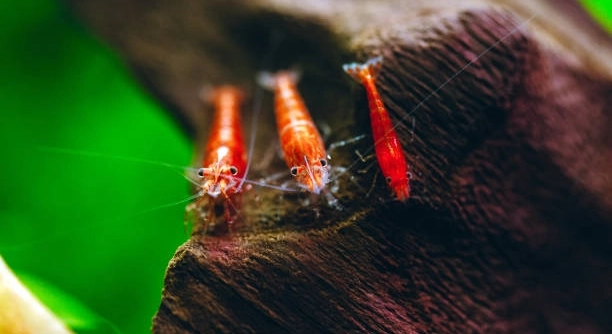
Have you ever been curious about how cherry shrimp interact when they form pairs in their tanks, guiding their behavior with gentle movements and colorful signals that often go unnoticed by new keepers at night.
Cherry shrimp mating involves a female releasing pheromones, which trigger active searching by males, followed by a brief mounting sequence where the male deposits spermatophores, ensuring fertilization and supporting the species reproductive cycle in stable freshwater environments of their habitat.
Learning about these small behaviors helps you connect with your shrimp and understand the subtle signals shaping their underwater routines.
Signs That Mating Has Started
Cherry shrimp show clear shifts in behavior once mating begins. Females become more noticeable as they molt and release pheromones that influence the males around them. The males respond with quick swimming patterns through the tank as they search for the ready female. This active movement can seem sudden, especially if the tank has been calm moments before. Once a male locates the female, the interaction is brief and direct, marked by a short mounting action that allows him to transfer spermatophores. These changes happen quietly, and watching them helps you understand how your shrimp maintain their natural cycle in a stable setup.
These visible shifts mark an important step in your shrimp’s routine, helping you spot when they are preparing for future offspring in your tank.
After this stage, the female transitions into carrying fertilized eggs under her abdomen, creating a new phase that you can easily identify with a bit of practice and observation.
What Happens After Successful Mating
A berried female carries her eggs under her swimmerets, keeping them protected and aerated with gentle movements. This stage is easy to recognize, since the eggs look like tiny clusters tucked beneath her body, usually in shades of yellow or green.
Once the eggs are secured, the female maintains a steady pattern of fanning them to provide oxygen and prevent debris from settling. This steady care lasts several weeks, depending on temperature and water quality. During this time, your role is to keep conditions stable. Small fluctuations can influence how well the eggs develop, so monitoring the tank helps support a smooth process. As hatching approaches, the eggs darken slightly, showing the developing shrimp inside. When they finally release, the tiny offspring scatter through plants and hiding spots, already able to move and feed on biofilm. Watching this stage unfold adds a gentle sense of progress to your aquarium.
How Long the Process Usually Lasts
Mating tends to happen quickly, often finishing within a few minutes once the male reaches the female. The changes that follow, including egg carrying and development, continue for several weeks depending on temperature, stability, and the female’s overall condition in the tank.
Egg development moves at a steady pace as long as water parameters remain consistent. The female cares for the eggs through constant fanning, which plays an important part in oxygen flow. Cooler temperatures slow the timeline, while warmer conditions speed it up. You can usually expect the eggs to hatch within three to five weeks. Watching the female during this period helps you understand how active she is and how well the eggs are progressing, since both her behavior and the appearance of the clutch can shift slightly as hatching nears.
Once the young shrimp emerge, they begin searching for food right away and settle into plants and small hiding places. Their growth is gradual, so stable conditions remain important after hatching. Maintaining regular water changes without large fluctuations helps keep them safe. You may also notice the female resume her usual habits once the eggs release, signaling the end of that breeding cycle and the start of a calm period before the next one begins.
Common Behaviors You Might Notice
Females often become less active while carrying eggs, choosing calmer areas where they can fan the clutch without interruption. Males may still move quickly at times, but the overall tank activity becomes more balanced again after the initial rush of the mating stage has passed.
Some females show a slightly darker or more intense coloration during this time, which is a normal response to the added demands of egg development. You might also see the young shrimp staying close to surfaces with strong biofilm growth, since this offers steady feeding opportunities. These small behaviors help you understand how the tank’s natural rhythms shift with each breeding cycle, giving you a clearer view of how your shrimp adapt to both the environment and their roles within the group.
How Environment Influences Mating
Stable water conditions support the entire mating cycle, keeping the shrimp comfortable enough to follow their natural patterns without stress. Clean water, steady temperature, and plenty of hiding spaces help both males and females behave normally while moving through each stage.
A planted tank encourages better outcomes by offering security, surfaces for biofilm, and gentle barriers that reduce sudden movement. Good filtration and low ammonia levels prevent disruptions that might affect the female or the developing eggs. Small details like these make a noticeable difference in how smoothly the process unfolds.
Why Some Mating Attempts Fail
Unstable parameters can interrupt the female’s ability to carry her eggs, leading her to drop the clutch early. Lack of nutrients or sudden shifts in temperature may also influence how reliably the eggs develop, even when mating appears successful at first. Careful observation and consistent upkeep usually help prevent these issues.
How Tank Mates Affect the Process
Peaceful companions reduce stress and allow both adults and young shrimp to move safely through the tank. Aggressive or fast fish can interfere with mating, egg carrying, or the survival of the hatchlings, so choosing calm tank mates supports better results.
FAQ
How can I tell if my cherry shrimp is ready to mate?
Females become more visible after molting, showing a slightly curved underbelly where eggs will be carried. Males react to pheromones by moving actively throughout the tank. Watching these patterns over time helps you identify readiness without disturbing the shrimp, especially during nighttime activity.
How long does mating usually last?
The actual mating process is brief, often only a few minutes, once a male reaches the female. Following this, the female carries fertilized eggs for several weeks. Egg development depends on temperature, water stability, and overall tank health, so it is important to maintain consistent conditions.
Can cherry shrimp mate without a fully planted tank?
Yes, mating can occur in tanks without heavy planting, but having plants and hiding spaces reduces stress and improves success rates. Plants offer surfaces for biofilm growth, which helps the young shrimp feed after hatching. They also provide shelter for the female during egg carrying.
Do all males participate in mating at the same time?
Not always. Some males are more active or dominant and will respond faster to female pheromones. Others may take longer or show less interest, but this is natural. Over time, most males in a healthy group will have opportunities to mate successfully.
What should I do if eggs aren’t developing?
Check water quality, temperature, and stability first. Ammonia or nitrite spikes, low oxygen, or sudden temperature changes can prevent proper development. Ensure the female has enough food and avoid moving her excessively. Maintaining a calm environment improves the chances of successful hatching.
Can cherry shrimp mate multiple times?
Yes. Females can mate multiple times after each molt, and males will continue to respond to pheromones as long as conditions remain favorable. Regular observation helps you track cycles and support the health of both adults and future offspring.
How do I protect the eggs from tank mates?
Peaceful companions are best for shrimp tanks. Avoid aggressive or fast-moving fish that may disturb the female or eat the eggs. Even small snails or non-predatory fish should be monitored to ensure the eggs remain safe until hatching.
Is it normal for a female to drop eggs?
Occasionally, a female may drop eggs due to stress, poor water quality, or inadequate nutrition. This is a normal response to unfavorable conditions, not a sign of illness. Improving tank stability and providing extra care can prevent this from happening in future cycles.
How do I know when the eggs will hatch?
The eggs darken slightly as they develop, usually within three to five weeks depending on temperature. Once they are ready to hatch, tiny shrimp will emerge and begin moving immediately. Observing color changes and movement patterns gives you clear signs of approaching hatching.
Can I separate the female during egg carrying?
Generally, it’s not necessary if the tank is peaceful and well-planted. Separation may be useful if other tank mates are aggressive, but most females manage the eggs safely when conditions are stable. Providing hiding spaces is usually enough to ensure survival.
What do baby shrimp eat after hatching?
Newly hatched shrimp feed on biofilm, microalgae, and tiny particles in the water. A planted tank encourages natural feeding sources. Supplementing with finely crushed food or specialized baby shrimp food can support growth until they are large enough to consume regular shrimp food.
Can temperature affect mating success?
Yes. Water that is too cold slows egg development and reduces mating activity, while water that is too warm may stress the shrimp. Keeping a stable, moderate temperature suitable for cherry shrimp ensures better chances of successful mating and healthy offspring.
How often should I monitor the tank during mating and egg carrying?
Daily observation is sufficient. Look for normal movement, proper egg attachment, and stable water conditions. Avoid frequent handling, which can stress the female or disrupt egg development. Regular checks help you catch potential problems early without disturbing natural behavior.
Do shrimp need special lighting for mating?
Lighting is not critical for mating but can affect plant growth and biofilm development, which indirectly supports the shrimp. Standard aquarium lighting that suits the plants is enough to maintain healthy conditions and encourage natural behavior.
What happens after the eggs hatch?
Once hatched, baby shrimp explore plants and surfaces to feed. They grow gradually, molting frequently in the first few weeks. Maintaining clean water, stable temperature, and accessible food ensures the young shrimp develop properly and survive into adulthood.
This FAQ covers most practical aspects of cherry shrimp mating, behavior, and egg care, helping you manage their cycles effectively.
Cherry shrimp are small but fascinating creatures, and observing their mating habits can be rewarding for anyone keeping a tank. Their behaviors are subtle, and it may take time to notice the changes that signal mating is about to happen. Females release pheromones after molting, which triggers males to swim actively in search of a partner. The actual mating is brief, often only a few minutes, yet it sets the stage for the eggs the female will carry. These eggs are kept safe under her abdomen, and she constantly fans them to ensure proper oxygen flow. Understanding this cycle helps keepers maintain a stable environment that supports natural behavior, giving both adults and offspring the best chance of thriving. Watching these small interactions reminds us that even tiny creatures follow complex, organized patterns that are essential to their survival and reproduction. It is rewarding to see the process unfold in a calm, well-maintained tank.
Maintaining proper water conditions is key to supporting cherry shrimp through each stage of mating and egg development. Temperature, pH, and water cleanliness all play an important role in successful reproduction. Small fluctuations may stress the female, leading to dropped eggs or delayed hatching. Adding plants and hiding spaces makes the environment feel safer, allowing both males and females to behave naturally. Biofilm on plants provides food for the baby shrimp once they hatch, supporting their initial growth and survival. Watching the eggs darken over time and then seeing tiny shrimp emerge can feel like a small, satisfying accomplishment. Regular monitoring and gentle care help ensure that the eggs develop correctly and the offspring can thrive. Observing these behaviors encourages an understanding of how environmental factors influence every stage of the life cycle, from mating to the growth of new shrimp.
Cherry shrimp also teach a lot about patience and observation. Their behaviors are subtle, and not every mating attempt is successful, but with consistent care, success is likely over time. Males may respond at different speeds, and females may carry multiple batches of eggs after each molt. Monitoring their health and keeping the tank stable supports these cycles, and it helps avoid unnecessary stress that can interfere with reproduction. Once the eggs hatch, it is important to maintain clean water and continue providing adequate food for both adults and juveniles. Over time, a well-kept tank allows a self-sustaining population to develop. Understanding and supporting these natural patterns gives keepers a greater appreciation for how even small aquatic creatures follow structured life cycles. It is satisfying to see the results of proper care and attention reflected in healthy shrimp and successful breeding cycles, offering a quiet sense of accomplishment in the aquarium.

Hello,
If you enjoy the content that we create, please consider saying a "Thank You!" by leaving a tip.
Every little bit helps us continue crafting quality advice that supports the health, happiness, and well-being of pets around the world, for pets of all shapes, sizes, and species.
We really appreciate the kindness and support that you show us!