
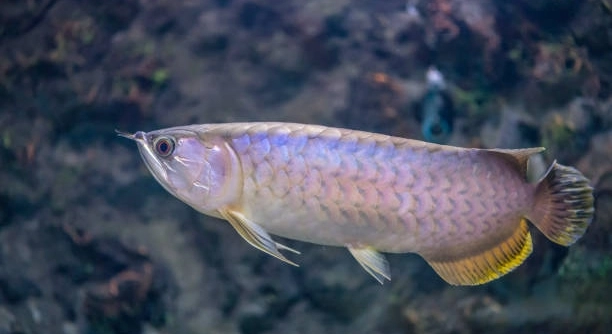
Do you ever find yourself setting up a new aquarium for your Arowana and wondering if the filter you chose is strong enough? Maintaining the right water quality is essential for keeping these fish healthy and vibrant.
The correct filter strength for an Arowana depends on the tank size and the fish’s activity level. A filter that circulates water at least 5–10 times the tank volume per hour ensures adequate oxygenation and waste removal, promoting overall fish health.
Ensuring the right filter strength can prevent water issues and help your Arowana thrive in a clean, well-maintained environment. Proper filtration makes all the difference for long-term care.
Understanding Filter Ratings for Arowana Tanks
Choosing the right filter begins with understanding its rating. Filters are measured by the volume of water they can process per hour. For Arowanas, strong water movement is important because these fish produce a significant amount of waste. A filter rated to handle five to ten times the tank volume per hour is ideal. Mechanical filtration removes debris, while biological filtration breaks down harmful toxins. I learned early that underestimating filter strength can lead to cloudy water and stressed fish. Over-filtering slightly is safer than under-filtering, as long as the current isn’t too strong for the fish to swim comfortably. Watching how water circulates in your tank helps gauge efficiency. Placement also matters; positioning the filter so water reaches all corners prevents stagnation. Combining different filter types, such as canister and sponge filters, ensures both clarity and chemical balance. Regular maintenance is essential to keep the filter performing optimally and prevent blockages.
Strong filtration directly supports Arowana health by maintaining clean, oxygen-rich water and minimizing harmful waste buildup.
When I upgraded my tank’s filter, I noticed the water cleared immediately, and my Arowana became more active. Balancing flow and filtration prevents stress while ensuring the environment remains stable. Regular checks of the filter media and water flow help maintain a consistent habitat. I also learned that pairing mechanical, chemical, and biological filtration creates a complete system that supports long-term health. The filter’s strength should match both tank size and fish activity. Using an undersized filter can quickly lead to water quality problems. Proper circulation also distributes heat evenly and prevents dead zones. Observing your fish daily helps determine if adjustments are needed. With a well-rated filter, the tank requires less frequent cleaning while keeping the fish energetic and healthy. Choosing a reliable filter brand and replacing worn components contributes to a consistent aquatic environment. Over time, you gain confidence in maintaining balance between filtration power and fish comfort, making the tank easier to manage.
Common Mistakes with Arowana Filtration
Using a filter that is too weak or improperly maintained reduces water quality and stresses the fish.
Neglecting regular filter cleaning and replacement can lead to blockages and toxin buildup. Many Arowana owners underestimate waste production, especially in larger fish. I’ve seen tanks where inadequate filtration caused frequent cloudy water and unhealthy fish behavior. Choosing the wrong type of filter, such as one not suited for heavy bioload, worsens the problem. Placing the filter incorrectly can leave parts of the tank stagnant, creating pockets of poor water quality. Some filters produce currents too strong for the fish, forcing them to expend extra energy. Over-reliance on chemical additives instead of mechanical or biological filtration is another common issue. Maintaining a proper schedule for media replacement, cleaning sponges, and monitoring water parameters ensures optimal conditions. Understanding these mistakes helps prevent unnecessary stress and health problems for the Arowana. Adapting filter strength as the fish grows also avoids sudden declines in water quality and keeps your tank environment stable and safe.
Adjusting Filter Strength for Different Tank Sizes
Arowanas need different filtration depending on tank size. Larger tanks require higher flow rates to maintain water quality. Smaller tanks may need gentler circulation to prevent stress. Proper adjustment ensures balanced oxygen levels and effective waste removal.
When I set up a larger tank, I realized a standard filter wasn’t enough. The water stayed cloudy, and debris collected in corners. Upgrading to a stronger filter that processed ten times the tank volume improved clarity immediately. Observing water flow helped me position the filter to reach every area. For smaller tanks, too strong a flow caused my Arowana to struggle, so I added a flow control attachment. Matching filter strength to tank size prevents overworking the system while keeping water clean.
Even with proper flow, monitoring is key. Filters need maintenance based on both size and fish activity. Cleaning media regularly, replacing worn parts, and adjusting flow helps maintain optimal conditions. I found that small adjustments, like changing intake height or adding flow diffusers, made a big difference. This keeps the Arowana comfortable and minimizes stress while ensuring waste doesn’t accumulate.
Signs That Filter Strength Needs Adjustment
Cloudy water, sluggish swimming, or excessive waste buildup indicate insufficient filtration.
I noticed my Arowana becoming less active when the filter flow was too weak. Over time, debris and uneaten food accumulated, leading to poor water quality. Strengthening the filter improved oxygen levels and circulation immediately. Monitoring behavior and water clarity is essential.
Adjusting filter strength isn’t just about flow. The fish’s size, activity level, and tank population all affect filtration needs. I had two tanks of the same volume but different fish numbers; the more crowded tank required a much stronger filter. Observing my Arowana’s swimming patterns and appetite gave clues about whether the filter was adequate. Ensuring a balance between water turnover and gentle current prevents stress and supports healthy growth. Over time, maintaining the right filter strength reduces maintenance and keeps the environment stable, making it easier to manage water quality without constant intervention.
Choosing the Right Filter Type
Canister filters provide strong mechanical and biological filtration, ideal for large Arowana tanks. Sponge filters add gentle circulation, suitable for smaller tanks or breeding setups. Combining both can balance water clarity and flow.
Internal filters are easy to install but may struggle with larger fish. External filters handle higher volumes, ensuring consistent water quality and oxygenation.
Balancing Flow and Fish Comfort
High filter strength improves water quality but can stress Arowanas if the current is too strong. I adjusted the flow using diffusers and placement to create calm areas. Observing swimming behavior helped me find the right balance. Proper flow ensures efficient filtration without exhausting the fish or disrupting their natural movement.
Regular Maintenance Practices
Cleaning and replacing filter media on a schedule maintains optimal performance. Neglecting maintenance leads to buildup, reducing efficiency and water quality.
FAQ
How often should I clean my Arowana filter?
Cleaning frequency depends on the tank size, number of fish, and filter type. I clean sponge or mechanical media every two to four weeks to remove debris. Canister filters may require partial cleaning monthly. Avoid over-cleaning biological media, as it hosts beneficial bacteria crucial for breaking down toxins.
Can a filter be too strong for an Arowana?
Yes, overly strong currents can stress the fish, making swimming difficult and causing fatigue. I once installed a high-powered external filter in a small tank and noticed my Arowana constantly struggled against the flow. Adjusting the filter with diffusers and proper placement created calmer zones for the fish to rest.
What is the best filter type for a large Arowana tank?
For tanks over 150 gallons, canister filters are usually best. They provide both mechanical and biological filtration and handle high water volumes efficiently. I combined a canister filter with a small sponge filter to balance flow and ensure gentle areas while keeping water crystal clear.
How do I know if my filter is underperforming?
Signs of underperformance include cloudy water, debris accumulation, algae growth, or sudden changes in fish behavior. I learned to monitor water parameters like ammonia and nitrate levels, which often reveal hidden issues before they affect the fish. Underperforming filters require cleaning, media replacement, or upgrades.
Can I use multiple filters in one tank?
Yes, using multiple filters can improve water circulation and overall filtration. I used an external canister filter for main filtration and a sponge filter in a breeding area to create gentle flow. This setup kept water quality high while allowing calm areas for the Arowana to swim comfortably.
How do I adjust filter strength for a growing Arowana?
As the fish grows, its waste output increases, so filter capacity may need adjustment. I increased flow gradually or upgraded to a higher-rated filter to maintain water quality. Monitoring water clarity and fish behavior ensures the changes are effective without creating strong currents that stress the fish.
What maintenance tasks extend filter life?
Regularly rinsing mechanical media, replacing worn components, and checking pump performance help filters last longer. I keep a small schedule of monthly checks and partial cleanings. Avoid using tap water on biological media to prevent killing beneficial bacteria; instead, rinse in tank water during water changes.
Can filter strength affect fish health directly?
Yes, weak filtration can lead to toxic buildup, oxygen depletion, and increased disease risk. Too strong a current causes stress and may damage fins. I observed that finding the right balance of filtration strength significantly improved my Arowana’s energy levels, appetite, and overall appearance.
Are there signs my Arowana prefers a different flow?
Fish behavior is the best indicator. If your Arowana constantly swims against the current or hides in corners, the flow may be too strong. Conversely, if waste and debris accumulate and water becomes cloudy, flow may be too weak. Adjusting placement or adding diffusers can create a more comfortable environment.
Is filter size more important than type?
Both matter, but size often has a bigger impact. A small filter cannot handle a large tank, no matter how advanced its design. I learned that matching filter capacity to tank volume and bioload prevents many water quality issues and reduces stress for the Arowana.
How can I maintain biological filtration during media cleaning?
Rinse media gently in tank water instead of tap water to preserve beneficial bacteria. I rotate media cleaning, cleaning one section at a time to avoid losing the bacteria colony completely. This approach ensures continuous toxin breakdown while keeping the filter efficient.
Can I reduce maintenance with a stronger filter?
A stronger filter improves circulation and reduces debris accumulation, but regular maintenance is still necessary. I found that even with a high-capacity filter, monthly checks and media care prevent long-term problems, maintaining stable water parameters and a healthy environment for the Arowana.
What should I avoid when choosing filter strength?
Avoid undersized filters that cannot handle the tank’s volume or overpowered filters in small tanks that create excessive current. I also avoid relying solely on chemical treatments instead of mechanical and biological filtration. Balanced filtration ensures stable water quality and healthy, stress-free Arowanas.
Can filter placement affect performance?
Yes, improper placement can create dead zones where water is stagnant. I learned to position intake and outflow to ensure full circulation without creating strong currents. Proper placement enhances oxygen distribution, improves waste removal, and ensures the Arowana has areas to rest comfortably.
How do I know when it’s time to upgrade my filter?
If water quality declines despite regular maintenance, or if the fish grows larger and produces more waste, it’s time to upgrade. I monitor ammonia, nitrite, and nitrate levels as indicators. Upgrading prevents stress, improves fish health, and maintains a stable tank environment over the long term.
This FAQ covers common issues and practical solutions for Arowana filtration, helping maintain a clean, balanced, and healthy aquarium environment. Proper understanding of filter strength and maintenance ensures the fish thrive without unnecessary stress or water quality problems.
Final Thoughts
Maintaining the right filter strength for an Arowana is a crucial part of keeping the fish healthy and comfortable. These fish produce a significant amount of waste, and inadequate filtration can quickly lead to water quality problems. I have learned over time that understanding both the size of the tank and the activity level of the fish is essential. A filter that is too weak will fail to remove waste effectively, leading to cloudy water, increased toxins, and stress for the fish. Conversely, a filter that is too strong can create currents that tire out the Arowana or make it difficult for the fish to swim naturally. Balancing filtration strength with water circulation is key. Mechanical filtration removes visible debris, while biological filtration handles toxins like ammonia and nitrites, which are harmful in high concentrations. Both types must be maintained to ensure a stable environment. Observing your fish daily helps gauge whether the filtration is adequate. If the Arowana appears stressed, hides frequently, or struggles against the current, the filter may need adjustment. Proper filter placement also matters. Ensuring water flows to all areas of the tank prevents stagnant spots and maintains consistent oxygen levels.
Regular maintenance is another important factor in sustaining a healthy tank. Filters require cleaning, media replacement, and periodic checks to maintain efficiency. I have found that a simple schedule, such as rinsing sponges or mechanical media every two to four weeks and checking canister filters monthly, keeps water quality high and reduces the risk of buildup. It is important to avoid over-cleaning biological media, as it hosts beneficial bacteria essential for breaking down harmful toxins. Using tank water rather than tap water when rinsing media preserves these bacteria. Watching water clarity and fish behavior provides immediate feedback on whether the filtration system is functioning effectively. Sometimes small adjustments, like repositioning the intake or adding flow diffusers, can make a big difference in fish comfort. Over time, maintaining this balance of filtration strength, proper flow, and regular upkeep becomes routine but has a significant impact on the long-term health of the Arowana.
Choosing the right filter strength also involves anticipating changes as your fish grows. Young Arowanas produce less waste, but as they increase in size, their bioload grows, requiring stronger filtration. I have upgraded filters or adjusted flow settings as my fish matured to maintain clean water and prevent stress. Monitoring water parameters, such as ammonia, nitrite, and nitrate levels, helps determine when changes are needed. Additionally, combining filter types can provide a more complete system. For example, using a canister filter for strong mechanical and biological filtration alongside a sponge filter for gentle circulation creates an environment where the fish can swim comfortably while water quality remains high. Maintaining this balance ensures a healthy, stable habitat. Ultimately, understanding your Arowana’s needs, observing its behavior, and keeping up with consistent maintenance makes managing filter strength much easier. A well-maintained filtration system is the foundation of a thriving tank and supports the long-term health, activity, and well-being of your Arowana.

Hello,
If you enjoy the content that we create, please consider saying a "Thank You!" by leaving a tip.
Every little bit helps us continue crafting quality advice that supports the health, happiness, and well-being of pets around the world, for pets of all shapes, sizes, and species.
We really appreciate the kindness and support that you show us!